
Security seals for oil and gas operations fail differently than they do in standard freight. A seal that survives a container run can crack on a hot custody transfer line, and a seal that looks intact can mask a slow material substitution at a remote tank battery. Choosing the right security seal for oil and gas sites means matching the locking mechanism, material, and numbering system to the specific failure modes of upstream, midstream, and downstream work. In fifteen years of manufacturing tamper evident seals, I have seen most procurement mistakes come from copying a general logistics specification into an environment it was never built for.
The Role of Security Seals in Oil and Gas Operations
In oil and gas, security seals do more than show whether a hatch has been opened. They protect custody transfer records, valve isolation status, meter readings, and sample integrity. A missing or damaged seal on a tanker offloading point can trigger a contamination dispute, a regulatory hold, or a rejected delivery. We have supplied seals for clients operating across different segments, and the common requirement is always the same: the seal must fail visibly, never quietly. A seal that stretches and returns to shape can hide tampering, which is why high security seals rely on destructive removal and one time locking.
Standard logistics seals often use lighter materials. Oil and gas sites need seals that tolerate chemical residue, temperature swings, and repeated vibration without losing their tamper evidence. The right seal is not the most expensive one. It is the one whose failure mode matches how the asset is actually accessed.
Security Seal Types for Upstream, Midstream, and Downstream Sites
Different parts of the oil and gas supply chain put different demands on the lock body and shackle. We usually separate sealing into transfer security, fixed asset security, and utility isolation.
Bolt Seals for High Security Transfer Points
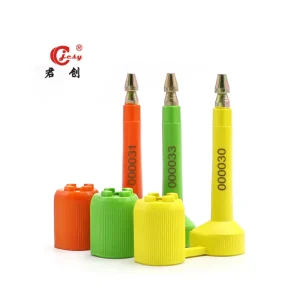
Bolt seals are used on tanker hatches, crude oil trailers, and high value cargo transfer where the seal must resist cutting and show obvious attack. In upstream trucking and midstream road transport, a high security bolt seal with a steel locking pin and sequential laser marking gives inspectors a clear removal record. I have seen cheap bolt seals deform just enough under vibration to be removed and reinserted without obvious damage. That is why material hardness and pin retention matter more than a high published tensile figure.
Cable Seals for Valves, Meters, and Irregular Housings
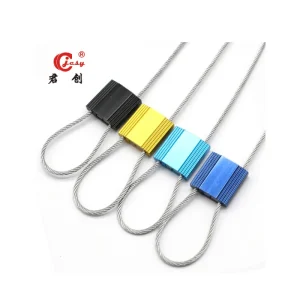
Cable seals work where a fixed length seal cannot close a loop around two different brackets or a valve wheel. They adjust to odd attachment points and can be cut only with a tool, leaving a frayed, non reusable cable end. In downstream terminals and distribution sites, cable seals are often placed on flow meters and sample points where multiple workers need to log access.
Plastic Padlock and Strap Seals for Utility Isolation
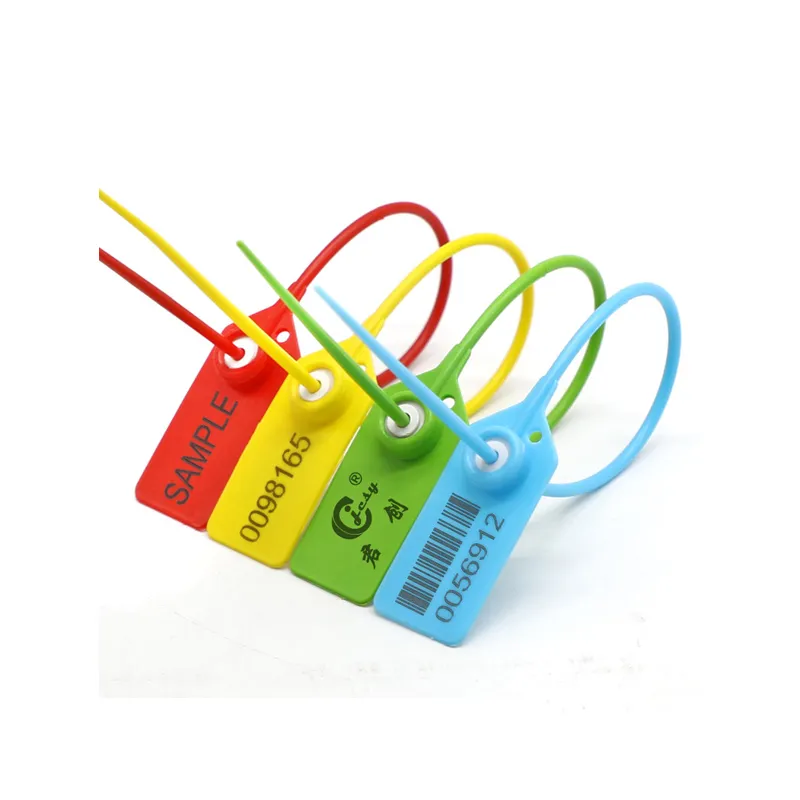
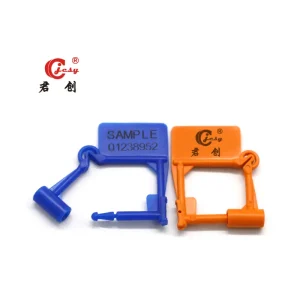
Plastic padlock seals and strap seals handle lower force applications like electrical isolation, fire extinguisher cabinets, and temporary tank openings. They are not a replacement for high security seals on cargo transfer, but they serve well where the main risk is accidental reopening or unauthorized tampering by convenience.
Material Requirements for Corrosive and High Temperature Oil and Gas Service
Oil and gas sites combine corrosion, UV, temperature cycling, and vibration in ways that general warehouses do not. Choosing material is not a cost decision alone. It determines whether the seal remains legible and locked after months on a sunlit tank farm or a sour gas line.
| Seal Material | Best Oil and Gas Use | Main Limitation |
|---|---|---|
| Polypropylene | Utility isolation and low cost tamper evidence | Turns brittle in subzero weather |
| Nylon | Cable seals on valves and meters, adjustable loops | Absorbs moisture and can swell |
| Steel cable and bolt | High security transfer and tanker hatches | Surface rust if coating is scratched |
| ABS | Padlock seals for cabinets and enclosures | Needs UV stabilizer for long outdoor life |
We have seen polypropylene seals become brittle within weeks on open air tank batteries in regions with winter lows below minus 20 degrees Celsius. Switching to a nylon based strap with UV treatment stopped the breakage without changing the locking format. The point is not to avoid plastic. The point is to match the plastic grade to the exposure.
If your site handles sour gas or continuous high temperature transfer, seal material compatibility is not a decision to make from a catalog photo. Send the specific chemical exposure and operating temperature range to [email protected] and we will confirm the right material before you commit to a purchase order.
Factory Quality Checks for Security Seals in Oil and Gas Applications
We run every oil and gas seal order through a set of checks before packing. Not every seal factory does this, and it is the difference between a seal that arrives with traceable numbers and one that causes a paperwork failure at receiving.
- Tensile and pull strength test: we sample from each production lot and verify the locking mechanism holds under load until failure is visible.
- Tamper evidence recovery: we intentionally cut, pull, and reinsert sample seals to confirm that removal cannot be hidden.
- Print adhesion and legibility: sequential numbers and barcodes must survive oil residue, sunlight, and cleaning solvents.
- Batch record attachment: each shipment includes the lot number, production date, and raw material receipt records so the buyer can trace a failure back to the source.
Working With a Manufacturer for Oil and Gas Security Seal Supply
Most seal failures in oil and gas operations trace back to a mismatch between the seal material and the site conditions, not to a weak locking mechanism. We manufacture security seals in our own factory, with in-house printing, assembly, and quality inspection, so the material choice and numbering setup can be confirmed before mass production. If your current seal program has high failure rates or mixed supplier quality, send your part number, required quantity, and operating conditions to [email protected] or call +86 13853189290. We will respond with a material recommendation and sample plan for your specific oil and gas application.
Common Questions About Security Seals for Oil and Gas Sites
What security seal standard applies to oil and gas custody transfer seals?
For high security custody transfer and cargo applications, ISO 17712 high security class is the baseline. The standard defines three classes: indicative, security, and high security. High security class seals must pass an independent tamper attempt test and meet stricter marking and traceability requirements. A seal that only meets indicative class is not suitable for tanker transfer or cross border crude movement, because it is designed to show access, not to resist attack.
Can one seal type work across upstream, midstream, and downstream oil and gas sites?
Many buyers assume one seal type can do everything, but it cannot. A bolt seal that works on a crude oil trailer is overbuilt and awkward for a valve isolation point, while a plastic padlock seal rated for utility cabinets would fail quickly on a tanker hatch. The efficient approach is to define three seal categories: high security transfer seals, adjustable cable seals for fixed assets, and utility plastic seals for low force isolation. That keeps the specification simple without forcing a single product into conditions it was not made for.
How do I know a plastic seal will survive outdoor exposure on a tank battery?
It depends on UV exposure, temperature range, and chemical contact. Untreated polypropylene will turn brittle after extended UV exposure and subzero cycling. A nylon based strap with UV stabilizer holds up better outdoors, but it still has limits in continuous high temperature or solvent rich environments. We usually ask for the minimum and maximum operating temperature and the main chemical the seal will touch. That information narrows the material choice faster than reading a general product description.
What information should I send to get an accurate seal quotation for an oil and gas project?
In projects we have supplied, the shortest path to an accurate quotation is sending five details: required seal type, operating temperature range, chemical exposure, locking mechanism preference, and estimated monthly quantity. With those details we can confirm material, numbering format, and unit pricing without back and forth. If your site is still choosing between a bolt seal and a cable seal, send photos of the attachment points and the asset access procedure. Send those details to [email protected] and we will recommend a specific product and sample plan for your oil and gas application.
If you’re interested, check out these related articles:
Security Seal Pricing Guide: Unveiling Factors Affecting Your Investment – Junchuang Lock
Plastic Seal Manufacturer Selection: A Strategic Procurement Guide – Junchuang Lock
China Plastic Security Seal Factory: Sourcing Guide & Solutions – Junchuang Lock
Meter Seal Quality Inspection: A Comprehensive Guide – Junchuang Lock
China Bolt Seal Factory Direct Purchase Maximizing Supply Chain Security – Junchuang Lock