
The true cost of security seals goes well beyond what you see on the invoice. After years of watching companies fixate on unit prices only to get burned by seal failures or compliance headaches, I’ve learned that the smart money looks at the whole picture. Material choices, customization requirements, certification standards, and supplier relationships all feed into what you’ll actually spend. Getting this right means understanding how each factor pulls its weight in your security budget.
What Actually Goes Into Security Seal Procurement Costs
Buying security seals demands more than comparing price lists. The total cost of ownership includes durability under real-world conditions, how well the seal resists tampering attempts, and what a security breach would actually cost your operation. A comprehensive cost analysis protects long-term value and keeps your supply chain intact. The framework below breaks down these critical elements so you can invest with confidence.
How Materials and Manufacturing Shape What You Pay
Material selection and manufacturing methods drive a security seal’s final price more than most buyers realize. Different materials bring different security levels, durability, and tamper-evidence characteristics, and each carries distinct production costs. High-strength steel in high security bolt seals costs substantially more than the polypropylene found in standard plastic seals. Advanced manufacturing techniques matter too. Injection molding for plastic seals and precision stamping for metal seals each carry their own cost profiles. Design complexity and tooling requirements add another layer to the manufacturing expense.
How Different Security Seal Materials Affect Overall Cost
Material composition sets the baseline for security seal pricing. Polypropylene and nylon work well for plastic seals because they’re widely available and process easily through injection molding, keeping costs reasonable. Steel and aluminum, the backbone of metal strap seals and cable seals, carry higher material costs from the start. Processing these metals requires specialized machinery and skilled labor, pushing prices higher still. The specific grade you need and the quantities you’re ordering also move the needle on production costs.
Customization Features and Volume Economies
Customization options and order volume shape pricing in ways that can work for or against your budget. Adding your company logo creates visual security and marketing value. Serial numbering and barcoding enable tracking and traceability, though they require specialized printing or laser etching. These features strengthen security and streamline operations, but they add per-unit costs. The good news is that larger volumes unlock significant economies of scale. Bulk orders optimize manufacturing processes, cut per-unit setup times, and reduce material waste. This efficiency translates directly into more competitive pricing for substantial orders.
| Customization Option | Estimated Cost Impact (Per Unit) | Security Enhancement | Operational Benefit |
|---|---|---|---|
| Company Logo | Low to Moderate | Visual Deterrent | Brand Recognition |
| Serial Numbering | Low | Traceability | Inventory Control |
| Barcoding | Low to Moderate | Automated Tracking | Efficiency |
| Custom Colors | Low | Visual Identification | Differentiation |
| Specialized Text | Low to Moderate | Specific Instructions | Clarity |
Security Level and Certification Standards Pricing
Required security levels and international certification standards create real pricing differentials. Seals protecting high-value cargo or sensitive shipments need superior tamper-evident features and robust construction. ISO 17712 certification, mandatory for international shipping container seals, involves rigorous testing and compliance processes. These standards verify that seals meet specific strength and tamper-resistance criteria. The price premium on ISO 17712 certified seals reflects investment in advanced engineering, quality materials, and extensive testing. C-TPAT compliant seals also command higher prices due to enhanced security features and certification overhead.
What Factors Determine High Security Bolt Seal Pricing
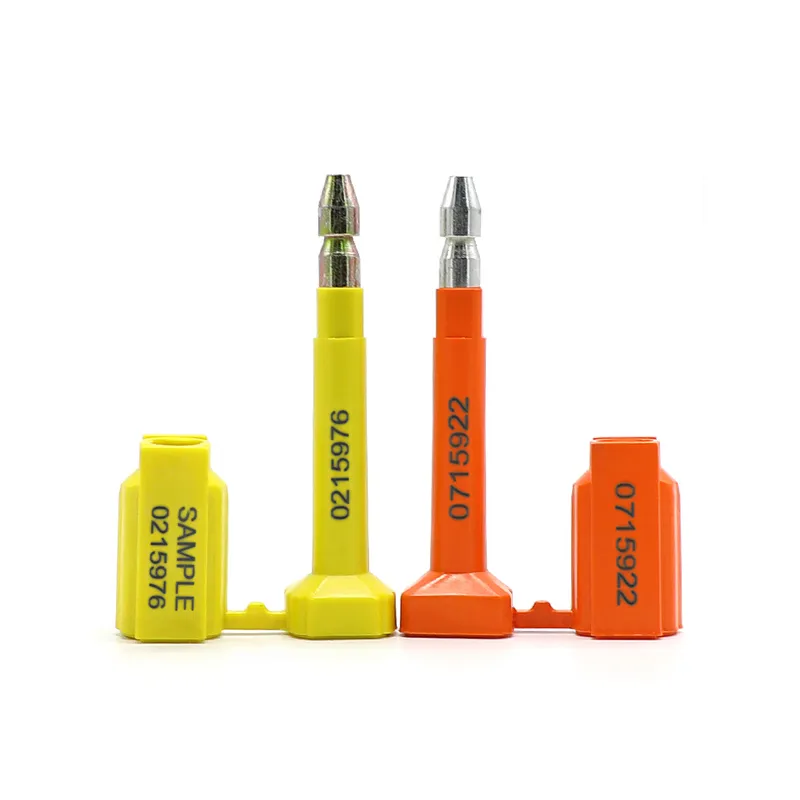
High security bolt seals carry premium pricing because of their robust engineering and specialized materials. These seals use hardened steel pins and high-impact ABS plastic engineered to withstand extreme force and sophisticated tampering attempts. Manufacturing involves precision molding and assembly, followed by rigorous testing against ISO 17712 standards. This testing confirms integrity against physical attacks. Anti-tampering features like rotational locking mechanisms and unique serial numbers prevent unauthorized removal or substitution, and these capabilities factor into the final cost.
Logistics Distribution and Supplier Relationships
Logistics and supplier relationships influence total security seal costs more than many buyers expect. Shipping costs, particularly for international orders, can add significantly to the final price. Lead times matter too, since expedited shipping options carry premium rates. A well-managed global distribution network optimizes routes and carriers to minimize these expenses. Long-term supplier partnerships create opportunities to negotiate favorable terms for raw materials and logistics, passing savings along to buyers. Efficient procurement combined with reliable supply chain management ensures timely delivery while controlling overall expenditure.
Lifecycle Cost Analysis and Value Beyond Purchase Price
Looking at lifecycle costs reveals the true value of security seals past their purchase price. Durable, high-quality seals prevent costly security breaches, cargo loss, and reputational damage. Cheaper seals might look attractive initially, but they often generate higher long-term expenses through failures or compromised security. The return on investment from robust seals comes through superior tamper evidence and extended operational life. When you factor in what a security breach actually costs, durability and reliability become paramount. Seals designed for longevity and effectiveness contribute to long-term savings that justify the upfront investment.
Cost Effective Alternatives for Specialized Security Seals
Cost-effective alternatives for specialized security seals exist when you balance security needs against budget constraints. Value engineering optimizes design or materials without compromising essential security functions. Certain applications might work perfectly well with a high-quality plastic seal instead of a high security bolt seal, delivering adequate protection at lower cost. Material substitutions or design modifications can achieve required security levels within tighter budgets. Various options exist to help match the most suitable and economical security solutions to specific operational requirements.
Strategic Seal Procurement for Optimal Security and Value
Strategic procurement means evaluating security seals holistically rather than fixating on unit price alone. The smart approach balances initial cost with long-term security, operational efficiency, and overall value. Weighing material science, customization needs, certification requirements, logistics, and lifecycle costs leads to informed decisions. This ensures seals that provide robust protection, meet regulatory standards, and deliver optimal return on investment. Navigating these complexities takes effort, but the payoff in superior supply chain security makes it worthwhile.
Strengthen Your Supply Chain Security
Get security seals that match your operational requirements and budget realities. Contact Shandong Junchuang Lock Industrial Co., Ltd for a personalized consultation and competitive quote. Reach us at +86 13853189290 or [email protected].
Frequently Asked Questions About Security Seal Pricing
What is the primary driver of cost differences between plastic seals and metal seals?
The material itself creates the biggest cost gap. Steel and aluminum for metal strap seals cost significantly more than polypropylene or nylon for plastic seals. Metal seals also involve more complex manufacturing processes and higher security features, both of which push prices higher. Material selection should align with actual security needs and cost-effectiveness requirements.
How does order quantity influence the unit price of security seals?
Order quantity moves unit prices substantially through economies of scale. Larger orders let manufacturers optimize production runs, reduce setup costs per unit, and often secure better raw material pricing. These efficiencies translate into meaningful per-unit savings for buyers, particularly for customized plastic seals and other high-volume products.
Are there hidden costs associated with security seal procurement?
Hidden costs definitely exist. Shipping and logistics, potential customs duties for international orders, inventory management expenses, and the long-term cost of seal failures when low-quality seals are chosen all add up. A comprehensive lifecycle cost analysis helps surface these hidden expenditures before they become problems.
Does customization, such as company logos or serial numbers, drastically increase security seal costs?
Customization adds cost, but the increase stays manageable, especially for larger orders. Initial setup for molds or printing plates is a one-time expense, and subsequent units carry only a small additional charge for branding or unique serialization. This investment typically pays off through enhanced security and brand visibility, particularly for plastic seal with serial number applications.