
Keeping security seals in good working order matters more than most people realize for supply chain protection and asset security. A solid quality inspection checklist does real work—it stands between your cargo and anyone trying to tamper with it. Getting inspection protocols right means better seal integrity and fewer headaches down the line. This kind of systematic checking lets you verify tamper evidence features and hold quality standards where they need to be.
Foundational Security Seal Inspection Principles
Good security seal inspection starts with knowing what you’re actually trying to accomplish. The goal is straightforward: confirm that each seal does what it’s supposed to do—provide clear tamper evidence and keep valuable assets secure. That means checking material quality, manufacturing consistency, and whether locking mechanisms work properly. The protocols catch anomalies that could compromise seal integrity, whether that’s a subtle manufacturing defect or signs someone tried to mess with it. Putting these quality assurance protocols in place prevents losses and keeps trust intact across the supply chain. Finding potential vulnerabilities before they become problems ensures every deployed seal offers real protection.
Critical Checkpoints for Diverse Security Seal Types
Inspection processes need to match the specific characteristics of each seal type. Different seals bring different security levels and unique design features that call for tailored verification methods. Whether you’re looking at a high-security bolt seal or a basic plastic seal, every critical aspect needs thorough examination. This detailed attention across seal types strengthens overall security and reliability.
What are the critical checkpoints in a security seal quality inspection?
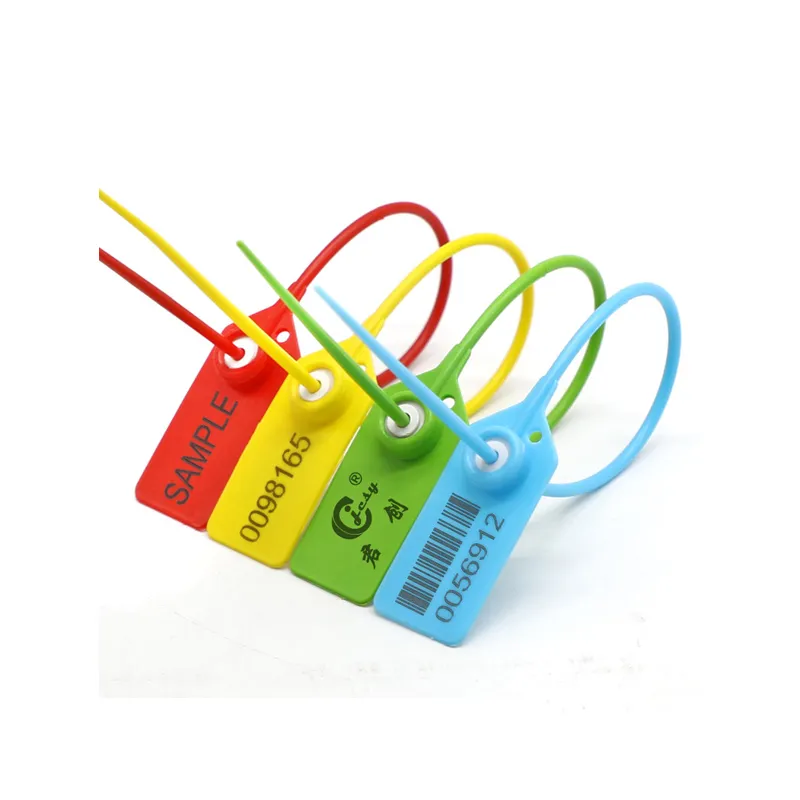
Quality inspection for security seals takes a multi-faceted approach. Visual inspection criteria cover physical damage, molding inconsistencies, and printing errors. Functional testing confirms the locking mechanism engages correctly and can’t be bypassed without leaving clear tamper evidence. Serial number verification handles traceability, making sure each seal has a unique, readable identifier. Material integrity checks confirm resistance to environmental factors and physical stress.
| Seal Type | Visual Inspection Criteria | Functional Testing | Serial Number Verification |
|---|---|---|---|
| Plastic Seals | Color consistency, legible printing, no cracks/deformities | Proper locking, resistance to manual pulling | Legibility, uniqueness |
| Bolt Seals | No bending, clear markings, intact barrel & pin | Secure locking, resistance to impact/cutting | Legibility, uniqueness |
| Cable Seals | No fraying, proper cable insertion, clear crimping | Cable cannot be retracted, resistance to cutting | Legibility, uniqueness |
| Meter Seals | Intact housing, clear indicator window, no adhesive marks | Proper rotation/locking, tamper-evident features | Legibility, uniqueness |
Robust Testing and Validation Procedures
Visual inspections only go so far. Robust testing and validation procedures fill in the gaps for ensuring seal reliability. Various methods assess seal authentication and tamper resistance, including stress tests that evaluate material integrity under different conditions and simulate real-world challenges. Validation processes confirm seals meet performance specifications and regulatory requirements. This systematic approach guarantees consistent, dependable protection. Regular calibration of testing equipment keeps assessments accurate and consistent.
Industry Standards and Regulatory Compliance
Meeting industry standards and regulatory requirements isn’t optional for security seals. Standards like ISO 17712 High Security Seal matter for high-security applications, particularly in international shipping and customs. Relevant seals need to meet these stringent requirements, providing verifiable proof of tamper resistance and traceability. Following C-TPAT security seals guidelines adds another layer to supply chain security standards and reduces risks in global logistics. Commitment to these standards means products get recognized and trusted worldwide.
What industry standards govern security seal quality and testing?
Several industry standards shape security seal quality and testing. ISO 17712 stands out as the most prominent, specifying requirements for mechanical seals used in freight containers. This standard classifies seals into “Indicative,” “Security,” and “High Security” categories, with specific testing protocols for each. C-TPAT (Customs-Trade Partnership Against Terrorism) also mandates strict security requirements for seals used in international trade. These ISO standards for seals and customs security requirements create global consistency and reliability.
Documentation and Continuous Improvement Practices
Solid inspection record keeping and quality control documentation hold standards in place. Recording all inspection results, test data, and detected non-conformities creates a comprehensive audit trail for accountability and regulatory compliance. Regular analysis of this data drives continuous improvement in seal processes, refining designs and manufacturing techniques over time. Building continuous improvement into the culture enhances logistics security and keeps seals at the front of protection technology. This ongoing refinement reflects a commitment to product excellence.
Strengthen Your Supply Chain Security with Junchuang Lock Industrial Co., Ltd.
Protect your valuable assets with confidence. At Shandong Junchuang Lock Industrial Co., Ltd., we design, develop, and manufacture a full range of high-quality security seals, including lead seals, Plastic Seals, Cable Seals, Meter Seals, Metal Strap Seals, and Bolt Seals. Rigorous quality control means every seal meets the highest industry standards for tamper evidence and security. Work with us to strengthen your logistics and protect your investments. Reach out to discuss your specific security sealing requirements and find custom solutions for your operational needs. Mobile: +86 13853189290 | Email: [email protected] | Whatsapp: +86 13853189290
Frequently Asked Questions About Security Seal Quality Inspection
Why is a detailed quality inspection checklist significant for security seals?
A detailed quality inspection checklist for security seals brings consistency to security protocols, verifies tamper evidence features, and maintains supply chain integrity. It catches defects early, prevents unauthorized access, and meets international regulatory standards, protecting valuable goods and reducing risks.
How does the inspection process differ for high security bolt seals versus plastic seals?
Inspection for Bolt Seals and Plastic Seals differs based on their design and intended use. Bolt seals, often ISO 17712 compliant, need rigorous checks for material integrity, locking mechanism functionality, and unique serial number verification. Plastic seals also require serial number and tamper evidence checks but focus more on visual integrity, proper locking, and resistance to basic tampering attempts, given their lighter security rating. Both need careful attention to seal authentication.
What role does regulatory compliance play in security seal quality inspection?
Regulatory compliance shapes security seal quality inspection in significant ways. Standards like ISO 17712 for high security seals set specific testing and manufacturing requirements. Meeting these standards ensures seals hit international benchmarks for tamper resistance and traceability, which matters for customs clearance, insurance, and overall supply chain security. Falling short can mean penalties, delays, and compromised logistics security.