
Picking the right security seals matters more than most people realize when you’re trying to protect cargo moving across borders. ISO 17712 certification sits at the center of this decision, and getting it wrong can mean stolen goods, compliance headaches, or both. This piece walks through what actually matters when evaluating seal manufacturers, from verifying their certifications to understanding what separates a reliable supplier from one that just looks good on paper.
Why ISO 17712 Compliance Shapes Modern Supply Chain Protection
Global trade depends on seals that actually work. ISO 17712 compliance functions as a frontline defense against cargo theft and unauthorized container access. high security bolt seals certified to this standard play a central role in protecting shipments. Meeting ISO 17712 requirements means seals have been tested against international benchmarks for physical strength and tamper-evidence. Customs authorities and trade programs like C-TPAT often require this certification, which smooths out international logistics considerably. Working with certified manufacturers reduces financial exposure and strengthens the overall integrity of shipping operations.
What ISO 17712 Actually Requires From High Security Seals
The ISO 17712 standard lays out specific requirements for mechanical seals used on freight containers. It sorts seals into categories based on their physical strength and how clearly they show tampering attempts. The framework includes testing protocols that verify seals can withstand various attack methods. When a manufacturer holds this certification, they’ve demonstrated a real commitment to producing security solutions that perform under pressure.
Breaking Down the Testing Criteria
ISO 17712 puts high security seals through mechanical testing that measures their resistance to tensile, shear, and impact forces. Seals need to show enough strength to discourage opportunistic tampering and block unauthorized entry. The standard also demands that any tampering attempt leaves obvious evidence.
| Testing Criteria | Description | Minimum Requirement (approx.) |
|---|---|---|
| Tensile Strength | Resistance to pulling forces | 1000 kg (2200 lbs) |
| Shear Strength | Resistance to cutting forces | 300 kg (660 lbs) |
| Impact Resistance | Resistance to sudden blows or impacts | No breakage under specified impact |
| Tamper Evidence | Clear indication of attempted manipulation | Visual distortion/breakage |
Checking Whether a Manufacturer’s Certification Is Real
Verifying that an ISO 17712 certified seal manufacturer is legitimate protects your entire supply chain. Companies need to do their homework before trusting a manufacturer’s claims. This means examining documentation, seeking out third-party audit reports, and gauging industry reputation. Shandong Junchuang Lock Industrial Co., Ltd. makes all certification documentation for its ISO 17712 products available for review.
Steps to Confirm Manufacturer Authenticity
Start by requesting official ISO 17712 certification documents directly from the manufacturer. Check these against records from independent testing laboratories or certification bodies. Look for evidence that the manufacturer undergoes regular third-party audits and maintains a documented quality management system. Customer testimonials and industry recognition provide additional signals about whether a manufacturer delivers on their promises.
For applications involving utility and measurement equipment, reliable sealing solutions become particularly important. Meter Lead Seals: Essential Security for Utility and Measurement Devices
How the 2010 and 2013 ISO 17712 Revisions Differ
The ISO 17712 standard has been updated to address new security threats as they emerge. Knowing the differences between versions matters for staying compliant. The most significant changes came between the 2010 and 2013 editions, which tightened requirements around tamper evidence.
Comparing the Two Versions
The 2013 revision raised the bar for tamper evident features. It specified that seals must show clear evidence of tampering even after someone attempts to reseal them. This update addressed weaknesses in earlier versions and made freight security seals more dependable.
| Feature | ISO 17712:2010 | ISO 17712:2013 |
|---|---|---|
| Tamper Evidence | General requirement for tamper indication | Specific requirements for clear and irreversible tamper evidence |
| Testing Protocols | Standardized mechanical tests | Enhanced testing protocols, including evidence of tampering |
| Seal Classification | Primarily based on strength (e.g., High Security) | Maintained strength classification with added tamper-evidence focus |
Looking Past Certification at What Manufacturers Can Actually Do
ISO 17712 certification tells part of the story, but evaluating a manufacturer’s broader capabilities determines whether a partnership will work long-term. Consider their product range, including cable seal and meter seal options, along with their capacity for custom security seals. How a manufacturer approaches innovation and customer support says a lot about their reliability over time. Shandong Junchuang Lock Industrial Co., Ltd. produces a full range of security sealing products.
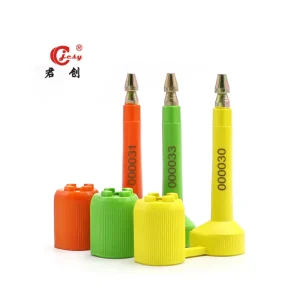
Production capacity and quality control processes deserve close attention. Manufacturers holding ISO 9001 certification have demonstrated a functioning quality management system. Their ability to maintain consistent quality while meeting your order volumes matters. Strong manufacturers also provide technical support and guidance on how to apply seals correctly.
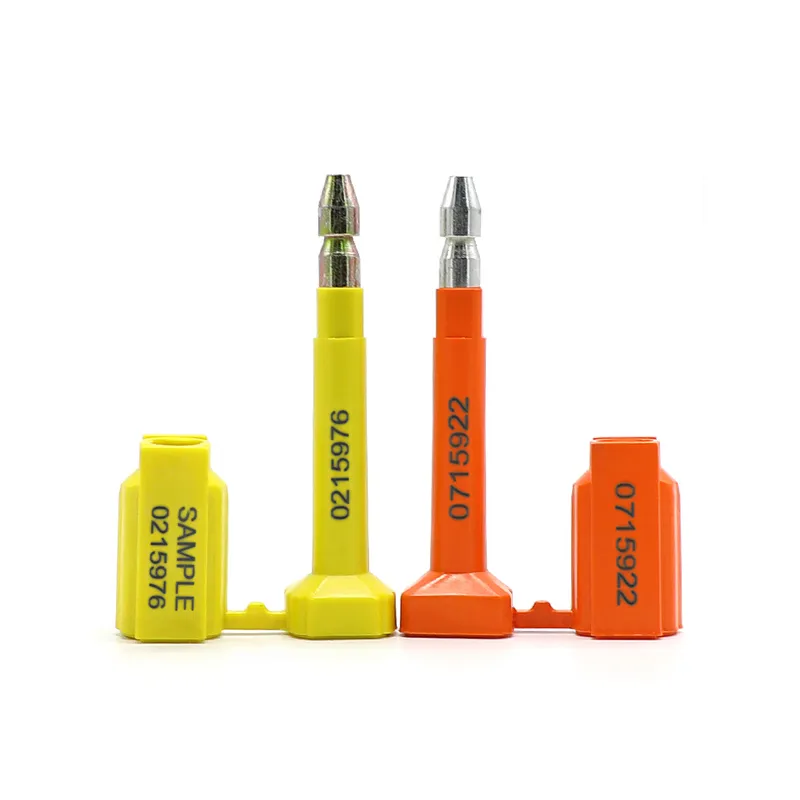
Supply chain performance and lead times factor into the equation as well. Getting security seals delivered on schedule keeps operations running smoothly. Manufacturers who can adapt to changing requirements and offer flexible solutions prove more valuable as partners. A track record of reliability and responsiveness separates the best suppliers from the rest.
A Practical Approach to Selecting the Right Manufacturer
Choosing an ISO 17712 certified seal manufacturer strategically strengthens your position in global trade. The process works best when you match a manufacturer’s capabilities to your specific operational requirements. Running through a comprehensive checklist ensures nothing critical gets overlooked.
- Verify ISO 17712 Certification: Confirm current and valid certification for all relevant seal types.
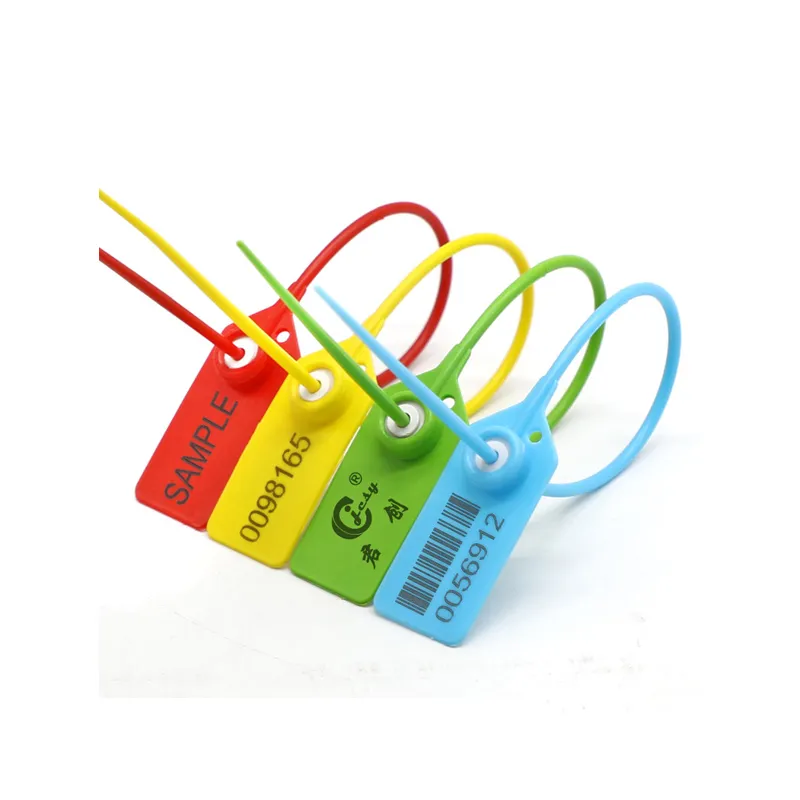
- Assess Product Range: Ensure the manufacturer offers the specific types of seals required, such as plastic seals or metal strap seal.
- Evaluate Customization Options: Determine if they can provide tailored solutions for unique security challenges.
- Review Quality Control: Inquire about their internal quality assurance processes and certifications.
- Check Industry Reputation: Research their market standing, customer feedback, and longevity in the industry.
- Consider Technical Support: Ensure they offer expert guidance on seal selection, application, and compliance.
- Analyze Lead Times and Logistics: Confirm their ability to meet your delivery schedules and supply chain demands.
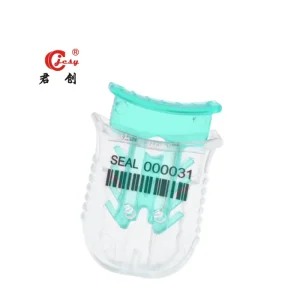
Following these steps leads to selecting a high security seal supplier that genuinely improves supply chain risk management. This approach closes vulnerabilities and builds stronger global trade security.
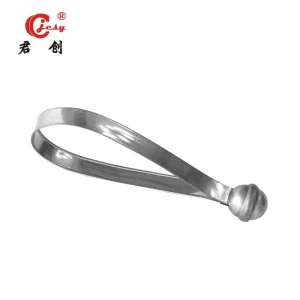
Partner with a Proven Leader in ISO 17712 Certified Security Seals
Ensure the highest level of supply chain integrity and compliance with Shandong Junchuang Lock Industry Co., Ltd. As a professional manufacturer integrating design, development, production, and sales of various ISO 17712 certified lead seals, plastic seals, cable seal, meter seal, metal strap seal, and high security bolt seals, we provide robust, reliable solutions tailored to your unique security needs. Contact us today for expert consultation and to explore our comprehensive range of security sealing products. Mobile: +86 13853189290 | Email: [email protected] | Whatsapp: +86 13853189290
Frequently Asked Questions About ISO 17712 Certified Seals
Why is ISO 17712 certification crucial for international shipping and logistics?
ISO 17712 certification matters for international shipping because it standardizes the strength and tamper-evidence of security seals, particularly high security bolt seals. This means seals meet rigorous international benchmarks, cutting the risk of unauthorized access, theft, and tampering during transit. Customs authorities and trade programs like C-TPAT often require compliance with this standard, which makes global trade flow more smoothly and strengthens supply chain security overall.
What are the common types of ISO 17712 certified high security seals?
The most common ISO 17712 certified high security seals include bolt seals, cable seals, and sometimes barrier seals. Bolt seals see wide use for container security because of their solid construction and high breaking strength. Cable seals offer more flexibility while still meeting strength requirements, making them suitable for various applications. These seals show clear evidence when someone attempts tampering, which is critical for protecting valuable cargo.
How can I ensure my chosen ISO 17712 certified seal manufacturer maintains consistent quality?
Look for evidence of continuous quality control processes, such as ISO 9001 certification, regular third-party audits, and a transparent manufacturing process. Reputable manufacturers like Shandong Junchuang Lock Industry Co., Ltd. provide documentation covering their testing procedures, material sourcing, and production quality checks. Ask about their track record, gather customer testimonials, and verify their commitment to staying current with ISO 17712 standards. This due diligence helps guarantee you’re getting reliable high security seals.