
Meter Seal Quality Inspection: Protecting Revenue Through Rigorous Standards
Getting meter seal quality right isn’t just about checking boxes on an inspection form. Every seal that leaves our facility at Shandong Junchuang Lock Industrial Co., Ltd. carries a straightforward promise: it will hold up under real-world conditions and show clear evidence if anyone tries to compromise it. That’s the foundation of what we do, and it shapes every decision from material selection through final testing. The stakes are real. Utility companies lose significant revenue when seals fail or get bypassed, and logistics operators face similar exposure when cargo security breaks down. This guide walks through what actually matters in meter seal quality inspection, from the technical principles that drive seal performance to the specific testing protocols that separate reliable seals from vulnerable ones.
Why Seal Integrity Directly Affects Your Bottom Line
A meter seal does one job: it proves that no unauthorized access has occurred since installation. When that job fails, the consequences cascade quickly. Utility providers face revenue leakage from tampered meters. Shipping companies deal with cargo theft claims. Regulatory bodies impose penalties for compliance failures.
The connection between seal quality and financial outcomes is direct. A seal with weak material properties might pass initial inspection but degrade within months under UV exposure. A poorly designed locking mechanism might resist casual tampering but yield to basic tools. These aren’t theoretical concerns. They’re the failure modes we’ve engineered our products to prevent.
| Seal Type | Primary Security Features | Typical Applications |
|---|---|---|
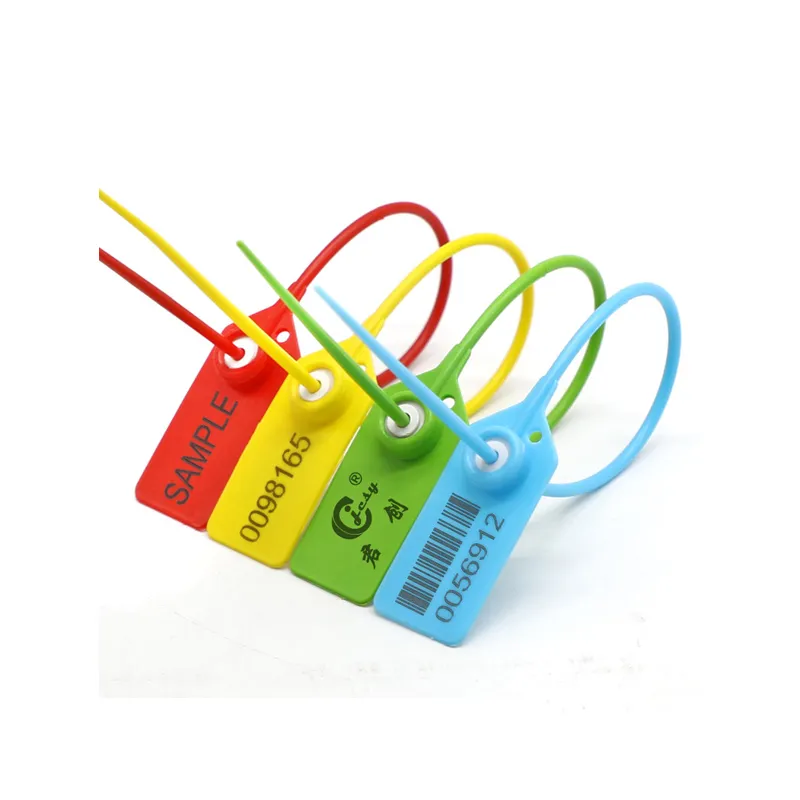
| Plastic Seals | Unique serial numbers, tamper-evident design | Utility meters, airline catering, drums |
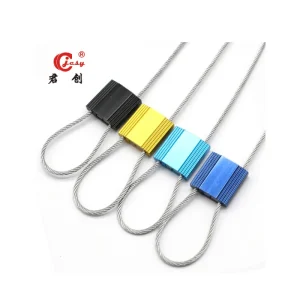
| Cable Seals | High-strength cable, non-preforming wire | Shipping containers, truck doors, railcars |
| Bolt Seals | Heavy-duty steel bolt, anti-spin features | Intermodal containers, high-value shipments |
| Metal Strap Seal | Embossed numbering, single-use locking | Utility meters, fuel drums, cash bags |
| Padlock Seals | Durable plastic or metal, unique keys/codes | Lockers, storage units, small enclosures |
Detecting and Preventing Tampering Before It Happens
Tamper detection starts with understanding how people actually try to defeat seals. We’ve studied the methods, from crude force to sophisticated manipulation techniques, and built our inspection protocols around that knowledge.
Visual inspection comes first. Trained inspectors look for subtle signs: tool marks around locking mechanisms, discoloration suggesting heat application, or micro-fractures in plastic components. These indicators often reveal tampering attempts that might otherwise go unnoticed.
Functional testing follows. We subject seals to simulated tampering scenarios, applying the same techniques that bad actors use in the field. A meter seal that survives these tests has demonstrated real-world resistance, not just laboratory performance.
Traceability closes the loop. Every seal carries a unique identifier, whether serial number, barcode, or both. This creates an unbroken chain of custody from manufacture through installation, making it possible to investigate any suspected compromise.
Where Meter Seals Typically Fail
Understanding failure modes helps explain why certain inspection procedures matter. Material degradation tops the list. Seals exposed to harsh conditions, whether UV radiation in outdoor installations, temperature swings in uncontrolled environments, or chemical exposure in industrial settings, can lose structural integrity over time. A seal that tested fine at installation might become brittle and easily defeated after six months of sun exposure.
Design vulnerabilities present another category. Some locking mechanisms look secure but have exploitable weaknesses. Others lack sufficient tamper evidence, meaning they can be defeated without leaving obvious signs. Our defect identification process specifically targets these issues through material quality testing and durability assessment.
Installation errors round out the common failure points. Even well-designed seals can be rendered ineffective by improper application. This is why we provide detailed installation guidance and recommend verification checks after deployment.
Material Selection Determines Long-Term Performance
The materials in a meter seal determine how it will perform over its service life. This isn’t about choosing the cheapest option that meets minimum specifications. It’s about matching material properties to actual operating conditions.
Different environments demand different material characteristics. A seal installed on an outdoor meter in Arizona faces different stresses than one used on a shipping container crossing the North Atlantic. UV stability matters in one case. Salt spray resistance matters in the other. Temperature cycling affects both, but in different ways.
We test materials against these specific stressors. Polypropylene works well for indoor applications where UV exposure is limited, but it needs stabilization additives for outdoor use. Polycarbonate offers better impact resistance but has its own limitations. Steel provides strength for high-security applications but requires appropriate coatings to prevent corrosion.
| Material Property | Environmental Resistance | Typical Seal Application |
|---|---|---|
| Polypropylene (PP) | Moderate UV, good chemical | Plastic Seal for indoor meters |
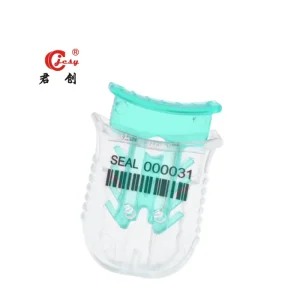
| Polycarbonate (PC) | High impact, moderate UV | Transparent meter seals |
| Nylon | High tensile strength, abrasion | Cable Seal coatings |
| Steel | High strength, corrosion-resistant | Bolt Seals and Metal Strap Seal |
| Lead | Malleable, tamper-evident | Traditional Lead Meter Seal |
Building Quality Control Into Every Production Stage
Quality control isn’t a final checkpoint. It’s a continuous process that runs through every stage of meter seal production. We’ve structured our procedures to catch problems early, when they’re easiest and cheapest to address.
Pre-production checks verify incoming materials. Raw material batches undergo testing for composition, mechanical properties, and consistency. A batch that doesn’t meet specifications gets rejected before it enters production.
In-production monitoring catches process variations. Dimensional checks, visual inspections, and functional tests occur at defined intervals throughout manufacturing. This prevents defective seals from accumulating and ensures problems get corrected quickly.
Post-production testing provides final verification. Samples from each production lot undergo comprehensive evaluation, including tensile strength testing, tamper resistance assessment, and environmental exposure simulation. Only lots that pass these tests ship to customers.
Setting the Right Inspection Frequency
How often should meter seals be inspected after installation? The honest answer is that it depends on your specific situation. High-value applications warrant more frequent checks. Harsh environments accelerate degradation and justify closer monitoring. Historical data on tampering attempts in your area should influence your schedule.
As a starting point, inspect seals upon installation to verify proper application. Follow up with periodic visual checks during routine operations, whether that’s monthly meter reading or quarterly maintenance visits. Document what you find. Patterns in your inspection data will help you refine the schedule over time.
For critical applications, consider more intensive protocols. Some customers implement random sampling programs, pulling installed seals for laboratory analysis to track degradation rates. Others use automated monitoring systems that flag anomalies for investigation.
We recommend exploring our insights on meter lead seals and their essential role in securing utility and measurement devices. 《Meter Lead Seals: Essential Security for Utility and Measurement Devices》
Meeting Compliance Requirements and Certification Standards
Regulatory compliance isn’t optional in most meter seal applications. Utility regulators, transportation authorities, and industry bodies all impose requirements that seals must meet. Understanding these standards helps you select appropriate products and document your compliance efforts.
Relevant International Standards for Meter Seal Quality
ISO 17712 provides the most widely recognized framework for high-security seals. Originally developed for freight container security, its principles apply broadly to meter seal quality. The standard specifies classification criteria, testing methodologies, and performance thresholds that distinguish security levels.
Beyond ISO 17712, various national and regional regulations apply depending on your industry and location. Utility metering often falls under jurisdiction-specific rules that dictate seal types, inspection requirements, and documentation practices. Transportation applications may involve customs regulations, carrier requirements, or shipper specifications.
We design our products to meet or exceed applicable standards. Certification documentation is available for customers who need to demonstrate compliance to regulators or auditors.
Common Questions About Meter Seal Quality
What does a meter seal quality inspection actually accomplish?
A meter seal quality inspection verifies that seals meet their intended security function. Inspectors check material integrity to confirm the seal hasn’t degraded. They evaluate tamper-evident features to ensure any compromise attempt would be visible. They test locking mechanisms to verify they resist defeat. The goal is confirming that each seal will perform reliably in its intended environment.
What methods verify that a meter seal resists tampering?
Testing tamper resistance combines multiple approaches. Visual examination looks for design vulnerabilities and manufacturing defects. Mechanical testing applies force to locking mechanisms and structural components. Some protocols include simulated tampering attempts using common tools. Environmental testing exposes seals to temperature extremes, UV radiation, or chemical agents to verify they maintain integrity under stress.
What defects show up most often in meter seal inspections?
Material inconsistencies appear frequently, including cracks, voids, or contamination in plastic components. Locking mechanism problems range from incomplete engagement to excessive looseness. Marking defects affect traceability, whether unclear printing, incorrect sequences, or damaged barcodes. Environmental degradation shows up as brittleness, discoloration, or surface deterioration. Each defect type has different implications for seal security.
Work With Junchuang on Your Meter Seal Requirements
Shandong Junchuang Lock Industrial Co., Ltd. manufactures meter seals that meet rigorous quality standards. Our testing protocols verify performance before products ship. Our material selection process matches seal properties to application requirements. Contact us at +86 13853189290 or [email protected] to discuss your specific security sealing needs.