
Cash transport security seals fail when buyers treat every sealing point as the same problem. An ATM cassette needs a numbered, one-time pull-tight or padlock seal that breaks visibly, while a cash-in-transit bag may need an adjustable cable or metal strap seal that survives handling without snapping. In fifteen years of manufacturing seals for cash handling operations, I have learned that the biggest risk is not deliberate attack but sloppy installation and weak audit habits. This guide explains how to match seal type to each cash handling point, which tamper evidence failures get missed, and what to check before ordering.
What Makes a Good Cash Transport Security Seal?
A useful cash transport security seal does three jobs: it shows an unbroken identity, it leaves clear evidence when removed, and it fits the handling conditions of the route. For ATM cassettes, the seal usually has to be installed quickly and checked against a manifest at every handoff. For CIT bags, the seal has to survive movement, stacking, and occasional impact without opening on its own.
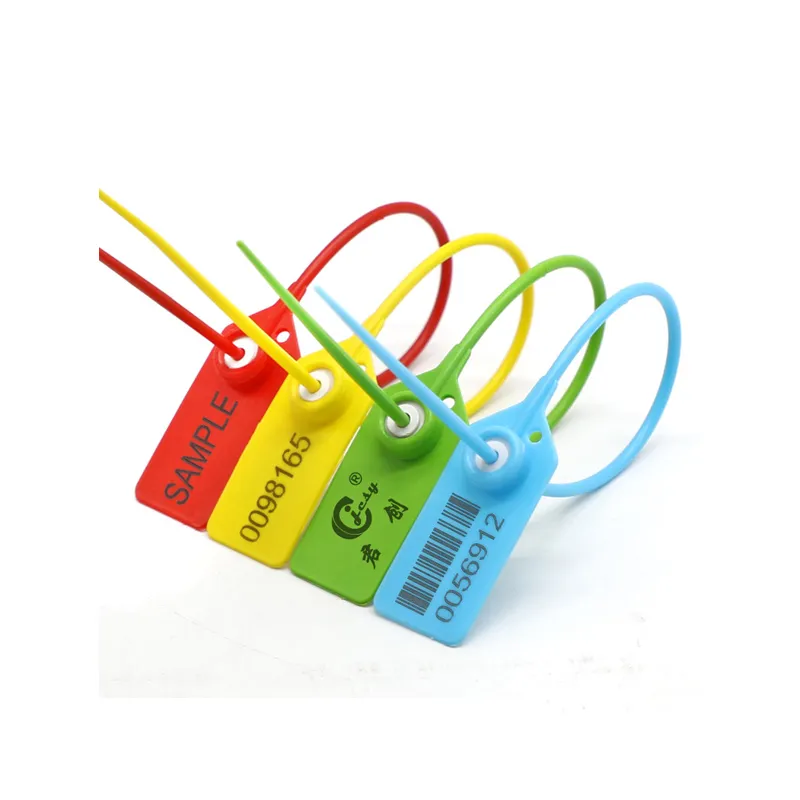
The most underrated feature is serial clarity. A number that smears after a week in a cash room creates the same audit problem as a missing seal. We use a contrasting surface on numbered plastic seals so the serial stays readable under indoor lighting and after normal abrasion. One-time locking is the second requirement. If a seal can be opened and closed without destroying the tail or locking insert, it loses evidentiary value.
| Application point | Common seal choice | What the seal must do |
|---|---|---|
| ATM cassette lid | Plastic padlock seal or pull-tight seal | Break visibly when opened and carry a matching serial number |
| CIT deposit bag | Plastic seal or metal strap seal | Hold under loading and stacking while showing cut attempts |
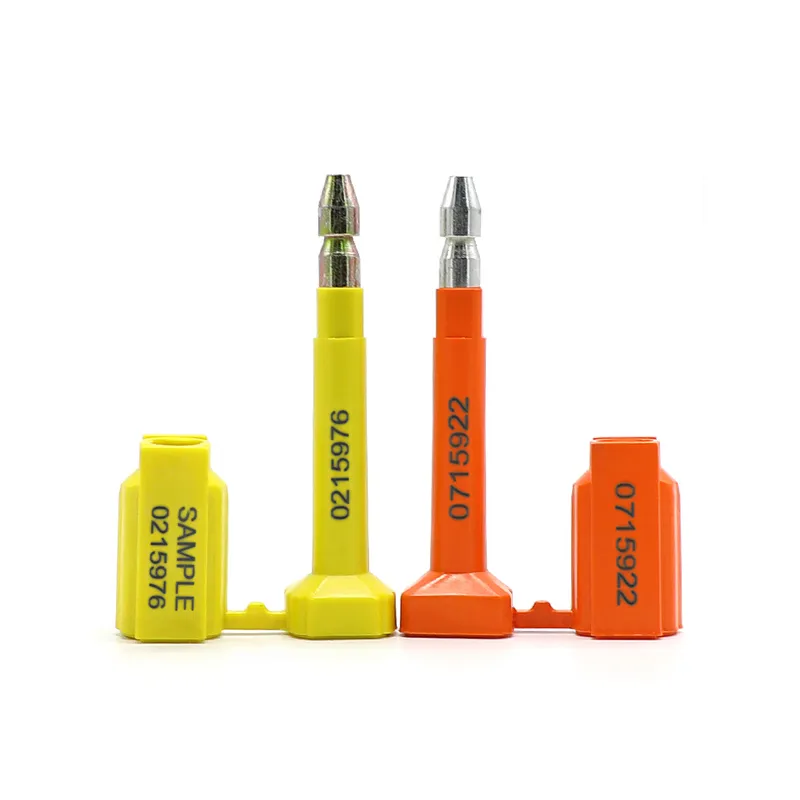
| Cash vault transfer cart | Cable seal or bolt seal | Resist quick entry and support shift-level logging |
| ATM replenishment envelope | Numbered plastic seal | Match the manifest number at each handoff |
| Coin bag or note bundle | Meter seal or small pull-tight | Provide light tamper evidence without affecting the bundle |
How Seal Requirements Change Across ATM and CIT Routes
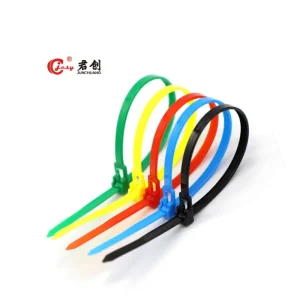
ATM cassette routes are short and controlled. The cassette moves from a secure room to a machine and back, often with a two-person check. In that setting, a lightweight numbered plastic seal is enough because forced entry would be obvious and the seal is not exposed to rough handling. CIT bag routes are different. Bags get thrown onto carts, stacked in vehicles, and handled by multiple couriers. The seal has to hold under that movement while still breaking cleanly when cut. A metal strap seal or an adjustable cable seal fits better in that environment.
Cash vault transfer doors and truck compartments may sit at a different level. If the opening is large enough to reach through or if the route crosses a longer time window, a high security seal tested to ISO 17712 barrier requirements becomes relevant. I recommend separating the application into at least three groups: cassette lids, deposit bags, and external doors. Buying one seal type for all three creates a situation where the seal is either too weak for the door or too heavy and costly for the cassette.
Which Tamper Evidence Failures Get Missed in Cash Handling?
The most common failure is a serial number that does not match the manifest. A seal can look intact while the number tells a different story, especially if the handler only checks for the presence of a seal. The second failure is a snapped tail that gets threaded back into the lock body. In our plant, we test the pull-out force of every batch before shipment because a weak tail turns a strong-looking seal into a reusable tie. I have seen the same issue in cash rooms: a courier pulls the tail too hard, the seal breaks at the insert, and the broken piece is pushed back so the cassette still appears sealed.
The third failure is replacement without documentation. If a seal is damaged and swapped, that event has to be recorded, signed, and tied to the manifest. Otherwise, every seal becomes impossible to audit. Cutting and gluing plastic seals is less common in cash handling than in other routes, but serial mismatch and undocumented replacement happen often enough that they deserve a written response plan.
If your cash operation covers both ATM cassettes and CIT bags, it is worth confirming pull-out force and serialization format before finalizing a purchase. Send your route details and seal quantities to [email protected] and we will confirm which seal type fits each point.
What to Verify Before Ordering Cash Transport Security Seals
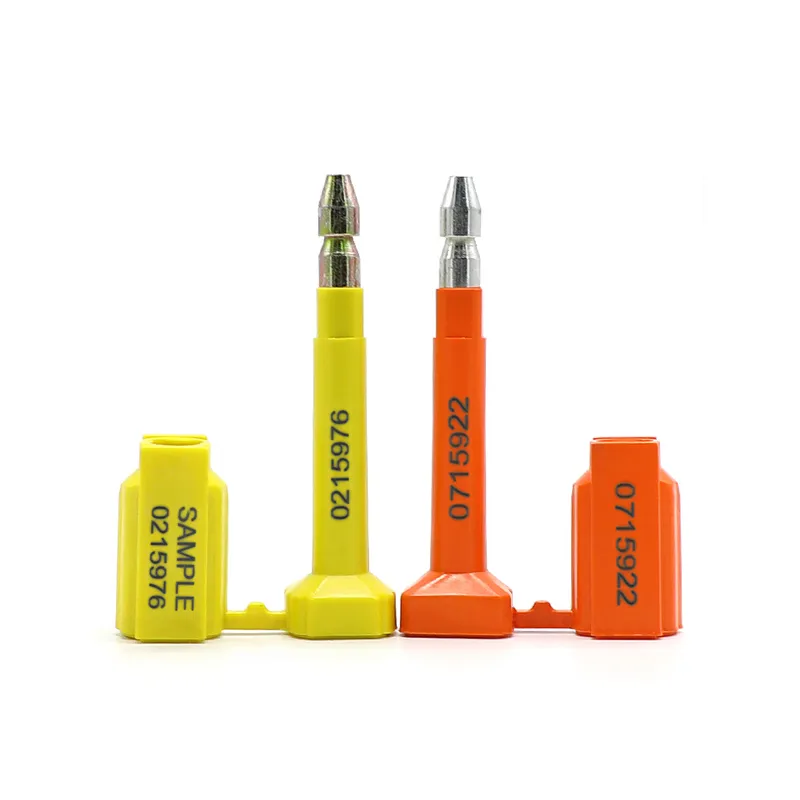
Start with material consistency. The plastic or metal should look the same across batches, because color shifts often point to recycled filler or a change in raw material that weakens the tail. Ask the factory to send batch samples and check the pull-out resistance yourself. Second, check serial number print clarity under low light, because cash rooms are not always brightly lit. Third, confirm the packaging. Seals for cash handling should arrive in clean, sorted bundles with no mixed serials. Finally, ask about mold condition. Dull molds create loose fits and inconsistent locking, which shows up as seals that pop open under light pressure.
At Shandong Junchuang Lock Industrial, we run in-house production for plastic, metal, and cable seals, so the same quality control system covers the raw material, the mold, the print, and the final pull test. That matters more than a low unit price when an ATM discrepancy triggers a full cash count.
How to Build a Repeatable Cash Seal Audit Routine
A workable routine has four parts. Record the seal number at the point of issue, not at the end of the shift. Have two people check the seal at every cassette handoff and sign the manifest. Store unused seals in a limited-access cabinet with a running count. When a seal is damaged, log the old number, the new number, the time, and the people involved before the route continues. These steps turn seals from a physical barrier into an evidence trail.
Procurement teams often tell me they will handle the routine once the right seals arrive, but the routine drives the seal choice. If the audit trail depends on a readable number, you need seals printed with high contrast. If the route depends on quick bag checks, you need seals that break cleanly without tools. We would rather map those requirements with you first than ship a generic order that passes no audit.
Send your application details, quantities, and any manifest format you use to [email protected] or WhatsApp +86 13853189290. We will confirm stock and recommend the numbered seal type for each cash handling point.
Common Questions About Cash Transport Security Seals
Are high security seals required for every ATM cash transfer?
No. For ATM cassette lids and deposit bags, a numbered one-time plastic or cable seal is usually the right level of evidence because the risk is tampering that leaves a trace, not a forced barrier attack. A high security seal tested to ISO 17712 makes sense when a truck door, vault transfer cage, or long-distance cash container is the sealing point. Match the seal to the opening and the attack time, not to the word “high security” on a catalog.
Can plastic security seals be reused in cash transport?
One of the most common wrong assumptions is that a plastic seal that still looks closed can be used again. It should not be. The locking insert is designed for one pull. If the tail can be pulled out and rethreaded without destroying the lock insert, the seal was either made with poor tolerance or it has been compromised. Reuse defeats the audit trail and invites exactly the kind of silent opening that a seal is meant to prevent.
What serial number format works best for ATM cassette audits?
It depends on how the manifest is checked. If the handler reads the number visually, a large high-contrast sequential number is enough. If the audit is electronic, a barcode or QR code next to the human-readable number reduces transcription errors. The key is that the number matches the manifest at every handoff. Deliberately mismatched numbers create more work than a missing seal because they look correct until someone traces the record back.
How many seals should a cash handling team keep on hand?
In cash operations we have observed that teams hold either too few seals and borrow from other routes, or too many and lose track of unused serial runs. Keep a buffer of about two weeks to one month per route, plus a separate emergency stock. More than a month of loose stock makes the running count harder to maintain. Share your monthly usage and route details with [email protected], and we will confirm a reorder point that keeps your serial runs clean.
If you’re interested, check out these related articles:
Disposable or Reusable Bolt Seals: Strategic Cargo Security – Junchuang Lock
Fixed Length vs Adjustable Seals: Choosing Optimal Security – Junchuang Lock
Custom Security Seal Manufacturing: A Comprehensive Industry Guide – Junchuang Lock
High Security Bolt Seals: Critical Applications for Supply Chain Integrity – Junchuang Lock
OEM and ODM Security Seal Manufacturing Explained for Industry Leaders – Junchuang Lock