
Supply chain security keeps me up at night sometimes. After years of working with cargo protection systems, I’ve watched the debate between disposable and reusable bolt seals evolve from a simple cost question into something far more nuanced. The right choice depends on your specific operation, and getting it wrong can mean compliance headaches, unnecessary expenses, or worse—compromised shipments. Shandong Junchuang Lock Industrial Co., Ltd. manufactures both types, and I’ve seen firsthand how the decision plays out differently across industries.
What ISO 17712 Actually Requires from High-Security Bolt Seals
High-security bolt seals serve as the frontline defense for shipping containers, trailers, and railcars. The ISO 17712 standard isn’t just bureaucratic paperwork—it defines exactly what a seal must withstand to earn the “high-security” classification. This matters enormously for international shipping and customs compliance, particularly for programs like C-TPAT.
The standard specifies physical strength requirements and mandates that seals show clear evidence if someone attempts tampering. A seal either passes these attack-resistance tests or it doesn’t. There’s no middle ground.
Shandong Junchuang Lock Industrial Co., Ltd. engineers high-security bolt seals specifically to meet ISO 17712 requirements. Each product undergoes rigorous testing before reaching customers. The locking mechanisms reflect years of refinement, designed to provide genuine security rather than just the appearance of it. When logistics managers need peace of mind about cargo integrity, certified compliance becomes non-negotiable.
Why Disposable Bolt Seals Dominate One-Way Shipments
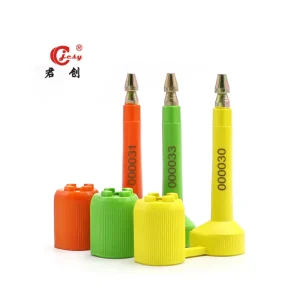
Disposable bolt seals work exactly as the name suggests—apply once, remove once, done. The tamper-evident features make them impossible to reapply without visible damage. This characteristic proves invaluable when you need undeniable proof that a seal remained intact throughout transit.
The economics favor disposable options for one-way shipments. Lower per-unit costs make sense when seals won’t return to you anyway. Customs authorities frequently require certified high-security bolt seals for export shipments, and disposable versions satisfy these regulatory demands cleanly.
Each seal carries unique serial numbering and barcoding, enabling precise tracking and forensic analysis if questions arise later. Removal typically requires specialized tools, adding another deterrent layer against unauthorized access. For short-term security needs across various cargo types, single-use seals deliver reliable protection without complexity.
What Separates Disposable from Reusable Bolt Seals
The fundamental difference comes down to lifecycle design and material choices. Disposable seals—typically steel pins with ABS plastic bodies—are engineered to break upon removal. That destruction IS the security feature.
Reusable bolt seals take the opposite approach. More durable materials and resettable locking mechanisms allow multiple applications. The installation process looks similar, but removal and re-application procedures differ substantially.
| Feature | Disposable Bolt Seals | Reusable Bolt Seals |
|---|---|---|
| Intended Use | Single-use, one-way shipments | Multiple uses, closed-loop systems |
| Tamper Evidence | Designed to show clear evidence upon removal/breakage | May have resettable locks, rely on tracking systems |
| Material | Steel pin with ABS plastic body | More durable metals, robust plastics |
| Cost | Lower initial unit cost | Higher initial unit cost, lower cost per use |
| Environmental | Contributes to waste | Reduces waste through reuse |
The Business Case for Reusable Bolt Seals
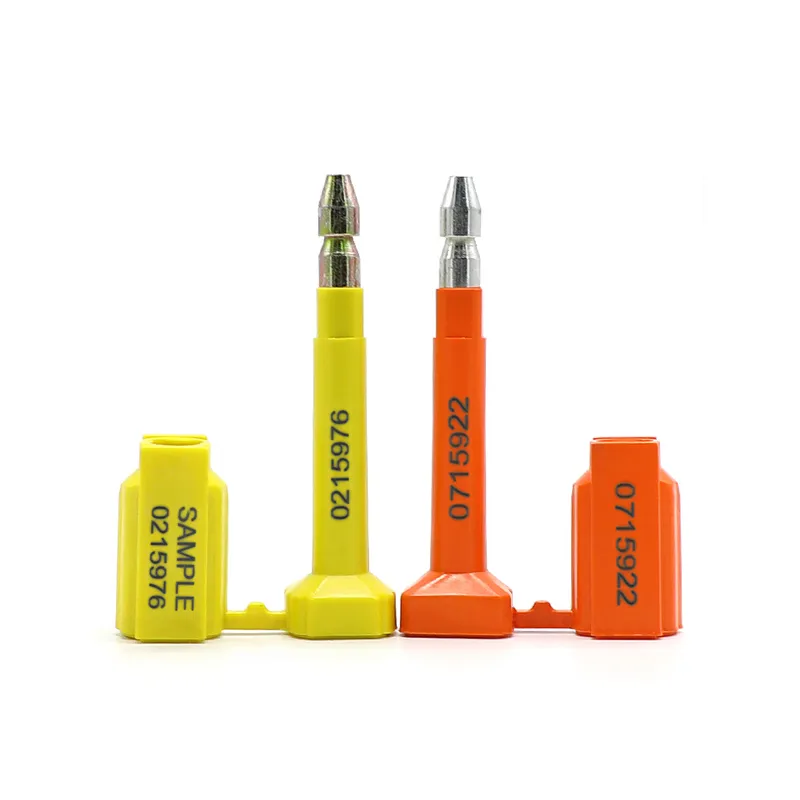
Closed-loop systems change the calculation entirely. When assets return to their origin point, reusable high-security bolt seals start making serious financial sense. These seals handle multiple application and removal cycles without compromising security.
The environmental argument has grown stronger recently. Minimizing single-use waste aligns with sustainability goals that many organizations now prioritize. Customers ask about it. Regulators notice it. Shareholders care about it.
Yes, the upfront investment runs higher. But spread that cost across dozens or hundreds of uses, and the per-cycle expense drops dramatically. Operational efficiency improves when you’re not constantly ordering replacement seals.
Managing reusable seals requires discipline, though. You need robust asset tracking, solid inventory control, and well-defined return logistics. Regular inspection and maintenance protocols ensure continued security performance. Shandong Junchuang emphasizes material durability and precision engineering specifically because these seals must perform reliably over extended periods.
Realistic Expectations for Reusable Seal Lifespan
Several factors influence how long a reusable bolt seal remains serviceable. Material quality matters most—high-grade construction can support hundreds of cycles. Usage frequency, handling practices, and storage conditions all play roles.
Regular inspection catches wear or damage before it compromises security. Proper handling extends operational life significantly. While initial costs run higher than disposable alternatives, the extended lifespan dramatically improves overall cost per use. The return on investment becomes clear once you track actual performance over time.
Matching Seal Type to Operational Reality
This decision deserves genuine strategic thinking, not just a quick cost comparison. Risk management, operational efficiency, and budget constraints all factor in.
Consider your typical shipping scenarios. What’s the cargo value? How do your logistics and transportation security requirements vary across different routes? International export shipments often mandate new, tamper-evident seals to satisfy customs regulations—disposable makes sense there. Internal transfers within controlled environments might benefit from reusable options.
A thorough supply chain risk assessment identifies vulnerabilities and helps determine appropriate security levels for different situations. Shandong Junchuang advises clients through this decision-making process, ensuring selected cargo security solutions match both operational demands and compliance requirements. The goal is optimal asset protection, not one-size-fits-all recommendations.
Comparing Security Levels Between Seal Types
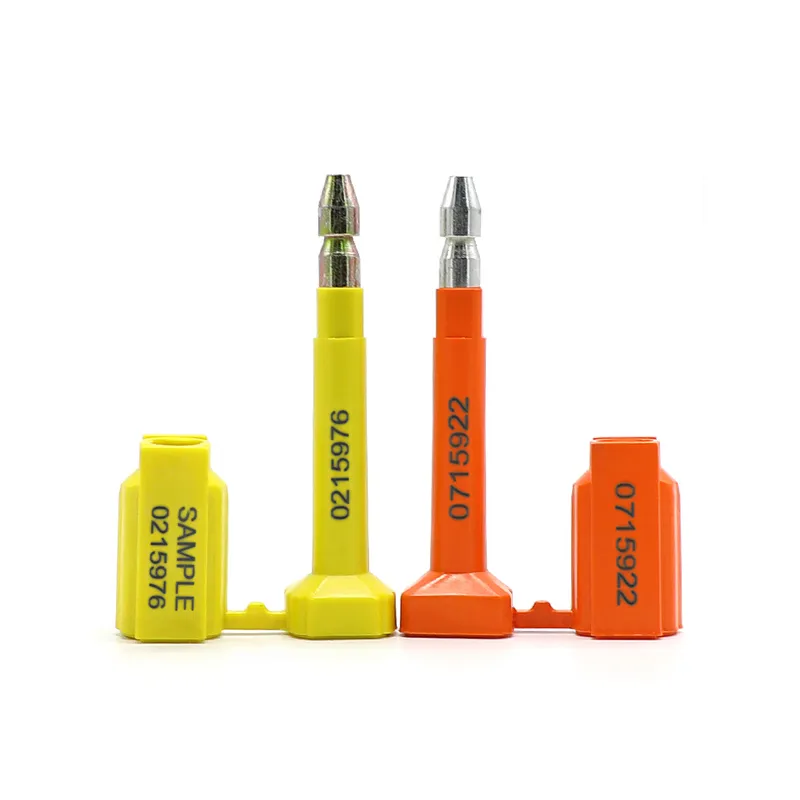
Both disposable and reusable bolt seals can achieve ISO 17712 high-security certification. The security difference lies more in how tamper evidence manifests than in actual protection levels.
Disposable seals break visibly upon any removal attempt, providing immediate forensic evidence. Reusable seals offer robust material strength and locking mechanism integrity, but may not show overt tampering signs if management protocols slip.
True security depends on seal design, proper application, and stringent auditing. The choice ultimately reflects your specific risk profile and how much tamper visibility each application requires.
Getting Installation and Removal Right
Seal management determines whether your cargo security actually works. Poor installation compromises security features regardless of how well-designed the seal is. Sloppy removal can cause damage that looks like tampering when it isn’t.
Clear auditing protocols matter enormously. Document serial numbers meticulously. Maintain inspection records. Train security personnel on correct handling, application, and inspection procedures. These aren’t optional extras—they’re fundamental to maintaining seal integrity throughout the supply chain.
Step-by-Step Bolt Seal Procedures
- Inspect: Check the bolt seal for pre-existing damage or tampering signs before installation.
- Align: Insert the bolt pin through the container or trailer’s locking mechanism, passing completely through both keepers.
- Engage: Push the barrel onto the pin until it clicks securely into place.
- Verify: Pull firmly on both ends to confirm proper engagement.
- Record: Document the unique serial number immediately after installation.
- Remove: Use heavy-duty bolt cutters to cut the bolt pin near the barrel.
- Inspect: Examine the removed seal for tampering evidence.
- Dispose/Return: Handle appropriately based on seal type.
Where High-Security Sealing Technology Is Heading
The industry isn’t standing still. Demands for greater supply chain visibility and enhanced security features drive continuous innovation.
Smart seals integrating IoT technology represent the most significant development. Digital tracking solutions offer real-time monitoring—seal status, location, environmental conditions—going far beyond traditional physical tamper evidence. Material science advances continue producing more robust and tamper-resistant options.
Environmental regulations increasingly influence seal design, pushing toward sustainable options and reduced waste. Shandong Junchuang actively researches and develops advanced sealing solutions to address these evolving challenges, aiming to deliver cutting-edge products that ensure strong asset protection while supporting more efficient global logistics networks.
Secure Your Supply Chain with Shandong Junchuang
Elevate your supply chain security with expert-designed solutions. Shandong Junchuang Lock Industrial Co., Ltd. specializes in a comprehensive range of high-security seals, including ISO 17712 compliant Bolt Seals. Contact our specialists today for a tailored consultation to determine the optimal disposable or reusable sealing strategy for your unique operational demands and ensure unparalleled asset protection. Mobile: +86 13853189290 | Email: [email protected] | Whatsapp: +86 13853189290
What makes a bolt seal ‘high-security’ according to ISO 17712 standards?
A ‘high-security’ ISO 17712 High Security Seal must meet stringent criteria for material strength, locking mechanism design, and tamper-evident features. Independent testing certifies resistance against various tampering forms and unauthorized removal attempts. Shandong Junchuang ensures its seals pass these rigorous tests, providing reliable cargo security for international shipping and customs compliance.
Can reusable bolt seals be customized for specific company branding or tracking?
Yes, reusable Bolt Seals can often be customized with company branding, logos, and specific numbering sequences through laser engraving or other marking techniques. This customization enhances asset tracking, improves inventory control, and reinforces brand identity within closed-loop logistics systems. Shandong Junchuang offers customization options to meet client requirements.
How does the environmental impact differ between disposable and reusable bolt seals?
Disposable bolt seals contribute to single-use waste, whereas reusable seals—when managed effectively within a return logistics system—significantly reduce material consumption and waste. While reusable seals have an initial manufacturing footprint, their extended lifespan offers a more sustainable option for companies prioritizing environmental responsibility.
What industries benefit most from high-security bolt seals?
high-security bolt seals prove crucial across industries requiring robust asset protection and tamper evidence. International shipping and logistics, customs and border control, oil and gas, chemicals, pharmaceuticals, and high-value retail all depend on preventing theft, counterfeiting, and unauthorized access. Shandong Junchuang’s seals serve these diverse industrial needs effectively.
How does Shandong Junchuang ensure the quality and compliance of its bolt seals?
Shandong Junchuang Lock Industrial Co., Ltd. ensures quality and compliance through an integrated process encompassing design, development, rigorous testing, and precision manufacturing. Strict adherence to international standards like ISO 17712, combined with advanced quality control measures and materials, delivers reliable high security bolt seals that meet global industry benchmarks.