
Bolt seals are one of those things you don’t think about until something goes wrong. A container arrives with a broken seal, and suddenly you’re dealing with insurance claims, cargo disputes, and a lot of uncomfortable questions. I’ve seen companies lose more money from poor seal management than from the theft itself — damaged seals that should have been caught before application, inventory gaps that nobody noticed until audit time, storage conditions that degraded materials months before anyone checked.
Getting this right isn’t complicated, but it does require attention to details that most logistics teams overlook.
Seal Management Failures Cost More Than Theft
Meticulous bolt seal management directly impacts overall security and compliance objectives. Compromised seals can lead to significant financial losses, cargo theft, and severe regulatory penalties. Adherence to standards like ISO 17712 and C-TPAT (Customs-Trade Partnership Against Terrorism) mandates robust security protocols. Failure to manage high-security bolt seals properly undermines these critical frameworks, increasing risk exposure.
Each seal acts as a physical deterrent and an undeniable indicator of tampering, safeguarding freight protection. Our experience at Shandong Junchuang Lock Industrial Co., Ltd, as manufacturers of high-security bolt seals, shows that effective management mitigates risks, prevents security breaches, and ensures container security throughout transit. This proactive approach is essential for loss prevention and maintaining trust within the logistics network.
(Infographic: ‘Impact of Compromised Seals on Supply Chain Security’)
Storage Conditions That Actually Preserve Seal Integrity
Optimizing bolt seal storage involves specific environmental controls and inventory strategies to maintain seal quality and extend their shelf life. Proper warehousing conditions prevent material degradation, ensuring seals remain effective until application. Secure storage areas with controlled climate conditions make a measurable difference.
Environmental Factors:
- Temperature: Maintain a stable temperature, ideally between 15°C and 25°C (59°F and 77°F). Extreme temperatures can affect plastic components and metal integrity.
- Humidity: Keep humidity levels low, preferably below 60%, to prevent corrosion of metal parts and degradation of plastic materials.
- Light Exposure: Store seals away from direct sunlight and strong artificial light. UV exposure can weaken plastic and fade unique numbering or barcoding.
- Cleanliness: Ensure the storage area is clean, dry, and free from dust and corrosive chemicals.
Inventory Strategies:
- Original Packaging: Always store high-security bolt seals in their original, unopened packaging until needed. This preserves packaging integrity and protects against environmental factors.
- First-In, First-Out (FIFO): Implement a strict FIFO system to ensure older stock is used before newer batches. This minimizes the risk of seals expiring or degrading in storage.
- Batch Tracking: Maintain detailed records for each batch of seals, including manufacturing date, receipt date, and expiration date. This ensures full traceability from production to application.
- Secure Access: Restrict access to the seal storage area to authorized personnel only. This prevents unauthorized removal and maintains the chain of custody.
- Regular Audits: Conduct periodic inventory audits to reconcile physical stock with records. This helps identify discrepancies and potential security vulnerabilities.
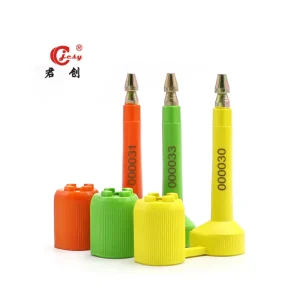
What is the typical shelf life of a high-security bolt seal?
The typical shelf life of a high-security bolt seal is generally 2-5 years when stored under ideal conditions. Factors like material degradation, UV exposure, and extreme temperatures can significantly shorten this duration. Our manufacturing processes at Shandong Junchuang Lock Industrial Co., Ltd focus on material integrity to maximize seal longevity. Managing seals nearing their expiration dates is critical — only effective seals should be deployed to maintain security and seal efficacy.
Application Techniques That Prevent Security Gaps
Proper handling and application techniques are paramount to maximizing the security provided by bolt seals. Incorrect application can compromise the seal’s integrity, rendering it ineffective.
Pre-Application Procedures:
- Personnel Training: Ensure all personnel handling and applying seals receive comprehensive training on proper handling and application techniques.
- Inspection: Before application, visually inspect each high-security bolt seal for any signs of damage, defects, or tampering. Reject any compromised seals.
- Record Unique Numbering: Record the unique numbering and barcoding of each seal before application. This is vital for tracking and chain of custody.
Application Steps:
- Verify Container Closure: Confirm that the container doors are fully closed and latched.
- Insert Pin: Insert the bolt seal pin through the designated holes on the container door and locking mechanism.
- Attach Barrel: Firmly push the barrel onto the pin until it clicks securely into place. Ensure a tight fit.
- Pull Test: Perform a gentle pull test on the seal to confirm it is fully locked and cannot be removed by hand.
- Document Application: Record the seal number, application date, time, and the identity of the person applying the seal. This creates an unbroken chain of custody.
Removal Procedures:
- Authorized Removal: Only authorized personnel should remove seals using appropriate bolt cutters.
- Document Removal: Record the seal number, removal date, time, and the identity of the person removing the seal.
- Retain for Inspection: Retain removed seals for a specified period for potential forensic analysis or audit trails.
- Dispose Securely: Destroy removed seals to prevent reuse and ensure fraud prevention.
(Flowchart: ‘Bolt Seal Application Process’)
Spotting Tampering Before It Becomes a Claim
Verifying seal integrity through inspection and tamper detection is a critical step in maintaining security. This process helps identify and document any attempts at tampering, reinforcing the security chain. Regular visual checks are the first line of defense against security breaches.
Inspection Protocols:
- Visual Examination: Conduct a thorough visual inspection of the applied high-security bolt seal upon receipt. Look for any physical damage, signs of manipulation, or inconsistencies.
- Numbering Verification: Match the unique numbering on the seal with the documentation. Any discrepancy indicates a potential issue.
- Material Integrity: Check for cracks, breaks, or unusual marks on the seal’s body. These could be evidence of tampering.
- Fit and Security: Ensure the seal is still tightly secured and cannot be easily removed without cutting tools.
- Comparison with Known Good Seals: Compare the inspected seal against a known good seal from the same batch to identify subtle alterations.
Tamper Detection Techniques:
- Tool Marks: Look for scratches, cuts, or deformation around the locking mechanism, indicating attempts to force or cut the seal.
- Altered Numbering: Scrutinize the unique numbering for signs of alteration, such as chemical erasure, re-stamping, or labels applied over original numbers.
- Material Discoloration: Observe any unusual discoloration or chemical residue, which might suggest attempts to dissolve or weaken the seal material.
- Bent Pins or Barrels: Check for bent pins or distorted barrels, indicating forceful entry attempts.
- Internal Mechanisms: For seals with visible internal components, look for signs of manipulation or breakage.
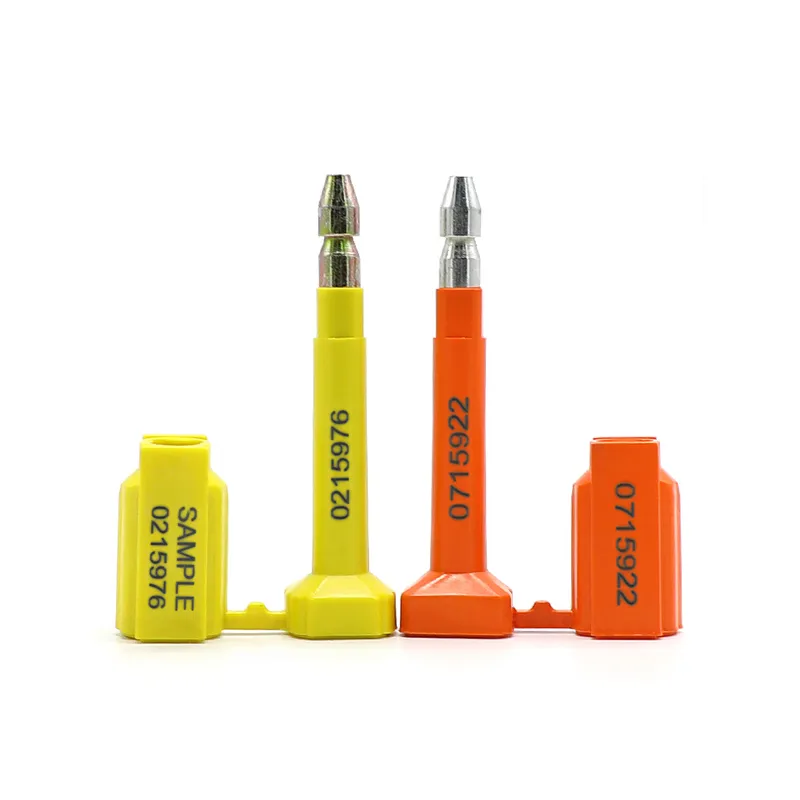
These forensic analysis techniques are essential for integrity verification and ensuring freight protection.
(Image Gallery: ‘Common Signs of Bolt Seal Tampering’)
How can I verify if a bolt seal has been tampered with?
To verify if a high-security bolt seal has been tampered with, conduct a detailed visual inspection. Look for tamper indicators such as bent pins, which suggest forced entry. Check the unique numbering for any signs of alteration, fading, or re-stamping. Examine the seal’s body for tool marks, scratches, or cuts, especially around the locking mechanism. Any unusual gaps, chemical residues, or material discoloration can also indicate a security breach. A thorough forensic examination helps confirm seal integrity.
Meeting ISO 17712 and C-TPAT Requirements
Compliance with international standards and robust quality assurance are non-negotiable for effective bolt seal management. Adherence to standards like ISO 17712 and C-TPAT compliance ensures that seals meet rigorous security requirements for international trade. Shandong Junchuang Lock Industrial Co., Ltd, as a professional manufacturer, integrates design, development, and production of high-security bolt seals, ensuring our products meet these stringent quality control measures.
Key Aspects of Compliance and Quality:
- ISO 17712 Certification: Prioritize seals certified to ISO 17712, the international standard for mechanical seals. This certification categorizes seals by strength and tamper-evidence.
- Supplier Selection: Choose reputable suppliers with a proven track record of quality and reliability. Verify their testing protocols and certification status.
- Material Integrity: Ensure high-security bolt seals are manufactured from durable materials resistant to common tampering methods and environmental factors.
- Consistent Manufacturing: Look for suppliers who demonstrate consistent manufacturing processes and strict internal quality checks.
- Audit Readiness: Implement internal procedures that facilitate audit readiness, demonstrating compliance with all relevant security standards.
- Documentation: Maintain comprehensive documentation for all seals, including specifications, test results, and certificates of conformity.
What is the ISO 17712 standard for bolt seals?
The ISO 17712 standard specifies requirements for mechanical freight container seals. It classifies seals into three categories based on their physical strength: “I” for Indicative, “S” for Security, and “H” for High Security. For international shipping regulations, especially for C-TPAT compliance, high security seal standards (“H” category) are often mandatory. This standard ensures seals provide robust tamper resistance and clear evidence of tampering, enhancing cargo security globally.
Enhance Your Supply Chain Security with Junchuang Lock Industrial
Ensure your supply chain security with industry-leading bolt seals from Shandong Junchuang Lock Industrial Co., Ltd. As professional manufacturers integrating design, development, and production of high-security bolt seals, plastic seals, cable seals, and more, we provide robust tamper-evident solutions meeting stringent international standards.
Contact our experts today for tailored security advice or to explore our range of reliable seals. Mobile: +86 13853189290 | Email: [email protected] | Whatsapp: +86 13853189290
Frequently Asked Questions About Bolt Seal Management
Why are high-security bolt seals preferred over other seal types?
High-security bolt seals are preferred due to their superior tamper resistance and robust design, meeting the stringent requirements of ISO 17712 “H” category. They provide enhanced container security and are often mandated for C-TPAT compliance in international shipping. Their strong construction makes them significantly harder to defeat without leaving clear evidence, offering reliable freight protection against theft and unauthorized access compared to less robust seal types.
How often should bolt seal inventory be audited?
Bolt seal inventory should be audited regularly, typically monthly or quarterly, depending on usage volume and security protocols. Regular checks ensure accurate batch tracking and seal traceability. This practice is crucial for loss prevention, identifying discrepancies, and maintaining strict security protocols. Frequent audits help in managing stock effectively and promptly detecting any unauthorized access or missing seals.
Can bolt seals be reused after removal?
No, high-security bolt seals are designed as single-use seals. Once removed, their tamper evidence features are activated, making them impossible to reuse without clear signs of compromise. Attempting to reuse a seal would undermine its security integrity and defeat its purpose of fraud prevention. Proper seal destruction after removal is essential to maintain the security chain and prevent any potential reusability.