
Securing cargo and assets comes down to one fundamental choice that trips up more procurement teams than you’d expect. The decision between fixed length and adjustable security seals seems straightforward until you’re standing in front of a container that doesn’t quite match your seal inventory. I’ve watched companies over-engineer their seal selection and others cut corners that cost them dearly in tamper incidents. The reality sits somewhere in the middle, where understanding what each seal type actually does well matters more than chasing the highest security rating on paper.
Fixed Length Security Seals Work Best When Consistency Matters
Fixed length seals do exactly what their name suggests. Once manufactured, the length stays constant, which eliminates any guesswork during application. The seal either fits the closure point or it doesn’t. This binary nature creates a clear advantage for standardized applications where every container door, every rail car latch, and every truck trailer uses identical hardware.
The engineering behind these seals prioritizes strength over adaptability. Most fixed length seals use steel components combined with high-impact ABS housings, creating a structure that resists cutting, pulling, and prying. When someone attempts to breach a properly applied fixed length seal, the damage becomes immediately obvious. The barrel cracks, the bolt shears, or the housing fractures in ways that cannot be concealed or reversed.
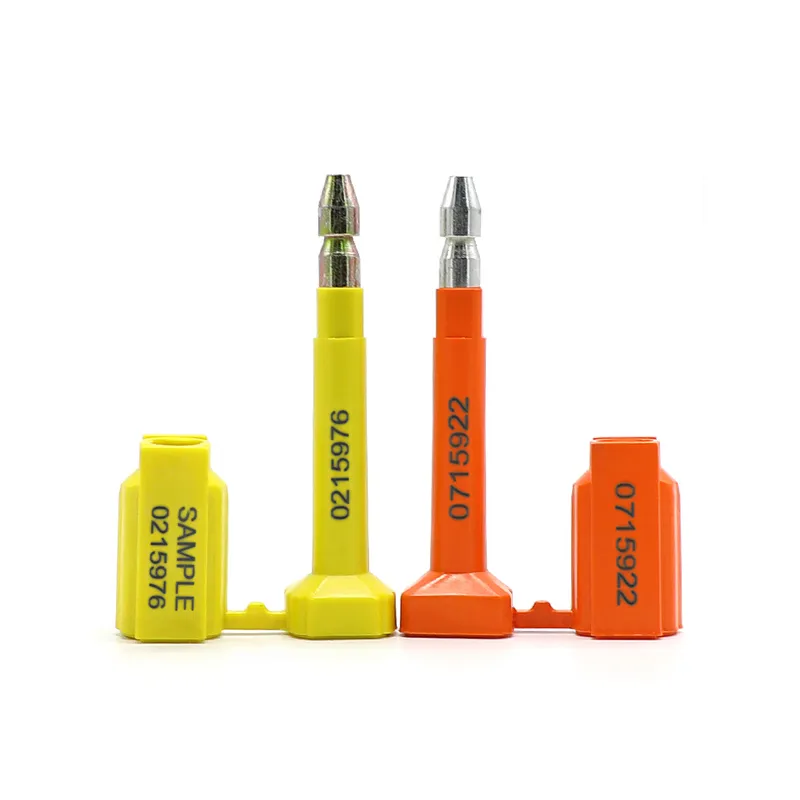
Shandong Junchuang Lock Industrial Co., Ltd manufactures bolt seals security and Metal Strap Seal products that meet ISO 17712 certification requirements. This certification matters because it establishes minimum thresholds for tensile strength and resistance to specific attack methods. A seal carrying this certification has been tested against standardized tampering attempts and passed.
The tamper-evident fixed seals design philosophy centers on making any interference visible. The materials and locking mechanisms work together so that partial attacks leave permanent evidence. This characteristic proves essential for maintaining chain of custody documentation, particularly when cargo changes hands multiple times during transit.
Where Fixed Length Seals Perform Best
Shipping container seals represent the most common application for fixed length designs. The standardized latch mechanisms on ISO containers create a perfect match for bolt seals with predetermined dimensions. Rail car security follows similar logic, where consistent door hardware across fleets allows procurement teams to stock a single seal type.
Customs seals frequently use fixed length configurations because border control agencies need predictable, verifiable security. When a customs inspector examines a seal, they need to know immediately whether it matches the documented specifications. Variable dimensions would complicate this verification process.
Asset protection seals on high-value cargo benefit from the rigidity of fixed length designs. The seal becomes part of the security documentation, with its specific length recorded alongside serial numbers and application timestamps.
| Seal Type | Primary Material | Security Level | Typical Applications |
|---|---|---|---|
| Bolt Seals | Steel, ABS | High Security (ISO 17712) | Shipping containers, rail cars, truck trailers |
| Metal Strap Seals | Tinplate Steel | Medium to High Security | Truck doors, rail cars, drums, storage units |
| Fixed Length Plastic | Polypropylene | General Purpose to Medium | Airline cargo, chemical drums, utility meters |
Adjustable Security Seals Solve the Variability Problem
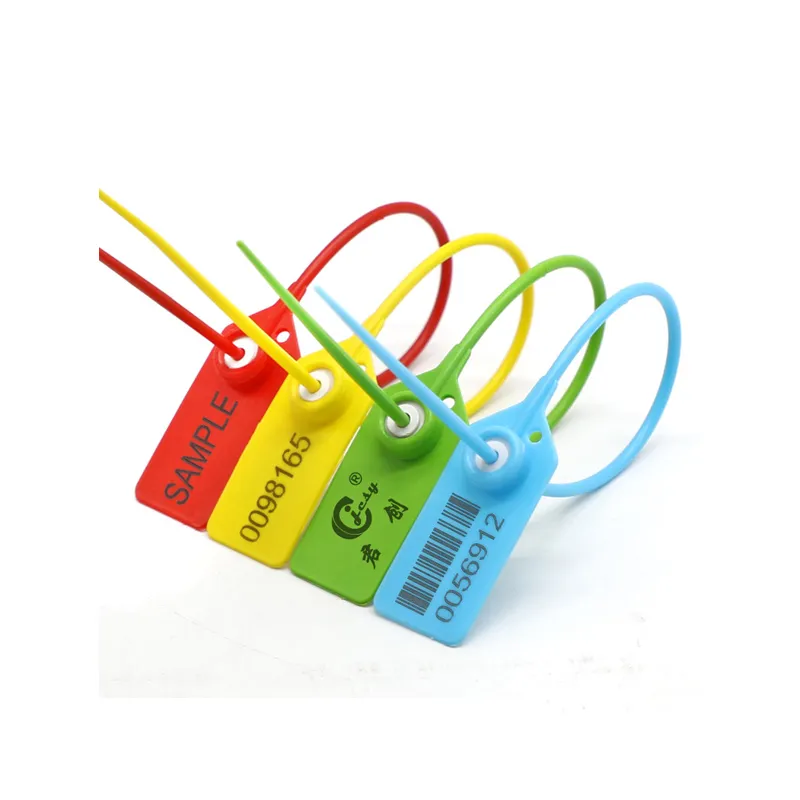
Not every sealing point comes in a standard size. Bags, drums, cages, and improvised closure points all present different loop requirements. Adjustable security seals address this reality by allowing the user to pull the seal tail through the locking mechanism until it fits snugly around whatever needs securing.
This flexibility reduces inventory complexity significantly. Instead of stocking multiple fixed length options to cover various applications, a single adjustable seal type can handle most general-purpose sealing needs. The operational efficiency gains compound across large organizations with diverse sealing requirements.
Shandong Junchuang Lock Industrial Co., Ltd produces plastic security seals and cable seals security designed for this adaptability. The materials range from polypropylene for lighter-duty applications to steel cable for situations requiring greater tensile strength.
Flexibility Creates Practical Advantages
The ability to accommodate varying aperture sizes means adjustable seals work where fixed length options simply cannot. A mail bag with a drawstring closure, a chemical drum with a ring clamp, or a wire cage with irregular bars all present sealing challenges that adjustable designs handle naturally.
variable length seals reduce the friction in daily operations. Workers don’t need to measure closure points or request specific seal lengths from inventory. They grab a seal, thread it through the closure, pull it tight, and move on. This simplicity translates directly into faster processing times and fewer application errors.
Customizable security seals like Plastic Security Seals with Barcode add tracking capabilities to this flexibility. The barcode or QR code enables automated inventory management and chain of custody documentation without sacrificing the adaptability that makes these seals practical.
If you are looking for more information about securing utility and measurement devices, check out 《Meter Lead Seals: Essential Security for Utility and Measurement Devices》.
Comparing Tamper Evidence Between Seal Types
The security comparison between fixed length and adjustable seals isn’t as simple as declaring one superior. Context determines which type provides better protection for specific applications.
Fixed length seals, particularly ISO 17712 compliant bolt seals, deliver superior physical strength against brute force attacks. The rigid construction means attackers must destroy the seal to remove it, and that destruction leaves unmistakable evidence. The barrel cracks in characteristic patterns, the bolt shows tool marks, or the housing shatters in ways that forensic examination can document.
Adjustable seals present a more nuanced security picture. High-quality cable seals security can achieve impressive tensile strength ratings and provide clear tamper evidence when compromised. However, the range of adjustable seal quality spans from robust security products to basic tamper indicators designed primarily for inventory control rather than high-security applications.
| Feature | Fixed Length Seals | Adjustable Seals |
|---|---|---|
| Tamper Evidence | Highly visible, irreversible damage upon breach | Visible damage, but can be more subtle for some types |
| Physical Strength | Generally higher, especially bolt seals | Varies widely by material (plastic, cable) |
| Application Fit | Standardized, high-security closure points | Variable, irregular closure points |
| Cost Efficiency | Higher initial cost for high-security types | Generally lower for plastic, moderate for cable |
| Material | Steel, ABS plastic, metal | Polypropylene, nylon, steel cable |
High-Value Cargo Demands Robust Tamper Evidence
For high-value goods, the calculation typically favors fixed length seals. The robust construction using steel and high-impact ABS creates barriers that require specialized tools and significant effort to overcome. This resistance produces clear forensic tamper evidence that holds up in insurance claims and legal proceedings.
A Cargo Container Bolt Seal provides unmistakable indication of unauthorized access. The bolt itself shows cutting marks, the barrel displays prying damage, or the entire assembly shows signs of the force required to breach it. These physical signatures cannot be easily concealed or explained away.
Some adjustable seals, particularly high-quality cable seals, offer significant security. The steel cable requires cutting tools to defeat, and the cut ends provide clear evidence of tampering. However, the flexibility that makes these seals practical can sometimes make tampering attempts less immediately obvious during quick inspections.
Selecting the Right Seal Requires Honest Assessment
The selection process starts with understanding what you’re actually protecting and from whom. A seal that deters casual opportunistic tampering differs substantially from one designed to resist determined attackers with tools and time.
Standardized closure points like container doors and truck trailer latches typically call for fixed length seals. The consistent hardware dimensions mean you can specify exact seal lengths and achieve reliable, repeatable security. Variable closure points push the decision toward adjustable seals, where the flexibility prevents application problems.
Security level requirements should match actual risk rather than theoretical worst-case scenarios. ISO 17712 compliant high security seals make sense for international shipping and high-value cargo. General-purpose plastic seals work fine for internal inventory control where the primary goal is tracking rather than preventing determined theft.
Environmental factors influence material selection. Temperature extremes, chemical exposure, and UV radiation all affect seal performance over time. Steel components handle harsh conditions better than most plastics, but quality polypropylene seals perform adequately in many environments.
Budget constraints matter, and pretending otherwise leads to poor decisions. High-security bolt seals cost more than basic plastic seals. The question becomes whether the additional security justifies the cost for your specific application. Shandong Junchuang Lock Industrial Co., Ltd provides guidance on matching seal specifications to actual security needs, helping avoid both over-spending and under-protecting.
Regulatory compliance adds another layer to the decision. C-TPAT requirements for international trade specify seal standards that must be met. Customs authorities in various jurisdictions have their own requirements. Understanding these obligations before selecting seals prevents costly compliance failures.
Proper Application Determines Actual Security
The best seal in the world provides no security if applied incorrectly. Installation procedures matter as much as seal selection, yet this aspect receives surprisingly little attention in many organizations.
Every seal should be inspected before application. Manufacturing defects happen, and catching them before the seal goes on a container prevents security gaps and documentation problems. Check that the locking mechanism engages fully and that no signs of prior tampering exist.
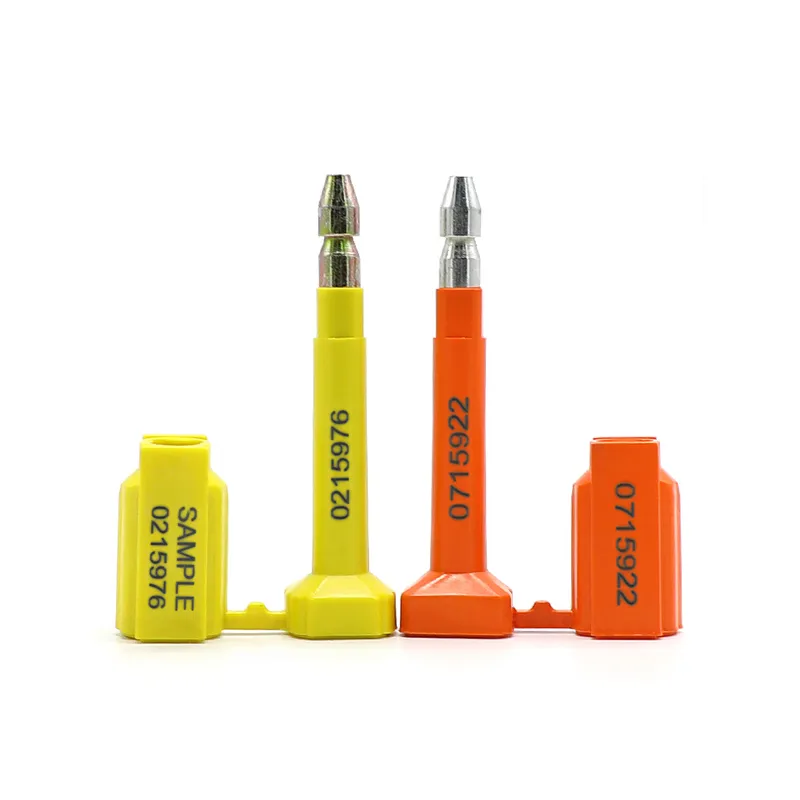
Recording serial numbers immediately after application creates the documentation trail that makes seals useful for chain of custody purposes. A seal without a recorded serial number provides tamper evidence but loses its value for tracking and verification. Serial numbered seals only work when the numbers are actually tracked.
Seal removal requires attention to detail. Use appropriate seal removal tools to prevent injury and ensure complete destruction of the seal. A partially intact seal could potentially be reused by someone with bad intentions, defeating the entire purpose of the security measure.
Barcode seals inventory systems automate much of the tracking burden, reducing human error in documentation. These systems capture application and removal events, flag discrepancies, and provide audit trails that manual processes struggle to match.
Regular audits of seal application and removal procedures catch drift in practices before security gaps develop. Workers develop shortcuts over time, and some of those shortcuts compromise security. Periodic observation and retraining maintain consistent best practices.
Partner With Experienced Manufacturers
Shandong Junchuang Lock Industrial Co., Ltd specializes in high-quality, ISO-compliant fixed length and adjustable seals. The product range covers applications from general-purpose tamper indication to high-security cargo protection. Seal customization options allow integration of company branding, specific security features, and tracking technologies.
Contact the team at [email protected] or +86 13853189290 to discuss your specific security challenges and find solutions that match your actual needs rather than generic recommendations.
Frequently Asked Questions About Security Seals
What is the primary difference in application between fixed length and adjustable seals?
Fixed length seals work best for standardized closure points where the hardware dimensions remain consistent across your fleet or facility. Container latches, truck door handles, and rail car closures all fall into this category. Adjustable seals handle situations where closure point sizes vary, such as bags with different drawstring configurations, drums with various clamp sizes, or improvised sealing points. The choice comes down to whether your sealing points are uniform or variable.
Are fixed length seals always considered high security compared to adjustable seals?
The high security designation depends on construction quality rather than length adjustability. Many fixed length bolt seals meet ISO 17712 high-security standards because of their steel construction and robust locking mechanisms. However, adjustable cable seals can also achieve significant security ratings when manufactured with appropriate materials and engineering. The security level reflects material strength, locking mechanism design, and resistance to specific tampering methods, all of which vary across both seal categories.
How do I ensure regulatory compliance when selecting security seals for international shipping?
Start with ISO 17712 compliance for containerized cargo. This standard establishes minimum requirements for tensile strength and tamper resistance that most customs authorities recognize. Beyond the seal itself, understand the documentation requirements for your specific trade routes. C-TPAT guidelines apply to shipments involving US customs, while other jurisdictions have their own requirements. Shandong Junchuang Lock Industrial Co., Ltd manufactures ISO 17712 compliant seals and can provide guidance on matching seal specifications to regulatory requirements for your specific shipping lanes.