
Security seals sit at the intersection of trust and verification. Every time a container door closes or a meter gets locked down, someone is making a bet that the seal will hold—and that any breach will be obvious. I’ve seen operations where the wrong seal choice led to disputes that took months to resolve, and others where a well-matched seal quietly did its job across thousands of shipments without a single incident. The difference usually comes down to understanding what each seal type actually does, not just what it claims to do.
How Different Security Seal Types Serve Distinct Purposes
Security seals vary widely in construction, strength, and intended use. Each type addresses specific vulnerabilities, and matching the seal to the application determines whether it provides genuine protection or just the appearance of it.
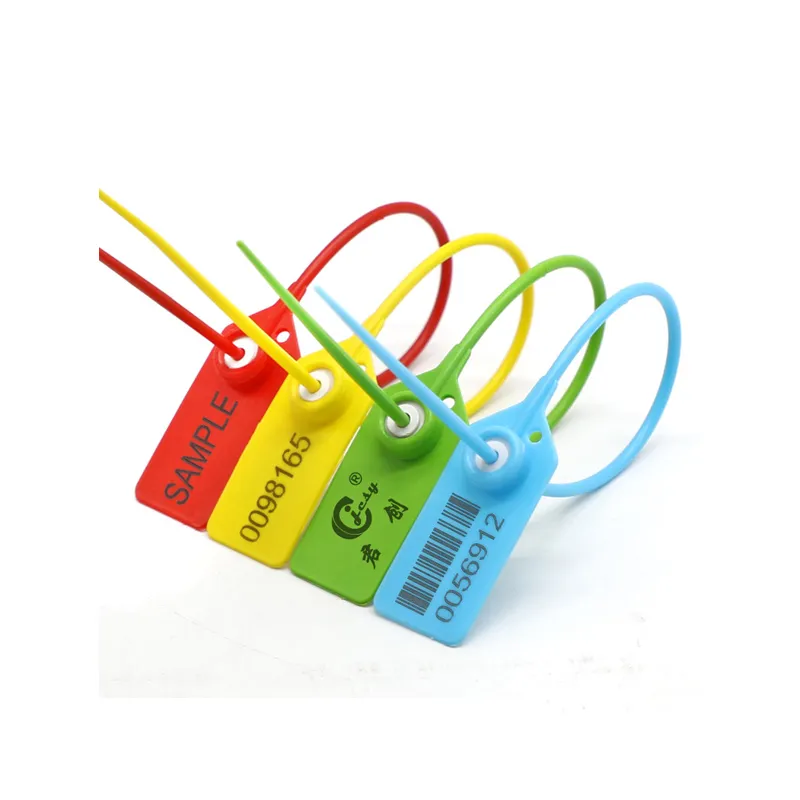
Plastic seals handle general tamper indication where the goal is visibility rather than maximum resistance. They work well for tote boxes, fire extinguishers, and utility meters—situations where someone needs to know if access occurred, but where a determined attacker isn’t the primary concern. Most are made from polypropylene or nylon, with tensile strength varying by design. The range includes Plastic Seals, Security Plastic Seals, Plastic Security Seals with Barcode, Plastic Seal with Serial Number, and Plastic Seal Security Lock.
Bolt seals and cable seals step up the security level considerably. Bolt seals are rigid, designed specifically for high-value cargo on shipping containers and truck trailers. Removing one requires bolt cutters—there’s no subtle way to defeat it. Cable seals trade some of that rigidity for flexibility, which matters when securing irregular openings or threading through multiple closure points. Meter Seals serve utility applications where measurement device integrity is the priority. Metal Strap Seals deliver strong, visible tamper evidence on drums and similar containers. The highest security seals meet international standards and resist tampering methods that would defeat lesser options.
| Seal Type | Primary Application | Security Level | Tamper Evidence |
|---|---|---|---|
| Plastic Seals | Tote boxes, utility meters | Low to Medium | Visible breakage |
| Bolt Seals | Shipping containers, truck doors | High | Requires bolt cutters |
| Cable Seals | Irregular openings, valves | Medium to High | Fraying, cutting |
| Meter Seals | Gas/electric meters | Low to Medium | Visible breakage |
| Metal Strap Seals | Drums, railcars | Medium | Bending, cutting |
What is the difference between a bolt seal and a cable seal?
The bolt seal vs cable seal distinction comes down to structure and where each performs best. Bolt seals like the Cargo Container Bolt Seal use a metal pin and barrel that lock into a rigid unit. That rigidity is the point—it creates a barrier that resists forced entry and requires heavy-duty bolt cutters to remove. Container doors and truck trailers are the natural fit.
Cable seals work differently. A flexible steel cable threads through a locking mechanism, which means the seal can wrap around irregular shapes or secure multiple items at once. The ISO 17712 Cable Seal still offers high security, but the flexibility opens up applications that bolt seals can’t handle. Tampering shows up as cutting or fraying on the cable, making inspection straightforward.
Factors That Determine the Right Security Seal Choice
Picking a security seal isn’t a matter of grabbing whatever’s available. Several factors interact, and getting the balance wrong either leaves assets vulnerable or wastes money on overkill.
Security level comes first. High-value cargo or sensitive shipments need high-security seals, typically ISO 17712 certified. Internal tracking or lower-risk items can work fine with general-purpose plastic seals. The application environment matters next—seals facing harsh weather, temperature extremes, or corrosive chemicals need materials that won’t degrade under those conditions. Material durability overlaps here, since seals have to survive the physical stresses of transit and handling without failing.
Regulatory compliance drives many decisions, especially for international shipments where ISO 17712 certification may be mandatory. Tamper evidence features determine whether an unauthorized access attempt will actually be detectable. Cost-effectiveness rounds out the picture, balancing what’s needed against what’s practical for the volume and value involved.
How Seal Materials Shape Security Performance
Material composition sets the boundaries for what a security seal can actually do. Different materials suit different threat profiles and operating conditions.
Plastic seals in polypropylene or ABS plastic are lightweight and economical. They break visibly when tampered with, which makes them effective for basic security and quick inspection. A Plastic Padlock Seal for utility boxes or a Fire Extinguisher Seal fits this profile. The tradeoff is lower tensile strength compared to metal options.
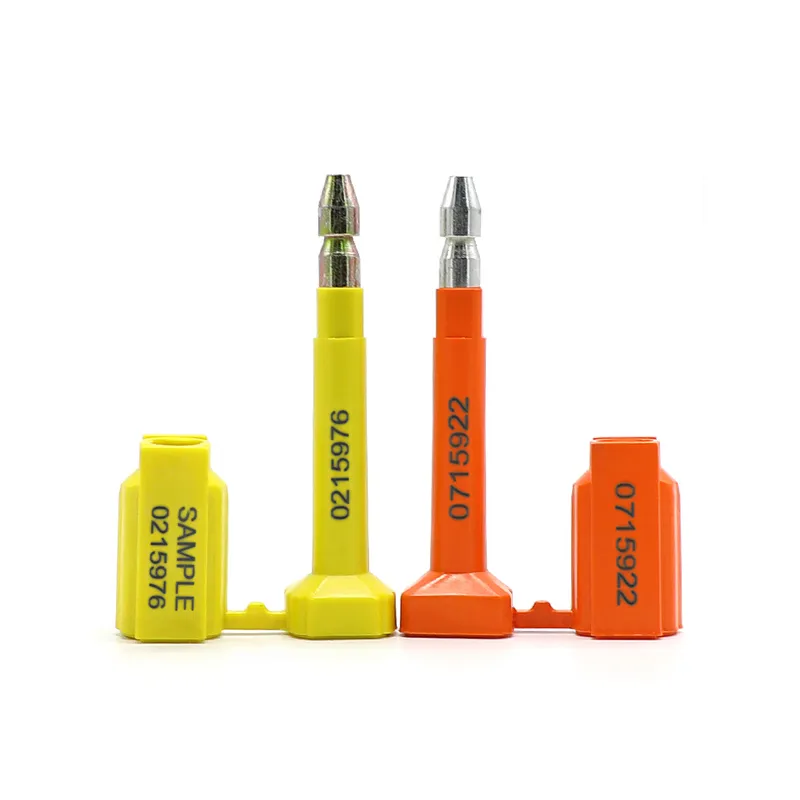
Metal seals deliver superior strength and manipulation resistance. Bolt seals typically combine an ABS plastic-coated steel bolt, providing the high security that container applications demand. Metal strap seals in galvanized steel handle drums and railcars effectively. Cable seals use galvanized steel aircraft cable, which combines flexibility with high tensile strength—useful when a strong barrier needs to adapt to irregular shapes, such as securing truck trailers or valuable assets. Lead seals, once common for meters, have largely given way to plastic or metal alternatives that offer better tamper evidence and avoid environmental concerns.
| Material Type | Typical Strength | Durability | Common Applications |
|---|---|---|---|
| Polypropylene | Low to Medium | Moderate | Tote boxes, fire extinguishers, general purpose |
| ABS Plastic | Medium | Good | Plastic seals, outer shell of bolt seals |
| Steel (Bolt) | High | Excellent | Shipping containers, high-value cargo |
| Steel (Cable) | High | Excellent | Irregular openings, multiple closure points |
| Galvanized Steel | Medium to High | Very Good | Drums, railcars, certain meter seals |
Certification Standards Build Supply Chain Confidence
Seal certification provides independent verification that a product meets defined performance thresholds. This matters because claims are easy to make, but testing reveals whether a seal actually performs under pressure.
ISO 17712 certification sets the global benchmark for high-security seals. The standard specifies classification criteria, acceptance requirements, and testing procedures for mechanical seals used on freight containers in international trade. A seal meeting this standard has demonstrated resistance to sophisticated tampering and provides reliable tamper evidence.
For manufacturers, achieving certification signals a commitment to consistent quality. For users, certified seals help satisfy regulatory requirements like C-TPAT compliance and reduce exposure to theft or contamination risks. The certification creates accountability at both ends of the transaction, which is why customs authorities worldwide often require it.
If you’re interested in learning more about the specific applications of meter seals, we recommend reading 《Meter Lead Seals: Essential Security for Utility and Measurement Devices》.
Building Stronger Supply Chain Security Through Seal Integration
Security seals work best as part of a larger system rather than as standalone devices. Several strategies amplify their effectiveness.
Integrating seals with tracking systems turns each seal into a data point. Unique serial numbers or barcodes enable digital record-keeping and real-time accountability across the supply chain. Customization adds another layer—Customized Plastic Seal and Customized Cable Security Seal options with company logos and specific numbering sequences make counterfeiting harder and strengthen brand security.
Installation practices matter more than most people realize. A seal installed incorrectly may not engage properly or may fail to show tampering clearly. Training personnel on correct application and inspection procedures prevents these gaps. Advanced tamper-evident features, designed to reveal any manipulation attempt, make detection more reliable and reduce the window for undetected breaches.
How do I know if a security seal has been tampered with?
Detecting tampering requires knowing what to look for on each seal type. Plastic seals show forced entry through stress marks, cracks, or unusual stretching around the locking mechanism. A serial number or barcode that doesn’t match documentation is an immediate red flag.
Cable seals reveal tampering through cuts, fraying, or signs of re-splicing on the cable itself. Bolt seals should be inspected for cutting marks, bending, or attempts to separate the pin from the barrel without proper tools. Discoloration, chemical residue, or heat deformation on any seal type suggests someone tried to defeat it. Regular training keeps inspection personnel sharp on these visual indicators.
Which seal type is best for international shipping containers?
ISO 17712 compliant bolt seals are the standard choice for international shipping containers. These seals carry a “High Security” classification and are engineered for the demands of international transit. The construction—typically an ABS plastic-coated steel bolt—resists forced entry and sophisticated tampering methods.
Customs authorities worldwide frequently mandate ISO 17712 certified seals for container security, which makes compliance straightforward when using bolt seals. Cable seals can serve certain container applications, but bolt seals offer the rigid, universally accepted solution for main container doors.
Working with Junchuang Lock on Your Security Seal Requirements
Selecting the right security seals protects assets and maintains supply chain integrity. Shandong Junchuang Lock Industrial Co., Ltd. manufactures a full range of security seals—plastic, bolt, cable, and meter seals—designed to meet varied industrial requirements. Quality and service drive our approach, with long-term partnership as the goal. For guidance on your specific security sealing needs, reach out directly.
Email: [email protected]
Mobile/Whatsapp: +86 13853189290