
Cargo theft isn’t just a line item on a risk report—it’s the kind of problem that keeps logistics managers checking their phones at 2 AM. The losses add up fast, but what really stings is the ripple effect: delayed shipments, angry customers, insurance headaches that drag on for months. After years of working with supply chain security, one thing becomes clear: the right security seal won’t stop every determined thief, but it will make their job harder and leave evidence when they try. That’s the practical reality of freight protection.
Why Cargo Theft Keeps Getting Worse
The numbers tell a frustrating story. Cargo theft statistics show losses climbing year after year, and the methods are getting smarter. Thieves target weak points in the supply chain—rest stops, transfer yards, anywhere goods sit unattended. The financial hit goes beyond the stolen merchandise. Production lines stall waiting for components that never arrive. Retailers lose sales during peak seasons. Insurance premiums creep upward.
What creates these vulnerabilities? Often it’s the basics: inconsistent security protocols, gaps in monitoring, and seals that don’t actually reveal tampering. Shandong Junchuang Lock Industrial Co., Ltd. has spent years studying these failure points, developing solutions that address real-world logistics security threats rather than theoretical ones.
The Simple Logic Behind Tamper-Evident Seals
Security seals work on a straightforward principle. Once applied correctly, the seal creates a physical barrier that cannot be opened without visible damage. This tamper-evident technology means any unauthorized access leaves proof behind.
The seal integrity check takes seconds during routine inspections. Drivers, warehouse staff, and customs officials can spot a compromised seal without specialized equipment. This quick visual verification creates accountability at every handoff point in the supply chain.
There’s a psychological element too. A visible, intact seal signals that someone is paying attention. Opportunistic thieves—the ones responsible for most cargo theft—prefer easy targets. Physical security measures that require effort and leave traces push them toward less protected shipments.
Matching Seal Types to Real Security Needs
Not every shipment needs the same level of protection. A container of electronics crossing an ocean faces different risks than a pallet of paper goods moving between warehouses. Selecting the right seal type matters.
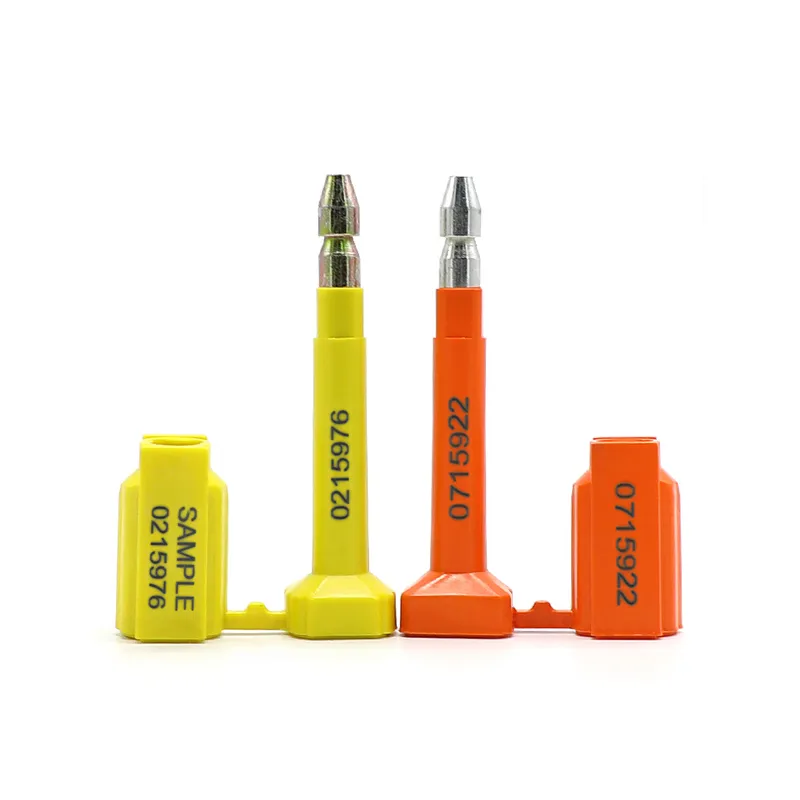
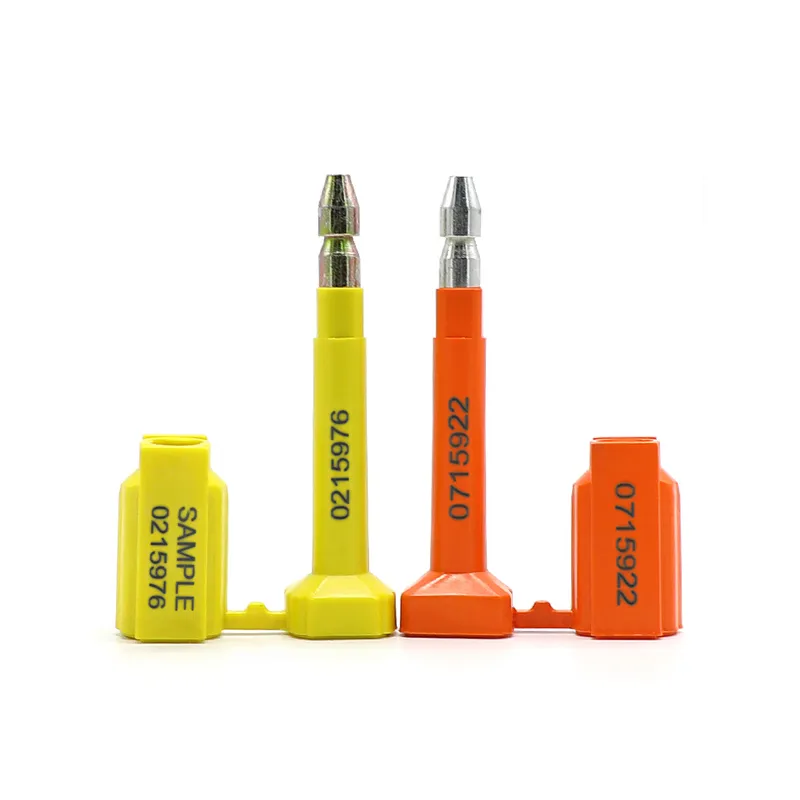
High security bolt seals handle the toughest applications. Shipping containers, rail cars, and high-value freight benefit from their robust construction. These seals meet ISO 17712 compliance standards, which means they’ve passed rigorous testing for strength and tamper resistance.
Cable seals for containers offer flexibility that bolt seals can’t match. Their adjustable length works with irregular latches, tanker valves, and truck doors. The security level remains high while accommodating varied equipment.
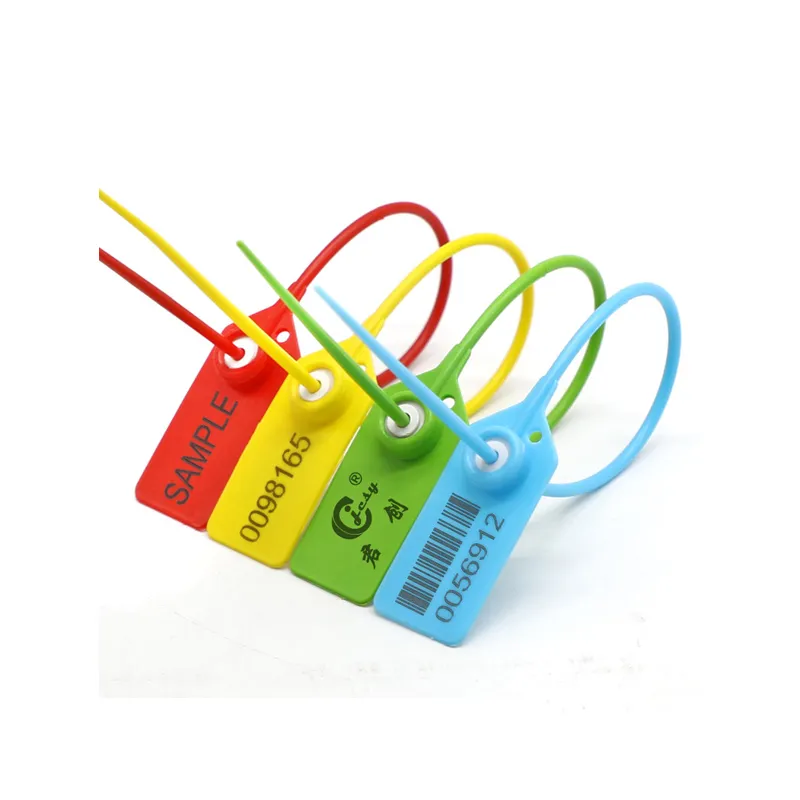
Plastic seals for logistics cover general-purpose needs cost-effectively. Retail distribution, bag closures, and drum sealing all benefit from these customizable options. They won’t stop a determined attacker, but they’ll reveal any tampering attempt.
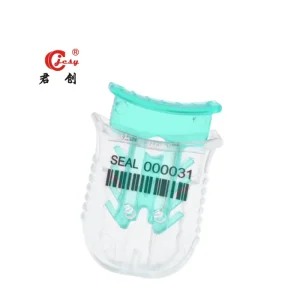
Metal strap seals secure pallets and heavy packages where bundling strength matters. Meter seals for utilities protect equipment from unauthorized access in a compact form factor.
| Seal Type | Primary Application | Security Level | Key Feature |
|---|---|---|---|
| High Security Bolt Seals | Shipping containers, rail cars | Very High | Robust, ISO 17712 compliant |
| Cable Seals | Trucks, tankers, irregular latches | High | Flexible, adjustable length |
| Plastic Seals | Retail, bags, drums | Medium | Cost-effective, customizable |
| Metal Strap Seals | Pallets, heavy packages | Medium-High | Strong, durable |
| Meter Seals | Utility meters | Low-Medium | Tamper-evident, small |
Which seals actually stop sophisticated thieves?
Anti-theft bolt seals and heavy-duty cable seals provide the strongest breach resistance against organized theft operations. Their locking mechanisms require specialized tools for removal—not something a thief carries in their pocket. The time and noise required to defeat these seals creates risk that most criminals won’t accept. For high-value cargo, these options represent the practical ceiling of mechanical security.
Building a Seal Program That Actually Works
Good seals sitting in a warehouse don’t protect anything. The seal management best practices that matter happen in the field: consistent application, proper recording, and thorough inspection at every transfer point.
Seal tracking systems create accountability. When every seal number is logged against specific shipments, discrepancies become visible. Missing seals, broken seals, seals that don’t match records—these anomalies trigger investigation before losses compound.
Regular auditing of seal usage catches problems that daily operations miss. Patterns emerge: certain routes with higher tampering rates, specific facilities where seals go missing, personnel who need additional training. This supply chain visibility turns raw data into actionable risk mitigation strategies.
What does an effective seal program look like in practice?
Start with documented secure sealing protocols for every point where goods change hands or sit unattended. Train everyone who touches seals—not just security staff, but drivers, warehouse workers, and receiving clerks. Employee training for seals should cover proper application technique, what tampering looks like, and how to record seal numbers accurately.
Integrate digital tracking so seal data flows automatically into your logistics systems. Run unannounced audits quarterly at minimum. The goal isn’t catching people doing wrong; it’s identifying weaknesses before thieves find them. A cargo security program built on these foundations reduces losses measurably.
For further insights into securing your assets, consider reading our detailed article on 《Security Seals: Preventing Cargo Theft in Global Supply Chains》.
Meeting International Standards Without the Headaches
Global trade runs on paperwork, and security seals are no exception. ISO 17712 certification sets the benchmark for high-security mechanical seals. The standard specifies testing requirements for strength, tamper resistance, and durability that separate serious security products from decorative ones.
Customs compliance seals meeting ISO 17712 satisfy requirements for CTPAT requirements in the United States and AEO certification in Europe. These programs offer tangible benefits: faster customs clearance, reduced inspections, lower risk scores. The certification pays for itself in smoother border crossings.
Our manufacturing processes maintain consistent ISO 17712 compliance across production runs. Global trade security standards evolve, and our quality systems adapt to meet current requirements. Customers receive seals that perform as specified, shipment after shipment.
Where Seal Technology Is Heading
The next generation of cargo security combines physical tamper evidence with digital tracking. Smart seals technology embeds sensors that detect opening attempts and transmit alerts in real time. A seal broken in a remote parking lot triggers an immediate notification rather than waiting for the next inspection point.
RFID security seals automate identification at checkpoints. Instead of manual recording, scanners capture seal data automatically, reducing errors and speeding throughput. GPS tracking seals add location data to the mix, creating continuous visibility throughout transit.
Advanced materials research is producing seals with enhanced tamper detection features—coatings that change color under stress, structures that fragment in distinctive patterns when compromised. Digital seal verification platforms will aggregate this data, giving supply chain managers a real-time picture of security status across their operations.
These innovations in sealing technology won’t eliminate cargo theft. Nothing will. But they’re shifting the balance, making protected shipments harder targets and unprotected ones relatively more attractive to criminals. That’s how security works in practice.
Secure Your Supply Chain with Junchuang Lock Industrial Co., Ltd.
Junchuang Lock Industrial Co., Ltd. brings decades of manufacturing expertise to cargo protection. Our product range covers lead, plastic, cable, meter, metal strap, and high security bolt seals—solutions for every security requirement and budget. Contact us for tailored recommendations that match your specific logistics challenges.
Email: [email protected]
Mobile/Whatsapp: +86 13853189290
Frequently Asked Questions About Cargo Security Seals
What makes high-security bolt seals worth the extra cost for container shipments?
High-security bolt seals require bolt cutters or similar tools for removal—equipment that draws attention and takes time to use. This practical barrier stops most opportunistic theft, which accounts for the majority of cargo losses. The ISO 17712 compliance these seals carry also satisfies customs requirements, potentially reducing inspection delays. For high-value container shipments, the cost difference between standard and high-security seals is negligible compared to the cargo value at risk.
When do cable seals make more sense than bolt seals?
Cable seals for containers excel where bolt seals can’t physically fit or where flexibility matters. Tanker valves, trailer doors with non-standard latches, and equipment with irregular closure points all work better with adjustable cable lengths. The security level remains high—these aren’t compromise solutions. Junchuang’s cable seals undergo the same durability testing as our bolt seals, just in a different form factor suited to different applications.
How do I know if a seal actually meets ISO 17712 standards?
Legitimate ISO 17712 certification comes with documentation. Ask manufacturers for test reports and certification numbers. The standard specifies three security levels (Indicative, Security, High Security), so verify which level applies to the seals you’re considering. Customs programs like C-TPAT typically require High Security classification for container seals. Junchuang Lock Industrial Co., Ltd. provides full certification documentation with our compliant products, and we can explain which seal types meet which requirements for your specific trade lanes.