
When a shipment of plastic security seals arrives at your warehouse, a quick visual once-over isn’t enough. Over the years in our seal manufacturing plant, I’ve learned that true quality lies beneath the surface—in the resin grade, the locking mechanism’s precision, and the consistency across every unit. This plastic seal inspection guide approaches quality from a manufacturer’s perspective, helping you identify reliable seals before they enter your supply chain. By learning what separates a well-made plastic seal from a compromised one, you can reduce cargo theft risk and ensure traceability from origin to delivery.
How Plastic Seal Manufacturing Determines Quality
Quality in a plastic security seal starts long before it leaves the factory. The raw material is the foundation. In our production line, we select polypropylene (PP) or polyethylene (PE) resins that balance tensile strength with flexibility. A seal body that feels brittle or has visible flow marks during molding suggests the resin was not processed at the correct temperature or was mixed with regrind to cut costs. These manufacturing shortcuts produce seals that crack under tension or fail in cold storage environments.
Another manufacturing indicator is the mold tooling condition. Worn molds leave flash around the seal’s edges, which can interfere with proper locking. If the locking tab shows excess plastic debris or uneven thickness when you examine it closely, the tooling hasn’t been maintained to the standard required for consistent performance. A clean, sharp mold produces seals with crisp detail and reliable engagement.
Visual Tamper-Evidence Checks for Plastic Seals
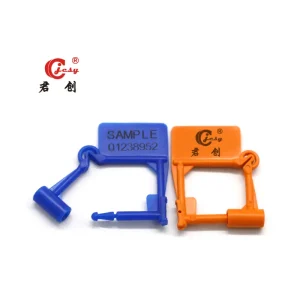
The first inspection any receiver performs is visual. Hold the seal at eye level under good lighting. Look for any discoloration or marbling in the plastic—this can indicate inconsistent material mixing or UV degradation from improper storage. The seal body should have a uniform, matte or semi-gloss finish depending on the specification. Any crazing, which appears as a network of fine cracks, means the material has been stressed and may break during normal handling.
Check the locking aperture for debris or deformation. A seal that has been tampered with and reclosed often shows tool marks around the entry point. In our quality control station, we also scan for scratches that run parallel to the insertion direction, as these are common signs of a foreign object being used to release the internal locking claw. If the seal arrives with pre-inserted locking damage, the supplier’s handling or packaging process needs review.
Physical Inspection of Plastic Seal Locking and Material
A visual check catches surface issues, but the real test is how the seal behaves under force. Grip the seal body firmly and pull the locking strap or tail until it seats completely. The engagement should produce an audible click or, for adjustable pull-tight seals, smooth ratcheting without skipping. If more than one in ten seals from the same batch fails to lock or can be reversed without cutting, stop the line: that batch is not fit for service.
The material itself must withstand environmental conditions. Submerge a sample seal in water for a few hours, then check for swelling or softening. Plastic seals destined for outdoor truck or container use need adequate UV stabilizers; seals that chalk or become brittle after a few days of direct sun exposure will fail in real logistics operations. While most importers don’t have thermal cycling chambers, a simple freezer test—leaving the seal at minus 20 degrees Celsius overnight and then testing its flexibility—can reveal if the resin formulation is appropriate for cold chain shipments.
If your operation involves extreme temperatures or high-value cargo, verifying those parameters with the manufacturer before ordering prevents costly field failures later. Send your usage conditions to [email protected] and we can confirm the correct seal grade for your specific route.
| Inspection Point | What to Check | What Indicates a Problem |
|---|---|---|
| Locking tab engagement | Clean insertion and firm lock | Slippage, no click, or easy reversal |
| Material surface | Uniform color and texture | Marbling, flash, crazing, or chalky residue |
| Strap flexibility | Bends without whitening | Cracking or permanent deformation at bend point |
| Printing and barcode | Sharp, legible, aligned with substrate | Smudging, blurred characters, misregistration |
How to Verify Plastic Seal Markings and Serial Numbers
Every plastic seal carries markings that make it a traceable security device. Laser printing or hot stamping should be permanent and positioned precisely. Run your fingernail over the serial number. If the ink lifts or the number smudges, the marking process was insufficient—a seal that loses its identity during transit defeats the purpose of security tagging. We require consistent placement tolerance within plus or minus half a millimeter on custom-printed seals, and that is a standard worth asking your supplier to meet.
Barcode readability matters as much as visual marking. Scan a sample of twenty seals from different positions in the box with a handheld scanner. A failure rate above two percent on first-pass scanning usually indicates either low print contrast or misalignment during production. In automated logistics scanning environments, even marginal barcode defects slow down processing and create data gaps.
What to Look for in a Plastic Seal Supplier
Inspecting seals on your dock is essential, but evaluating the supplier who made them is what prevents recurring quality issues. A manufacturer that cannot explain the difference between injection grade and extrusion grade resin for seal production is likely cutting material costs in ways that affect your cargo security. Ask for batch traceability records. Every reputable factory maintains molding parameter logs, material lot certificates, and inspection data. If the supplier provides only a generic certificate of conformity without production batch detail, treat that as a red flag.
Visit the factory or request a video walkthrough of the production line with attention to the quality control station. In our facility, inline checks include tensile pull tests on a sampling basis, visual inspection under magnification, and barcode verification scans. If your supplier doesn’t have at least one dedicated QC operator per molding machine during production runs, the consistency of the seals you receive will vary from order to order.
Your Step-by-Step Receiving Inspection Workflow
Turn the points above into a simple protocol your warehouse team can follow every time:
- Verify the shipping marks and quantity against the packing list, noting any carton damage immediately.
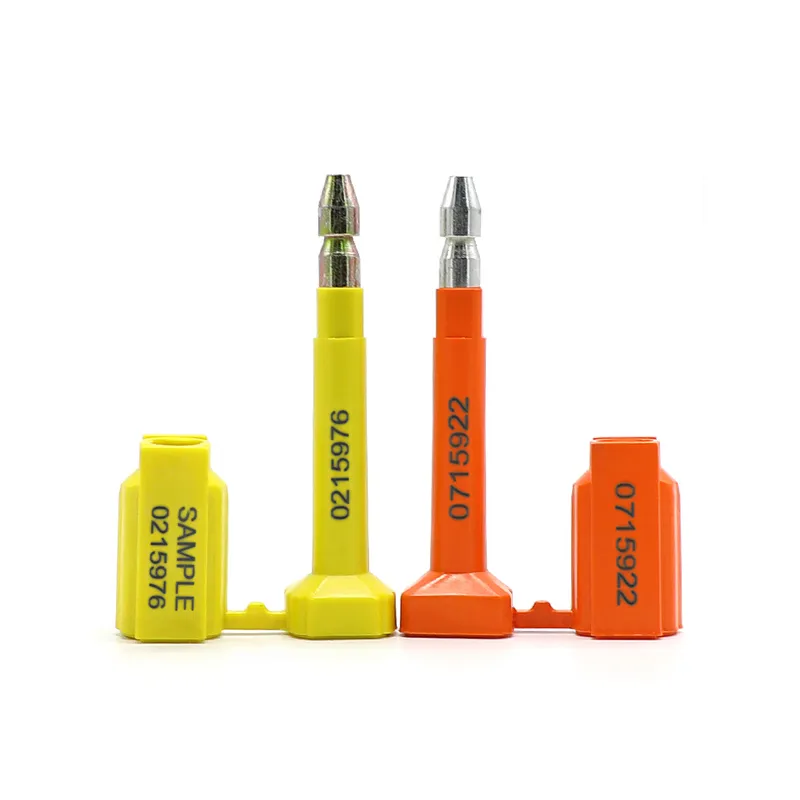
- Perform a visual first-article inspection on three seals from each carton, checking for flash, discoloration, and locking tab integrity.
- Test the locking function on five seals per hundred received, listening for the proper engagement sound.
- Scan all barcodes on ten seals chosen at random from different production cavities if your supplier uses multi-cavity molds.
- Document any nonconformity with clear photographs and share them with the manufacturer within the agreed claim period.
A disciplined incoming inspection program catches issues before seals reach your customers. If a batch fails more than one of these steps, quarantine the entire lot and request a corrective action report. The best manufacturers will respond with root cause analysis and replacement logistics without argument.
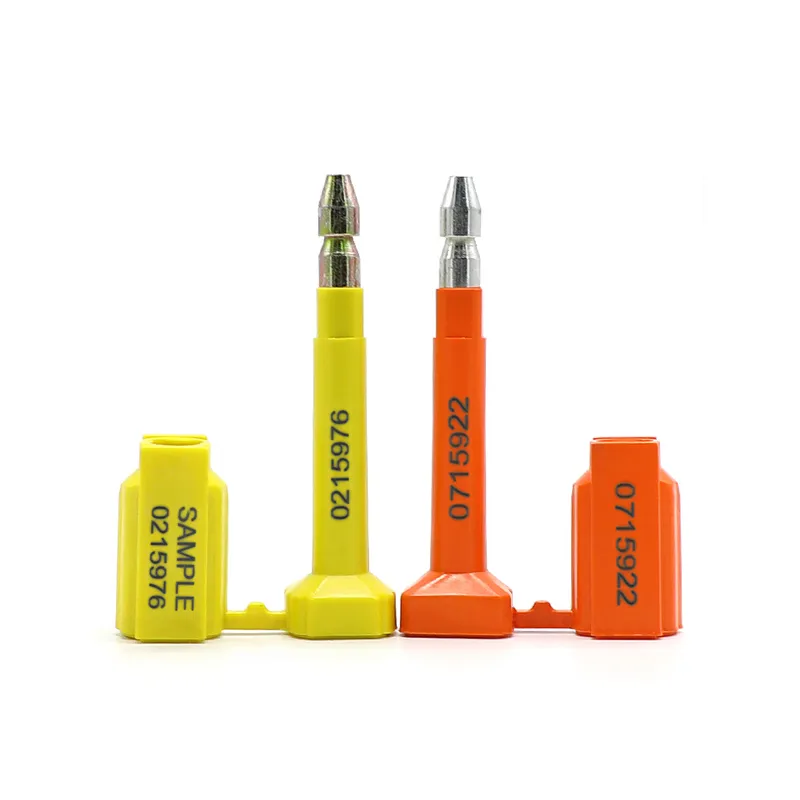
Packaging itself tells a story. Seals that arrive in torn polybags or cartons with water stains may have been exposed to moisture or rough handling that compromises their tamper-evidence integrity. We ship every order in double-corrugated cartons with moisture barrier liners for ocean freight because we’ve seen how small packaging failures lead to big supply chain disputes.
Common Questions About Plastic Seal Quality
What’s the most common reason plastic seals fail in the field?
Material brittleness tops the list. When a seal is made from resin with insufficient impact modifiers or is processed at too low a temperature, micro-cracks form during the molding stage. These may pass a visual check at receiving but then snap the first time a truck door shifts during transit. We’ve traced many failure reports back to resin selection decisions made at the quoting stage, not the molding stage.
Can I identify counterfeit plastic seals just by looking at them?
Sometimes. Counterfeits often have slightly different mold dimensions because they were produced in a tooling that was not the original manufacturer’s mold. Look for subtle differences in the logo’s letter spacing, the gate vestige location on the seal body, and the surface finish compared to a known authentic sample. If your supplier cannot provide tool ownership documentation or mold asset photos, the chain of custody is unclear.
Should every plastic seal be individually tested, or is sample inspection enough?
Sample inspection using the AQL (Acceptable Quality Level) method is practical for large shipments. For critical applications—customs bonded cargo, high-value pharmaceuticals—you might tighten the sampling level to inspect more units or add functional testing on every seal. The balance depends on what a single seal failure costs your operation. We’ve supported customers through this calibration and it almost always comes down to the cost of a breach versus the cost of inspection time.
How can I tell if a plastic seal has been tampered with and reclosed?
The locking mechanism holds the clearest evidence. On a pull-tight seal, look for elongated or stretched strap holes that suggest the strap was pulled back out. On fixed-length seals, check for shiny deformation marks on the locking insert where a tool was used to compress the internal claw. Under magnification, even careful tampering leaves witness marks in the polypropylene that are visible as stress whitening around the entry point. A trained receiving clerk can spot these in seconds after a few practice runs.
What’s the first thing I should do after finishing a sealing quality inspection?
Document every finding immediately with photos and batch numbers, then share the report with your supplier while the shipment is still in its claim window. If seals passed your protocol, store them in cool, dry conditions away from direct sunlight until use. If you spot a quality trend across multiple shipments, it’s worth having a direct conversation with the manufacturer’s production manager rather than just the sales office. That one conversation often fixes problems faster than months of email threads. Share your recent inspection data with us at [email protected] or call +86 13853189290 and we’ll help you interpret the results and determine whether your seal supply is meeting the grade.
If you’re interested, check out these related articles:
Security Seal Mistakes: Preventing Tamper, Ensuring Compliance – Junchuang Lock
China Plastic Security Seal Factory: Sourcing Guide & Solutions – Junchuang Lock
Custom Bolt Seal Printing Options: Secure Your Global Logistics – Junchuang Lock
Preserving Security Seal Integrity: A Storage Best Practices Guide – Junchuang Lock
Disposable or Reusable Bolt Seals: Strategic Cargo Security – Junchuang Lock