
Keeping security seals in good condition before they ever touch a container or meter box matters more than most people realize. A seal that looks fine but has spent months in a hot warehouse or humid storage room might fail exactly when you need it to hold. The materials shift, the locking mechanisms weaken, and what should be a reliable tamper indicator becomes a liability. Having manufactured plastic seals, cable seals, bolt seals, metal strap seals, and meter seals for years, we’ve seen the difference proper storage makes—seals that perform as designed versus ones that crack, corrode, or simply don’t lock correctly.
Seal Performance Starts Before Application
The integrity of a security seal begins long before its application. Optimal storage conditions are fundamental for preserving security seal integrity over time. Seals exposed to adverse environments can suffer material degradation that affects their functionality and tamper-evident properties. This directly impacts seal longevity in ways that aren’t always visible until deployment.
Extreme temperatures alter plastic seal materials, making them brittle in cold conditions or soft and deformable in heat. High humidity corrodes metal components in metal strap seals or cable seals, weakening structural bonds at the molecular level. These compromises undermine asset protection and introduce vulnerabilities into supply chain security systems. Proper storage safeguards against these risks, maintaining the seal’s intended performance and reliability throughout its shelf life.
Temperature, Humidity, and Light Exposure Shape Seal Lifespan
Environmental factors play a significant role in preserving security seal quality. Temperature, humidity, and light exposure are primary concerns that require controlled environments to prevent material degradation. This approach ensures plastic seal storage effectiveness, cable seal preservation, and meter seal longevity across different product lines.
What is the ideal temperature range for storing plastic security seals?
For plastic security seals, the ideal temperature range is typically between 5°C and 30°C (41°F and 86°F). Temperatures outside this range affect plastic seal material integrity in predictable ways. Cold makes plastics brittle because polymer chains lose flexibility, leading to cracking upon application. Heat causes softening or deformation because those same chains become too mobile, compromising the seal’s locking mechanism. Maintaining a stable temperature prevents these issues and extends usable shelf life.
How does humidity affect the integrity of metal security seals?
Humidity significantly impacts metal security seals through oxidation processes. High humidity accelerates corrosion, particularly affecting metal strap seal durability where exposed surfaces interact with moisture in the air. This moisture can also lead to material fatigue in certain metal alloys, weakening the seal structure before it’s ever used.
Low humidity creates different problems—some materials dry out and become brittle when ambient moisture drops too far. A relative humidity range of 30-70% is generally recommended to prevent corrosion issues and maintain structural integrity across both metal and composite seal types.
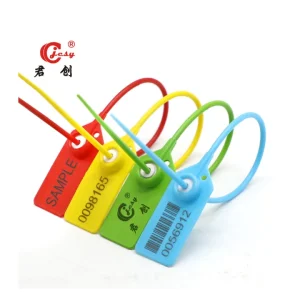
Article Recommendation: To understand the specific security features and applications of various seals, we recommend reading “《Meter Lead Seals: Essential Security for Utility and Measurement Devices》.”
Physical Protection Prevents Damage Before Deployment
Beyond environmental control, physical protection and careful handling are essential for maintaining seal functionality. Improper handling leads to damage that renders seals unusable or compromised before they ever reach their intended application. This is particularly true for high security bolt seals, which are designed for robust applications but can still suffer from careless storage practices.
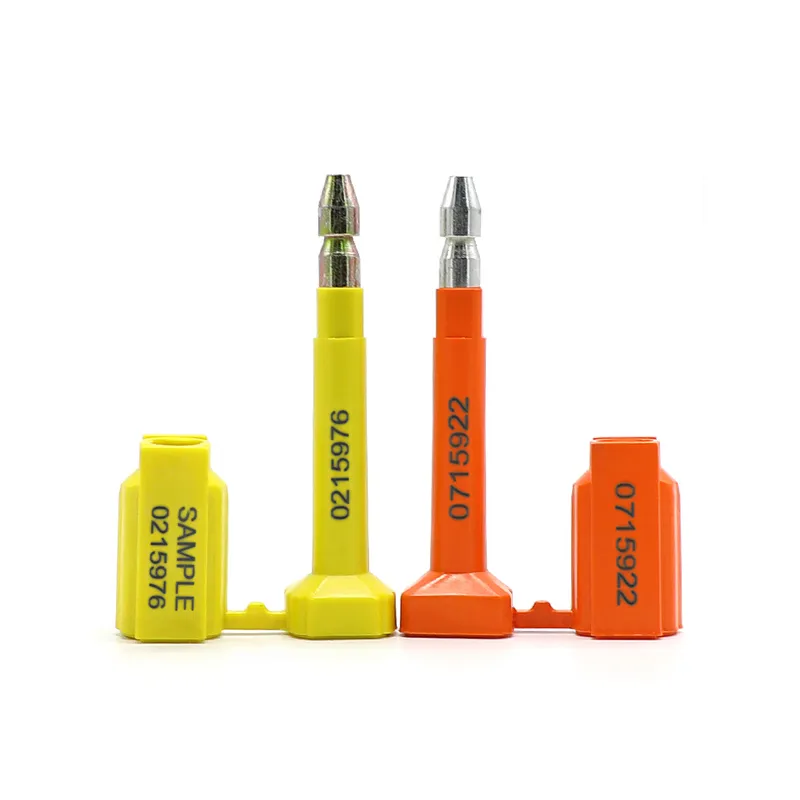
Seals should remain in their original packaging until needed. This protects them from dust, dirt, and accidental impact that accumulates in busy warehouse environments. Stacking protocols matter more than they might seem—crushing lower layers damages locking mechanisms and deforms seal bodies. Bolt seal handling requires careful attention because even minor damage to the barrel or pin can prevent proper engagement.
| Seal Type | Packaging Recommendation | Stacking Limit | Handling Notes |
|---|---|---|---|
| Plastic Seals | Original boxes, sealed | 10 boxes high | Avoid sharp impacts |
| Cable Seals | Bundled, protected ends | 5 layers high | Prevent kinking |
| Bolt Seals | Individual compartments | 3 layers high | Handle with care |
| Metal Strap Seals | Flat, interleaved | 8 boxes high | Avoid bending |
| Meter Seals | Trays or partitioned boxes | 15 boxes high | Keep dry |
Inventory Systems That Support Traceability and Reduce Waste
Effective inventory management systems are crucial for security seals because they ensure traceability and operational efficiency throughout the storage period. First-in, first-out principles should govern seal stock rotation. This prevents older seals from sitting in storage long enough to degrade while newer stock gets used first.
Each seal should have a unique identifier that facilitates seal traceability from manufacturing through application. This isn’t just about knowing where seals came from—it’s about being able to verify that a specific seal was stored properly and remains within its effective service window.
Regular quality control for stored seals catches problems before they reach the field. Periodic checks for signs of damage or degradation should happen on a defined schedule. A clear system for tracking the shelf life of security seals minimizes waste and ensures that only functional seals get deployed. Well-managed inventory supports reliable security operations without the surprises that come from using compromised materials.
Regulatory Requirements and Training That Actually Works
Adherence to regulatory compliance for seal storage is non-negotiable in many industries. Industry standards often dictate specific storage conditions for security seals, and these requirements exist for good reasons. ISO 17712 certified seals, such as our ISO 17712 High Security Seal, have specific handling and storage guidelines that must be followed to maintain their certification status.
Comprehensive staff training for seal handling makes the difference between policies that exist on paper and practices that actually protect seal integrity. Personnel need to understand security seal protocols, including proper storage, inspection, and application procedures. Training should cover how to identify seal tampering indicators and the correct procedures for reporting anomalies when they appear.
Proper disposal of expired seals is also a critical part of this training. Seals that have exceeded their shelf life or show signs of degradation shouldn’t just be thrown in general waste—they need to be destroyed in ways that prevent misuse or unauthorized application.
Storage Mistakes That Compromise Security Before It Starts
Many common mistakes in seal storage compromise effectiveness in ways that only become apparent during or after deployment. Storing seals in direct sunlight or areas with extreme temperature fluctuations is a frequent error that leads to material degradation and reduced seal integrity over time.
Inadequate protection from dust and moisture affects both plastic and metal seals. Dust particles can interfere with locking mechanisms, while moisture creates conditions for corrosion and material breakdown that weaken seal structures.
Poor inventory rotation—ignoring FIFO principles—often results in using seals past their optimal shelf life. This increases failure risk at exactly the wrong moment. Lack of proper staff training contributes to these issues because seals get mishandled or stored incorrectly by people who don’t understand why the protocols matter.
These errors carry significant cost implications beyond just replacement expenses. Security breaches, investigation time, and supply chain disruptions all trace back to seals that failed because they weren’t stored properly. Preventing seal degradation requires proactive measures and a disciplined approach to storage facility design and daily operations.
Frequently Asked Questions About Security Seal Storage
Can UV light damage the functionality of cable seals over time?
UV light can significantly damage cable seals over time. Prolonged exposure causes the plastic coating on Cable Security Seal to degrade through photochemical reactions that break down polymer bonds. This leads to brittleness and cracking that compromises both physical strength and tamper-evident features. Storing cable seals in opaque packaging and away from direct sunlight provides essential UV light protection.
How often should stored security seals be inspected for integrity?
Stored security seals should be inspected every 3-6 months, or before each batch is deployed for high-security applications. This inspection schedule helps catch visible signs of damage, degradation, or tampering before seals reach the field. Regular seal integrity checks are a vital part of stored seal quality control that ensures materials remain fit for purpose when needed.
What are the best practices for storing high-security bolt seals?
For storing high security bolt seals, keep them in their original, sealed packaging within a dry, temperature-controlled environment. Avoid excessive stacking to prevent deformation of barrels and pins. Store high-security bolt seals in a secure, access-controlled area to prevent unauthorized access or theft—these seals represent significant security value and should be treated accordingly.
Partner with Us for Reliable Security Seal Solutions
Ensuring the integrity of your supply chain starts with reliable security seals and proper storage practices. We provide high-quality seals and expert guidance on their management throughout the storage and deployment cycle. For durable and effective security solutions, contact Shandong Junchuang Lock Industrial Co., Ltd. We are ready to discuss your specific needs.
Email: [email protected]
Mobile/Whatsapp: +86 13853189290