
Security seals seem straightforward until you watch one fail in the field. A seal that looked fine during application gets bypassed because someone didn’t pull it tight enough, or the wrong type was chosen for the environment. These aren’t rare edge cases. They happen regularly across logistics, utilities, and manufacturing operations. The financial and compliance consequences add up fast. What follows covers the most frequent mistakes and how to avoid them.
Why Seals Fail at the Point of Application
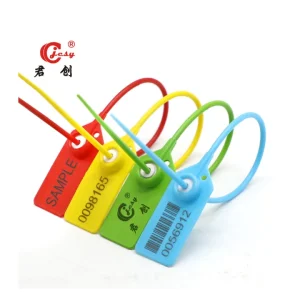
The moment a seal goes onto a container, truck, or meter is where most problems start. Loose application, skipped steps, and inconsistent technique account for a large share of seal failures. When a plastic seal security lock isn’t pulled fully tight against a container door latch, it can be slipped off without visible damage. A cable tie lock left with slack gives someone room to manipulate the closure.
These aren’t hypothetical scenarios. They reflect what happens when application procedures exist only on paper or when training gets rushed during onboarding. Seal integrity depends on physical tension and proper engagement of the locking mechanism. Without both, the tamper-evident function becomes decorative rather than functional.
Standardized procedures help, but only if people actually follow them. That means regular refreshers, spot checks, and a culture where cutting corners on seals isn’t tolerated. A high security plastic seal performs exactly as designed when installed correctly. Installed poorly, it offers false confidence.
Application Checklist
| Step | Action | Why It Matters |
|---|---|---|
| 1 | Inspect the seal before use | Catches manufacturing defects or prior damage |
| 2 | Clean the application surface | Debris can prevent full engagement |
| 3 | Pull tight with no slack | Eliminates manipulation space |
| 4 | Confirm the lock engages | Partial engagement defeats the purpose |
| 5 | Record the serial number | Creates accountability and audit trail |
| 6 | Final visual check | Catches obvious errors before walking away |
Matching Seal Type to Actual Risk Level
Seal selection errors fall into two categories: under-securing high-value assets and over-engineering low-risk applications. Both waste resources and create vulnerabilities.
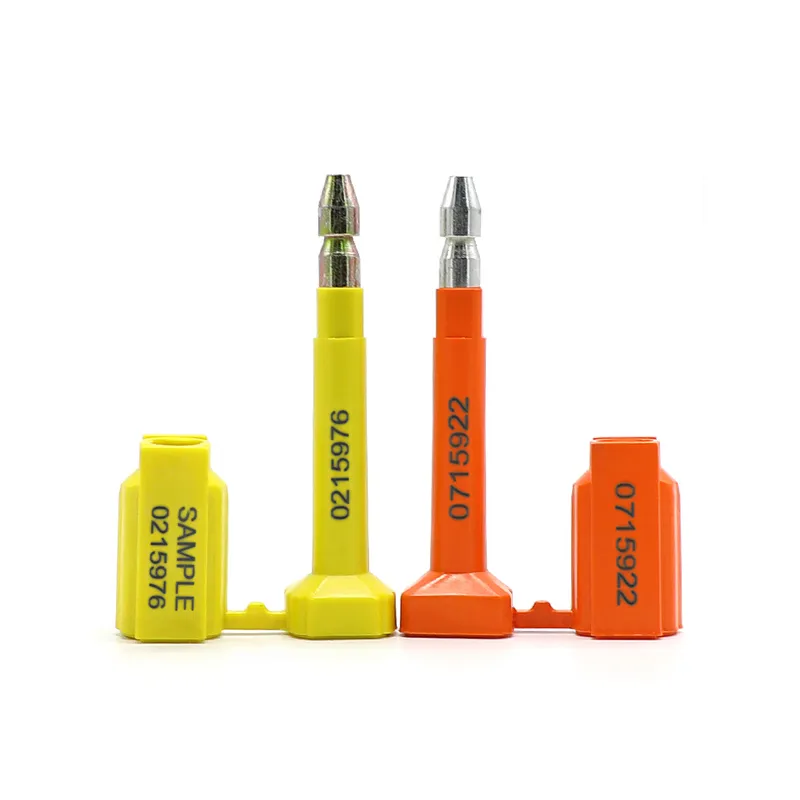
A plastic padlock seal works well for internal inventory transfers or retail backroom access points. Using one on an international shipping container carrying electronics is a compliance violation waiting to happen. That situation calls for a shipping container bolt seal or an ISO 17712 high security seal designed to resist cutting tools and forced removal.
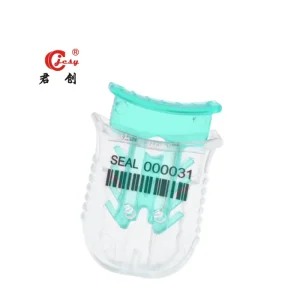
The reverse mistake happens too. Deploying a heavy container bolt seal on a residential utility meter adds cost without benefit. A meter seal provides appropriate tamper evidence for that application at a fraction of the price.
Seal Selection by Application
| Seal Type | Security Level | Best Fit | Defining Characteristic |
|---|---|---|---|
| Plastic Seals | Low to Medium | Retail, internal logistics | Cost-effective tamper indication |
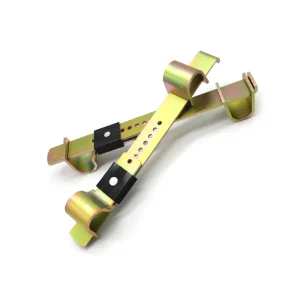
| Cable Seals | Medium to High | Trucks, valves, containers | Adjustable length, cut resistance |
| Bolt Seals | High | Shipping containers, rail cars | Meets ISO 17712, tool-resistant |
| Meter Seals | Low | Utility meters, drums | Simple access indicator |
An ISO 17712 cable seal or metal strap seal fills the middle ground for applications needing more than plastic but less than a full bolt seal. The key is matching the seal’s resistance level to the realistic threat profile.
If you’re interested in meter applications specifically, check 《Meter Lead Seals: Essential Security for Utility and Measurement Devices》.
The Inspection Gap That Lets Tampering Go Unnoticed
A seal applied correctly and never checked again provides limited value. Inspection protocols catch tampering that occurred after application. Without systematic verification, a compromised seal sits undetected until the asset it protected turns up missing or altered.
Effective inspection means looking for specific indicators: cuts, abrasions, stretched material, altered serial numbers, or replacement with a counterfeit seal. Plastic security seals with barcode markings require verification that the barcode matches records and hasn’t been tampered with.
Documentation matters as much as the physical check. Recording who applied the seal, when, and the serial number creates an audit trail. Recording who inspected it, when, and what they observed closes the loop. This data becomes essential during investigations and demonstrates compliance during audits.
Pattern analysis across inspection records can reveal systemic issues. If seals on a particular route show higher tampering rates, that points to a specific vulnerability worth addressing.
Regulatory Requirements That Catch Operations Off Guard
Compliance standards for security seals vary by industry and geography, but the consequences of non-compliance stay consistent: delays, fines, and cargo holds.
ISO 17712 sets the benchmark for high security seals used on intermodal containers. The standard specifies construction requirements, testing protocols, and tamper-evidence criteria. Seals that don’t meet ISO 17712 can’t legally be used on containers moving through ports that enforce the standard.
C-TPAT membership, which many importers pursue for expedited customs processing, requires using approved seal types and following documented procedures. Falling out of compliance means losing those benefits and potentially facing enhanced scrutiny.
Compliance Standards Overview
| Standard | Scope | Applies To | Core Requirement |
|---|---|---|---|
| ISO 17712 | High security seal specifications | Intermodal containers | Construction, testing, tamper evidence |
| C-TPAT | Supply chain security partnership | U.S. importers | Approved seals, documented procedures |
| National Customs | Country-specific rules | Import/export cargo | Varies by jurisdiction |
A barrier seal or security container bolt seal meeting ISO 17712 satisfies the strictest requirements. Using non-compliant seals on international shipments creates exposure that no cost savings can justify.
Environmental Conditions That Degrade Seal Performance
Seals operate in the real world, not in climate-controlled test labs. Temperature swings, chemical exposure, UV radiation, and physical stress during transit all affect material performance.
A standard plastic container seal can become brittle in sub-zero temperatures, cracking under normal handling stress. In hot climates, some plastics soften and lose their locking tension. Chemical environments present different challenges. An aluminium cable seal exposed to corrosive substances may weaken at the cable strands or the locking body.
Transit conditions add mechanical stress. Vibration over long hauls, impacts during loading, and compression from stacked cargo all test seal durability. A high quality cable security seal designed for these conditions uses materials and construction methods that account for real-world abuse.
Material selection should start with the operating environment. What temperatures will the seal experience? What chemicals might it contact? How much physical stress will it endure? Answering these questions before procurement prevents premature failures that look like tampering but actually reflect poor planning.
Building a Seal Program That Actually Works
Individual fixes address individual problems. A comprehensive approach prevents the problems from occurring in the first place.
Start with a clear assessment of what needs protection, what threats exist, and what conditions seals will face. This drives seal type selection and quantity planning. Procurement should prioritize quality and compliance over unit cost. A customized plastic seal from a reputable manufacturer costs more than a generic alternative but performs reliably.
Training deserves ongoing investment, not a one-time orientation session. Personnel who apply and inspect seals need regular refreshers and practical exercises. Procedures should be documented, accessible, and actually followed.
Inspection and record-keeping protocols require the same rigor as application procedures. Audits verify that protocols are followed and identify gaps before they become incidents. A high security truck seal provides its intended protection only within a system that supports proper use.
Seal Program Framework
- Assess – Identify assets, risks, and environmental factors
- Select – Match seal type to application requirements
- Source – Procure from manufacturers with quality track records
- Train – Educate personnel on application and inspection
- Document – Establish clear procedures and record-keeping
- Verify – Conduct regular inspections and audits
- Analyze – Review data for patterns and improvement opportunities
- Dispose – Manage used seals to prevent reuse or counterfeiting
What causes most security seal failures?
Improper application tops the list. Seals installed loosely, without full locking engagement, or by untrained personnel fail to provide tamper evidence. Wrong seal type for the application, inadequate inspection routines, and environmental damage round out the common causes. Each represents a preventable failure mode.
How do I verify that seals are being applied correctly?
Spot checks and audits reveal application quality better than self-reporting. Watch personnel apply seals periodically. Review inspection records for consistency. Look for patterns in seal failures that might indicate training gaps or procedural shortcuts. Corrective action should follow findings promptly.
What happens if I use seals that don’t meet ISO 17712?
For international container shipments, non-compliant seals can trigger cargo holds, inspection delays, and fines. C-TPAT members risk losing their trusted status. Beyond regulatory consequences, non-compliant seals may simply fail to resist tampering, defeating their purpose regardless of what customs authorities think.
Work With a Manufacturer That Understands Field Conditions
Shandong Junchuang Lock Industrial Co., Ltd. produces security seals designed for real-world applications, not laboratory conditions. Our product range covers plastic seals, cable seals, bolt seals, and meter seals meeting ISO 17712 and other relevant standards. Contact us at +86 13853189290 or [email protected] to discuss your specific requirements.