
Plastic seal strength is more than a number on a specification sheet. It is the result of material selection, molding precision, and consistent manufacturing quality. As a production manager with over fifteen years in seal manufacturing, I have seen seals with identical tensile ratings perform very differently in the field because of hidden production variables. Purchasing plastic seals that match your security needs means understanding how strength is measured, what real-world threats the seal must withstand, and crucially, whether the manufacturer can deliver that strength consistently across every order. This article covers the technical and practical factors procurement teams should evaluate before committing to a supplier.
How Plastic Seal Tensile Strength Is Measured
Tensile strength for plastic security seals is the force required to break or pull apart the seal body or locking mechanism. In production testing, we use a universal tensile testing machine that clamps the strap or body and applies increasing force until failure. The value recorded at break is the breaking strength, usually expressed in Newtons (N) or kilograms-force (kgf).
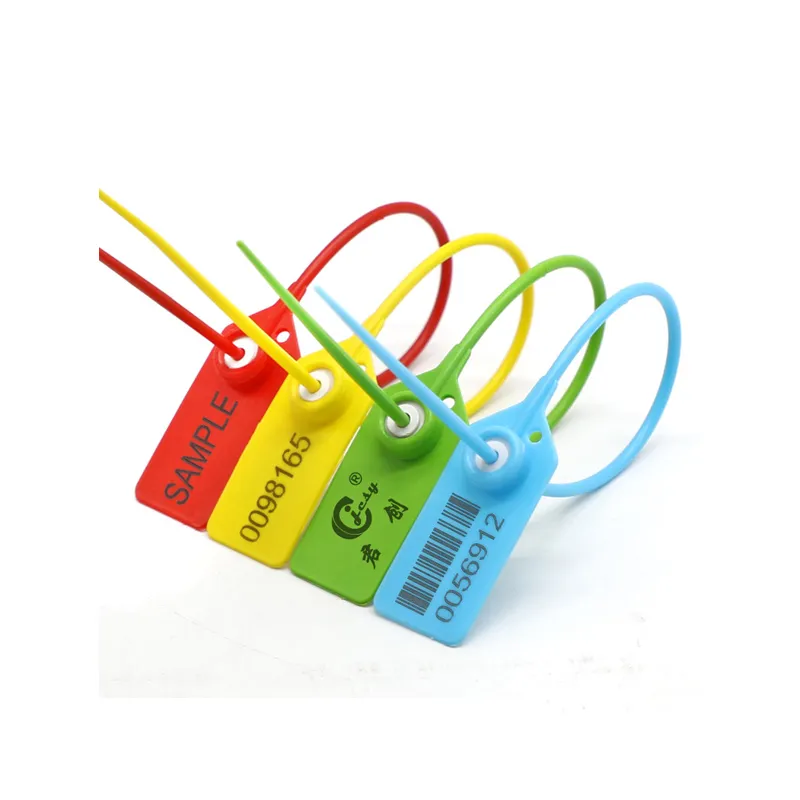
Common design types, such as pull-tight seals and padlock seals, have different failure modes. A pull-tight seal typically fails at the locking wedge when the strap pulls through, while a padlock seal may fail at the shackle or hinge. The design, not just the material, determines the ultimate tensile rating.
The table below shows typical tensile strength ranges for common plastic seal materials used in logistics and meter applications.
| Material | Typical Tensile Rating (N) | Common Use |
|---|---|---|
| Polypropylene (PP) | 150–250 | Truck seals, meter seals |
| ABS | 200–350 | Padlock seals, adjustable seals |
| Nylon | 300–500 | High-strength pull-tight seals |
Testing a single sample does not represent a production batch. We routinely pull samples from every production lot and record the mean, minimum, and standard deviation. A supplier that provides only a single max-value certificate is not giving you the information you need to assess real-world reliability.
Matching Seal Strength to Real-World Security Applications
Selecting the right plastic seal strength starts with analyzing the physical threat the seal will face during transport and storage. Not every application needs the highest tensile rating; some require specific tamper-evident features or environmental resistance instead.
Common Plastic Seal Use Cases and Strength Requirements
For truck trailer doors, a pull-tight plastic seal with a breaking strength of 150-200 N is typically sufficient. The primary security function is tamper evidence, not withstanding brute force. A heavy-duty truck seal may exceed 250 N, but the key is that the seal shows clear destruction if someone attempts to open the door.
Meter seals for electric, water, and gas utility cabinets require lower strength, around 100-180 N, because the seal’s role is to indicate unauthorized access rather than to physically prevent it. However, the seal must not break during normal handling, such as meter reading or maintenance.
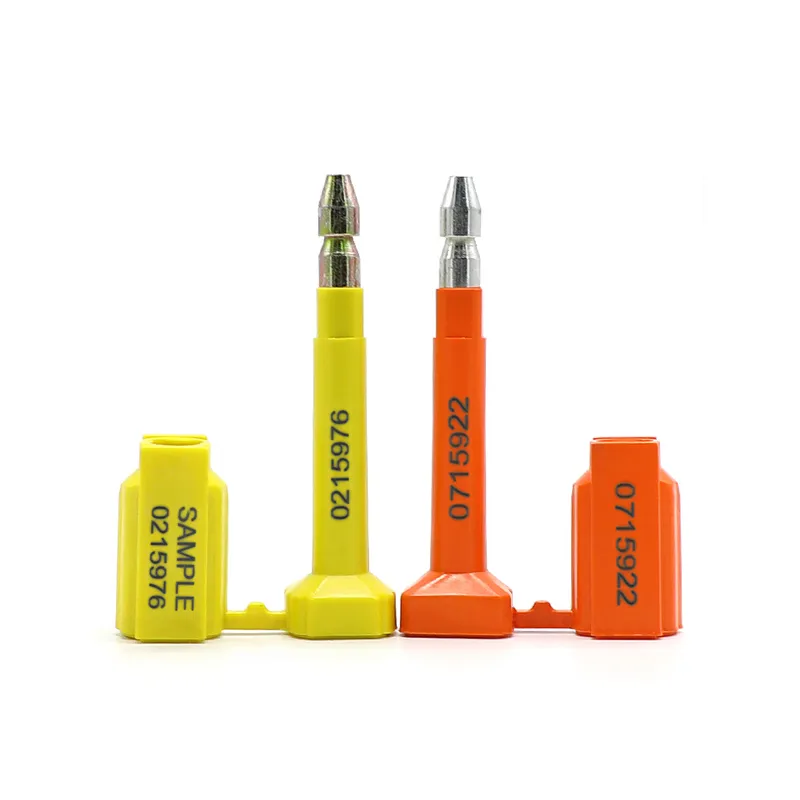
When comparing plastic seals to cable seals or bolt seals, the strength gap is clear: cable seals can offer tensile ratings above 1,000 N and bolt seals exceed 10,000 N. Plastic seals are chosen for cost-effective tamper evidence, not for high-security physical barriers. A well-designed plastic seal with clear tamper indicators can be more effective than an over-specified metal seal that is difficult to inspect.
For cold chain logistics or tropical environments, material selection matters more than raw tensile strength. Polypropylene can become brittle below freezing, while ABS or nylon blends perform better across wider temperature ranges. If your shipments move through extreme climates, discuss material specifications with your manufacturer before finalizing the order. If your application involves cold-chain logistics or extreme temperature swings, standard polypropylene seals may become brittle. It is worth confirming low-temperature impact resistance with the manufacturer before specifying. Reach out at [email protected] with your temperature requirements, and we can recommend suitable materials.
Why Manufacturing Consistency Trumps Spec Sheet Numbers
A spec sheet showing 250 N tensile strength means nothing if production variation causes half your batch to break at 180 N. In production operations, I have identified three manufacturing variables that directly affect plastic seal strength consistency.
First, raw material purity. Using recycled or mixed-source plastic pellets can create stress concentration points inside the molded strap. We maintain strict incoming material inspection and require virgin-grade or certified recycled content to control variability.
Second, mold condition and maintenance. An injection mold with worn gate areas or uneven cooling channels can produce seals with micro-cracks or inconsistent wall thickness. A supplier should have a documented mold maintenance schedule and replace cavities after a specified number of cycles.
Third, processing parameters. Pellet drying time, melt temperature, injection pressure, and cooling cycle duration all influence the final polymer structure. A factory that does not log these parameters per batch cannot prove consistency.
When I audit a prospective partner’s production line, I look at their process control records before I look at their marketing brochures. A manufacturer that can show you SPC (statistical process control) charts for tensile strength across consecutive production runs is far more reliable than one offering only a one-time test certificate.
Five Steps to Verify a Plastic Seal Supplier’s Production Quality
Taking the following steps before placing a bulk order reduces the risk of receiving substandard seals.
- Request batch-specific tensile test data. Ask for test reports from your actual production lot, not a generic certificate. The report should include sample size, mean strength, and minimum value.
- Inquire about mold maintenance records. A supplier should track mold usage hours and cavity replacement dates, and they should share this data during qualification.
- Request a material certification. Whether virgin polypropylene, ABS, or nylon, the supplier should provide the resin manufacturer and grade, along with any relevant test reports.
- Order a pre-production sample. Specify your tensile and dimensional requirements and test incoming samples before approving mass production.
- Conduct an on-site or third-party audit. Review the injection molding process, quality lab equipment, and sample retention area.
Each of these steps addresses a specific risk: inconsistent strength, premature aging, or hidden defects that only appear after the seal leaves the factory.
Getting Plastic Seals That Match Your Strength Requirements
When purchasing plastic security seals, the gap between spec-sheet strength and real-world durability can lead to cargo compromises. Instead of relying on generic catalog data, work with a manufacturer that provides batch-specific tensile testing and material traceability.
Send your part number and quantity estimate to [email protected] or call +86 13853189290, and we will arrange sample shipment including tensile test reports for your review.
Common Questions About Plastic Seal Performance
What is the typical breaking strength of a plastic security seal?
Typical plastic pull-tight seals break between 100 N and 400 N depending on material and strap width. A standard truck seal made of polypropylene often breaks around 200 N, but that number shifts with strap thickness; a 0.8mm strap will have lower tensile strength than a 1.2mm strap of the same material. The design of the locking wedge also affects break force, not just the material rating. When comparing products, always request the tensile test value for the exact model and dimensions you intend to use, rather than a generic product line specification.
Can plastic seals be used outdoors?
If the plastic formulation includes UV stabilizers, plastic seals can handle months of direct sunlight with minimal degradation. For permanent outdoor installations, consider ABS or nylon seals, which offer better weather resistance than standard polypropylene. Even with UV protection, no plastic seal maintains full original strength indefinitely in outdoor exposure, so include regular inspection cycles in your security protocol. If your application places seals in direct sunlight year-round, ask the manufacturer for accelerated aging test data before ordering.
How do I know if a plastic seal has been tampered with?
If you spot stretch marks near the locking point, deformation of the strap, color change from stress whitening, or cracks at the entry point, the seal has almost certainly been forced. Most plastic seals show clear signs of destructive removal, including a completely broken strap, so a visual check is usually sufficient for tamper detection. Training your receiving team to recognize these indicators during inbound container or trailer inspections catches the majority of tampering attempts.
Do all plastic pull-tight seals have the same strength?
Many buyers assume all pull-tight seals are similar in strength, but strap width, thickness, and material grade produce wide performance differences. A narrow polypropylene strap may break at 80 N, while a wider nylon strap can exceed 400 N. Beyond the material, the locking wedge design matters; a poorly engineered wedge can cause premature slip before reaching the rated break force. Always request the specific tensile rating for the exact model and dimensions you plan to use, not a general product line figure.
For applications requiring specific tensile strength or regulatory documentation, share your requirements with us and we will confirm the appropriate seal model and compliance support. Contact [email protected].
If you’re interested, check out these related articles:
Tamper Evident Seals: Securing Assets and Ensuring Integrity – Junchuang Lock
Preserving Security Seal Integrity: A Storage Best Practices Guide – Junchuang Lock