
Plastic padlock seal strength is often reduced to a simple kilogram rating, but real-world reliability comes from the consistency of the injection molding process, the integrity of the locking mechanism, and rigorous quality testing. Having managed production operations at a seal factory for over a decade, I’ve seen that two seals with identical material grades can perform very differently depending on how they are made. This guide explains how padlock seal strength is determined, tested, and verified, so you can evaluate suppliers with the same critical eye we apply on our factory floor.
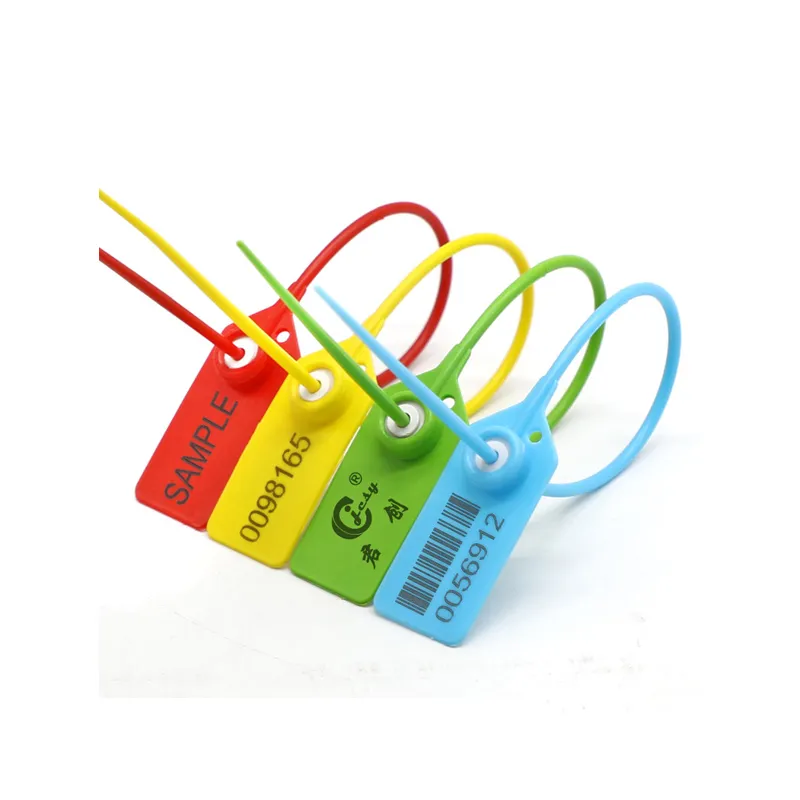
What Tensile and Breaking Ratings Actually Mean
A padlock seal’s strength is usually indicated as a tensile pull strength, measured in kilograms or Newtons. That number represents the force required to pull the seal body apart under a straight, steady load. In a real shipment, forces are rarely applied so neatly. The seal might be yanked at an angle, subjected to vibration, or combined with twisting, any of which can lower the effective failure point. We have seen seals rated for 20 kg fail in the field at less than 15 kg because the pull direction was uneven.
Understanding Tensile vs. Breaking Force
Tensile strength is the maximum stress a material can withstand while being stretched before necking occurs. Breaking force is the actual load at which the seal snaps. In a properly molded padlock seal, these two values should be close. A gap between them often signals inconsistent material blending or poor mold flow. We regularly test both on our production lines with a digital force gauge, and we look for the break to happen cleanly at the locking tab, not at random points in the strap. This consistency matters more than the absolute number printed in a catalog.
Does Material Thickness Equal Strength?
Thicker plastic does not automatically mean stronger. Polypropylene grades differ widely in tensile modulus and impact resistance. A thinner strap made from a high-crystallinity PP with good molecular orientation will outperform a thicker strap from a cheaper, less consistent grade. In our factory, we control melt temperature and mold cooling rates specifically to strengthen the strap’s internal structure without adding bulk. Over-reliance on thickness alone leads to seals that feel sturdy but turn brittle in cold environments.
How the Manufacturing Process Determines Real-World Strength
The design file might specify a 25 kg seal, but the actual strength out of the machine depends on how the material flows and freezes into shape. Overheating the melt degrades the polymer chains, and rapid cooling can create internal stress points that crack under load. Consistent strength comes from stable process parameters, not from the raw material alone.
Injection Molding Parameters That Affect Integrity
Melt temperature, injection pressure, holding time, and mold temperature all influence the crystallinity and orientation of the polypropylene. A slight drop in mold temperature can produce a seal that looks identical but has microscopic voids where the material didn’t pack fully. Those voids become crack initiation points when the seal is pulled. We log every parameter for each production batch to ensure the machine settings that produced a strong seal sample are exactly the ones used for the full order.
Why Locking Mechanism Design Matters More Than You Think
Even if the strap is strong, the seal is only as secure as the locking insert. A poorly designed tooth and pawl mechanism can slip or disengage under load. We use a one-way locking insert with a stainless steel or reinforced plastic jaw that digs into the strap, preventing pull-back. The insert must hold the strap without cutting into it too deeply, which could weaken the strap at the locking point. Our mold engineers adjust the tooth angle and depth in small increments based on pull-test results, balancing grip with material preservation.
If your supplier’s strength claims seem inconsistent, it is worth confirming their molding consistency and locking insert design before finalizing a bulk order. Reach out at [email protected] and I can help you evaluate what their spec sheet really tells you.
Quality Testing That Verifies Strength Before Shipping
A lot of suppliers will quote a strength number and leave it at that. In our facility, every padlock seal batch goes through destructive and non-destructive checks before packing. This is where the difference between a catalog promise and field performance becomes visible.
Factory Pull Tests and Drop Tests Explained
We pull a statistically significant sample from each production run on a tension testing machine. The seal is locked closed, the strap is clamped, and the machine pulls at a constant speed until failure. We record the peak force and the failure mode. Separately, we drop a small sample of locked seals from a set height onto a concrete floor, then test them again for any drop in pull strength. This drop test simulates handling impacts that happen during shipping and installation.
Visual Inspection Checklists for Batch Consistency
Testing a few pieces is not enough; every seal leaving the factory must pass a visual check. We look for flash at the parting line, sink marks, incomplete fill, and discoloration that suggests burnt material or uneven masterbatch mixing. Operators also check that the locking tab engages fully with the strap and that the strap thickness is uniform from base to tip. These simple checks catch process drift before it affects a whole container load of seals.
What to Ask a Supplier About Padlock Seal Strength
When sourcing padlock seals, the supplier’s test report tells only part of the story. You should ask how they perform testing: do they test at the beginning, middle, and end of a run? Request the raw data from their pull tests, not just the average. A wide spread between minimum and maximum values indicates process instability. Also, ask about the specific polypropylene grade they use and whether it includes UV stabilizers if the seals will be outdoors. A supplier who can show you batch-specific test logs and material certificates is demonstrating the kind of transparency that reduces risk in your supply chain. Another good question is whether they test at different temperatures, because a seal that holds 30 kg at room temperature might snap at 12 kg in freezing cold.
Matching Seal Strength to Your Application’s Demands
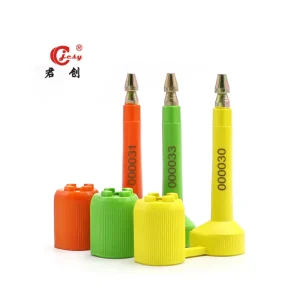
Not every door needs the strongest seal available. Over-specifying can increase cost without adding security value. For light to medium duty truck doors, roll-up doors, and warehouse cages, a padlock seal rated between 15 kg and 25 kg is usually sufficient. Where you need both strength and adjustability, a cable seal might be a better fit, but many logistics managers prefer the padlock style for its fast locking and visible presence. For ocean container doors, a bolt seal is the correct choice, because padlock seals do not meet ISO 17712 high-security requirements.
When a Bolt Seal Is a Better Choice
If the shipment crosses international borders, involves high-value cargo, or requires compliance with customs security programs, a bolt seal meeting ISO 17712 is mandatory. Padlock seals serve well as indicators of unauthorized access and deterrents for casual tampering on domestic routes and closed-loop logistics. We always recommend matching the seal type to the threat level rather than pushing a single product. Our most successful customers use padlock seals on regional trucks and bolt seals on containers heading to port.
| Application | Recommended Seal Type | Typical Strength | Compliance |
|---|---|---|---|
| Domestic truck doors | Plastic padlock seal | 15 – 25 kg tensile | Internal audit requirement |
| Warehouse cages | Plastic padlock seal | 10 – 18 kg tensile | Internal audit requirement |
| Intermodal container | Bolt seal | 1,000 kg tensile minimum | ISO 17712 |
| Tanker hatches | Cable seal | 200 – 500 kg | Varies |
The strength numbers you see in factory reports are the result of both material choice and process discipline. At Junchuang, we combine raw material selection, closed-loop process control, and pre-shipment pull testing to deliver padlock seals that match the strength you specify, batch after batch. To discuss your specific requirements or request sample test data, contact me at [email protected] or call +86 13853189290.
Common Questions About Plastic Padlock Seal Strength
How much pull force can a typical plastic padlock seal withstand?
Most padlock seals we produce range from 10 kg to 30 kg pull strength, depending on the strap dimensions and material grade. The failure point is not just about the strap breaking; the locking mechanism must also hold. A seal rated for 20 kg should not slip at 15 kg. In our factory testing, we ensure the lock engages and the strap breaks cleanly at the rated force. If your operation needs higher pull strength, a cable seal or bolt seal is a better option because padlock seals are not designed for heavy tensile loads.
Are custom printed seals as strong as standard ones?
Yes, when the printing method is right. We use hot stamping or laser marking that does not cut into the strap or create stress risers. The ink and foil we use are formulated for polypropylene and do not degrade the material. Avoid pad printing with aggressive solvents that can attack the polymer surface. In our production, printed and unprinted seals from the same batch test within the same strength range. If a supplier’s printed seals test lower, it is usually a sign the printing process is damaging the strap.
How do temperature and weather affect padlock seal strength?
Polypropylene becomes brittle in extreme cold. A seal that holds 25 kg at 20°C may snap at 12 kg in sub-zero temperatures. UV exposure over months degrades the polymer surface, reducing strength gradually. We add UV stabilizers and cold-impact modifiers to our outdoor-grade seals, which keeps the material flexible down to -20°C. If your route runs through cold climates, specify that requirement so the supplier can select the right compound.
What should I look for when inspecting incoming padlock seals?
Sample at least 10 pieces from different cartons. Lock each one and pull until it breaks, recording the force. If the values vary by more than 20% from the claim, or if the failure mode changes, stop the lot. Also check for any burrs on the strap that could hinder locking. A consistent failure at the locking tab is good; random mid-strap breaks suggest molding defects. We inspect every shipment internally the same way and recommend our clients do spot checks.
What is the difference between a padlock seal and a cable seal?
A padlock seal locks like a small plastic padlock, with a one-way inserter that clicks closed. A cable seal uses a steel cable that passes through a locking body. Cable seals handle much higher tensile forces, typically 200 kg or more, and can be tightened around irregular door handles. Padlock seals are quicker to apply and remove, making them ideal for frequent-access doors. If you need a seal that primarily indicates tampering rather than resisting brute force, a padlock seal is cost-effective. Share your door type and route conditions with me at [email protected], and I’ll help you decide which design fits your security plan.
If you’re interested, check out these related articles:
Bolt Seals for Containers: Enhancing Global Cargo Security – Junchuang Lock
China Cable Seal Factory Buying Guide for Secure Industrial Procurement – Junchuang Lock
Lead Seal vs Plastic Meter Seal: Ultimate Security Comparison – Junchuang Lock