
Picking the right security seal comes down to what you’re actually protecting and how much tampering risk you’re willing to accept. Lead seals held their ground for decades because they were cheap and simple, but the trade-offs become harder to justify once you factor in environmental disposal headaches and the reality that soft metal doesn’t resist determined tampering particularly well. Plastic meter seals have largely taken over for good reasons, though the decision isn’t always straightforward depending on your specific application and regulatory environment.
How Lead Seals Worked and Why They Stuck Around
Lead seals paired with sealing wire created a straightforward tamper-evidence system that served utility meters, cargo containers, and official documents for generations. The installation process involved threading wire through whatever needed securing, feeding both ends into the lead body, and crimping with a specialized tool. That crimping action left a unique impression in the soft metal, theoretically proving the seal remained intact.
The material’s softness made application easy. Any pressure deformed lead readily, which meant installation required minimal effort. That same characteristic provided basic tamper evidence since manipulation would visibly distort the seal surface. For a long time, this seemed adequate given the low cost and simple visual inspection requirements.
The problems became harder to ignore over time. Lead’s low breaking strength meant determined tampering could succeed without leaving obvious marks. Environmental concerns grew as awareness of lead toxicity spread, and disposal became increasingly regulated. Cutting the wire for removal left behind hazardous material that couldn’t simply go in regular waste streams. Despite these issues, established procurement practices and cost considerations kept lead seals in use longer than their performance warranted.
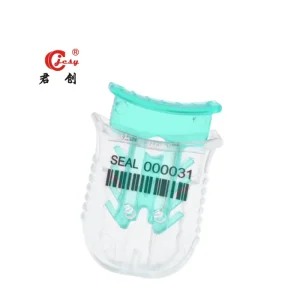
What Changed With Plastic Meter Seals
The shift toward plastic meter seals happened because security requirements, durability expectations, and environmental standards all moved in directions lead couldn’t follow. Modern seals use engineered polymers, primarily polypropylene or nylon, that address the weaknesses inherent in soft metal construction.
Material durability improved dramatically. Unlike lead, plastics can be formulated to handle temperature extremes, UV exposure, and chemical contact without degrading. This matters for seals that might sit on outdoor meters for years or travel through multiple climate zones in shipping containers. The integrity holds up where lead would corrode or deform.
Tamper resistance became more sophisticated through design rather than just material strength. Multiple locking points, fragile break-points engineered to show evidence of manipulation, and internal mechanisms that prevent re-sealing after removal all contribute to security that lead simply couldn’t match. You can’t carefully pry open a well-designed plastic seal and expect to hide what you did.
Environmental considerations favor plastic seals substantially. Recyclable materials without hazardous content align with regulations that increasingly restrict lead use. Disposal becomes routine rather than a compliance headache. The initial unit cost might run slightly higher, but long-term economics favor plastic when you account for reduced tampering incidents, lower environmental liability, and better durability.
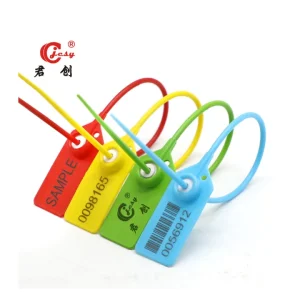
Customization opened up entirely new capabilities. Laser-printed serial numbers, barcodes, company logos, and QR codes transform seals from simple physical barriers into trackable assets. Plastic Seal with Serial Number options enable individual asset tracking across supply chains. Plastic Security Seals with Barcode integration connects physical security to digital inventory systems, which proves particularly valuable for utility metering operations managing thousands of connection points.
Performance Comparison Between Lead and Plastic Seals
Comparing these seal types across specific metrics clarifies where plastic seals earn their growing market share.
| Feature | Lead Seals | Plastic Seals |
|---|---|---|
| Tamper Resistance | Low; easily manipulated without clear trace | High; sophisticated designs, clear tamper signs |
| Breaking Strength | Low | Varies; can be very high depending on material |
| Temperature Range | Limited; can deform under heat or extreme cold | Wide; engineered for various environmental conditions |
| Chemical Resistance | Poor; susceptible to corrosion | Good; resistant to many common chemicals |
| Environmental Impact | High; contains toxic lead, disposal issues | Low; often recyclable, lead-free |
| Serialization | Limited; manual marking | High; laser printing, barcodes, QR codes |
| Cost | Low initial cost | Moderate initial cost, lower long-term cost |
Lead’s soft composition works against security. Skilled tampering can manipulate the seal subtly enough that visual inspection misses the intrusion. Plastic seals designed with internal locking mechanisms and calibrated breaking points leave unambiguous evidence when someone attempts unauthorized access. The breaking strength gap widens further with nylon-based seals, which resist cutting and pulling forces that would defeat lead easily.
Environmental performance differences matter for outdoor installations. Temperature swings that would crack or deform lead seals leave properly specified plastic seals unaffected. Chemical exposure from industrial environments or even common cleaning agents can compromise lead while plastic resists degradation. This translates directly to longer service life and fewer replacement cycles.
Regulatory compliance increasingly favors plastic. Environmental standards restrict lead use in many jurisdictions, and supply chain security requirements often specify tamper-evident features that lead seals cannot provide. Visual inspection becomes more reliable with plastic seals because tamper indicators and high-contrast serialization make status assessment straightforward.
Are plastic meter seals more secure than lead seals?
Plastic meter seals provide stronger security than lead seals in most applications. The engineering behind modern Plastic Security Seal designs incorporates locking mechanisms, unique serial numbers, and materials specifically chosen for tamper resistance. Lead’s softness allows careful manipulation and potential re-sealing without obvious evidence. Plastic seals break or deform in ways that cannot be hidden, making unauthorized access detectable during routine inspection. The security gap widens further when serialization enables tracking individual seals through their lifecycle.
What are the environmental benefits of using plastic seals?
Plastic seals eliminate the hazardous material concerns that complicate lead seal disposal. Lead toxicity creates regulatory requirements for handling and disposal that add cost and liability. Plastic seals, particularly those designed as recyclable products, fit into standard waste streams or recycling programs without special handling. This alignment with environmental regulations reduces compliance burden while demonstrating commitment to sustainable operations.
Economic Reality of Seal Selection
Purchase price tells only part of the cost story. Lead seals look cheaper per unit, but the full economic picture shifts when you account for installation labor, replacement frequency, security breach costs, and environmental compliance.
Lead seal installation requires crimping tools and more handling time per seal. Plastic seals often feature tool-free application mechanisms that speed installation significantly. Across thousands of installations, that time difference accumulates into meaningful labor cost savings.
Durability affects replacement economics directly. Lead seals corrode, deform, and degrade faster than plastic alternatives, particularly in challenging environments. Each replacement cycle costs money for the seal itself plus labor for removal and reinstallation. Plastic seals engineered for environmental resistance reduce replacement frequency substantially.
Security breach costs dwarf any per-unit seal price difference. Theft, product loss, and reputation damage from tampering incidents can run into thousands or millions depending on what’s being protected. Plastic seals with advanced tamper-evident features reduce successful tampering rates, protecting against losses that would overwhelm any seal procurement savings.
Environmental compliance costs for lead disposal add up over time. Regulatory fines for improper handling create liability that doesn’t appear on initial purchase orders. Plastic seals eliminate this category of cost entirely while simplifying waste management procedures.
If you’re interested, check 《Meter Lead Seals: Essential Security for Utility and Measurement Devices》.
Regulatory Requirements Shaping Seal Selection
Regulatory frameworks increasingly push organizations toward plastic seals regardless of preference. Environmental regulations, security standards, and industry-specific requirements all favor modern sealing solutions.
RoHS directives and similar regulations restrict hazardous substances including lead in industrial applications. Many jurisdictions now prohibit or heavily regulate lead use, making compliance with lead seals increasingly difficult. Plastic seals meet these requirements automatically since they contain no restricted materials.
Security standards like ISO 17712 High Security Seal specifications set performance requirements that lead seals rarely meet. These standards define tamper resistance levels, breaking strength minimums, and evidence requirements that modern plastic seals are specifically engineered to satisfy. Supply chain security for international shipping often requires ISO 17712 compliance, effectively mandating plastic or metal seals over lead.
Industry-specific regulations add additional requirements depending on application. Utility metering, pharmaceutical distribution, and food transportation all face regulatory scrutiny that favors traceable, tamper-evident sealing solutions. The serialization and customization capabilities of plastic seals support compliance documentation that lead seals cannot provide.
Non-compliance consequences include fines, legal liability, and exclusion from certain markets or contracts. Selecting seals that meet current standards protects against these risks while positioning organizations for tightening future requirements. Our manufacturing covers Cable Seals, Bolt Seals, and Plastic Seals designed to meet relevant standards across applications.
Matching Seal Selection to Application Requirements
Choosing the right seal requires systematic evaluation of security needs, environmental conditions, operational factors, and regulatory requirements.
Security level assessment comes first. High-value assets or critical infrastructure justify high-security seals with robust tamper-evident features and strong breaking resistance. Lower-risk applications might accept basic tamper-evident seals that cost less but still provide meaningful protection.
Environmental conditions determine material requirements. Temperature extremes, UV exposure, chemical presence, and physical handling all influence which seal designs will maintain integrity throughout their service life. Outdoor installations demand UV-resistant materials. Chemical processing environments need seals that resist specific substances present in the facility.
Operational considerations include application ease, removal procedures, and serialization needs. Seals that install quickly without tools reduce labor costs. Serialization requirements depend on whether individual seal tracking adds value for your inventory management or audit procedures.
Regulatory compliance and budget constraints round out the evaluation. Meeting all applicable standards is non-negotiable. Budget decisions should reflect total cost of ownership including durability, security effectiveness, and compliance costs rather than just purchase price.
How do I choose the right security seal for my specific application?
Start by defining the security level your assets require. Evaluate environmental conditions including temperature range, chemical exposure, and UV levels. Determine necessary tamper-evident features and minimum breaking strength for your threat profile. Consider whether serialization, barcoding, or custom branding adds value for your operations. Verify that candidate seals comply with all applicable industry and environmental regulations. This structured approach identifies seals that balance security effectiveness with cost efficiency for your specific situation.
Secure Your Assets with Junchuang Lock Industrial Co., Ltd
For advanced tamper-evident solutions and expert guidance on selecting the optimal plastic meter seals for your specific security needs, contact Shandong Province Qingyun County Junchuang Lock Industrial Co., Ltd. Our team is ready to provide tailored recommendations and discuss how our innovative sealing products can enhance your asset protection and operational integrity. Reach out today for a consultation or to explore our extensive range of high-quality security seals. Mobile: +86 13853189290 | Email: [email protected] | Whatsapp: +86 13853189290
Frequently Asked Questions About Security Seals
What are the primary differences between lead and plastic seals?
Lead seals rely on soft metal that crimps easily but offers limited tamper resistance and creates disposal complications due to toxicity. Meter Seals made from plastic use engineered polymers that provide stronger tamper evidence through designed breaking points, resist environmental degradation better, and support serialization features that lead cannot accommodate. The environmental and security performance gaps favor plastic in most modern applications.
How do material properties affect seal performance and security?
Material properties determine how seals respond to tampering attempts and environmental stress. Lead’s malleability allows simple installation but also enables subtle manipulation that may escape detection. Plastic seals engineered from polypropylene or nylon can achieve high breaking strength, resist chemical attack, and maintain integrity across temperature extremes. These material advantages translate directly into better security and longer service life.
Why choose plastic meter seals over traditional lead seals for modern applications?
Plastic meter seals address the limitations that made lead seals increasingly problematic. Superior tamper-evident designs make unauthorized access detectable. Recyclable, lead-free materials eliminate environmental compliance headaches. Customization options including barcodes and serial numbers enable asset tracking that lead seals cannot support. Better durability reduces replacement frequency. The combination of improved security, environmental responsibility, and operational efficiency makes plastic the practical choice for current applications.