
Securing cargo across international routes has never been a simple problem. The stakes are high, the distances are long, and the opportunities for tampering multiply at every transfer point. Bolt seals have become the standard response to this challenge, offering both physical resistance and a clear record of any interference. They work because they are difficult to defeat and impossible to reseal once compromised. For anyone managing freight across borders, understanding how these devices function and what separates a reliable seal from a marginal one is not optional knowledge.
What Makes a Bolt Seal Effective
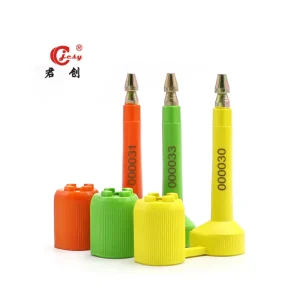
A bolt seal consists of two primary components: a hardened steel pin and a locking barrel. Most designs encase these parts in ABS plastic, which serves both as a protective shell and a surface for identification markings. The steel bolt provides the tensile strength that makes removal without heavy-duty cutters impractical. This physical barrier is the foundation of the device’s security value.
The locking mechanism is permanent by design. Once the bolt enters the barrel, it cannot be withdrawn intact. Removal requires cutting, which leaves unmistakable evidence of tampering. Manufacturers laser-etch sequential numbers and company logos onto both components, making any attempt to swap or manipulate seals immediately detectable. Advanced designs include anti-spin features that prevent rotation after locking, eliminating another potential attack vector. Material selection matters here. High-grade steel resists cutting tools, while impact-resistant ABS plastic survives the rough handling common in freight environments. Junchuang Lock Industry builds these principles into every bolt seal they manufacture.
Why ISO 17712 Certification Matters
ISO 17712 establishes the international benchmark for bolt seal performance. The standard tests both physical strength and tamper-evident properties, creating a classification system that customs authorities worldwide recognize. Compliance is not a marketing claim. It is a prerequisite for customs clearance and participation in programs like C-TPAT, which demand verified security measures throughout the supply chain.
The standard defines three seal categories: Indicative (I), Security (S), and High Security (H). Only H-class seals qualify for international container shipments. This distinction exists because the consequences of seal failure extend beyond individual cargo losses. A compromised seal can delay entire shipments, trigger inspections, and damage relationships with customs authorities. Junchuang Lock Industry certifies all high-security products to ISO 17712 standards, providing documentation that verifies performance rather than simply claiming it.
| ISO 17712 Classification | Description | Application Example |
|---|---|---|
| I (Indicative) | Minimal breaking strength | Internal controls, inventory management |
| S (Security) | Moderate breaking strength | Domestic freight, less stringent security needs |
| H (High Security) | High breaking strength, tamper-evident | International shipping containers, C-TPAT compliance |
For context on how different sealing approaches address specific security requirements, 《Meter Lead Seals: Essential Security for Utility and Measurement Devices》 examines another category of tamper-evident solutions.
Where Bolt Seals Fit in Global Freight Operations
Bolt seals secure cargo across every major transport mode. Their value becomes most apparent in intermodal operations, where containers move between ships, rail cars, and trucks. Each transfer creates an opportunity for unauthorized access, and a consistent sealing protocol reduces that exposure.
Marine shipping presents particular challenges. Containers spend weeks in transit, often stacked in locations where monitoring is impossible. A bolt seal provides assurance that the container remained closed throughout the voyage. Rail and trucking operations face different risks, including stops at yards and terminals where containers sit unattended. The same seal that survived an ocean crossing continues to protect cargo through these final-mile vulnerabilities.
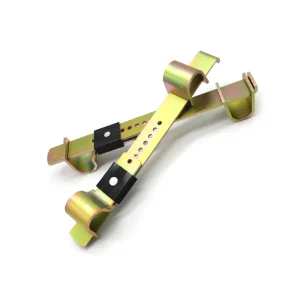
Proper application matters as much as seal quality. The bolt must engage the container’s locking bars correctly, and the serial number must be recorded and verified at every handoff. This systematic approach transforms a simple device into an effective security protocol.
How Bolt Seals Defeat Common Tampering Methods
Thieves and smugglers have developed various techniques for bypassing container security. Bolt cutters remain the most direct approach, but a properly constructed seal requires significant force and specialized equipment to defeat. The time and noise involved create detection risks that deter opportunistic theft.
More sophisticated attempts involve manipulating the locking mechanism or substituting counterfeit seals. Anti-spin features prevent rotation attacks, while laser-etched markings make counterfeiting difficult and expensive. The unique serial number on each seal creates a verification chain that extends from manufacturer to final destination. Any discrepancy between the seal on a container and the number in shipping documents triggers investigation.
Regular integrity checks throughout the supply chain catch problems before they compound. A seal that shows signs of stress or manipulation warrants inspection even if it remains technically intact. This vigilance, combined with robust seal construction, creates multiple layers of protection against cargo theft.
Selecting Bolt Seals That Meet Operational Requirements
Procurement decisions should start with certification verification. ISO 17712 High Security classification is non-negotiable for international shipments. Beyond that baseline, material quality and construction details determine real-world performance. Hardened steel bolts and durable ABS bodies outperform cheaper alternatives under actual operating conditions.
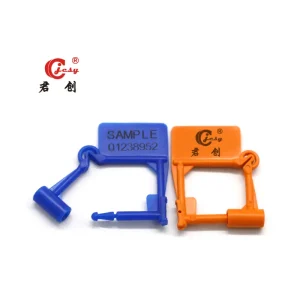
Customization options serve practical purposes beyond branding. Laser-etched logos and barcodes support tracking systems and provide additional authentication markers. Sequential numbering enables inventory control and simplifies documentation. These features add modest cost but deliver significant operational benefits.
Supplier reliability deserves careful evaluation. Consistent quality across large orders matters more than impressive samples. Junchuang Lock Industry maintains production standards that ensure every seal performs to specification, not just the ones submitted for testing.
Work With a Manufacturer That Understands Freight Security
Shandong Junchuang Lock Industry Co., Ltd. produces ISO 17712 compliant bolt seals designed for the demands of international logistics. Contact the team at +86 13853189290 or [email protected] to discuss security requirements specific to your operations.
Frequently Asked Questions About Bolt Seals
How can I verify the authenticity and integrity of a bolt seal?
Start with a visual inspection for cuts, breaks, or altered markings. Compare the serial number against shipping documentation. Confirm that logos and special markings appear genuine and match manufacturer specifications. Perform these checks at every transfer point, not just at origin and destination. Discrepancies at any stage warrant investigation before the container moves further.
What types of high-security bolt seals are available for container applications?
ISO 17712 H-class seals represent the standard for international container security. Within this category, designs vary in bolt diameter, length, and specific features like anti-spin mechanisms or enhanced tamper-evident markings. Junchuang offers multiple variants to address different operational requirements and security protocols. The right choice depends on specific route risks, handling conditions, and compliance requirements.
How do bolt seals prevent cargo theft during transit?
The hardened steel construction creates a physical barrier that requires specialized tools and significant effort to defeat. Any successful attack leaves visible evidence that triggers investigation. Unique serial numbering prevents seal substitution, since a replacement seal will not match documented records. These combined features make unauthorized access detectable even when direct observation is impossible, which describes most of the time cargo spends in transit.