
Negotiating with security seal factories is not about squeezing the lowest unit price; it is about aligning your order volume with the factory’s production realities. In over fifteen years of managing seal production lines, I have watched importers lose money on “cheap” deals that fell apart on the third shipment because the factory could not sustain quality at that margin. The key variables you control—order quantity, specifications, and payment structure—directly influence per-unit cost and delivery reliability. Understanding how a factory floor actually operates gives you the leverage to negotiate terms that protect your supply chain. A rigid negotiation strategy that ignores production constraints almost always backfires. When you know the factory’s cost structure and quality rhythm, you can write an order that both sides can deliver on.
Understanding a Security Seal Factory’s Production Realities
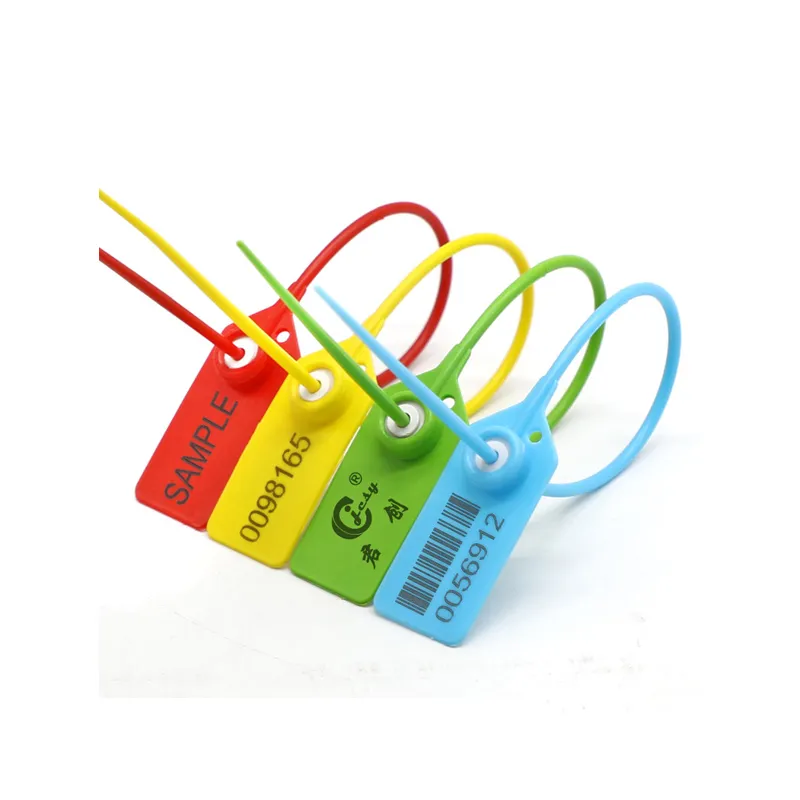
A security seal factory does not produce on demand like a printer. Each product line—bolt seals, cable seals, plastic seals—runs on dedicated injection molding machines or stamping presses that require setup time and material changeovers. In our plant, switching from one padlock seal body mold to another takes about two hours, and the injection barrel needs another hour to reach stable temperature. A 500-piece order therefore consumes the same machine availability as a 2,000-piece run, spreading fixed setup costs over fewer units. Raw materials add another layer: zinc alloy for bolt seal barrels and ABS resin for plastic seals both have supplier lead times, so the factory must pre-order stock based on forecast, not on a single urgent purchase order. When you negotiate terms, you are essentially scheduling a slot in a production calendar that is already booked with commitments.
How do factory production schedules affect lead times?
Small orders rarely run immediately. Factories group similar product orders to minimize mold changes, so your order may be slotted into a production window that runs every ten to fourteen days. A buyer who demands a seven-day turnaround on a 1,000-piece cable seal order will likely find the factory pushing it into overtime or, worse, cutting inspection steps to meet the date. Negotiate a delivery window instead of a fixed date, and ask the factory explicitly how their production cycles align with your requested volume. That single question often shortens lead times more than any hard deadline.
Why does MOQ matter more than unit price?
MOQ is not an arbitrary gate; it is the breakeven point for a production run. Below MOQ, per-unit cost increases because machine idle time, material scrap, and operator wages are constant. A buyer who hammers the factory down to a USD 0.05 per seal price but then insists on a 200-piece order has simply shifted the loss to the factory—and that loss will surface later as material substitution or skipped sampling. Align your order quantity with the factory’s real production minimum, and you get a price that the factory can deliver without cutting corners.
The Negotiation Variables That Actually Control Your Cost
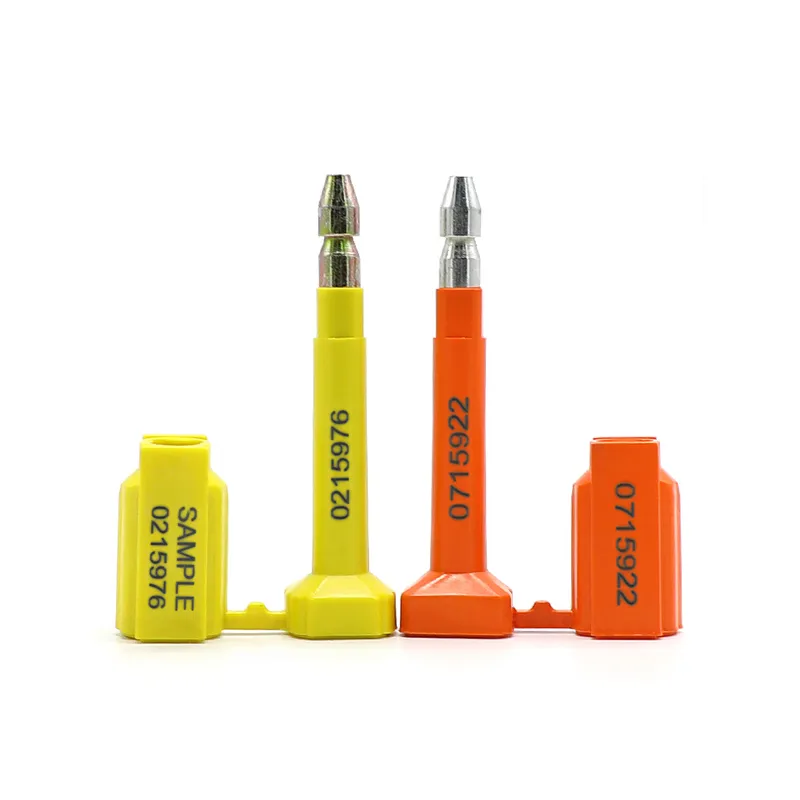
Unit price is the most visible number, but three other factors drive your total landed cost: order quantity, payment structure, and specification consistency. Raw material costs fluctuate monthly; if you commit to a rolling order framework, the factory can lock in material pricing and pass the stability to you. Payment terms directly affect factory cash flow, which in turn influences how much raw material inventory they can hold for your orders.
| Factor | Impact on Unit Price | Negotiation Lever |
|---|---|---|
| Order Quantity | High (fixed setup amortization) | Combine multiple SKUs into one order to increase total volume |
| Payment Terms | Medium (factory cash flow) | T/T 30/70 versus L/C; earlier payment often yields 2-3% discount |
| Specification Complexity | Low-Medium (custom molds/tooling) | Standardize where possible; amortize custom mold over future orders |
| Delivery Schedule | Low (affects production slot) | Flexible window can lower rush surcharges |
What payment terms protect both buyer and factory?
The most common arrangement for a first order is T/T 30% deposit with the balance paid before shipment or against a copy of shipping documents. The deposit covers raw material purchases, which for bolt seal inserts can require a 3-to-5-day lead time from the foundry. The buyer retains leverage because the final payment is released only after a pre-shipment inspection report is reviewed. For orders above USD 30,000, an irrevocable L/C at sight adds bank-grade security for both sides, though it adds 1-2% in banking costs. Avoid asking for 100% L/C on small orders; the paperwork overhead will delay shipping and frustrate the factory.
How can sample requests reduce risk?
Request stock samples of the exact seal type you intend to order, not a similar-looking variant. Freight is typically billed to the buyer, and the samples themselves are free. At our factory, we ship 3-5 pieces of each seal with a serial number log so the buyer can test tamper-evidence and locking integrity. For custom seals, expect a sample charge that covers tooling setup; that fee is usually credited against the main order. A sample that arrives with crisp printing, tight locking, and no flash on the parting line is a reliable indicator of production capability.
Verifying Quality and Certification Without Setting Foot in the Factory
A certificate hanging on a factory wall proves only that a certificate was issued. Verify the ISO 17712 certificate number on the issuing laboratory’s website. For high-security bolt seals classified as “H,” the test report must show that the seal withstood a minimum 10 kN tensile pull and that tamper evidence was present after removal. Request a copy of the most recent batch test report—not a generic certificate—and check that the test date falls within the last twelve months. Factories confident in their quality control will send these without hesitation.
What does ISO 17712 actually require of a factory?
The standard governs three main areas: mechanical strength tested by an accredited lab, tamper evidence that must be visible without tools, and permanent marking including the manufacturer’s identifier and a unique serial number. The “H” high-security classification demands destructive testing at defined force levels; a bolt seal that breaks at 8 kN is not compliant, no matter what the label says. The factory must also maintain quality records linking each batch of raw material to finished seals, a traceability requirement that is often the weakest point in under-audited supply chains.
How to audit a factory’s quality control remotely?
Ask for a video call that walks through the QC lab, not just the show floor. Look for calibration stickers on tensile testers, a labeled sample retention area with dated seals, and the daily in-process inspection log. One effective test: request the inspector to demonstrate a pull test on a seal randomly pulled from that day’s production bin. A factory that refuses or delays this request likely has something to hide. Every shipment from a competent manufacturer should arrive with a signed QC report listing batch numbers, visual inspection results, and any deviation notes.
If your cargo program involves high-value shipments, confirming seal strength and tamper-evidence specifications with our engineering team before finalizing your BOM is a wise step—reach out at [email protected].
Customization, OEM, and the Terms That Protect Your Investment
Custom printing, color coding, barcodes, and sequential serial numbers turn a commodity seal into a supply chain asset. The mold cost is a one-time charge, typically amortized over the first production run. On a 20,000-piece order, a USD 300 mold fee adds only USD 0.015 per seal. The real negotiation point is who owns the mold. Clarify in the sales contract that the mold remains your property, so you can take it to another factory if the relationship sours.
What should you specify for custom seal printing to avoid delays?
Provide vector artwork in .ai or .cdr format, specify Pantone colors, and define the printable area limits in millimeters. Low-resolution .jpg files are the most common cause of production delays. Ask for a digital proof before the mold is cut, and confirm the proof matches your numbering sequence requirements. In projects I have overseen, a two-day proofing pause before mold fabrication saved three weeks of rework.
Turning a One-Time Order Into a Reliable Supply Partnership
A factory that sees your forecast can reserve machine capacity and hold material inventory, insulating you from market price spikes. When you share a quarterly rolling forecast with a three-month firm window, the factory gains the confidence to purchase raw materials in bulk and schedule labor efficiently. In return, you negotiate an annual price agreement with a 5-8% stability buffer, even when resin or zinc prices fluctuate. Repeat orders also streamline quality: the inspection criteria are set, the packing method is tested, and the shipping marks are consistent, reducing errors to near zero.
Securing Your Supply Chain Starts Here
A security seal failure is a cargo security failure. For importers moving high-value goods, inconsistent seal quality damages more than a shipment; it damages client trust. When you work with a factory that opens its production data, shares test reports, and commits to on-time delivery, you remove the biggest variable from your supply chain. Send your part number and quantity to [email protected] or call +86 13853189290 to receive a tailored quotation and discuss a production slot that fits your schedule.
Common Questions About Negotiating with Security Seal Factories
What is a typical MOQ for security seals?
Standard plastic seals start at 1,000 pieces, bolt seals at 500 pieces, and cable seals at 200 pieces. These numbers reflect machine setup costs and raw material procurement minimums, not an arbitrary threshold. Stock items can sometimes ship below MOQ, but expect a 10-15% surcharge because the factory cannot amortize fixed costs. When your annual volume is high, negotiate a blanket order MOQ across multiple shipment lots instead of a single-run minimum.
How long does it take to produce a first order?
A standard first order of 2,000 bolt seals with current raw material availability usually ships within 15-20 working days after deposit receipt. Custom tooling, if new, adds 7-10 days. The biggest variable is the factory’s current backlog; ask for a production schedule screenshot that shows your order lined up, not just a verbal promise.
How can I verify a factory’s ISO 17712 certificate is genuine?
Every ISO 17712 certificate carries a unique number. Go to the issuing test laboratory’s website—typically an independent lab accredited to ISO/IEC 17025—and use their certificate verification tool. Cross-check the manufacturer name, address, and seal model exactly. If the laboratory is unknown or the verification fails, treat the certification as invalid. Request a letter of conformance directly from the lab if you need further assurance.
What are the standard payment terms with Chinese seal factories?
For a first order, expect T/T 30% deposit with the 70% balance due before shipment, often against the bill of lading draft. Established buyers sometimes negotiate 30/70 against copy documents or, for annual contracts, net 15 days after shipment. Avoid pushing for open account terms on the first order; the factory will either decline or build a hidden risk premium into the price.
Are free samples really risk-free?
Free samples typically cover standard inventory items, and the buyer pays freight, which is usually under USD 50 for a small parcel. The main risk is that a low-cost factory may send a handpicked, non-representative sample. Eliminate this by requesting a sample from the current production line, not a pre-prepared set. If you are evaluating a new supplier, share your requirements and we will provide a documentation package including batch inspection records for your review.
If you’re interested, check out these related articles:
High-Security Seals: ISO 17712 Compliance & Tamper-Evident Design – Junchuang Lock
Bolt Seals for Containers: Enhancing Global Cargo Security – Junchuang Lock
Cable Seal Versus Bolt Seal: Definitive Guide to Cargo Security – Junchuang Lock
How to Choose High Security Bolt Seals: Key Criteria for Supply Chain Safety – Junchuang Lock
Heavy Duty Cable Tie Applications: Industrial Fastening Solutions – Junchuang Lock