
A security seal manufacturer’s ISO certificate tells you what standards they claim to meet, but a factory floor audit reveals whether those standards are actually built into every production run. Security seal manufacturer audit standards must go beyond document review to examine molding process control, material handling discipline, and in-line quality checks. Over fifteen years of managing seal production, I have seen gaps between a polished file room and consistent manufacturing output—gaps where supply chain security is really compromised. This guide walks through a practical on-site audit framework for procurement and quality teams to separate reliable manufacturers from those who only look good on paper.
Preparing for the Audit: What Standards to Require
Before stepping onto a factory floor, the audit scope must be clear. ISO 17712:2013 is the minimum benchmark for high security seals, covering tensile strength, tamper evidence, and mechanical testing. But the standard primarily addresses the finished seal, not the consistency of the manufacturing process that produces it. So your pre-audit document request should include not only the ISO certificate but also the manufacturer’s in-house process control records, material certifications for polypropylene or ABS resins, and their mold maintenance logs. Customs-Trade Partnership Against Terrorism members must also confirm the seal manufacturer follows security criteria for supply chain integrity.
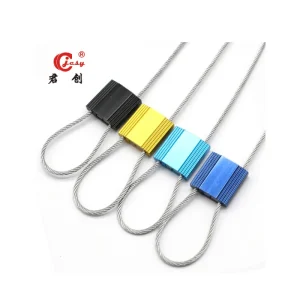
A common mistake is accepting a certificate without verifying its scope. Some factories hold ISO certification for a limited product range that does not cover the exact seal type you intend to buy. Ask for the certificate’s annex to confirm the covered product categories. If the manufacturer is reluctant to share process data before the visit, that is already a signal.
The table below shows what gaps exist between a document review and a real-world audit.
| Audit Aspect | Document Review | On-Site Verification |
|---|---|---|
| ISO 17712 compliance | Certificate present and valid | Tensile test jig setup matches use orientation, calibration records, witness a sample destruction test |
| Material quality | Resin data sheet provided | Incoming resin lot traceability, regrind percentage control, moisture protection on hoppers |
| Molding process | Process flow diagram | Machine parameter logs across shifts, mold maintenance schedule, cavity-specific scrap data |
| Assembly quality | AQL sampling plan documented | Fixture condition, worker training records, in-line reject tracking mechanism |
On-Site Factory Assessment: What to Look for on the Production Floor
Molding Process and Material Control
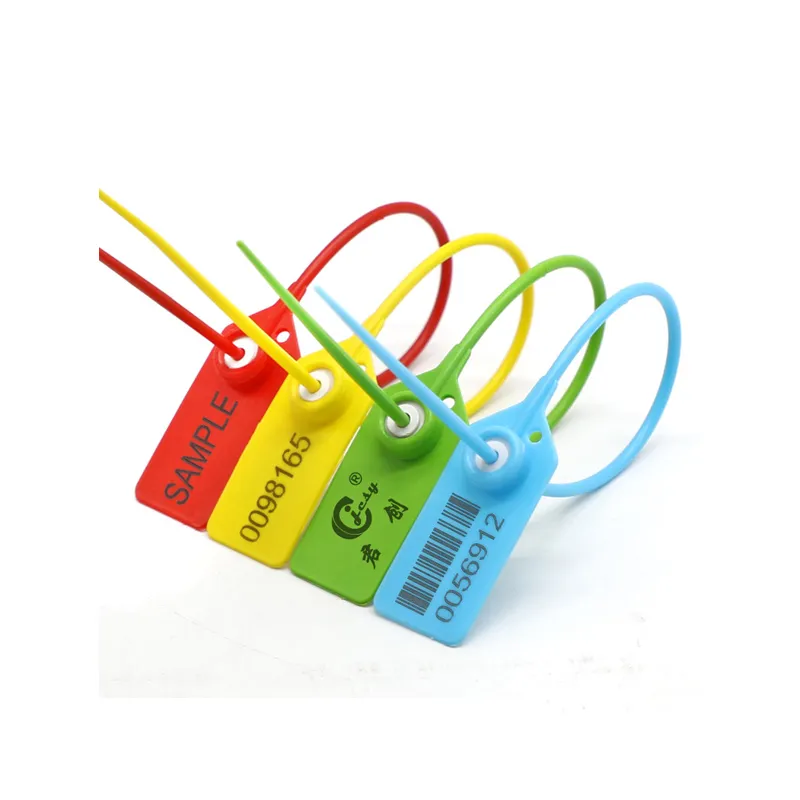
In our production plant, we monitor injection parameters—temperature, pressure, and cycle time—for every mold cavity because uneven heat distribution inside a multi-cavity mold can produce weak locking teeth on one side of the same batch. During your visit, look at the operator’s control panel: are the settings consistent across shifts? Are material lots clearly labeled, and are dried resin hoppers covered to prevent moisture contamination? A factory using regrind plastic without clear percentage control is cutting costs in a way that directly impacts tamper resistance.
Assembly Line Efficiency and Worker Skill
For assembled seals like bolt seals or cable seals, manual assembly stations still dominate. Check if jigs and fixtures are used to maintain consistent assembly force. Workers who have been at their stations for years move differently—they spot a misaligned locking pin before it leaves the line. High turnover and poor training produce seals that pass a quick visual check but fail in the field.
In-Process Inspection and Defect Handling
Ask to see the reject bin, not just the finished goods shelf. In a well-run factory, scrap is segregated, analyzed daily, and feedback reaches the molding team before the next shift. If you see randomly piled rejects with no analysis record, the quality system has a blind spot.
If your program involves custom seals with specific tensile or traceability requirements, it is worth confirming the manufacturer’s in-house testing capabilities before finalizing your specification—contact us at [email protected].
Verifying Quality Control Systems and Testing Capabilities
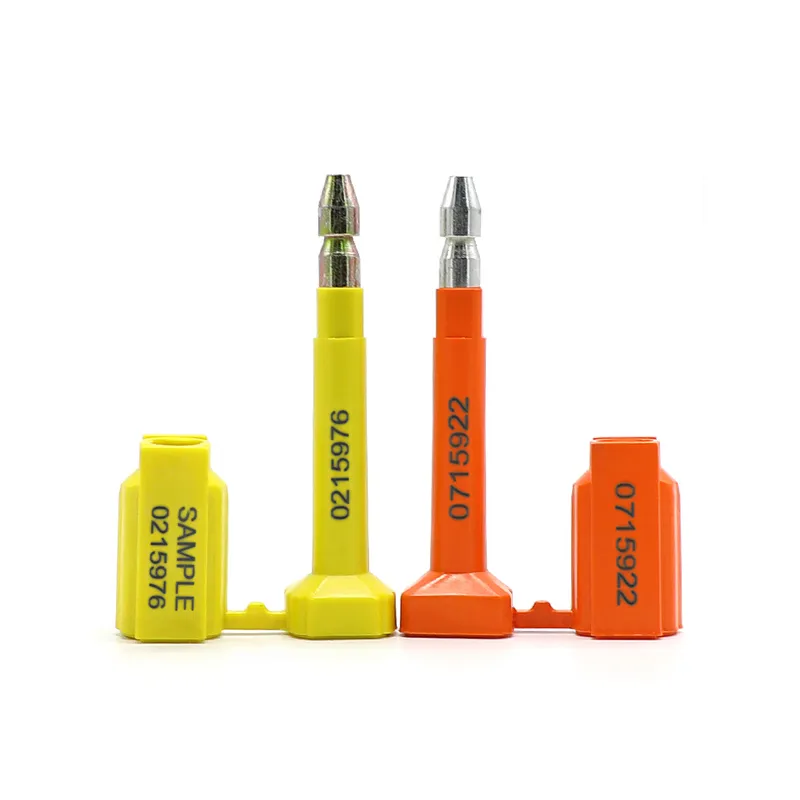
Beyond process, a factory’s lab tells you whether they can prove what they promise. Request to see the tensile testing machine in operation, not just the calibration certificate. For bolt seals, the ISO 17712 requirement of 10,000 Newtons tensile strength is meaningless if the test jig does not grip the seal in the same orientation as real-world container door use.
A well-designed in-house QC setup will also have a tamper-evidence verification station: a controlled attempt to open the seal without leaving visible marks. Our team uses handheld magnifiers and UV light to check for stress whitening on plastic seals that indicates tampering—a test that a paperwork audit never reveals.
Post-Audit: Making the Final Qualification Decision
After the visit, do not make the decision based on a single pass/fail checklist. Rate the factory across three dimensions: process control maturity, quality system depth, and transparency during the audit. A factory that openly shared a minor non-conformance they are fixing is often more trustworthy than one that presented a perfect but staged tour.
Red flags include refusal to enter certain production areas, inconsistent lot traceability on raw materials, and scrap rates that the factory cannot quantify. If the manufacturer cannot provide a reject rate by product line, their management system likely does not control quality proactively.
Moving Forward After the Audit
A factory audit should not feel like a pass-or-fail inspection. The goal is to determine whether a manufacturer’s production reality matches your security requirements. When you find gaps, a capable factory will present a plan for closure, not excuses. At Junchuang Lock Industry, our production lines are open for customer inspection because we believe auditing is a partnership, not a test. Send your specific audit criteria to [email protected] or reach us on WhatsApp at +86 13853189290, and we will provide documentation and a factory visit that addresses your standards line by line.
Common Questions About Security Seal Manufacturer Audits
Can I audit a manufacturer remotely?
Yes, but with limits. A video walkthrough can verify machine brands and general shopfloor organization, and screen-sharing allows you to check quality records in real time. What it cannot confirm is material smell, the working condition of safety interlocks, or the operator’s instinctive quality checks that reveal training depth. Remote audits work best for re-qualification when you already know the factory layout, not for first-time supplier screening.
In my experience, what is the most overlooked part of an audit?
Most buyers skip the toolroom. They inspect the molding line but never look at mold storage and maintenance records. Dull or poorly stored molds produce inconsistent gate vestiges and flash on seals—these small defects become tamper entry points. A factory that dates and logs every mold cleaning cycle has a fundamentally different quality culture from one that runs molds until they fail.
What if the manufacturer does not hold ISO 17712?
It depends on your supply chain security requirements. If your shipments move under C-TPAT or similar programs, ISO 17712 certified seals are mandatory. If the end use is lower risk—internal warehouse tracking or tamper evidence on non-cargo items—a manufacturer without ISO might still meet your needs. In either case, their in-house test data and reference customers become the only evidence you can rely on, so demand more detail, not less.
How often should I schedule a factory audit?
Every 18 to 24 months for an established supplier delivering consistent quality. If you introduce a new seal design, change material suppliers, or see a rise in customer complaints, audit sooner—the root cause often lives on the production line, not in the shipping report.
What should I do after the audit if problems are found?
Start by asking the manufacturer for a corrective action report with root cause analysis and a timeline. A factory that identifies why a problem happened and how it will prevent recurrence deserves a chance to fix it. Cutting the relationship without this step risks replacing one unknown supplier with another. If you need to act on audit findings, share your non-conformance report with us at [email protected] and we will propose a corrective action plan that matches your compliance expectations.
If you’re interested, check out these related articles:
Security Seals: Preventing Cargo Theft in Global Supply Chains – Junchuang Lock
Adjustable Cable Seal Selection: Securing Global Logistics – Junchuang Lock
Cable Seal Manufacturer Certifications: Your Guide to Compliance – Junchuang Lock
Bolt Seal Manufacturer Selection Guide for Supply Chain Security – Junchuang Lock
China Bolt Seal Factory Direct Purchase Maximizing Supply Chain Security – Junchuang Lock