
Adjustable Cable Seals: Selection Guide for Supply Chain Security
Shipping containers move across oceans, sit in ports for days, pass through multiple handlers—and somewhere along that journey, someone might try to open one without authorization. That’s the reality logistics managers deal with daily. Adjustable cable seals exist precisely for this scenario: they create a physical barrier that’s difficult to defeat quietly and leave obvious evidence when someone tries. Getting the right seal for your specific situation matters more than most people realize. The wrong choice means either paying for security you don’t need or discovering gaps when it’s too late.
How Adjustable Cable Seals Actually Work
Adjustable cable seals function as tamper-evident indicators that provide immediate visual proof when someone attempts to compromise a sealed item. The design is straightforward but effective. A durable metal cable threads through closure points on whatever you’re securing, then feeds into a locking mechanism housed in the seal body. Once the cable passes through, the mechanism grips it and prevents retraction—creating a fixed loop that can’t be loosened without cutting.
The cable itself is typically galvanized steel or stainless steel, with wire diameter varying based on the seal’s intended application. Thicker cables mean higher tensile strength and greater resistance to cutting tools. The seal body is usually aluminum or high-grade plastic, materials chosen because they hold up against weather, handling, and the general abuse of transit environments. 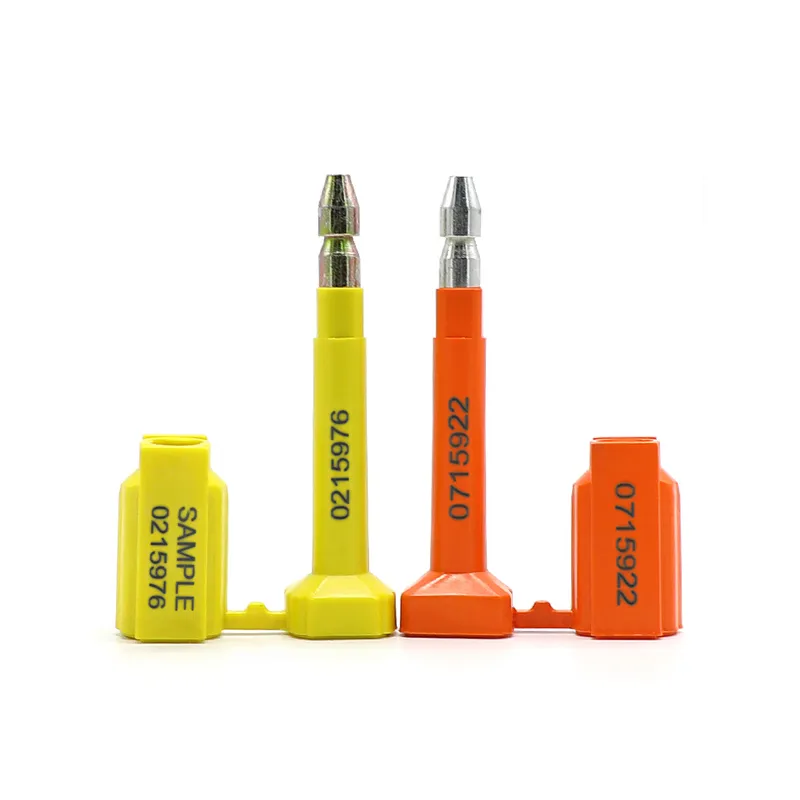
What makes these seals genuinely useful is the combination of physical resistance and evidence. Each seal carries unique serialization and barcoding that creates an unalterable record for tracking purposes. Cutting the cable or forcing the locking mechanism leaves clear, irreversible damage. There’s no way to defeat the seal and hide that you’ve done so. This dual function—physical barrier plus tamper evidence—is why adjustable cable seals remain fundamental to asset protection across industries.
What to Evaluate When Choosing Adjustable Cable Seals
Picking the right adjustable cable seal isn’t complicated, but it does require thinking through your actual operating conditions rather than just grabbing whatever’s available. Several factors determine whether a seal will perform reliably in your specific situation.
Security level comes first. What are you protecting, and from whom? A seal on an internal warehouse transfer faces different threats than one on an international shipping container. Regulatory requirements matter too—certain routes and cargo types mandate specific certifications. Material durability depends on what conditions the seal will encounter: salt air, extreme temperatures, extended outdoor exposure. You’ll also want to consider practical aspects like how easy the seal is to install under real working conditions and whether removal requires specialized tools.
Cost factors in, but remember these are single-use items. The calculation isn’t just unit price—it’s the cost of a security failure versus the cost of adequate protection.
| Feature | Standard Cable Seal | High-Security Cable Seal (ISO 17712) |
|---|---|---|
| Tensile Strength | Moderate (e.g., 200-500 kg) | High (e.g., >1000 kg) |
| Material | Galvanized steel cable, plastic/aluminum body | Stainless steel cable, robust metal/composite body |
| Applications | Internal logistics, domestic transport, utility | International shipping, customs, high-value cargo |
| Compliance | General tamper-evidence | ISO 17712, C-TPAT |
| Tamper Evidence | Visible signs of cutting or manipulation | Enhanced anti-manipulation features, unique IDs |
Why ISO 17712 Compliance Matters for International Shipping
If your cargo crosses international borders, ISO 17712 compliance isn’t optional—it’s the baseline expectation. This standard defines what qualifies as a high-security seal, specifying both physical strength requirements and tamper-evident features. Customs authorities worldwide, including those administering C-TPAT and WCO programs, recognize ISO 17712 compliant seals.
The practical benefit is smoother customs clearance. Inspectors know what to look for with standardized seals, and compliance signals that you’ve taken container security seriously. More importantly, these seals actually provide the protection the standard promises. They’re tested against specific attack methods and must demonstrate resistance thresholds before earning certification. For global logistics operations, choosing ISO 17712 compliant adjustable cable seals is less about checking a box and more about ensuring freight integrity from origin to destination. 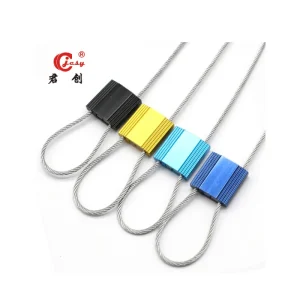
Matching Adjustable Cable Seals to Specific Industry Requirements
Different industries face different security challenges, and adjustable cable seals adapt accordingly. The versatility of these devices explains their widespread adoption across sectors that might seem unrelated at first glance.
Logistics security applications include shipping containers, truck trailers, and rail cars—anywhere cargo theft or unauthorized entry poses a risk. Utility companies use these seals to protect gas, water, and electric meters from tampering that could affect billing accuracy. Industrial settings secure chemical drums, valves, and equipment where unauthorized access could create safety hazards or operational disruptions. Airlines and cash-in-transit operations rely on adjustable cable seals for high-value cargo protection. Customs authorities use them for border control verification.
Each application demands specific characteristics. Container seals need high tensile strength and weather resistance because they’ll face ocean spray, temperature swings, and rough handling. Utility meter seals might prioritize fine wire diameter that fits through smaller apertures and clear numbering for easy verification. Shandong Junchuang manufactures across this range, understanding that a seal designed for one application may be entirely wrong for another. 
Customization Options That Add Real Security Value
Standard adjustable cable seals work fine for many applications, but customization can address specific vulnerabilities or operational needs. The options available go beyond cosmetic changes.
Custom branding puts your company logo directly on the seal body. This isn’t just about brand visibility—it makes counterfeiting harder. Someone trying to replace a legitimate seal with a fake one now has to replicate your specific branding, not just find a generic match. Sequential numbering is standard on quality seals, but QR codes and RFID integration take tracking further. These features enable real-time verification and integrate with inventory management systems, providing data on seal status throughout the supply chain.
Color coding offers quick visual identification. Different colors can distinguish departments, routes, security levels, or shipment types without requiring anyone to read small print. For unusual applications, bespoke designs can accommodate unique locking points or operational requirements that standard seals don’t address.
These customization options strengthen anti-counterfeiting measures while improving supply chain visibility. Shandong Junchuang works with clients to develop tailored security solutions when standard products don’t quite fit the need. 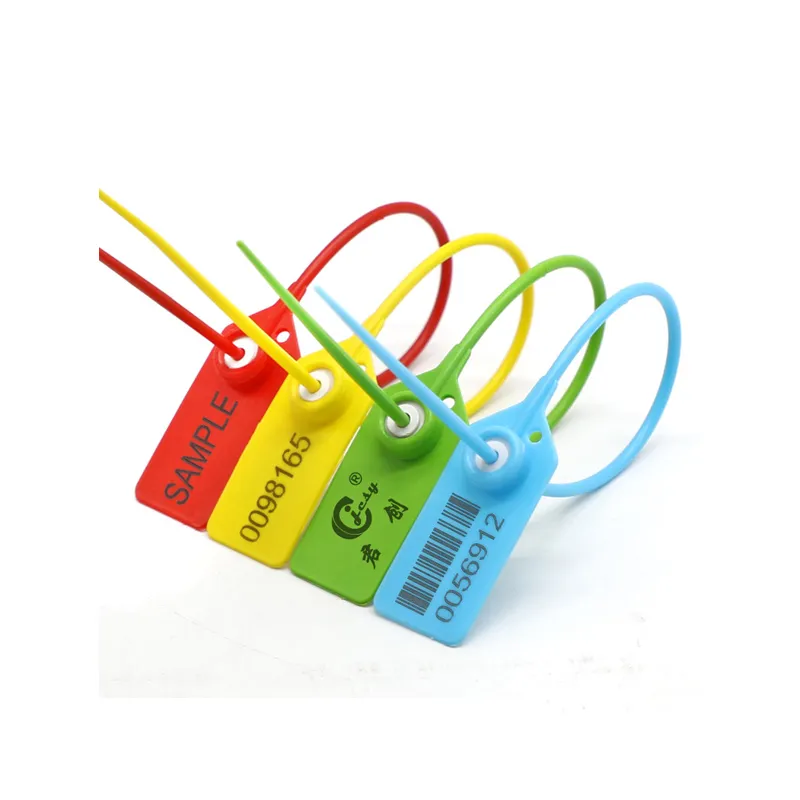
Proper Installation and Recognizing Tampering Signs
Even the best adjustable cable seal fails if it’s installed incorrectly. The process is simple but requires attention to detail.
Thread the cable through all designated locking points, leaving minimal slack. Excess cable length creates opportunities for manipulation. Insert the cable end firmly into the locking mechanism until you feel or hear it engage. Then test it—pull on the cable to confirm the lock has caught. If the cable slides back out, the seal isn’t secured. This verification step takes seconds and prevents discovering an unsecured seal later.
Throughout transit, visual inspection should be routine. Look for cuts, abrasions, scratches around the locking head, or any signs that someone has worked on the seal. Legitimate wear from handling looks different from deliberate manipulation. Any damage or alteration constitutes evidence of tampering and should trigger your security protocols.
When tampering is suspected, preserve the seal for forensic analysis. The nature of the damage often reveals information about the breach—what tools were used, how much time the attacker had, whether they succeeded in accessing the contents. Clear security protocols and proper training for personnel on installation and inspection procedures make the difference between seals that provide real protection and seals that just look like security.
Working with Shandong Junchuang for Reliable Security Solutions
Shandong Junchuang Lock Industrial Co., Ltd brings together design, development, production, and sales of security seals under one operation. This integration means quality control happens at every stage, not just final inspection. The company manufactures a comprehensive product range including lead seals, Plastic Seals, Meter Seals, Metal Strap Seals, and high security bolt seals. 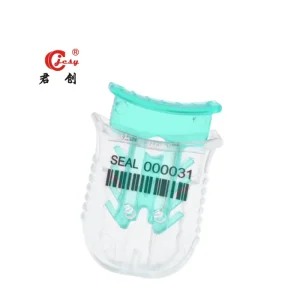
Experience with adjustable cable seals across diverse industries has built expertise in matching seal specifications to actual operating conditions. The focus remains on durability and robust tamper-evidence—the two qualities that matter most when a seal is actually tested. Global supply capability means consistent availability regardless of where your operations are located. Long-term partnerships with clients develop through reliable products and responsive service, not just competitive pricing.
Frequently Asked Questions About Adjustable Cable Seals
What separates high-security cable seals from standard versions?
High-security cable seals meeting ISO 17712 standards are engineered to resist forced entry attempts through enhanced tensile strength and robust locking mechanisms. They’re designed for international shipping containers where the threat level justifies the additional protection. Standard seals provide tamper-evidence for applications where physical resistance to attack is less critical—internal transfers, lower-value cargo, or situations where other security measures provide the primary protection. The choice depends on what you’re securing and the realistic threat environment. Shandong Junchuang manufactures both categories, helping clients match security level to actual need.
How do I determine the right cable length and diameter?
Cable length should allow threading through all necessary closure points while minimizing excess. A snug fit reduces manipulation opportunities. Diameter affects both tensile strength and flexibility—thicker cables resist cutting better but may not fit through smaller apertures. The cable material matters too: galvanized steel offers good corrosion resistance for most applications, while stainless steel handles more demanding environments. Measure your actual locking points and consider the tools a potential attacker might use. Our team can help match specifications to your specific application requirements.
Can adjustable cable seals be reused after removal?
No. Adjustable cable seals are designed for single use precisely because reusability would undermine their security function. Once removed—whether by cutting or authorized release—the seal cannot be reapplied without visible evidence of prior use. This single-use design is fundamental to tamper-evidence. Regarding environmental considerations, many seals incorporate recyclable materials. Shandong Junchuang uses durable components that can often be recycled after use, balancing security requirements with responsible manufacturing practices.
Secure Your Supply Chain Today
Effective supply chain security starts with choosing the right adjustable cable seals for your specific operations. Shandong Junchuang Lock Industrial Co., Ltd. manufactures high-quality, compliant sealing solutions designed for real-world conditions. Contact our specialists for a consultation on matching our product range to your security requirements. Reach us at [email protected] or +86 13853189290.