
Cargo security isn’t something you think about until something goes wrong. A broken seal, a missing shipment, an insurance claim that drags on for months. I’ve seen companies lose more to a single compromised container than they’d spend on proper seals in a decade. The choice between cable seals and bolt seals comes down to understanding what you’re actually protecting and how determined someone might be to get at it. Both have their place, and picking the wrong one for your situation creates vulnerabilities you won’t notice until it’s too late.
What Makes Security Seals Essential for Modern Logistics
Security seals function as tamper indicators that reveal unauthorized access attempts. They form the backbone of supply chain integrity by creating a visible, verifiable barrier between your cargo and potential threats. Theft, counterfeiting, and contamination all become significantly harder when every access point carries evidence of interference.
Shandong Junchuang Lock Industrial Co., Ltd. manufactures security seals with these realities in mind. International standards like ISO 17712 compliance exist because the industry learned hard lessons about inconsistent protection levels. Meeting high-security seals standards isn’t optional for international shipping. Customs authorities require it, and insurance policies often depend on it.
The financial stakes extend beyond the immediate value of stolen goods. A compromised shipment damages supplier relationships, triggers regulatory scrutiny, and erodes customer confidence. Proper seal selection prevents these cascading problems before they start. 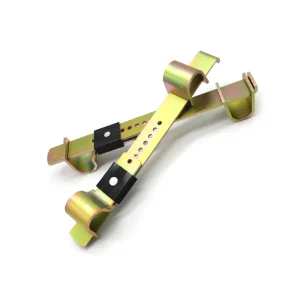
How Cable Seals Deliver Flexible Protection Across Industries
Cable Seals solve a problem that rigid security devices cannot: irregular sealing points. The steel cable, often plastic coated cable seals, threads through openings that would defeat a fixed-dimension seal. This adaptability makes them indispensable for operations dealing with varied equipment and container types.
We produce customizable seals with different cable lengths and diameters because one size genuinely doesn’t fit all. Each seal carries unique sequential numbering and can incorporate barcode seals for tracking purposes. This combination of physical security and digital traceability creates accountability at every handoff point.
The seal application process is straightforward enough that high-volume operations don’t bottleneck at the sealing stage. Truck seals and railcar seals see heavy use precisely because workers can apply them quickly without specialized training. Chemical containers, oil drums, and utility meters all benefit from the same flexibility.
Environmental resistance matters more than many buyers initially realize. Seals exposed to weather, temperature swings, and rough handling need materials that won’t degrade or become brittle. This multi-purpose security approach explains why cable seals remain popular across such diverse applications. 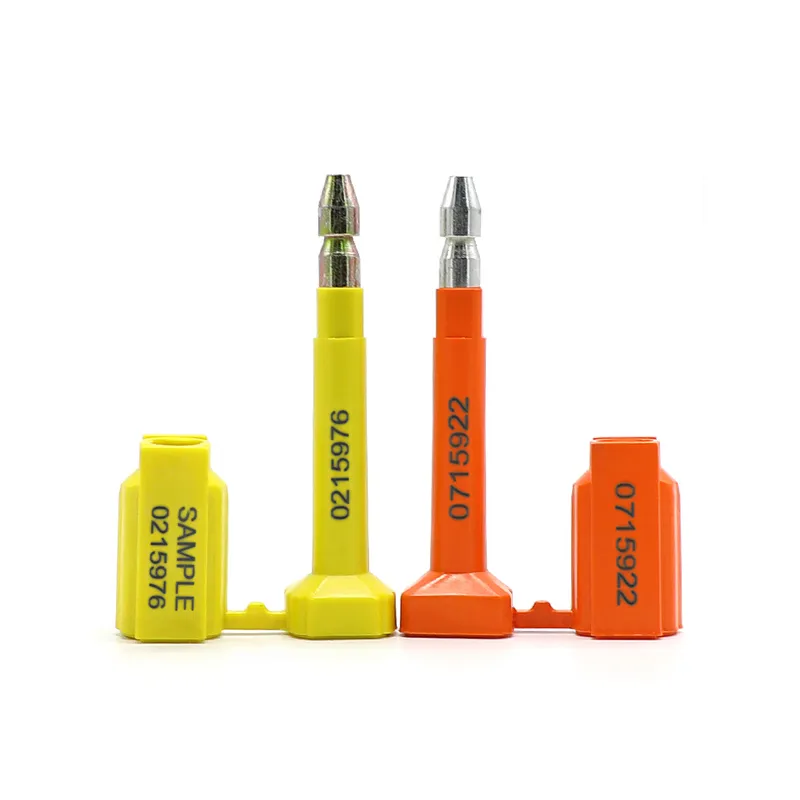
Situations Where Cable Seals Outperform Rigid Alternatives
Cable seal applications expand whenever you encounter sealing points that don’t match standard container door configurations. Truck trailer doors with varying latch positions, railcar latches with non-uniform spacing, and intermodal containers with flexible sealing requirements all favor cable seals.
Valves, drums, and chemical containers present similar challenges. The flexible security design wraps around irregular shapes and pulls tight against surfaces that would leave gaps around a rigid seal. This snug fit improves both asset protection and theft prevention by eliminating the slack that might allow manipulation.
When consulting a seal selection guide, cable seals emerge as the logical choice for situations demanding both strength and adaptability. They resist cutting attempts while accommodating the physical realities of diverse equipment.
Why Bolt Seals Remain the Standard for Container Security
Bolt Seals exist because some cargo demands protection that flexibility cannot provide. International shipping container locks face determined adversaries, and the rigid construction of steel bolt seals creates a barrier that requires serious tools and time to defeat.
The design is deliberately simple: a metal pin locks into a barrel, and both components resist manipulation through sheer material strength. We manufacture high security bolt seals that achieve ISO 17712 certified status, placing them in the “High Security” category recognized by customs authorities worldwide.
This certification matters for customs compliance and C-TPAT requirements. Shipments sealed with non-compliant devices face additional inspections, delays, and potential rejection. The material strength of properly certified bolt seals satisfies these regulatory demands while providing genuine protection.
Container security seals of this type require bolt cutters for seal removal. This isn’t a design flaw; it’s the point. Any breach attempt leaves unmistakable evidence, and the effort required discourages opportunistic tampering.
The Regulatory and Practical Reasons Behind Bolt Seal Dominance
The primary function bolt seal serves is creating an unyielding barrier that satisfies both physical security needs and regulatory requirements. Container integrity throughout transit depends on seals that cannot be defeated without obvious evidence.
For international logistics, high-security seals meeting ISO 17712 standards streamline the customs process. C-TPAT participation requires demonstrable security measures, and compliant bolt seals provide documentation that inspectors recognize immediately. This compliance reduces inspection delays and builds trust with customs authorities.
The mechanical simplicity of bolt seals contributes to their reliability. Fewer moving parts mean fewer failure points, and the straightforward locking mechanism resists the environmental stresses of ocean shipping. 
Comparing Cable and Bolt Seals Across Key Performance Factors
The decision between cable seals and bolt seals depends on matching seal characteristics to operational requirements. Both provide legitimate security, but their strengths apply to different situations.
Material composition determines flexibility and resistance. Cable seals bend; bolt seals don’t. This fundamental difference drives most application decisions. The security level of both can meet ISO 17712 requirements, though bolt seals more commonly achieve High Security certification due to their rigid construction.
Tamper evidence appears differently on each seal type. Cable seals show cut marks or stretching; bolt seals show tool marks or complete separation. Both provide clear indication of interference, but the evidence takes different forms. Durability of seals varies with environmental exposure and handling conditions.
Cost-effectiveness of seals requires considering more than unit price. A seal that doesn’t fit your application properly creates security gaps that no price point justifies. Regular seal inspection protocols should accompany either choice.
| Feature | Cable Seal | Bolt Seal |
|---|---|---|
| Material | Steel cable, plastic/aluminum body | Steel pin and barrel, often ABS plastic coating |
| Security Level | High (ISO 17712: H) for certain models, flexible | High (ISO 17712: H) |
| Application | Irregular openings, truck doors, railcars, valves | Shipping containers, heavy-duty transport |
| Removal | Cable cutters | Bolt cutters |
| Flexibility | High | Low (rigid) |
| Cost | Moderate | Moderate to High |
This seal selection criteria comparison highlights the practical tradeoffs involved. 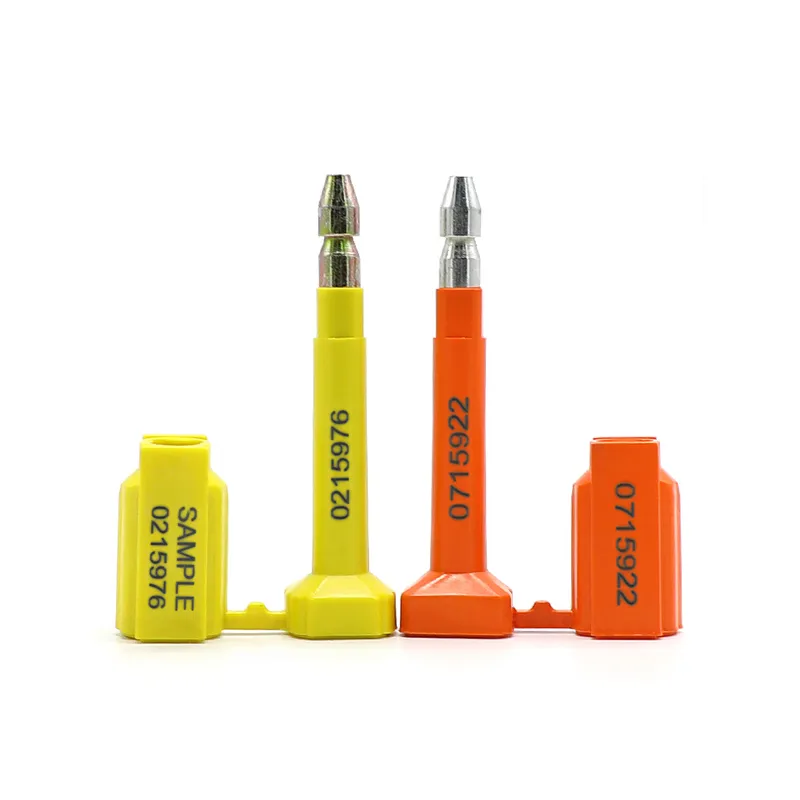
Matching Security Seals to Your Operational Requirements
Finding the optimal seal solution starts with honest assessment of your vulnerabilities. We work with clients to identify the specific threats their operations face, because generic recommendations miss important details.
Cargo value provides one obvious starting point. High-value goods justify higher security investments, but the calculation isn’t purely financial. Regulated materials, sensitive documents, and items with reputational implications all warrant careful seal selection regardless of monetary value.
Shipping routes introduce variable risk levels. Longer transits, multiple handling points, and routes through areas with higher theft rates all increase exposure. High-security seals standards become non-negotiable for international container shipments, where regulatory requirements intersect with practical security needs.
Budget constraints exist, but operational efficiency suffers when security failures occur. The true cost of choosing security seal options includes potential losses, not just purchase prices. We offer custom branding seals with company logos and unique numbering that enhance traceability while reinforcing brand identity.
This comprehensive approach to logistics chain protection ensures seal selection reflects actual operational conditions rather than assumptions. 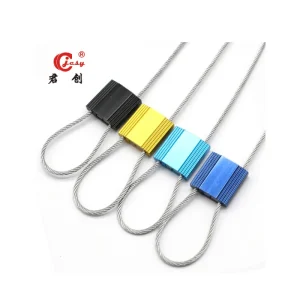
Understanding ISO 17712 Certification and Its Limitations
Not every security seal qualifies as ISO 17712 certified seals. The certification specifically designates “High Security” seals that meet rigorous testing standards for strength and tamper resistance. Many seals on the market fall into lower security categories or lack certification entirely.
For operations subject to international shipping regulations, this distinction matters enormously. C-TPAT participation and customs compliance often require documented use of certified seals. Shandong Junchuang manufactures seals that meet high security seals standards precisely because our customers need that assurance.
Verification should happen before purchase, not after a shipment faces rejection. Certification documentation provides the evidence customs authorities require.
Strengthen Your Logistics Security with Proven Solutions
Protecting global shipments requires security solutions engineered for real-world conditions. Shandong Junchuang Lock Industrial Co., Ltd. produces ISO 17712 compliant cable seals and bolt seals designed for the specific challenges your operations face. Contact our team at +86 13853189290 or [email protected] to discuss your security requirements and find the right seal configuration for your needs.
Frequently Asked Questions About High-Security Seals
What distinguishes cable seal construction from bolt seal construction?
Cable Seals use a steel cable encased in plastic or aluminum, creating flexibility that accommodates irregular sealing points while maintaining moderate to high strength. Bolt Seals rely on solid steel pins and barrels that resist manipulation through rigid construction rather than adaptability. The material choice determines whether the seal bends around obstacles or provides maximum resistance against forced entry.
How does ISO 17712 certification affect customs clearance?
ISO 17712 High Security Seal certification signals to customs authorities that a seal meets internationally recognized standards for strength and tamper evidence. Shipments using certified seals from manufacturers like Shandong Junchuang experience smoother clearance, particularly when C-TPAT requirements apply. Non-certified seals may trigger additional inspections or documentation requests that delay delivery.
What customization options exist for security seals?
Both Cable Seals and Bolt Seals accept laser printing for company logos, sequential numbering, and barcode integration. Shandong Junchuang Lock Industrial Co., Ltd. provides these customization services to enhance traceability and brand visibility. Custom markings also deter tampering by making seal substitution more difficult to conceal.
Which industries rely most heavily on high-security seals?
Shipping and logistics operations, customs agencies, freight forwarders, rail transport companies, chemical and petroleum handlers, and retail distribution networks all depend on cable seals and bolt seals. Any industry moving valuable or regulated materials through multiple handling points benefits from the tamper evidence and accountability these seals provide.
How should buyers evaluate security seal cost-effectiveness?
Unit price represents only part of the calculation. A ISO 17712 High Security Seal with higher upfront cost may prevent losses that dwarf the price difference. Consider the seal’s security level, durability under your specific conditions, ease of application, and regulatory compliance requirements. The seal that prevents one significant theft or contamination incident pays for itself many times over.