
When sourcing barrier seals, strength and certification are not abstract specifications — they determine whether the seal actually protects your cargo. International buyers often focus on price, but a seal that fails a tensile test or lacks proper certification can lead to cargo theft, customs delays, and liability. Understanding how barrier seal strength is measured and which certifications matter is the first step in selecting a supplier that delivers real security, not just a commodity.
What Strength Metrics Matter for Barrier Seals
Barrier seals are designed to withstand physical attacks; the key metric is tensile strength, which measures the force needed to pull the seal apart. For high-security uses like container shipping, the ISO 17712 standard mandates a minimum tensile strength of 20 kilonewtons (kN) for the ‘H’ (high-security) class. This is not a theoretical limit — it is a verified performance threshold the seal must meet in independent lab tests.
Our factory tests every production batch with calibrated tensile testing machines. We record both the breaking point and the force at the point of first yield. A barrier seal that does not reach 20 kN does not leave our facility. In practice, many seals on the market fall below this threshold because of inconsistent material thickness or substandard locking mechanisms.
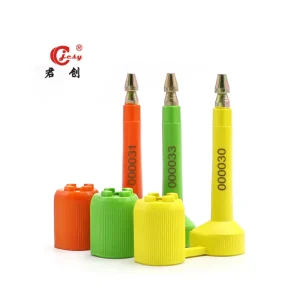
Shear strength and impact resistance also influence real-world reliability, even if they are less talked about. A seal dropped during handling or struck by equipment must not fracture. We simulate these conditions in-house, applying lateral forces and drop tests to confirm mechanical integrity before shipment.
If your program includes non-standard load conditions or specific security threats, confirm the required tensile values with our team before finalizing your specification. A mismatch here can compromise an entire shipment.
Barrier Seal Certification: ISO 17712 and Beyond
ISO 17712 is the primary international standard for high-security mechanical seals. It requires independent laboratory testing of the seal’s physical strength, tamper evidence, and construction. The certification process covers tensile testing, proof testing of the locking mechanism, and the ability to show clear tamper evidence after an attack.
A legitimate supplier should hold current ISO 17712 certificates for each product line, issued by an ISO 17025 accredited laboratory. Avoid suppliers that offer generic certificates without batch traceability.
| ISO 17712 Class | Security Level | Minimum Tensile Strength | Typical Application |
|---|---|---|---|
| ‘I’ (Indicative) | Low | 1 kN | Tamper indication only, not for security |
| ‘S’ (Security) | Medium | 5 kN | General cargo, truck trailers |
| ‘H’ (High Security) | High | 20 kN | Container shipping, high-value cargo, customs seals |
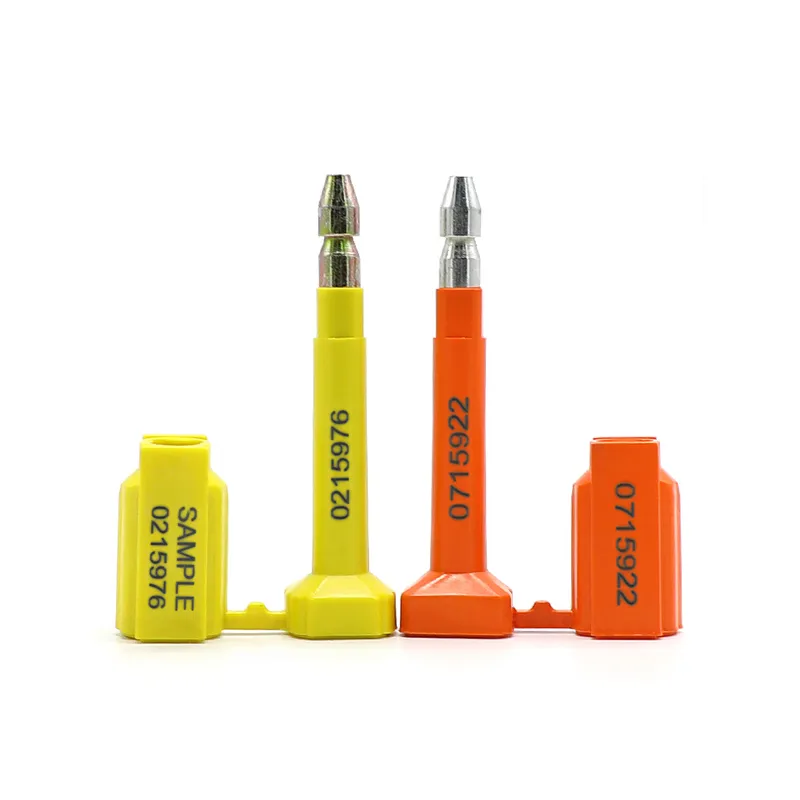
For some buyers, additional requirements like C-TPAT (Customs-Trade Partnership Against Terrorism) or individual shipping line approvals apply. Matching certification requirements to the specific supply chain is part of our process — we do not sell a one-size-fits-all product.
How Factory Testing Verifies Real-World Performance
Certification validates the design, but factory testing confirms production consistency. Even an ISO 17712-certified barrier seal design can fail in bulk if manufacturing controls are weak.
Our production line includes in-process tensile testing at random intervals, pull-force verification on each batch, and laser measurement of critical dimensions. We issue a batch test report with every shipment, showing actual tensile values and production dates. This documentation supports customs clearance and liability mitigation.
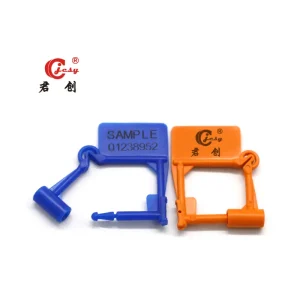
We also test tamper detection under practical conditions: does the seal show clear physical deformation if someone tries to insert tools into the locking chamber? Does the locking mechanism jam or leave marks if pulled beyond its design load? These checks go beyond certification requirements because we know how seals are attacked in the field.
Key Material Choices That Impact Barrier Seal Strength
Barrier seal strength starts with material selection. The barrel and bolt are typically alloy steel or high-carbon steel, case-hardened to resist cutting. The lock body may be zinc alloy or steel, depending on cost and weight targets. We use steel with a minimum Rockwell hardness of 58-62 HRC for the bolt portion — a specification that directly affects cut resistance.
Plastic barrier seals exist for low-security needs, but for high-security applications, metal construction is non-negotiable. Material thickness, coating quality, and heat treatment consistency all influence the final tensile strength. We source steel from mills that supply hardness certificates, and we verify incoming material with hardness testers before production.
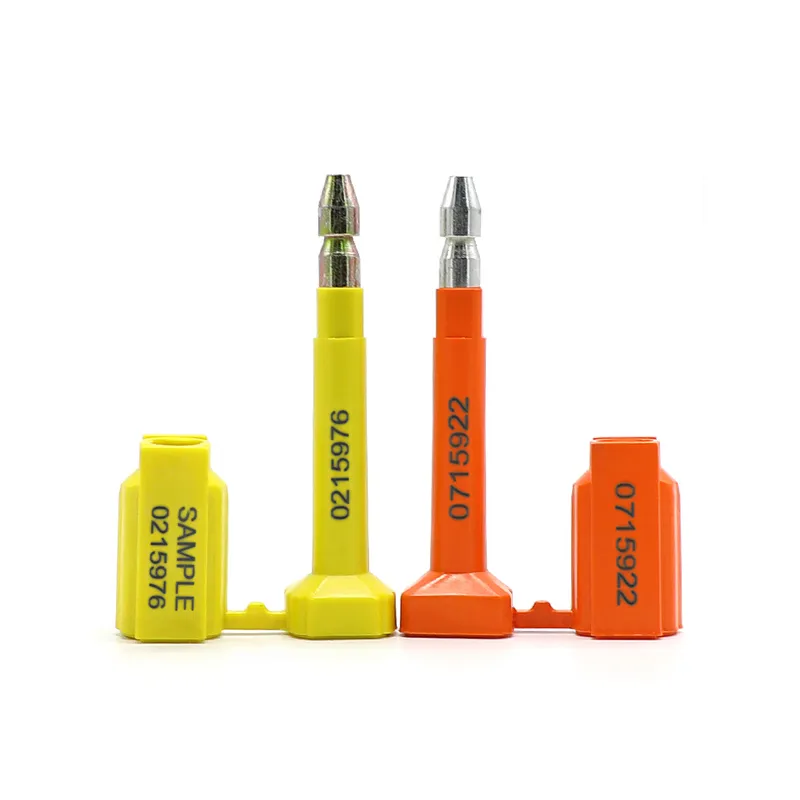
For buyers, requesting a material specification sheet and hardness test data is a simple way to screen suppliers. A factory unwilling to share this information may be cutting corners.
Sourcing Certified Barrier Seals for Your Supply Chain
If your operation depends on barrier seals passing customs inspections and withstanding real tampering attempts, factory-direct sourcing with verifiable test data is the safest route. We supply barrier seals with full documentation: ISO 17712 certificates, batch tensile test reports, and testing video on request.
Before placing a bulk order, confirm the tensile strength requirement for your shipping line or security protocol. Then send your specifications to our team — we will match the seal design and provide samples for your evaluation. Reach us at [email protected] or via WhatsApp at +86 13853189290.
Common Questions About Barrier Seal Strength and Certification
Does ISO 17712 certification guarantee a barrier seal is tamper-proof?
No certification makes a seal 100% tamper-proof. ISO 17712 requires evidence of tampering after an attack, but determined physical attacks can defeat any seal. The ‘H’ class ensures sufficient strength to slow down an attacker and leave clear tamper marks. In our testing, we confirm that 20 kN tensile is the threshold where the seal body fails rather than the locking mechanism — providing clear forensic evidence.
What strength rating is enough for my application?
It depends on your cargo and transport mode. Container shipments across international borders generally require 20 kN per ISO 17712. Domestic trucking may accept 5 kN. If your goods are high-value or cross multiple borders, we recommend high-security ‘H’ class as a baseline. Always check your shipping line or insurance requirements, as they often mandate specific seal standards.
Can I get barrier seals with custom markings and batch certification?
Yes. We produce barrier seals with laser-marked company logos, sequential numbering, and barcodes. Each order includes a certified test report matching the batch numbers on the seals, supporting your own quality audit trail. Send your part number and quantity to [email protected], and we will confirm lead times and minimum order quantities.
If you’re interested, check out these related articles:
Cable Tie Tensile Strength: Engineering Secure Fastening – Junchuang Lock
China Cable Seal Factory Buying Guide for Secure Industrial Procurement – Junchuang Lock
Selecting Ear Tag Size and Color: A Strategic Guide for Livestock – Junchuang Lock
Bolt Seal Use in Container Shipping: Ensuring Global Supply Chain Integrity – Junchuang Lock
Cable Seal Supplier Quality Verification: A Strategic Procurement Guide – Junchuang Lock