
Proper barrier seal installation is not simply about getting the pin into the body, it is about ensuring the locking mechanism engages completely to create a tamper evident closure. A partially locked seal may look secure from the outside but can be removed without leaving obvious signs of tampering, which is why understanding the mechanism matters before you start. In over fifteen years of manufacturing security seals, I have seen too many cases where a correctly designed seal failed in the field because of a simple installation mistake. This guide explains the locking mechanism first, then walks through each step, common errors to avoid, and how to verify that the seal is genuinely locked.
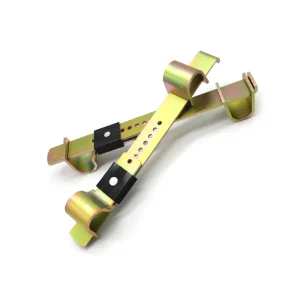
Barrier Seal Locking Mechanism
A barrier seal consists of a steel pin and a locking barrel. When you push the pin into the barrel, a locking ring or collet inside the barrel snaps into a machined groove near the tip of the pin. That metal on metal engagement creates the high tensile strength that allows the seal to meet ISO 17712 requirements for high security seals. If the pin does not travel far enough into the barrel, the locking ring sits in the wrong position. The seal may feel tight to a quick pull, but it can be separated with much less force than its rating. I have tested rejected field units where the locking ring had only partially engaged, the seals failed in service, and there was no visible sign of tampering beyond the missing clean snap that should have been heard during installation.
Barrier Seal Installation Steps
Installing a barrier seal takes only a few seconds when you know what to look for. Each step below is part of a process we verify on every batch of ISO 17712 high security seals before they leave the factory.
- Inspect the seal before use. Check that the pin is straight, the locking barrel is free of debris, and the marking is legible. A bent pin, even one that looks slightly off, can prevent full insertion and make the seal useless.
- Align the pin with the locking barrel entry point. The grooved end of the pin must face the locking ring. Inserting the pin the wrong way can damage the internal locking ring and prevent the seal from ever locking.
- Push the pin into the barrel firmly and steadily until you hear or feel a distinct snap. That snap is the locking ring seating into the pin’s groove. If you do not hear or feel it, pull the pin back slightly and push again with more force. Never assume the seal is locked just because the pin is in.
- Pull back on the pin firmly by hand to confirm it holds. A correctly installed barrier seal will resist at least the rated pull apart force, typically 1,000 kgf or higher for high security models. If the pin moves at all, the seal did not lock.
What If the Barrier Seal Does Not Snap?
A missing snap almost always points to incomplete insertion. If repeated attempts fail, remove that seal and inspect the pin and barrel for burrs or dirt. In manufacturing, I have traced this problem to a batch where the groove depth was machined 0.15 mm too shallow, the locking ring could not seat fully. If the issue persists across multiple seals, stop using that batch and contact the manufacturer. A seal that cannot be locked is a defect.
Common Installation Mistakes That Weaken Security
Even experienced personnel make these errors, and each opens the door to cargo tampering or seal failure.
| Installation Mistake | What You See | Security Risk |
|---|---|---|
| Pin not pushed to full depth | Seal looks inserted but no snap heard | Locking ring not engaged; seal pulls apart with low force |
| Pin inserted reversed | Barrel slides on but resists midway | Locking ring damaged; seal may never lock |
| Twisting the pin while inserting | Seal locks with resistance | Internal collet misaligned; pull apart strength significantly reduced |
| Using a hammer or tool to force the pin | Barrel end cracked or deformed | Locking mechanism compromised; seal becomes reusable without signs |
| Reusing a partially locked seal after cutting | Pin shortened or barrel scarred | Tensile strength falls below ISO 17712 minimum |
I recall a shipment of barrier seals returned by a freight company because seals kept cracking during locking. When we pulled samples from the returned batch, the locking ring groove depth varied by roughly 0.2 mm. That variance was not enough to fail our pull apart test in the factory, but it was enough to cause inconsistent snap feedback. The crew had pressed harder and harder, eventually cracking the barrel. Those seals would have passed a visual inspection, yet they caused real delays. That experience sharpened our inspection protocol: every batch sample is now installed by hand before it leaves the factory, precisely to catch that kind of inconsistency.
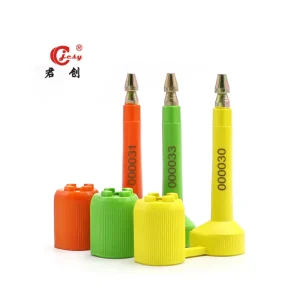
If your operation runs in high vibration environments like refrigerated trailers or intermodal freight, even a correctly installed seal can work loose over time if the locking design lacks anti vibration retention. It is worth confirming with the manufacturer that the locking mechanism includes secondary friction features. Send your application details to [email protected], and we will recommend a seal configuration matched to your transport conditions.
Verifying Correct Barrier Seal Installation
After locking the seal, pull the pin firmly by hand, not with a tool. If it holds, inspect the seam where the pin enters the barrel. There should be no visible gap. I teach our customers a simple rule: hold the seal by the barrel and try to wiggle the pin. Any movement indicates incomplete locking. For high value cargo, test a random seal from each new batch before field use. That five second pull check can reveal a production variation before it causes a problem on the trailer.
Record the seal number against the shipment documentation immediately after verification. A seal that is locked but not recorded offers no security traceability, and that gap in the chain of custody is often the first thing an insurance adjuster looks for after a cargo loss. The installation step is only complete when the number is logged.
Manufacturing Quality and Installation Success
A well machined pin and barrel slide together smoothly and lock with a clear, consistent snap. When groove tolerances are off or the steel hardness varies, the seal may pass a static pull test in the lab but behave unpredictably during installation on a busy loading dock. In our production line, we perform pull apart tests on every batch and reject units that do not lock within the specified insertion force range. That quality gate directly affects how predictably the seal will behave in your operators’ hands. If your team encounters seals that lock inconsistently or require excessive force, the root cause is usually manufacturing variation, not user error.
Choosing a supplier that performs installation testing on production samples shortens the learning curve for your people. When every seal locks with the same feel, the installation habit becomes muscle memory, and the snap check becomes automatic. That reliability matters more than a slightly lower unit price, because a seal that cannot be installed correctly has zero security value.
Common Questions About Barrier Seal Installation
Can a Barrier Seal Be Removed Without Tools Once Locked?
A fully locked barrier seal requires bolt cutters, typically with 18 inch or longer handles, to remove. The locking ring is designed to gall the pin surface, making extraction without cutting impossible. If the seal was only partially locked because the ring did not seat in the groove, a strong pull may separate the pin from the barrel with no tool marks. That is why the snap during installation is non negotiable. If your seals consistently fail to lock cleanly, share the batch details with us at [email protected] and we will investigate.
Do Temperature Extremes Affect Barrier Seal Installation?
Metal seals become slightly stiffer in sub zero conditions, and the pin may require more insertion force. However, a properly machined seal will still lock across the temperature range specified by the manufacturer, typically minus 40°C to plus 80°C. The bigger risk is moisture freezing inside the barrel, which can block the locking ring from moving. Storing seals in a dry, temperature controlled environment before use prevents that problem.
How Often Should Installation Training Be Refreshed?
Annually, whenever new handling personnel join, and whenever you change seal suppliers. Different manufacturers use subtly different locking ring profiles, and the feedback feel differs. A ten minute refresher watching someone install and then pull check a seal from the new shipment pays for itself the first time a mislock is caught before the container leaves the yard.
Is a Partially Locked Seal Easy to Spot?
Not always. The pin may sit flush while the locking ring rests just outside the groove. Visual inspection alone is not sufficient. You must hear or feel the snap and then pull test. If you rely only on visual check, you will miss the seal that is 90 percent seated and ready to fail.
What Should I Do If a Seal Breaks During Installation?
Discard that seal immediately and record its serial number. Inspect the remaining seals from that batch visually for visible pin or barrel defects. If breakage happens more than once, stop using the batch and contact the supplier. Breakage during installation often points to a material flaw, a brittle pin, an over hardened locking ring, or a misaligned internal component. In each case, the batch should be quarantined and evaluated. If you are experiencing breakage or inconsistent locking with your current seals, send us a photo and batch number to [email protected], and we will evaluate the seals for manufacturing defects.
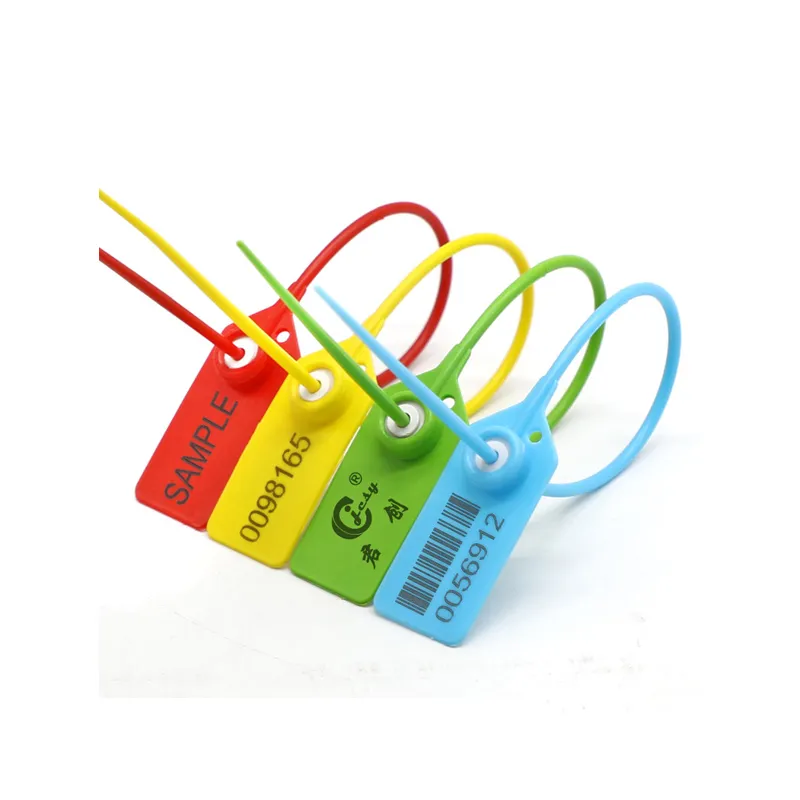
When a barrier seal fails because of installation error, the cost extends beyond the seal itself to cargo loss, insurance disputes, and rejected shipments. Ensuring your team gets installation right starts with seals that give clear, reliable lock feedback every time. Send your part number and quantity to [email protected] or call +86 13853189290, and we will confirm that the barrier seals you are using are matched to your security level and operating environment.
If you’re interested, check out these related articles:
Finding Reliable Bolt Seal Exporters: A Strategic Procurement Guide – Junchuang Lock
Tamper Evident Seals: Safeguarding Assets and Supply Chain Integrity – Junchuang Lock
Security Seals: Preventing Cargo Theft in Global Supply Chains – Junchuang Lock
How to Identify Tampered Security Seals: A Professional Guide – Junchuang Lock