
The moment you realize a shipment has been compromised, everything changes. Years of working with supply chain security have taught me that prevention beats investigation every time. Tamper evident seals sit at the heart of modern asset protection, not because they stop determined thieves outright, but because they make unauthorized access visible and traceable. These devices create accountability across every handoff in a logistics chain. For businesses managing high-value cargo or sensitive materials, the right seal transforms security from guesswork into verifiable process.
What Makes Tamper Evident Seals Different From Standard Locks
Tamper evident seals operate on a fundamentally different principle than conventional locks. A standard lock prevents access. A tamper evident seal reveals when someone has tried to gain access. This distinction matters enormously in logistics environments where assets pass through multiple hands before reaching their destination.
The engineering behind these seals focuses on irreversibility. Once applied, any attempt to remove or bypass the seal creates permanent, visible changes. Manufacturers design specific breaking points into the seal structure. They select materials that fracture or deform in predictable ways when stressed. Unique serial numbers and barcodes tie each seal to documented records, making substitution attempts detectable.
This approach shifts security from a binary locked/unlocked state to a continuous verification system. A broken seal or mismatched serial number immediately signals that something went wrong somewhere in the chain. That signal triggers investigation before losses compound.
Shandong Junchuang Lock Industrial Co., Ltd. builds seals with these principles at the core. The designs balance ease of legitimate application against clear evidence of any unauthorized interference.
The Psychology and Physics of Tamper Deterrence
Tamper evident mechanisms work on two levels simultaneously. The visible presence of a seal creates psychological deterrence. Opportunistic tampering becomes less attractive when evidence of the attempt will remain behind.
Physical design elements reinforce this deterrence. Frangible materials shatter rather than bend. Breaking points fail in ways that cannot be concealed or repaired. Serial numbers paired with barcodes or QR codes establish audit trails that make seal replacement risky.
This combination of visible deterrence and physical evidence creates layered protection throughout security protocols.
Matching Seal Types to Real Security Requirements
Different applications demand different seal characteristics. The market offers several distinct categories, each engineered for specific threat levels and operating conditions.
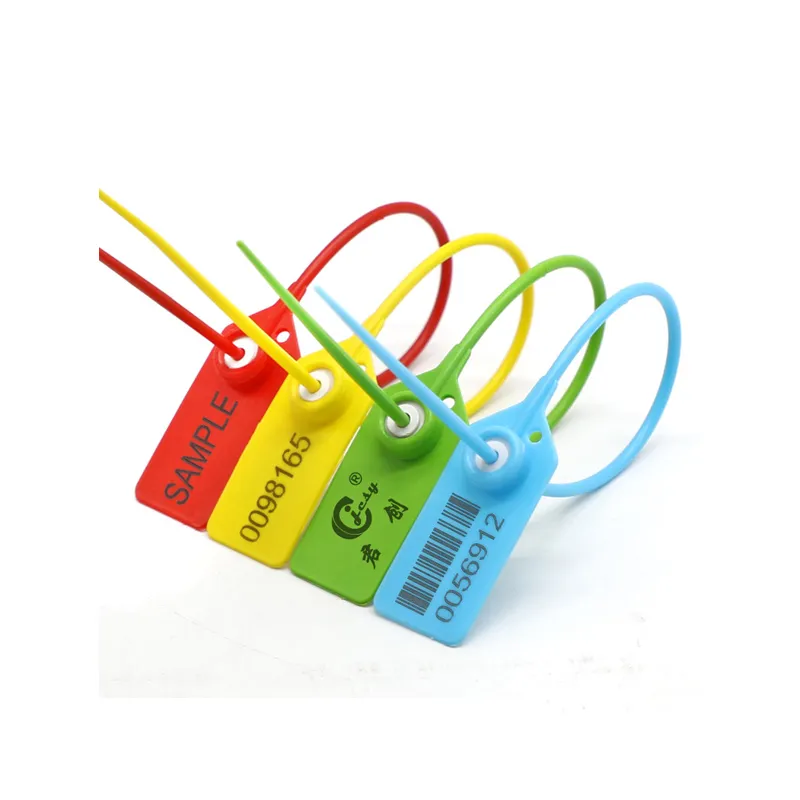
Indicative seals provide visual evidence of tampering without significant physical resistance. They work well for internal tracking, light security applications, and situations where the primary goal is documentation rather than deterrence.
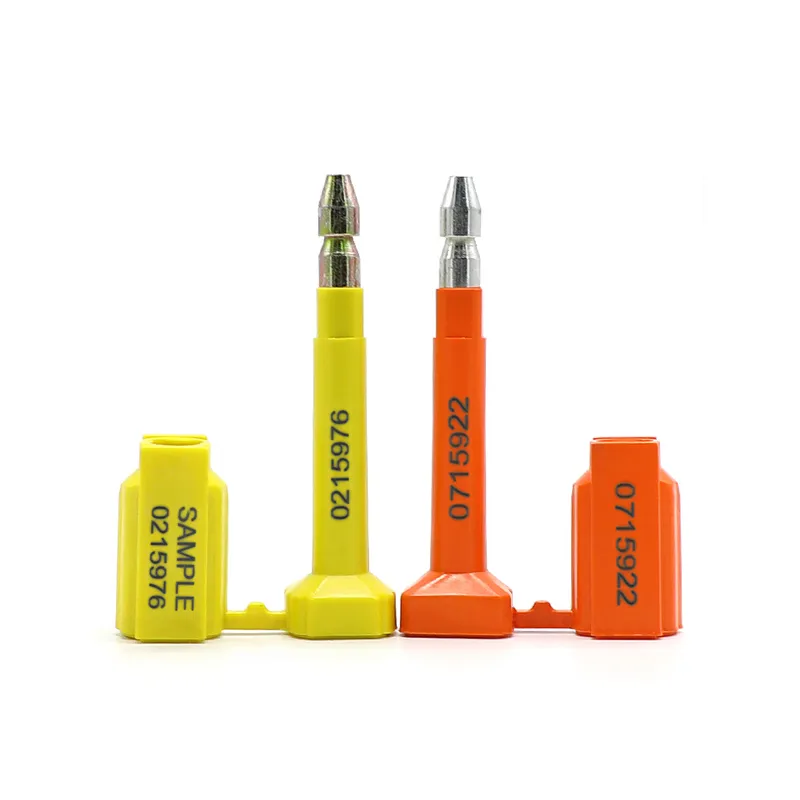
Barrier seals add physical resistance to the equation. Removing them requires tools and effort, which increases the time and noise associated with tampering attempts. This makes them suitable for moderate-security applications.
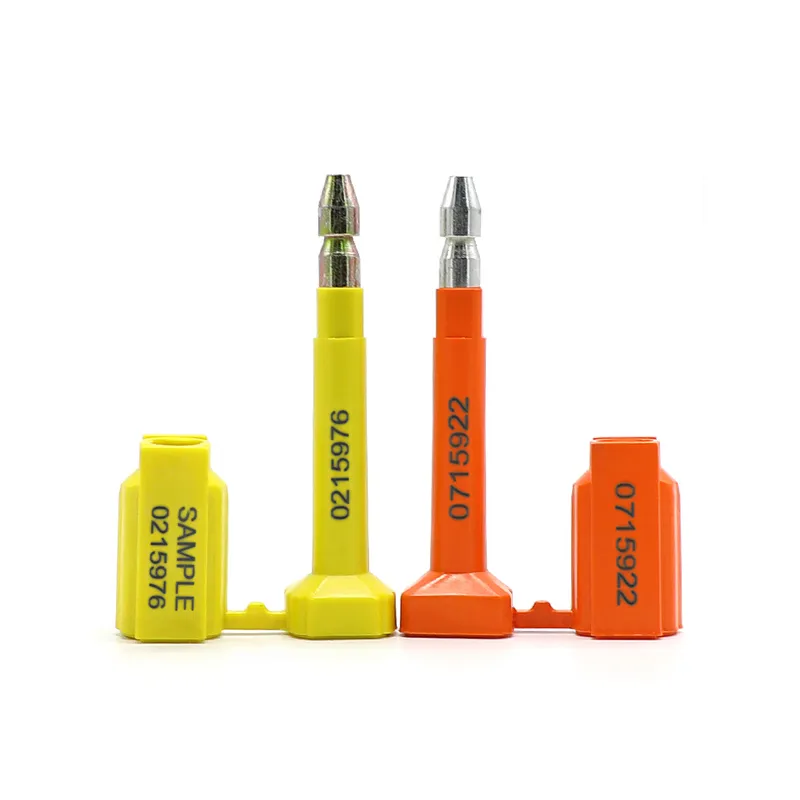
High-security seals combine substantial physical resistance with clear tamper evidence. Products compliant with ISO 17712 standards meet rigorous testing requirements for strength and tamper indication. These seals protect shipping containers and truck trailers in international logistics.
Shandong Junchuang Lock Industrial Co., Ltd. manufactures across this spectrum, including plastic seals, bolt seals, cable seals, meter seals, lead seals, and metal strap seals. Each type addresses specific industry requirements.
| Seal Type | Primary Application | Security Level | Key Feature |
|---|---|---|---|
| Plastic Seals | Bags, drums, utility boxes | Indicative | Easy application, visual tamper evidence |
| Bolt Seals | Shipping containers, truck trailers | High Security | Strong physical barrier, ISO 17712 compliant |
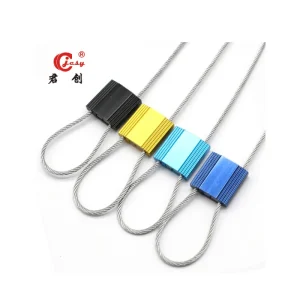
| Cable Seals | Tankers, rail cars, irregular openings | High Security | Flexible application, adjustable length |
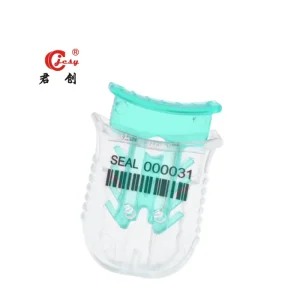
| Meter Seals | Utility meters, valves | Indicative | Small, precise, clear tamper indication |
| Metal Strap Seals | Drums, cash bags, fire extinguishers | Indicative | Stronger than plastic, visible breakage |
Factors That Drive Seal Selection
Choosing the right seal requires honest assessment of several variables. Security level comes first. Ask whether the goal is basic integrity verification or active deterrence against determined tampering attempts.
Environmental conditions matter significantly. Temperature extremes, chemical exposure, UV radiation, and physical stress during transit all affect seal performance. A seal that works perfectly in a climate-controlled warehouse may fail prematurely on a container ship deck.
Regulatory requirements often narrow the options. International shipping frequently mandates ISO 17712 compliant seals. Pharmaceutical applications may require specific documentation and traceability features.
Cost-effectiveness rounds out the analysis. The seal should match the value and risk profile of the protected assets. Over-specifying wastes money. Under-specifying creates vulnerability.
Indicative Versus Barrier Seals in Practice
The practical difference between indicative and barrier tamper evident seals shows up in how they fail and what that failure communicates.
Indicative seals like plastic padlock seals or meter seals break easily by design. Their value lies in the clarity of the evidence they leave behind. A broken indicative seal tells you something happened, even if it could not prevent that something from happening.
Barrier seals including bolt seals require tools and time to defeat. This physical resistance creates a window during which tampering might be detected in progress. The effort required also discourages casual or opportunistic attempts.
For specialized applications in utility and measurement security, 《meter-lead-seals-essential-security-for-utility-and-measurement-devices》 provides additional context.
How Tamper Evident Seals Protect Supply Chain Integrity
Supply chains create vulnerability through complexity. Every handoff, every storage point, every border crossing represents an opportunity for theft, substitution, or contamination. Tamper evident seals address this vulnerability by creating verifiable checkpoints throughout the journey.
When a seal is applied, its unique identifier gets recorded. At each transfer point, personnel verify that the seal remains intact and matches documentation. If the seal shows signs of compromise, investigation begins immediately rather than after the cargo reaches its destination and the trail has gone cold.
This continuous verification capability transforms supply chain security from reactive to proactive. Problems surface early, when evidence is fresh and corrective action remains possible.
The financial implications extend beyond direct theft prevention. Insurance claims become more defensible when seal records demonstrate proper handling. Liability questions become clearer when documentation shows exactly where chain of custody broke down.
Shandong Junchuang Lock Industrial Co., Ltd. designs seals for the realities of global logistics. Durability matters when seals must survive weeks of transit across multiple climate zones. Clear tamper indication matters when verification happens under time pressure at busy terminals.
Defending Against Specific Threats
Tamper evident seals counter several distinct threat categories. Counterfeiting becomes harder when genuine products carry verifiable seals. A seal confirms that the product originated from the claimed source and traveled through legitimate channels.
Pilferage prevention works through visibility. Removing goods from sealed containers leaves evidence that triggers investigation. Even when theft occurs, the evidence supports insurance claims and helps identify where security failed.
Product substitution attempts face similar obstacles. Replacing genuine goods with counterfeits or inferior alternatives requires breaking the original seal and applying a new one. Serial number verification catches this substitution attempt.
Meeting Regulatory Requirements Through Proper Seal Implementation
Regulatory frameworks across multiple industries mandate tamper evident seals for specific applications. Understanding these requirements helps organizations select appropriate products and implement compliant processes.
Pharmaceutical regulations address drug integrity and anti-counterfeiting measures. Seals verify that medications remain untampered from manufacturing through dispensing. This protects public health and prevents diversion of controlled substances.
Food safety frameworks require verification that products remain uncontaminated throughout distribution. Seals provide evidence that packaging integrity was maintained from production to retail.
Customs and border security agencies mandate specific seal types for international cargo. ISO 17712 compliant seals meet requirements for programs like C-TPAT. These seals prevent smuggling and ensure proper duty collection.
| Industry | Key Regulatory Requirement | Relevant Seal Type |
|---|---|---|
| Shipping/Logistics | ISO 17712 for high-security seals, C-TPAT | Bolt Seals, Cable Seals |
| Pharmaceuticals | FDA regulations, anti-counterfeiting measures | Plastic Seals, Meter Seals |
| Food & Beverage | HACCP, product integrity verification | Plastic Seals, Metal Strap Seals |
| Utilities | Meter tampering prevention, revenue protection | Meter Seals, Lead Meter Seal |
| Government/Customs | Border security, duty collection, cargo integrity | High Security Truck Seal, Customs Security Container Seal |
Building Legal Defensibility Through Standards Compliance
Tamper evident seals gain legal weight through proper documentation and adherence to recognized standards. When disputes arise over cargo integrity, seal records provide objective evidence of what happened and when.
ISO 17712 certification carries particular significance for high-security applications. This international standard specifies performance criteria for physical strength and tamper indication. Seals meeting this standard enjoy broad acceptance by customs authorities and courts worldwide.
Effective legal defensibility requires more than just using compliant seals. Documentation must be complete and consistent. Application and verification procedures must follow established protocols. Personnel must receive training on proper handling.
Building Effective Seal Management Programs
A quality seal provides only partial protection. The surrounding processes determine whether that protection actually materializes in practice.
Procurement establishes the foundation. Sourcing seals from reputable manufacturers like Shandong Junchuang Lock Industrial Co., Ltd. ensures consistent quality and authentic products. Counterfeit seals exist in the market, and using them defeats the entire purpose of the security program.
Application protocols must be standardized and enforced. Proper placement matters. Secure locking matters. Documentation at the moment of application matters. Variation in these procedures creates gaps that sophisticated adversaries can exploit.
Verification at checkpoints requires trained personnel who know what to look for. A seal that shows subtle signs of tampering provides no protection if the person checking it does not recognize those signs.
Disposal of used or compromised seals prevents their reuse in fraudulent schemes. Secure destruction should be standard procedure.
Strengthening Physical Security With Digital Integration
Digital technologies extend the capabilities of physical tamper evident seals. QR codes and RFID tags enable real-time tracking and automated verification. Scanning a seal at each checkpoint creates a digital record that supplements physical inspection.
This digital layer enables analytics that would be impossible with physical seals alone. Transit time patterns become visible. Anomalies trigger alerts before they become losses. Historical data supports continuous improvement of security protocols.
Real-time monitoring capabilities allow security personnel to respond immediately when seals show signs of compromise. This proactive approach catches problems while corrective action remains possible.
Secure Your Assets with Junchuang Lock Industrial
Ensure the integrity and security of your valuable assets with industry-leading tamper evident solutions. Shandong Junchuang Lock Industrial Co., Ltd. specializes in manufacturing high-quality, reliable seals tailored to your specific needs, including lead, plastic, cable, meter, metal strap, and high security bolt seals. Partner with us to fortify your supply chain and achieve unparalleled peace of mind. Contact our experts today for a consultation or to explore our extensive product range. Mobile: +86 13853189290 | Email: [email protected] | Whatsapp: +86 13853189290
Frequently Asked Questions About Tamper Evident Seals
How do I determine which tamper evident seal fits my specific security situation?
Start by assessing your actual threat profile. High-value international cargo facing sophisticated theft attempts needs ISO 17712 compliant bolt seals or cable seals. Internal inventory tracking with lower stakes may only require indicative plastic seals. Environmental factors like temperature extremes or chemical exposure narrow the options further. Regulatory requirements for your industry may mandate specific seal types. Shandong Junchuang Lock Industry offers consultation to help match seal characteristics to your particular risk profile and operational constraints.
What distinguishes indicative seals from barrier seals in practical terms?
Indicative tamper evident seals break easily and exist primarily to show that tampering occurred. They document unauthorized access rather than preventing it. Barrier seals add physical resistance that requires tools and time to overcome. This resistance deters casual attempts and creates opportunities for detection during the tampering process. High security bolt seals represent the barrier category, while plastic security seals typically fall into the indicative category. The choice depends on whether your primary goal is documentation or active deterrence.
Can tamper evident seals serve as evidence in legal proceedings?
Properly managed tamper evident seals carry significant evidentiary weight. The key requirements are complete documentation, consistent application procedures, and adherence to recognized standards like ISO 17712. Serial numbers create audit trails that establish chain of custody. Signs of tampering provide objective evidence of unauthorized access. Courts and arbitrators generally accept this evidence when the underlying seal management program demonstrates rigor and consistency. Weak documentation or inconsistent procedures undermine the legal value of even the best physical seals.