
Your supply chain’s integrity depends on how well your security measures hold up under real conditions. Cable seals sit at the front line of tamper prevention and access control across logistics, utilities, and countless other sectors. What follows is a practical framework for evaluating cable seal suppliers. The focus here isn’t on chasing the lowest price. It’s on finding partners who deliver genuine security and can sustain that quality over years of collaboration.
Understanding Cable Seal Quality Through Standards and Specifications
Solid cable seal quality verification starts with knowing what standards actually matter and what material specs translate to real-world performance. ISO 17712 stands as the benchmark for high-security seals. It lays out classification criteria, testing protocols, and acceptance thresholds. When a seal meets ISO 17712 requirements, you have documented evidence of its resistance to common tampering approaches.
Material specifications deserve equal attention. Galvanized steel cables bring the tensile strength and corrosion resistance needed for harsh environments. High-grade ABS plastic bodies hold up to physical stress while showing clear evidence when someone attempts manipulation. The tamper-evident mechanism itself needs careful design. Any compromise attempt should leave unmistakable visible traces.
Table: Key ISO 17712 Requirements
| Requirement | Description | Importance |
|---|---|---|
| Tensile Strength | Resistance to pulling force | Prevents removal by force |
| Shear Strength | Resistance to cutting | Deters cutting tools |
| Impact Resistance | Ability to withstand sudden blows | Protects against blunt force attacks |
| Tamper Evidence | Visible signs of compromise | Immediate detection of interference |
| Marking Permanence | Durability of serial numbers/logos | Ensures traceability throughout transit |
Strategic Supplier Evaluation That Goes Beyond Price and Delivery
Picking a cable seal supplier based on quotes and lead times alone misses the bigger picture. A proper evaluation digs into manufacturing capabilities, quality control systems, and operational reliability. Supplier audits reveal whether they actually follow industry best practices or just claim to. You want to see their production floor, understand their inspection protocols, and assess how they handle supply chain disruptions.
Risk management matters here too. A supplier with backup material sources and contingency plans won’t leave you scrambling when problems arise. This kind of thorough assessment separates vendors who can consistently meet your security demands from those who might fall short when it counts.
What certifications should a reliable cable seal supplier possess?
Several certifications signal a cable seal supplier’s commitment to quality and security. ISO 9001 certification points to a functioning quality management system with documented processes and continuous improvement practices. For suppliers handling international shipments, C-TPAT compliance demonstrates adherence to secure supply chain protocols recognized by customs authorities.
Depending on your application, you might also look for specific material certifications or environmental management credentials. These certifications together paint a picture of operational maturity. They show a supplier takes quality seriously enough to submit to external verification.
Manufacturing Excellence Through Process and Production Controls
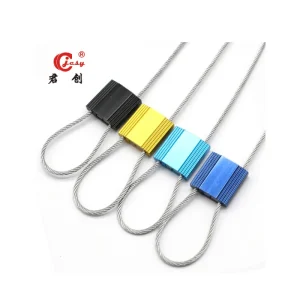
High-quality cable seals come from disciplined manufacturing. The best suppliers use automated processes that deliver precision and consistency in every component, from the Aluminium Cable Seal body to the locking mechanism internals. Manual operations introduce variability. Automation reduces it.
Production controls need to catch problems before products ship. In-process inspections at critical stages, combined with final product verification, identify defects early. A supplier offering Customized Cable Security Seal options, whether specific cable lengths, unique numbering sequences, or branded markings, demonstrates flexibility without sacrificing quality standards.
Traceability systems round out the picture. Being able to track any seal from raw material receipt through final delivery provides accountability and supports investigation if issues surface later.
Performance Testing and Validation for Real-World Security
Lab specifications only tell part of the story. Rigorous performance testing reveals how cable seals actually behave under attack and environmental stress. Tensile strength testing measures resistance to sustained pulling forces. Impact resistance testing shows whether seals survive sudden blows without compromising their integrity.
Environmental resilience testing exposes seals to temperature extremes, humidity, UV radiation, and corrosive agents. These conditions mirror what seals face in shipping containers, outdoor meter installations, and industrial settings. Comprehensive testing identifies weak points before they become field failures.
How can I test the durability and security of cable seals?
Start with hands-on evaluation. Try to defeat the seal using common tools and techniques. Check whether the tamper-evident features actually reveal manipulation attempts. This gives you a baseline sense of the seal’s practical security.
For rigorous validation, request third-party lab testing reports. These documents detail performance against ISO 17712 criteria, including tensile strength measurements, cutting resistance data, and environmental exposure results. Reading these reports helps you understand exactly what conditions the seal can handle and where its limits lie.
What are the common failure points in low-quality cable seals?
Cheap cable seals fail in predictable ways. Brittle materials crack or degrade when temperatures swing or UV exposure accumulates. Poorly machined locking mechanisms allow non-destructive bypass using shims or picks. Weak anti-tampering features fail to show evidence of skilled manipulation.
These vulnerabilities create false confidence. A seal that looks intact but has been compromised defeats the entire purpose of using security seals. The cost savings from inferior products evaporate when a single undetected breach occurs.
Building Long-Term Supplier Partnerships for Security
The best supplier relationships develop over years of collaboration. When you work with a cable seal supplier consistently, they learn your specific requirements, operational constraints, and security priorities. This familiarity translates to better products and faster problem resolution.
Open communication channels allow both parties to share insights. You learn about new security features or manufacturing improvements. They understand emerging threats in your industry. This exchange drives continuous improvement and keeps your security measures current.
Long-term partnerships also support innovation. Suppliers invest in developing new solutions when they have stable customers who will benefit from advances. Shandong Junchuang Lock Industry Co., Ltd. approaches these relationships as genuine collaborations, working alongside clients to strengthen their supply chain security over time.
We recommend exploring our insights on how to secure utility and measurement devices by reading ::《Meter Lead Seals: Essential Security for Utility and Measurement Devices》.
Secure Your Supply Chain with Junchuang Lock Industry
Protect your supply chain with cable seals that meet the toughest international standards. Shandong Junchuang Lock Industry Co., Ltd. brings expertise in design, development, and manufacturing of high-security cable seals. Reach out for a consultation on your specific sealing requirements. Mobile: +86 13853189290 | Email: [email protected] | Whatsapp: +86 13853189290
Frequently Asked Questions About Cable Seal Quality Verification
Why is independent third-party testing important for cable seal quality verification?
Third-party testing removes bias from the equation. When an independent lab validates performance against ISO 17712 or similar standards, you get objective data rather than marketing claims. This verification matters most in high-security applications where seal failure carries serious consequences. Independent results give you documented evidence to support procurement decisions and regulatory compliance.
How does a supplier’s manufacturing process impact the long-term durability of cable seals?
Manufacturing quality determines whether seals perform reliably over their service life. Proper material selection, precision machining, and systematic quality control at each production stage produce seals with consistent tensile strength and environmental resistance. Shortcuts in manufacturing show up as premature failures, degraded locking mechanisms, or compromised tamper evidence. The process directly shapes the product’s real-world performance.
What role does customization play in enhancing cable seal security and quality?
Customization adds layers of security that standard products cannot match. Unique numbering sequences make counterfeiting difficult. Company logos and specific color schemes allow quick visual verification. Custom cable lengths fit particular applications precisely. These tailored features improve traceability and make tampering harder to conceal. A capable cable seal supplier delivers these options while maintaining the quality standards that make the seal effective in the first place.