
Choosing an electric meter seal manufacturer for utility programs should not start with the lowest unit price. It should start with tamper evidence, traceable numbering, and production records that hold up when a utility audits field failures. At Shandong Junchuang, we have supplied meter seals, lead seals, and plastic security seals to global buyers for over fifteen years, and the recurring problem is rarely the plastic itself. It is a loose locking mechanism or a repeated serial number that destroys traceability. This guide covers the requirements, factory checks, and incoming inspection steps that procurement engineers and utility supply teams can use before placing a batch order.
Core Requirements for Electric Meter Seals
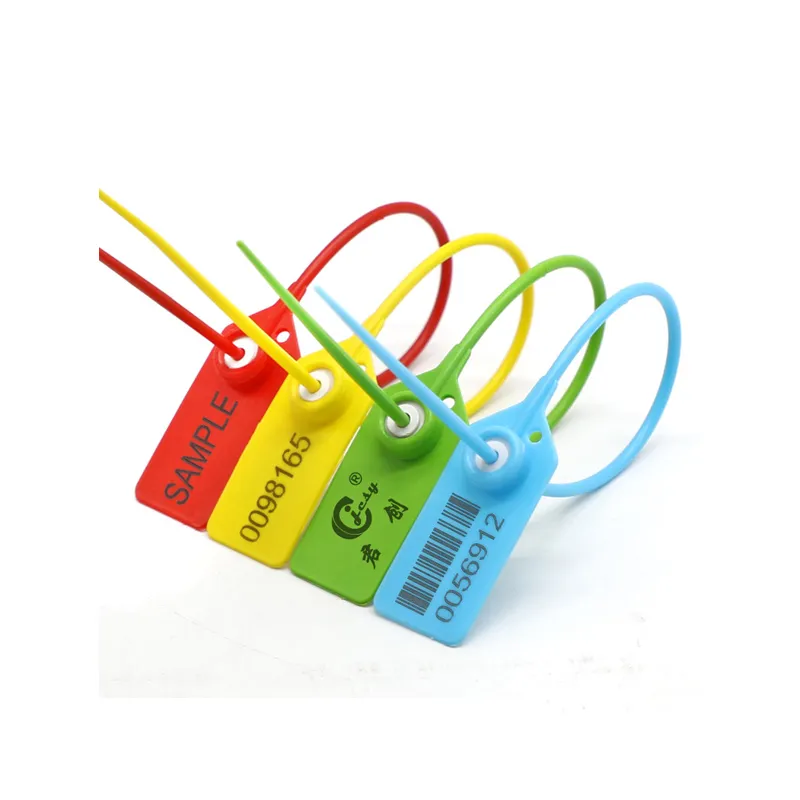
A utility meter seal has two jobs. It must show removal attempts clearly, and it must let an inspector read a unique number without cutting the seal off. Pull-tight plastic seals cover most residential and commercial installations because they install without tools and break destructively when removed. Wire seals and cable tie style locks go on larger industrial metering points where the cover is heavier or the hasp opening is wider.
| Seal Type | Best Fit | Tamper Evidence | Inspection Focus |
|---|---|---|---|
| Pull-tight plastic seal | Residential and light commercial meters | Locking tab stretches or breaks | Number clarity, locking pressure |
| Wire seal with aluminum ferrule | Meter boxes with pre-drilled hasps | Cut or crushed wire, deformed ferrule | Ferrule crimp, wire condition |
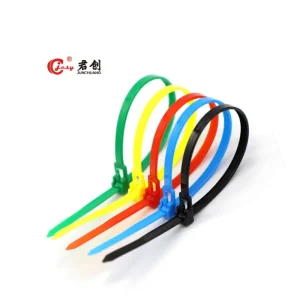
| Cable tie lock | Industrial enclosures and large covers | Broken head or cut strap | Head engagement, strap thickness |
Repeated serial numbers matter more than most buyers expect. If two utility branches install seals from the same number range, an investigator cannot tie a broken seal to a route, batch, or installation date. We require sequential numbering without skips and keep batch records that show the first and last number produced. A supplier that cannot produce those records on request is not controlling traceability.
Material choice depends on mounting location. Meters facing strong sun need UV stabilizer in the polymer. Meters in cold regions need impact resistance so the locking tab does not snap during normal handling. A seal that fails because of weather creates the same field problem as a tampered seal, because the utility cannot tell the difference without a laboratory review.
Fixed Length vs Adjustable Meter Seals
Fixed length pull-tight seals fit a known hasp size and leave no excess tail after sealing. Adjustable wire or cable tie style seals fit variable gaps but need a clean cut and a seated locking head. I prefer fixed length pull-tight seals for standard meter covers because the inspector sees a flush, consistent finish and any stretch is easier to spot.
Manufacturing Capabilities Worth Verifying Before Quotes
A manufacturer that quotes only a unit price cannot tell you how the seal behaves after two years on a meter box. Look for evidence of mold maintenance, material traceability, and control over numbering before comparing prices. When we review sample lots, I look first at the locking geometry. The small tab inside a pull-tight seal is the first point of failure. If it is too soft, the seal pulls back out without visible stretching. If it is too hard, it cracks during assembly. Both defects pass a quick visual check and show up later as field reports.
Injection molding tool condition determines whether a production batch matches an approved sample. Worn mold cavities produce rounded edges, flash, and inconsistent locking force. A factory that does not record tool maintenance dates or replace inserts when dimensions drift will ship seals that pass a light pull but fail in the field. Ask for dimensional reports from the same cavity set that will produce your order, not from a reference sample pulled from storage.
Material traceability is the second area to check. A responsible supplier records resin grade, colorant batch, and UV stabilizer for each production lot. This matters when a utility reports cracking after installation. Without lot records, the factory cannot isolate whether the problem was material, tooling, or handling. We keep those records for our meter seal production runs and can retrieve them by customer order number.
Quality Control Records and Compliance Documents
Quality control records show whether a supplier has a stable process or a final inspection department that catches what production missed. Buyers should ask for in-process inspection records for locking force, dimensional checks, and print clarity. Final inspection alone is not enough. A seal can sit flat on a QC table and still fail on a rounded utility hasp because the locking tab was never pulled at the angle it sees in service.
Pull testing should be part of every outgoing batch, not just the approval sample. The test method needs to match the seal’s use. A pull-tight plastic seal pulling at 10 kilograms may pass, but the real check is whether the numbered tag remains readable after bending. We run retention tests on samples from each shift and record the failure mode. If the seal tail slips through the head, the correction is different from a broken tab. Both must be separated in the record.
Documents should be specific. A generic certificate of conformity that says “satisfies customer requirements” is weaker than a batch record with the actual dimensions, material lot, and number range. Importers meet fewer delays when the supplier attaches that batch data to the packing list. This is not a documentation formality. It is the audit trail a utility maintenance team will need two years later.
What Incoming Inspection Documents Matter Most
A meter seal import file should include three records: a batch dimension report, a material lot certificate, and a first and last serial number statement. If there is custom printing, include an approved artwork file and a physical preproduction sample confirmation. Without these, a customs hold or a field complaint is harder to resolve.
If your utility order mixes sun-exposed and cold-climate meter boxes, confirm the polymer grade and locking retention force before finalizing the BOM. Send your meter panel dimensions and order volume to [email protected] and we will confirm the right material and numbering plan.
Pricing, Custom Printing and Order Setup for Electric Meter Seals
Electric meter seal pricing moves with material, tooling, printing, and annual volume. The lowest quote often excludes two costs: a new mold insert for your utility name and the setup time to run a nonstandard number range. A factory that quotes low and then adds tooling charges after sampling is not saving money. We prefer to calculate total cost from the first article, including artwork adjustment, material certification, and export packing.
Custom printing on meter seals should be evaluated under magnification, not from a distance. The number must be raised or laser marked deeply enough to survive field cleaning and sunlight. Outlines that look sharp on a screen can turn into smeared digits after ten thousand cycles of handling. Ask for a printed sample from the same process that will run production. Screen printed surfaces wear differently than hot stamped numbers.
Order setup needs a locked number range before production starts. If the utility uses a ten digit code with a prefix, the supplier must confirm the format, the starting number, and the quantity per prefix. We ask buyers to send their existing seal sample or a drawing. That one step removes most errors before the mold runs.
Long Term Supply Controls That Lower Field Risk
Field failures usually surface in the second year, not the first inspection. The seal that cracked in cold storage or lost its number after cleaning was not the obvious problem at intake. That is why order setup, not final inspection, is the real control point. The parameters that lower your long term risk are locking geometry, polymer stabilizer package, and serial number continuity.
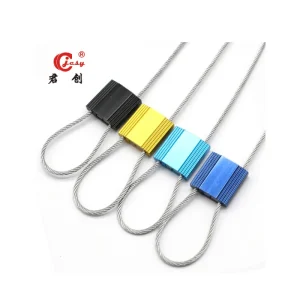
For utility programs that also secure high value panels, cable seals may enter the conversation. The same traceability rules apply: choose a locking design, confirm the material, and hold the supplier to the number range recorded in your maintenance system.
If you have a current meter seal or a utility specification, send your part number, numbering sequence, and quantity to [email protected] or call +86 13853189290. We will check whether existing tooling matches your sample or whether a custom insert is needed before quoting. This avoids the batch that arrives with the right price and the wrong locking geometry.
Common Questions About Electric Meter Seal Sourcing
How Many Meter Seal Samples Should a Buyer Request Before a Container Order?
Three sample sets cover most sourcing decisions. One set goes to pull and bending tests, one set gets fitted on the actual meter boxes in the field, and one sealed sample stays in the buyer’s file as a reference standard. More samples do not add confidence if the supplier has not confirmed that production tooling is the same tooling used for the samples. Ask whether the sample came from the production cavity set or from a separate sample mold.
Are ISO 17712 High Security Seals Necessary for Electric Meter Seals?
ISO 17712 is often requested by mistake for electric meter seals. That standard applies to high security container seals used in cargo transport, not to utility meter seals. Electric meter seals need tamper evidence, readable numbering, weather resistance, and controlled retention force. A utility buyer should ask for those specifications instead of an import compliance document that does not describe the product’s actual field failure modes. The supplier should know the difference and say so directly.
What Material Difference Matters Most for Outdoor Meter Seals?
It depends on where the meter box sits. In full sun, polypropylene with UV stabilizer resists surface chalking and cracking better than unstabilized material. In cold regions, polyethylene handles impact without snapping at the locking tab. If the same utility covers both conditions, ask for two material grades under one numbering plan rather than one grade forced into every climate. The extra inventory cost is small compared with replacing failed seals across a service territory.
How Can I Tell if a Meter Seal Serial Number Range Is Already Used?
In programs we have supported, repeated number ranges cause more field confusion than broken seals. Ask the supplier for batch records showing the first and last number produced, and check those records against previous purchase orders. A manufacturer that controls traceability can confirm whether a requested range has been used before. That check should happen before production, not after delivery. Share your numbering format and annual volume at [email protected] and we will confirm the format against our recent production runs.
If you’re interested, check out these related articles:
Comprehensive Quality Inspection Checklist for Security Seals – Junchuang Lock
What is an Animal Ear Tag: Essential Livestock Identification Systems – Junchuang Lock
Tamper Evident Seals: Safeguarding Assets and Supply Chain Integrity – Junchuang Lock
Finding Trusted Cable Seal Exporters: A Strategic Procurement Guide – Junchuang Lock
Lead Seal vs Plastic Meter Seal: Ultimate Security Comparison – Junchuang Lock