
Cargo theft rarely announces itself while the truck is still in the yard. More often the evidence shows up at the destination: a seal that looks closed but has been opened with a warm blade, a locking chamber that has been worked loose, or a serial number that no longer matches the manifest. Anti tamper seals for cargo protection are not a promise that no one will touch the load. They are a physical record of interference, and the record only holds when the seal type matches the load, the route, and the inspection discipline at both ends. In fifteen years of producing security seals, I have learned that the seal itself matters less than the process around it.
Seal Type Selection for Anti Tamper Cargo Protection
Choosing a seal type before understanding the closure point is the fastest way to buy security that does not fit. We see this pattern in quote requests where a customer asks for a bolt seal for a tanker hatch or a metal strap seal for a container door. The seal does not fail because it is weak. It fails because the locking path is wrong for the hardware.
The table below separates the main seal families by the job they do on cargo. Use it as a starting point, not as a final answer. Route conditions, inspection habits, and insurance requirements will move the decision.
| Seal Type | Best Cargo Application | Tamper Evidence Pattern | Inspection Ease |
|---|---|---|---|
| Bolt seal | Ocean containers, trailer doors | Broken barrel or sheared pin on removal | Fast, single point |
| Cable seal | Tankers, rail hatches, irregular latches | Cut cable cannot be reseated | Moderate, flexible path |
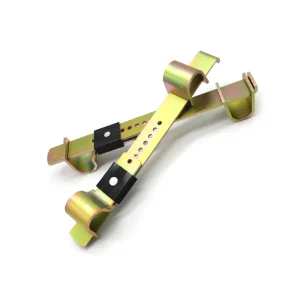
| Metal strap seal | Tote boxes, drums, air freight | Bent or torn strap | Quick |
| Barrier seal | High value or bonded cargo | Multi point locking with visible fracture | Detailed |
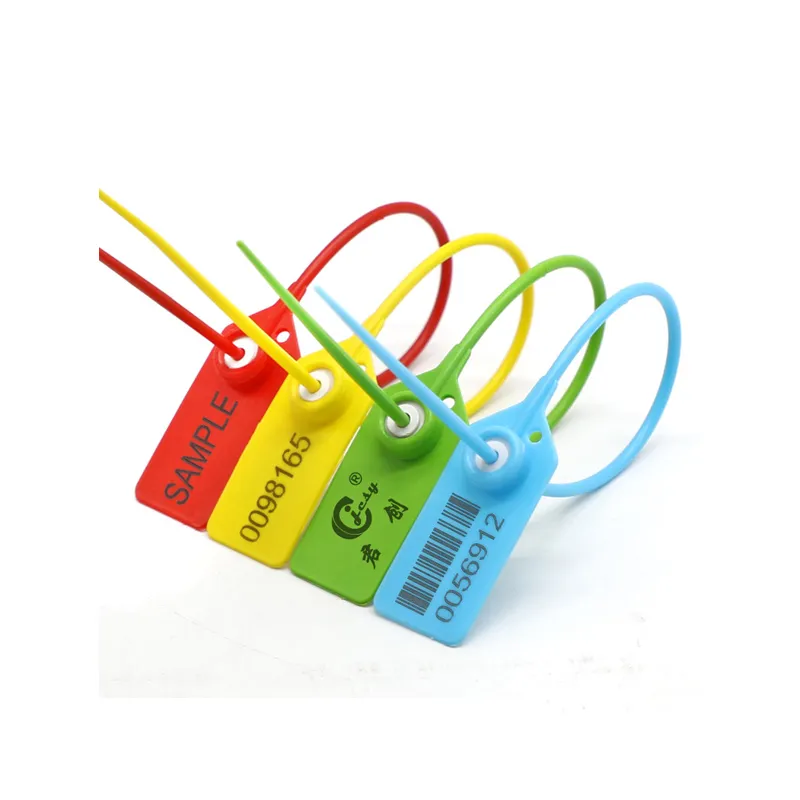
| Plastic pull tight seal | Light duty cartons, internal transfers | Stretched or cut tail | Very fast |
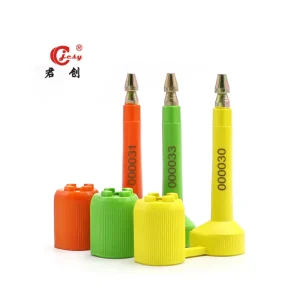
A bolt seal gives the cleanest inspection because there is one point to look at. That matters when a trailer passes through several checkpoints and each inspector has only seconds. A cable seal works better when latching hardware has variable geometry because the cable can follow the path. A plastic pull tight seal belongs on internal transfers or low risk cartons where the main job is numbering and evidence of casual access, not forced entry resistance.
Tamper Evidence Features That Hold Up Under Real Handling
A seal is only as useful as the evidence it leaves behind. I look for features that survive vibration, weather, and rough handlers without losing their readable record.
Serial Numbers and Marking Depth
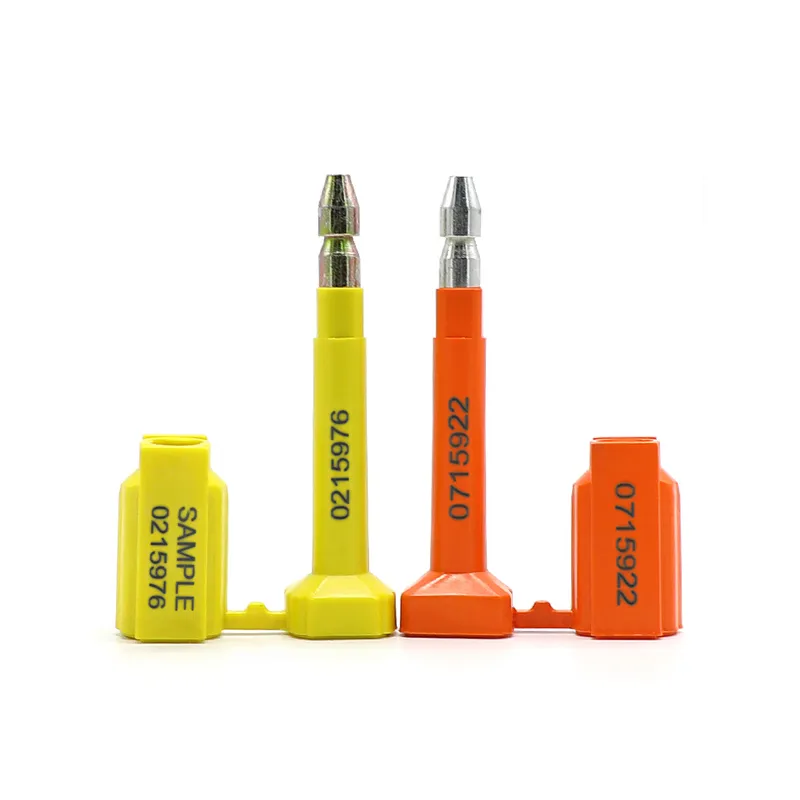
Laser marked serial numbers sit below the surface of plastic and metal components. Printed markings wear off. That difference decides whether an inspector can still read the seal number after a coastal run or a dusty cross border route. We mark both the body and the locking element on high security bolt seals so a mismatched pair cannot be passed off after reassembly.
Locking Chamber Design
The locking chamber is where most weak seals reveal themselves. A thin wall or a shallow retention groove will hold under a gentle pull but release when the load shifts. In the factories I have visited, the difference between a reliable seal and a disposable one often comes down to the depth of the internal seating and the stiffness of the spring. These are invisible until a sample is cut open.
Route and Risk Factors That Change Seal Requirements
The same cargo can need a different seal on a short regional run than on a long export movement. Temperature, handling frequency, and inspection points should change the specification.
Cold chain routes punish rigid plastics. A seal that flexes at room temperature can become brittle at minus 20 degrees Celsius and snap when a worker snags it with a glove. For refrigerated trailers, we specify polypropylene bodies or metal bodied seals that keep their locking force across the temperature range. For dusty or corrosive routes, the locking chamber needs tighter tolerances because fine particles work into loose areas and jam the mechanism.
High risk routes call for seals with unique serial numbers and no duplicate sets in circulation. If two identical numbers can be ordered across two suppliers, the audit trail collapses. We control numbering in house so the customer can confirm the exact sequence before the container leaves.
If your program involves cold chain, bonded cargo, or routes with frequent transfers, it is worth confirming the seal temperature range and locking chamber dimensions before finalizing your BOM. Send your part number or route details to [email protected] and we will confirm the right match.
Factory Checks That Separate Reliable Cargo Seals From Weak Imitations
Price will not tell you whether a seal was made for cargo protection or made to look like it. These are the checks we run before a lot leaves our facility.
In our Shandong Qingyun County facility, we rejected a lot of plastic seals because the locking chamber showed micro cracks after cold impact testing at minus 25 degrees Celsius. The customer never saw that lot. That test is part of every batch because a seal that snaps in cold storage creates the same cargo protection gap as a missing seal. We also cut samples from every production run, not just first articles, to verify the retaining ring and ball bearing seat inside a bolt seal are installed to depth. A seal that looks complete on the outside can still fail on the inside if the assembly depth is off by less than a millimeter.
For cable seals, we pull samples to full working load on a tensile fixture and then inspect the cable end for slip marks at the locking wedge. For metal strap seals, we bend the strap at the seal point to check for cracks at the fold. Passing these checks does not guarantee the seal can never be defeated. It does mean the seal fails in a way that leaves clear, inspectable evidence.
A Repeatable Cargo Seal Specification Reduces Delivery Disputes
Most cargo claims turn on paperwork, not on the seal itself. A repeatable specification closes the gap between what was ordered, what was installed, and what arrived.
We recommend that every shipment record carry five fields: seal type, serial number range, installation point, inspector name or badge, and a photo timestamp. When a mismatch appears at destination, the audit chain points to the failure point instead of starting a blame loop. For high value loads, we also recommend keeping one sample seal from the same lot in the driver packet. If a dispute reaches a insurer or a customs authority, the physical sample settles questions about whether the seal was weak or the handling was abnormal.
If your operation is still ordering seals by generic description, the fastest correction is to build a short specification and test it on one lane before rolling it out. We can send sample lots, test reports, and production run records for that step. Send your seal type, quantity, and route conditions to [email protected] or call +86 13853189290, and we will confirm the specification and lead time before you commit.
Common Questions About Anti Tamper Seals for Cargo Protection
How can I tell if an anti tamper seal has been opened and reseated?
A properly selected anti tamper seal usually shows a physical change that cannot be reversed. On a bolt seal, the barrel will not thread back onto the pin cleanly if the internal ball bearings have been disturbed. On a cable seal, the cable cannot re-enter the locking wedge to sit flush. Inspect the seal under bright light, compare the serial number to the manifest, and trace the locking area with a thumbnail. If the surface shows scrape lines, stretch marks, or a gap that was not present at loading, treat the cargo as exposed and document the condition before unloading.
Do I need ISO 17712 seals for all cargo?
Not all cargo needs ISO 17712 certification. The standard applies to high security seals used on ocean containers and certain customs bonded movements. For domestic cartons, internal transfers, or low risk utility closures, a numbered plastic seal is often the right balance of cost and control. That said, if your freight crosses an international border or your insurance policy names ISO 17712 in the conditions, use a certified seal. Check the certificate against the lot number and confirm the manufacturer actually tested the batch, because an uncertified seal with an ISO 17712 marking is worse than no marking at all.
What seal type works best for refrigerated or long haul loads?
The best choice depends on temperature exposure and closure hardware. For refrigerated trailers with standard door rods, a high security bolt seal with a metal barrel and zinc alloy locking chamber handles the temperature swing without becoming brittle. For tanker hatches or irregular latches, a cable seal lets the shipper route the cable through the hardware without forcing a rigid bolt into a weak angle. Avoid thin walled plastic seals in cold chain use because they can crack when a worker pulls them against a frozen latch. Confirm the material grade with the factory before the first winter run.
Can I order anti tamper seals with company markings and serial numbers?
In bulk orders we run, customized serial numbers and laser marked logos are standard, not special requests. The marking is applied during production, so the sequence stays controlled and the logo cannot be added later by a third party. We also keep the serial number range on file so repeat orders continue the sequence instead of restarting it. If your program needs a specific prefix, a barcode, or a two line mark, send your artwork and target quantity to [email protected] and we will confirm the marking position and lead time.
If you’re interested, check out these related articles:
Bolt Seal Manufacturer Selection Guide for Supply Chain Security – Junchuang Lock
Security Seal Factory vs Trading Company: Expert Procurement Guide – Junchuang Lock
Bolt Seal vs Cable Seal: Strategic Security Differences – Junchuang Lock
Custom Bolt Seal Printing Options: Secure Your Global Logistics – Junchuang Lock