
Choosing between a direct factory and a trading company for security seals sounds straightforward until you actually start comparing quotes and capabilities. The differences run deeper than price per unit. They affect how much control you have over what you receive, how quickly problems get solved, and whether your seals will perform when it matters most. After working through these decisions repeatedly, certain patterns become clear about what each option actually delivers.
What Shapes Security Seal Procurement Decisions
Security seal procurement sits at the intersection of cost management, quality assurance, and operational reliability. The supplier you choose determines more than just what arrives at your dock. It shapes your ability to respond when specifications need adjusting, when volumes shift unexpectedly, or when a seal fails in the field and you need answers fast.
Businesses typically face two main paths: working directly with manufacturers or going through trading companies that aggregate products from multiple sources. Neither option is universally better. The right choice depends on your order volumes, customization needs, tolerance for complexity, and how much visibility you require into production processes. Getting this decision wrong creates headaches that compound over time through inconsistent quality, communication gaps, or costs that creep upward without obvious explanation.
What Direct Factory Relationships Actually Provide
Working directly with a security seal manufacturer changes the nature of the supplier relationship fundamentally. You gain access to the people who design the products, run the production lines, and test the finished seals. When questions arise about material composition or tamper-evident mechanisms, answers come from engineers rather than salespeople reading from spec sheets.
Shandong Junchuang Lock Industrial Co., Ltd operates as this type of integrated manufacturer, handling design, development, production, and sales under one roof. This structure means customization requests go directly to the teams who will implement them, without translation through intermediaries.
The practical benefits show up in several areas:
| Feature | Direct Factory Benefits |
|---|---|
| Quality Control | Comprehensive oversight, adherence to ISO standards. |
| Customization | Direct design modifications, bespoke solutions. |
| Cost Efficiency | Reduced intermediary costs, competitive pricing. |
| Technical Support | Direct access to manufacturer expertise, faster issue resolution. |
| Transparency | Clear visibility into production processes. |
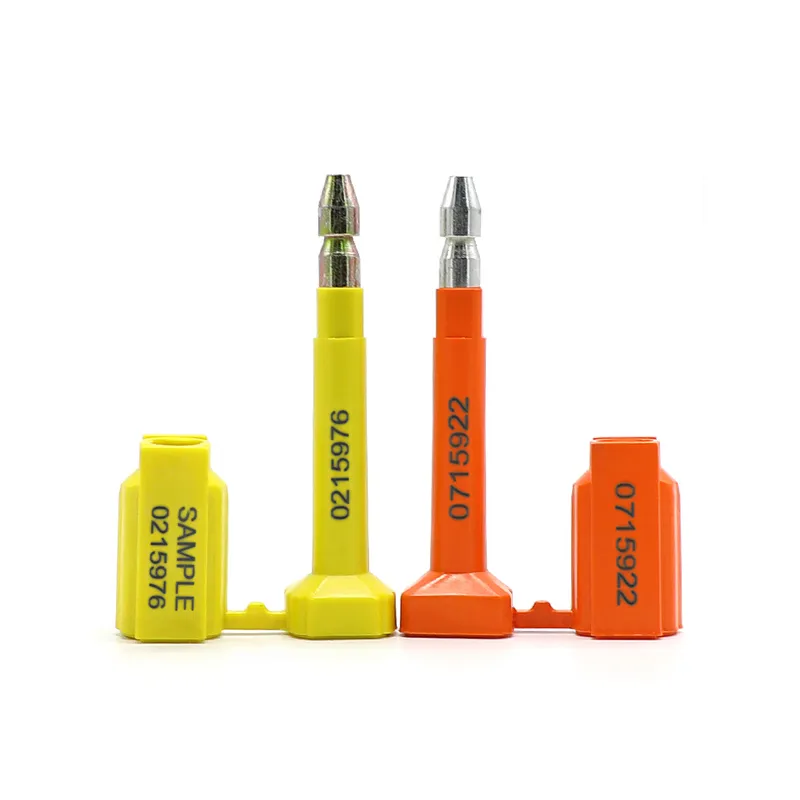
Price advantages from direct purchasing tend to be real but require context. You eliminate the trading company margin, which can run 15-30% depending on the product and market conditions. However, you also take on responsibilities that trading companies normally handle, including international logistics coordination, customs documentation, and managing communication across time zones.
How Quality Gets Verified at the Source
Quality verification looks different when you can observe production directly. Factory relationships allow for scheduled audits where you or your representatives watch seals being manufactured, inspect raw materials before they enter production, and review testing protocols as they happen.
Certifications provide baseline assurance. ISO standards validate that quality management systems exist and function consistently. For high-security applications, ISO 17712 certification specifically addresses bolt seal requirements for container security. These certifications matter, but they tell you what systems exist rather than how well they perform on any given production run.
The real value comes from ongoing visibility. When you know your supplier’s production capacity, current workload, and quality metrics over time, you can anticipate problems before they affect your shipments. This kind of relationship takes time to build but pays dividends when something goes wrong and you need fast, honest answers about what happened and how it will be fixed.
How Trading Companies Fit Into Seal Supply Chains
Trading companies exist because they solve real problems for certain buyers. Their value proposition centers on simplification and variety. Instead of managing relationships with multiple factories across different product categories, you work with one company that handles sourcing, consolidation, and logistics.
For businesses needing smaller quantities of Plastic Seals alongside Cable Seals and perhaps some specialty items, trading companies can assemble mixed orders that no single factory would accept. They maintain relationships across the manufacturing landscape and know which factories excel at which products.
| Feature | Trading Company Benefits |
|---|---|
| Product Diversity | Access to a wide range of seals from multiple factories. |
| Logistics Management | Simplified shipping, consolidated orders. |
| Market Access | Entry to various manufacturers without direct contact. |
| Reduced Admin | Less paperwork and coordination for buyers. |
The tradeoffs are predictable. You pay for convenience through higher unit costs. You lose direct communication with the people making your products. When problems occur, you receive information filtered through an intermediary who may not fully understand the technical details or have complete access to production data.
For some buyers, these tradeoffs make sense. A company ordering modest quantities across many seal types, without specialized requirements, may find trading company convenience worth the premium. The calculation changes as volumes increase or specifications become more demanding.
What Matters Most When Evaluating Suppliers
Supplier selection criteria should reflect your actual operational requirements rather than generic best practices. A company shipping thousands of containers monthly has different priorities than one securing a few dozen meters per quarter.
Start with capability matching. Can the supplier consistently produce the volumes you need, with the specifications you require, on schedules that work for your operations? Manufacturing capacity matters less than available capacity. A factory running at 95% utilization may struggle with your orders even if their total output exceeds your needs.
Lead time reliability often matters more than lead time length. A supplier who consistently delivers in 45 days creates fewer problems than one who promises 30 days but varies between 25 and 60. Predictability allows planning; variability forces reactive scrambling.
Practical Steps for Supplier Verification
Verification should be proportional to risk. For standard seals in non-critical applications, certification review and sample testing may suffice. For High Security Bolt Seal products protecting high-value cargo, more extensive due diligence makes sense.
Request ISO 9001 quality management certification as a baseline. For security-critical applications, ISO 17712 certification specifically addresses high-security seal requirements. These documents should be current and verifiable with the issuing bodies.
Factory audits provide information that certifications cannot. You see how facilities actually operate, how workers interact with quality systems, and how management responds to questions. Even virtual audits reveal useful information about transparency and professionalism.
Sample testing should simulate real-world conditions. Seals that perform perfectly in laboratory settings sometimes fail under field conditions involving temperature extremes, rough handling, or extended storage. Test samples the way your seals will actually be used.
Reference checks with existing customers reveal patterns that suppliers may not volunteer. Ask specifically about problem resolution, communication responsiveness, and consistency over time rather than just general satisfaction.
Understanding True Costs Beyond Unit Price
Unit price comparisons between direct factory and trading company options often mislead because they ignore significant cost components that affect total expenditure.
Direct factory purchasing typically offers lower per-unit costs but introduces expenses that trading companies absorb. International shipping from a single factory may cost more per unit than consolidated shipments through a trading company’s logistics network. Customs brokerage, documentation, and compliance verification require either internal expertise or external services. Communication across time zones and languages demands staff time that has real cost even if it does not appear on invoices.
Trading company pricing includes these services but bundles them opaquely. The premium you pay covers logistics coordination, quality inspection, and supplier management that you would otherwise handle yourself. Whether this premium represents good value depends on your internal capabilities and the opportunity cost of staff time spent on procurement administration.
Total cost of ownership extends beyond acquisition. Seal reliability affects operational costs when failures require investigation, remediation, or cargo delays. Premium seals that never fail may cost less overall than cheaper alternatives with higher failure rates. The math depends on your specific failure costs and risk tolerance.
Customization Capabilities and Their Limits
Customization requirements often determine whether direct factory relationships justify their complexity. Factories with integrated design and production capabilities can modify products in ways that trading companies cannot easily facilitate.
Shandong Junchuang Lock Industrial Co., Ltd maintains R&D capabilities that enable direct implementation of customer specifications. This includes Plastic Seal with Serial Number configurations, Customized Cable Security Seal designs, and material modifications for specific environmental conditions.
Direct factory customization offers several advantages. Communication happens without translation through intermediaries who may not fully understand technical requirements. Prototyping and iteration proceed faster when designers and production teams work in the same facility. Proprietary features remain more confidential when fewer parties are involved.
Trading companies can facilitate customization but typically relay requests to factories they work with. This adds communication layers that can introduce errors or delays. Complex customization may require the trading company to identify new factory partners, extending timelines and potentially affecting quality consistency.
Standard products with minor modifications, such as custom printing or specific serial number sequences, fall within most trading companies’ capabilities. Significant design changes or proprietary features generally require direct factory engagement.
Making Procurement Decisions That Fit Your Operations
The factory versus trading company decision should follow from operational analysis rather than general preferences. Consider your actual requirements across several dimensions.
Volume and consistency matter. High-volume, consistent orders favor direct factory relationships where you can negotiate based on predictable demand and build operational familiarity. Variable or smaller volumes may fit better with trading company flexibility.
Customization needs drive complexity. Standard products with minimal modification work fine through either channel. Specialized requirements push toward direct factory engagement where technical communication happens without intermediaries.
Internal capabilities affect total cost. Organizations with international procurement expertise, logistics management systems, and quality assurance resources can capture direct factory cost advantages. Those lacking these capabilities may find trading company services worth their premium.
Risk tolerance shapes verification requirements. High-security applications demand supply chain visibility that direct factory relationships provide more readily. Lower-risk applications may accept the reduced visibility that trading company arrangements typically involve.
Working with Junchuang Lock Industrial
Shandong Junchuang Lock Industrial Co., Ltd manufactures a comprehensive range of security seals including Lead Meter Seal, Plastic Seals, Cable Seals, Meter Seals, Metal Strap Seals, and High Security Bolt Seal. As an integrated manufacturer handling design through production, we provide direct access to manufacturing expertise and customization capabilities.
Contact our team to discuss your specific security seal requirements. Mobile: +86 13853189290 | Email: [email protected] | Whatsapp: +86 13853189290
Frequently Asked Questions About Security Seal Procurement
What are the key benefits of buying security seals directly from a factory?
Purchasing security seals directly from a factory like Shandong Junchuang Lock Industrial Co., Ltd ensures direct access to manufacturing expertise. This provides superior quality control, greater customization options, and competitive pricing due to fewer intermediaries. It also offers transparent production processes. This direct engagement often leads to better product authenticity and quicker resolution of any technical issues related to your security seals.
How can I verify the authenticity and quality of a security seal supplier?
To verify a security seal supplier’s authenticity and quality, request certifications (e.g., ISO standards) and conduct factory audits. Ask for product samples and check their industry reputation and client testimonials. For high-security bolt seals or other critical products, ensure they meet international security standards. Reputable manufacturers will readily provide this information to ensure confidence in their Security Plastic Seals products.
What are the hidden costs associated with purchasing security seals from a trading company?
Hidden costs when buying security seals from a trading company can include mark-ups and potential communication delays. There is often less direct control over product quality and limited customization options. Additional freight costs or longer lead times might also occur if the trading company sources from multiple factories. Understanding the full cost efficiency involves evaluating these indirect factors alongside the initial price of the security seals.
How do lead times for security seals differ between factories and trading companies?
Lead times for security seals typically differ significantly. Factories, especially those with integrated design and production like Shandong Junchuang Lock Industrial Co., Ltd, can often offer shorter and more predictable lead times. This is particularly true for custom orders, as they control the entire manufacturing process. Trading companies, relying on external factories, may have longer or less consistent lead times, depending on their sourcing network and the specific Cable Security Seal product.
Can I get custom security seals from both factories and trading companies?
While both can offer Customized Plastic Seal, factories generally provide more extensive and direct customization capabilities. A factory like Shandong Junchuang Lock Industrial Co., Ltd, with its own R&D and production, can directly implement specific design modifications, branding, and material choices. Trading companies might offer customization, but it often involves relaying requests to a third-party factory, potentially leading to higher costs or longer turnaround times for your custom security seals.