
Cargo theft keeps getting smarter. The methods evolve, the targets shift, and the losses add up faster than most logistics managers want to admit. Picking the right seal isn’t just a procurement checkbox—it’s a decision that directly affects whether your shipment arrives intact or becomes another statistic. After years of watching how different seals perform under real-world stress, the choice between bolt seals and cable seals comes down to understanding what each one does well and where it falls short.
How Bolt Seals Deliver Maximum Physical Resistance
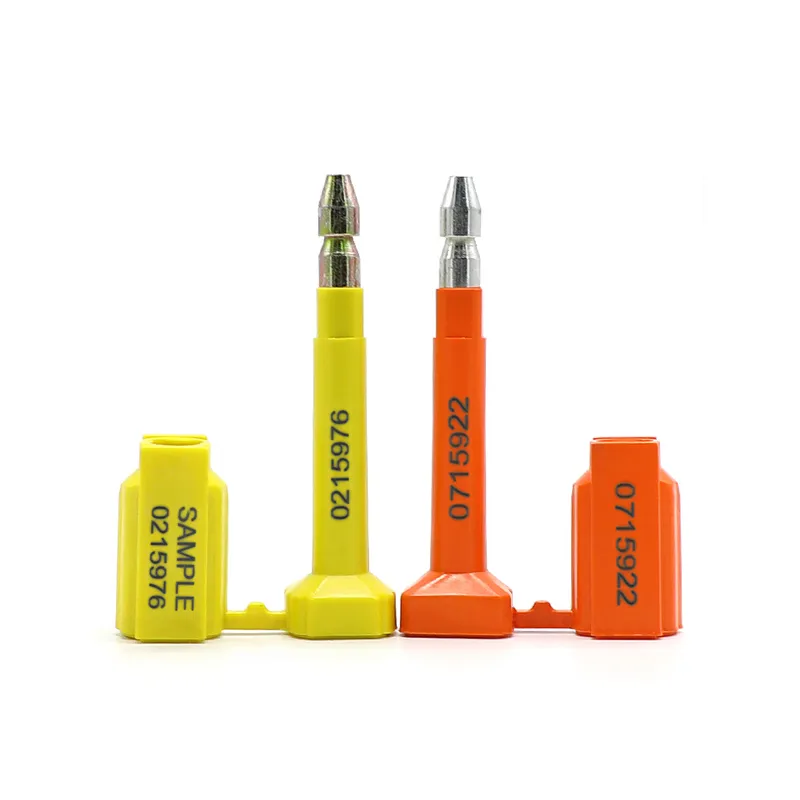
High-security bolt seals exist for one reason: to make forced entry as difficult as possible. The construction centers on a steel pin that locks into a steel barrel, with both components wrapped in ABS plastic. That combination creates a physical barrier that requires serious effort to defeat.
The steel resists cutting attempts. The plastic casing does something equally important—it shows damage clearly. Any tampering attempt leaves visible evidence that’s hard to miss during inspection. Every high-security bolt seal carries a unique serial number, which matters for tracking and audit documentation.
These seals meet ISO 17712 standards, the international benchmark for container security. That compliance isn’t optional for many shipping routes. Customs authorities in major trading nations expect to see ISO 17712 high security seal certification on international freight.
The primary applications are straightforward: shipping containers and truck trailers. Anywhere you need a strong physical deterrent on a standard locking mechanism, bolt seals are the default choice. The locking mechanism itself is designed for consistency—each seal should perform identically to the last one, which is what makes them reliable for high-volume operations.
Cable Seals Balance Flexibility With Tamper Evidence
Cable seals solve a different problem. Not every locking point fits a rigid bolt seal. Some applications need adjustable length. Others involve irregular shapes or multiple closure points that a fixed-size seal can’t accommodate.
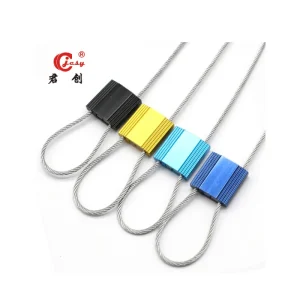
The basic design pairs a steel cable with a locking body made from aluminum or plastic. The cable threads through the locking mechanism and pulls tight, leaving no slack for manipulation. Once locked, the seal stays in place until someone cuts it.
The flexibility of cable seals opens up applications that bolt seals can’t handle. Truck doors with non-standard latches. Rail car hatches. Utility meters. Airline cargo containers. Chemical drums. The adjustable length means one seal design can work across multiple scenarios.
Different cable diameters and lengths serve different security requirements. Thicker cables resist cutting better but cost more and may not fit tight spaces. Thinner cables offer less resistance but work in applications where space is limited.
Like bolt seals, every cable seal carries a unique serial number. That traceability matters for audit trails and for detecting unauthorized seal replacement—someone can’t just swap in a new seal without the number mismatch raising flags.
Performance Differences That Shape Your Decision
The choice between bolt and cable seals isn’t about which one is “better.” It’s about matching the seal to the threat profile and operational requirements.
Bolt seals win on raw physical strength. The rigid steel construction resists cutting better than any cable. Defeating a quality bolt seal requires heavy-duty bolt cutters and time—both of which increase the risk of detection for anyone attempting theft. For high-value cargo where physical deterrence is the priority, that strength matters.
Cable seals offer tamper evidence through different mechanisms. Cutting attempts leave the cable frayed or severed. Manipulation of the locking body shows visible damage. The evidence is clear, even if the physical barrier is somewhat easier to defeat than a bolt seal.
| Feature | Bolt Seal | Cable Seal |
|---|---|---|
| Security Level | High (ISO 17712 compliant) | Medium to High (ISO 17712 compliant options) |
| Material | Steel bolt with ABS plastic casing | Steel cable with aluminum/plastic body |
| Tensile Strength | Very High | High (varies by cable diameter) |
| Cutting Resistance | Requires heavy-duty bolt cutters | Requires cable cutters |
| Flexibility | Low (rigid) | High (adjustable length) |
| Applications | Shipping containers, truck trailers | Truck doors, rail cars, meters, drums |
| Tamper Evidence | Clear breakage/damage upon forced entry | Fraying/unraveling of cable, body damage |
When Bolt Seals Make More Sense
Bolt seals are the standard for international shipping containers and cross-border freight. The rigid design fits standard container locking mechanisms without modification. Customs authorities recognize the format and expect to see it on regulated shipments.
The visual deterrent factor shouldn’t be underestimated. A container bolt seal signals that the cargo is protected and monitored. Opportunistic theft often targets the path of least resistance—a visible high-security seal shifts that calculation.
Insurance and compliance requirements frequently mandate ISO 17712 certification for certain cargo classes. Meeting those requirements with anything less than a certified bolt seal creates liability exposure.
How Tamper Evidence Works Differently
Both seal types make unauthorized access visible, but the evidence looks different.
Bolt seals show tampering through damage to the bolt or barrel. The steel components don’t bend or deform without significant force, and that force leaves marks. The plastic casing cracks or shows tool marks. Any attempt to force the seal open creates evidence that’s obvious during inspection.
Cable seals reveal tampering through the cable itself. Cutting leaves clean or frayed ends depending on the tool used. Attempts to manipulate the locking body without cutting show scratches, deformation, or damage to the housing. Both types use unique numbering seals and often barcodes, so any replacement seal creates a documentation mismatch.
Matching Seal Selection to Operational Requirements
The right seal depends on what you’re protecting, where it’s going, and what regulations apply. High-value international shipments almost always call for bolt seals—the combination of physical strength and regulatory compliance makes them the default.
For operations with varied locking points or applications that don’t fit standard container hardware, cable seals offer practical advantages. A single cable seal design can secure truck doors, rail cars, utility meters, and storage containers. That versatility reduces inventory complexity and training requirements.
Budget factors into the decision, but not always in obvious ways. Bolt seals cost more per unit, but the higher security level may reduce theft losses and insurance premiums. Cable seals cost less but may require more frequent inspection protocols to maintain confidence in their integrity.
Cutting Tool Resistance Varies by Design
Bolt seals require specialized tools to defeat. The hardened steel construction resists common bolt cutters—the ones most thieves carry. Cutting through a quality bolt seal takes time and makes noise, both of which increase detection risk.
Cable seals can be cut with appropriate wire cutters, though thicker cables provide more resistance. A high quality cable security seal with a larger diameter cable requires heavier tools and more effort, but the inherent material difference means cables will always be somewhat easier to cut than solid steel bolts.
The practical question is whether the additional cutting resistance of a bolt seal justifies the cost and reduced flexibility for your specific application. For some operations, the answer is clearly yes. For others, the tamper evidence of a cable seal provides sufficient security at lower cost.
Seal Management Practices That Actually Work
The best seal means nothing if it’s installed wrong or documented poorly. Effective seal management covers the full lifecycle: installation, inspection, and documentation.
Proper installation sounds obvious but gets skipped more often than anyone wants to admit. A bolt seal that isn’t fully engaged doesn’t provide its rated security. A cable seal with slack in the cable can be manipulated without cutting. Taking the extra seconds to verify correct installation prevents problems downstream.
Inspection protocols should happen at multiple checkpoints, not just origin and destination. Each inspection verifies that the seal is intact and that the serial number matches documentation. Early detection of tampering limits losses and provides better evidence for investigation.
Documentation creates the audit trail that makes seals useful for compliance and claims. Every seal used should be logged with its unique serial number, the asset it secured, and the personnel who applied and removed it. That record-keeping supports customs security procedures and provides evidence if something goes wrong.
Personnel training matters more than most organizations acknowledge. The people handling seals need to understand what proper installation looks like, how to recognize tampering, and why documentation matters. Skipping that training creates gaps that undermine the entire security program.
For further insights into securing utility and measurement devices, we recommend exploring our detailed article on 《Meter Lead Seals: Essential Security for Utility and Measurement Devices》.
Working With a Manufacturer That Understands Security Requirements
Shandong Junchuang Lock Industrial Co., Ltd. brings together design, development, and quality control under one roof. That integration means security seals are manufactured to consistent standards with reliable performance across production runs.
The product range covers high security bolt seals, cable seals, and plastic seals—all built to meet international standards. Custom security seals are available for applications with specific requirements that standard products don’t address.
The consultation process helps match seal selection to actual operational needs rather than defaulting to whatever’s cheapest or most familiar. That guidance prevents the common mistake of under-protecting valuable cargo or over-spending on security that exceeds actual requirements.
Email: [email protected]
Mobile/Whatsapp: +86 13853189290
Frequently Asked Questions About Security Seals
Why do international shipping operations typically require bolt seals rather than cable seals?
International shipping containers face regulatory requirements that specifically call for ISO 17712 high security seal certification. Bolt seals meet those standards with physical strength that deters theft and provides clear tamper evidence. Customs authorities in major trading nations expect this level of protection on cross-border freight. The robust construction also supports insurance claims if tampering occurs—the evidence is unambiguous and well-documented through serial number tracking.
What customization options exist for cable seals across different industries?
Cable seals can be manufactured with varying cable lengths, diameters, colors, and identification features including unique serial numbering and barcoding. That adaptability makes them practical for applications ranging from truck door security to utility meter protection to chemical drum sealing. The customization allows organizations to standardize on a seal type while still meeting the specific requirements of different operational scenarios.
How does Shandong Junchuang Lock Industry verify that its seals meet international security standards?
The manufacturing process integrates quality control at every stage from design through production. ISO 17712 high security seal certification requires meeting specific tensile strength, tamper evidence, and documentation requirements—those standards are built into the production process rather than tested only at the end. The result is consistent performance across production runs, which matters for operations that depend on predictable seal behavior.