
Supply chain traceability using security seals is not solved by choosing a stronger seal. It is solved when the seal number, the cargo record, and the physical check at each transfer point are treated as one continuous process. Most failed traceability cases I have reviewed started with a missing or duplicated seal number, not a broken locking mechanism. In this article I explain how to match seal types to transfer points, run a handoff inspection that catches substitution, and keep the record work simple enough that warehouse teams will actually follow it.
Why Does Seal Traceability Start With the Seal Number?
At our factory, the seal number is the traceability anchor. A seal without a unique number is only a physical lock; with a unique number, it becomes a data point tied to a shipment, a route, and a person. The number must be assigned before the seal leaves the production line, and it must follow the seal through every handoff.
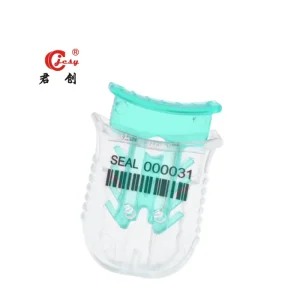
A dependable numbering system has three characteristics. The sequence is controlled, so duplicate numbers stay out of the same order or adjacent orders handled by the same warehouse. The marking is legible after transport, which is why laser marking is the default for plastic seals and bolt seals exposed to moisture, dust, and abrasion. The format matches the operation: human readable numbers for manual logs, barcodes for scanner based tracking, or both on the same seal. Decide the format before production starts. Changing it after the seals have shipped creates the record gap that breaks traceability.
I have seen buyers order sequentially numbered seals without specifying a prefix or range. When one shipment arrives with numbers that overlap the previous order, the receiving team can no longer tell which order a loose seal belongs to. A short prefix tied to the project or supplier removes that problem before it reaches the dock.
Which Seal Type Works Best at Each Transfer Point?
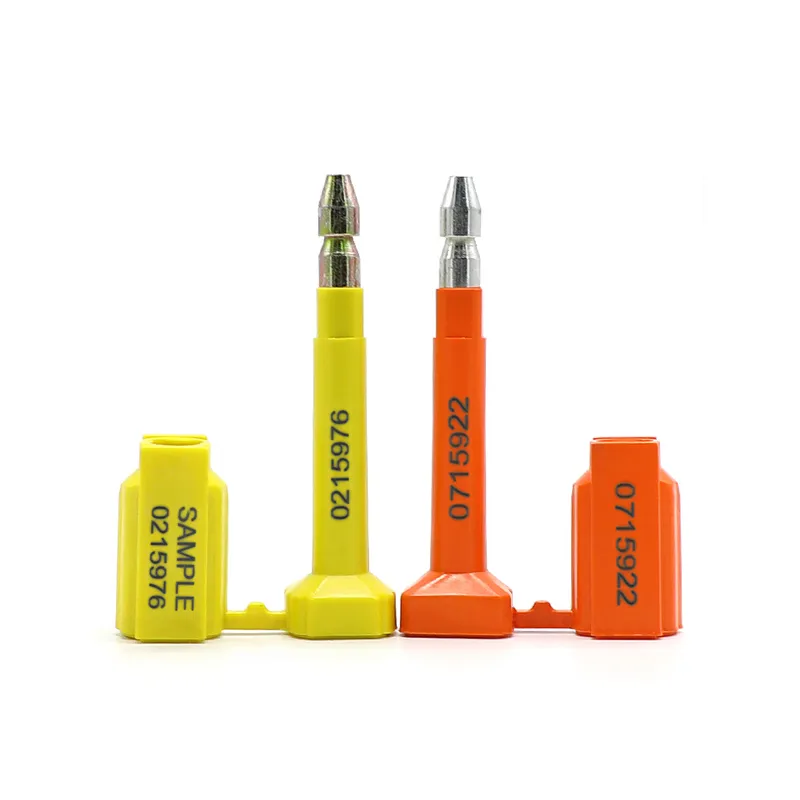
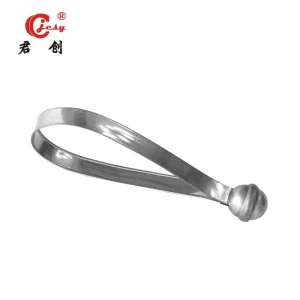
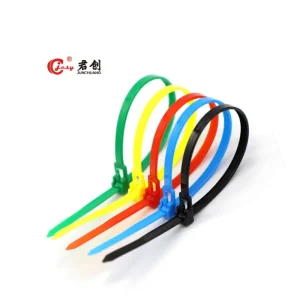
Seal type matters for traceability because the seal must survive the transfer environment long enough to be checked. A plastic seal works for light duty doors and warehouse boxes. A cable seal handles adjustable openings such as tanker hatches. A bolt seal suits container doors because it is removed with a cutter and the pin and barrel retain distinct marking. A metal strap seal is common for utility meters and small valve enclosures. Each type carries a different marking surface, so readability and inspection method change with the seal.
The table below shows how I match seal types to traceability tasks.
| Seal type | Best traceability use | Marking options | Inspection focus |
|---|---|---|---|
| Plastic security seal | Light duty truck and warehouse doors | Laser printed serial numbers, barcodes, color coding | Legible marking and fully engaged locking strip |
| Cable seal | Tanker, rail, and cargo hatch openings | Printed or laser marked numbers, custom logo | Cable pulled tight with no pry marks in the locking chamber |
| Bolt seal | Container doors and high security cross border movements | ISO 17712 rated, laser marked serial number, custom printing | Pin seated fully and number recorded before closing |
| Metal strap seal | Utility meters and small valve enclosures | Stamped or embossed numbers, barcode label | Strap free of kinks and cuts with number matching the record |
| Meter seal | Utility enclosures and tamper evidence audits | Sequential numbers, custom marking | Seal number compared with the service record at each inspection |
One caution: do not choose a stronger seal than the operation needs. Higher security seals cost more, but the real traceability benefit comes from the recording process, not from the tensile strength alone. A plastic seal checked and recorded at every door is more useful for audit than a bolt seal that is never compared with the paper record.
What Should a Handoff Inspection Actually Capture?
A traceability system only works if the inspection at each transfer point produces a record, not a glance. The record needs four fields: seal number, location, time, and the name of the person who checked it. If any field is missing, the audit trail cannot be reconstructed later.
Receiving checks
Open the shipment and compare the seal number on the cargo against the dispatch note before cutting the seal. Confirm the seal has not been rotated, matched with a different barrel, or marked over. If the number is missing, photograph the seal before removing it and flag the shipment.
Dispatch checks
After closing the cargo, record the seal number on the delivery document and, if the recipient requires it, on the consignment note. Do not rely on the driver’s memory. A photo of the closed seal taken at the dock can resolve disagreements later.
If your operation involves high value cargo or customs bonded loads, the handoff check should happen in the presence of two people. That simple step turns a visual check into a witnessed record.
If your program involves pre printed sequential numbers or barcode compatibility with a warehouse scanner, it is worth confirming the marking format and label durability before you finalize the bill of materials. Send your part number and quantity to [email protected] and we will check the marking options against your operation.
Where Does Seal Traceability Break Down in Real Shipments?
From factory side experience, the most common failure point is delayed recording. A warehouse worker removes a seal, sees no obvious damage, and throws it in a bin before writing the number. The seal is gone when the carrier disputes a claim a week later. The seal itself did not fail; the process did.
A second failure point is duplicate or reused numbers. Some buyers request the same number range across repeat orders to simplify stock coding. The moment two active shipments carry the same seal number, the receiving record becomes ambiguous. One shipment can be substituted for another on paper even if the physical cargo is intact.
A third issue is mismatched marking. A barcode that scans in a clean office may not scan after repeated rubbing against a tarpaulin or exposure to rain. If the marking disappears, the seal still locks, but its traceability value is gone. The fix is to specify marking depth and test printed tags before the full order runs.
These failures are not solved by buying a more expensive seal. They are solved by reducing delays between the physical check and the written record, keeping number ranges unique, and confirming marking durability in the actual transport environment.
How Do You Put Seal Traceability Into a Sourcing Plan?
Building traceability into a sourcing plan starts with a clear number format and a simple handoff rule. The seal itself is the easiest part of the decision. The harder part is making the process cheap enough to repeat on every shipment, including the small ones.
For buyers, I recommend writing the number format and inspection rule into the purchase specification before comparing suppliers. Specify the prefix, number length, marking method, and whether barcodes are required. At Junchuang Lock, we produce laser marked sequential seals with custom prefixes and match the marking to the buyer’s scanning equipment. When we receive a clear part number and quantity, we confirm the marking layout and delivery window before production.
If you are preparing a seal specification for a new route or a new audit requirement, send your part number and quantity to [email protected] or call us on +86 13853189290 (WhatsApp available at the same number). We will confirm the seal type, numbering format, and sample lead time against your transfer points.
What Do Buyers Ask About Security Seals and Supply Chain Traceability?
Do I need a unique seal number for every shipment?
Yes. A unique number is the field that connects the physical seal to the record. If two shipments carry the same number, the receiving record can be challenged or matched to the wrong cargo. Use a controlled sequence with a short project prefix. The prefix makes it easier for the warehouse to separate orders without opening a database. For most buyers, a sequential range from the factory is enough. The key rule is to never reuse a number inside the same active shipping window.
Can a barcode replace a written seal log?
It depends on how the warehouse actually works. If workers scan every handoff and the scanner reads the barcode reliably, a barcode can replace the handwritten log. If the route exposes seals to weather, dirt, or repeated rubbing, printed barcode labels may fail before the cargo reaches the final stop. In that case, keep a human readable number as the primary record and use the barcode where it adds speed. The safest setup is a seal marked with both, so the choice is not forced at the dock.
What if the seal is missing when the shipment arrives?
A missing seal does not always mean theft, but it always means the shipment record cannot be closed without an exception process. The receiving team should photograph the latch point, keep the delivery note with the seal record, and write down the time and person who found the condition. Do not accept the goods as clean if the seal is missing and the dispatch note says sealed. The correct response is to hold the shipment, notify the carrier, and inspect the cargo with the sender’s instructions. Documentation, not panic, preserves the audit trail.
How do I choose between a bolt seal and a cable seal for traceability?
In shipments we produce for container routes, a bolt seal is the stronger choice when the seal must survive the full door to door movement and be cut at customs. A cable seal works better on adjustable openings like tanker hatches or valve handles where the bolt seal cannot close. The traceability part is the same: the number must be recorded at every transfer, or the seal choice does not matter. Share your route details and seal quantity with [email protected] and we will confirm the locking format and marking layout for your transfer points.
If you’re interested, check out these related articles:
Security Seals: Types, Applications, and Tamper Prevention – Junchuang Lock
Bolt Seal vs Cable Seal: Strategic Security Differences – Junchuang Lock
How to Choose High Security Bolt Seals: Key Criteria for Supply Chain Safety – Junchuang Lock