
Security seals do one thing well: they make tampering visible. Whether you’re moving containers across oceans or locking down a utility meter, the principle stays the same. A seal that’s been cut, stretched, or broken tells you someone got in who shouldn’t have. That simple function underpins a surprising amount of modern commerce, from pharmaceutical cold chains to cross-border freight. The mechanics vary by material and design, but the core job never changes.
How Different Security Seal Types Serve Different Risks
Security seals break down into distinct categories based on what they’re made of and what they’re built to withstand. Plastic seals handle everyday applications where visual evidence of tampering matters more than brute-force resistance. Cable seals and bolt seals step in when physical strength becomes non-negotiable. Meter seals address the specific geometry of utility equipment. Lead seals, though older technology, still appear in customs and traditional sealing contexts.
| Seal Type | Primary Material | Security Level | Common Applications |
|---|---|---|---|
| Plastic Seals | Polypropylene, Nylon | Low to Medium | Retail, Airlines, Postal Services |
| Cable Seals | Steel Cable, Aluminum Body | High | Shipping Containers, Truck Trailers |
| Bolt Seals | Steel Bolt, ABS Plastic Body | High | Intermodal Containers, Rail Cars |
| Meter Seals | Polycarbonate, Wire | Medium | Utility Meters (Electricity, Gas, Water) |
| Lead Seals | Lead, Steel Wire | Low | Traditional Sealing, Customs |
Plastic Seals Work Best When Flexibility Matters
Plastic seals show up everywhere because they’re cheap, easy to apply, and leave obvious evidence when someone breaks them. The polypropylene or nylon construction won’t stop a determined intruder, but that’s not the point. These seals exist to prove that a container, bag, or access point remained closed during transit or storage. Color coding, sequential numbering, and logo printing turn a simple security device into a tracking tool. Plastic Seal Security Lock
Bolt and Cable Seals Handle the Heavy Lifting
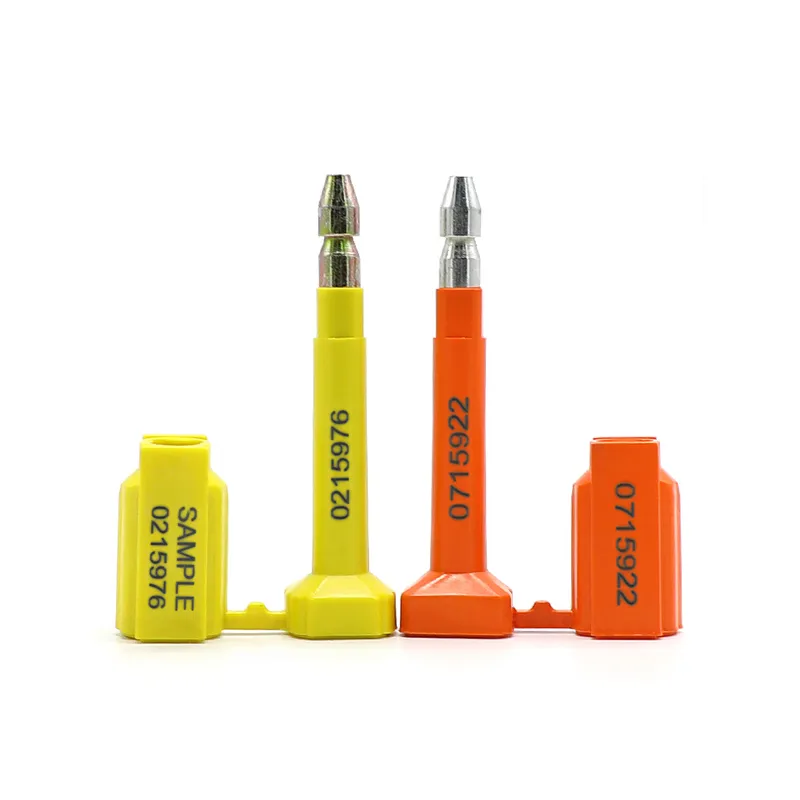
International shipping and high-value cargo demand more than visual deterrence. Bolt seals and cable seals provide actual physical resistance. The steel construction means you need bolt cutters to remove them, and any cutting leaves unmistakable evidence. ISO 17712 certification matters here because customs authorities and security programs like C-TPAT require documented proof that seals meet specific strength and tamper-evidence thresholds.
!Example of a High-Security Bolt Seal
 ## Real Applications Where Security Seals Prevent Losses
The theory behind security seals is straightforward. The practice gets more interesting when you look at specific industries and the problems they’re actually solving. Theft prevention is obvious, but compliance documentation, liability protection, and fraud deterrence often drive purchasing decisions just as much.
Supply Chain Protection Runs From Factory to Final Mile
A security seal applied at the point of origin creates a chain of custody that follows goods through every handoff. Warehouses, trucks, ports, and distribution centers all become checkpoints where seal integrity can be verified. When something goes missing, intact seals narrow down where the breach occurred. Broken seals trigger immediate investigation. This visibility reduces shrinkage and makes insurance claims more defensible.
Utility Meters Need Seals That Fit Tight Spaces
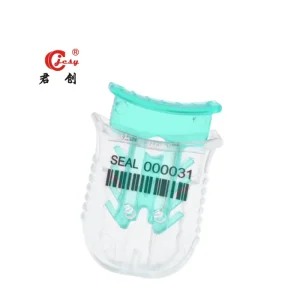
Meter seals solve a geometry problem. Electricity, gas, and water meters have specific access points that need protection without interfering with legitimate reading or maintenance. The polycarbonate and wire construction allows for compact designs that still show clear evidence of tampering. Revenue protection is the primary driver here. Meter fraud costs utilities significant money annually, and tamper-evident seals create both deterrence and documentation.
!Meter Seal in use
 ## Technology Features That Make Modern Seals More Useful
Basic security seals just break when tampered with. Advanced versions add layers of identification and tracking that integrate with broader logistics systems. Serial numbers create unique identifiers. Barcodes enable automated scanning. RFID chips allow verification without physical contact. These features transform a simple security device into a data point in supply chain management software.
Custom Printing Turns Seals Into Tracking Tools
A serial number printed on a security seal creates a record that can be logged at every checkpoint. Barcodes speed up that logging process and reduce human error. Company logos add a layer of brand protection and make counterfeiting more difficult. The customization options available today mean that security seals can be tailored to specific operational workflows rather than forcing workflows to adapt to generic products.
Matching Seal Selection to Actual Security Requirements
Picking the right security seal means understanding what you’re actually protecting against. A retail stockroom doesn’t need ISO 17712 bolt seals. An international shipping container probably does. The cost difference between seal types is significant, and over-specifying wastes money while under-specifying creates liability exposure.
ISO 17712 Compliance Matters for International Shipping
ISO 17712 establishes three categories of mechanical seals based on their resistance to physical attack: indicative, security, and high-security. The high-security classification requires documented testing for tensile strength, shear resistance, and impact resistance. Customs authorities in most countries recognize this standard, and programs like C-TPAT in the United States explicitly require ISO 17712 compliant seals for container shipments. Using non-compliant seals on international cargo can trigger inspections, delays, and penalties.
Plastic Seals and Bolt Seals Serve Different Threat Models
The choice between plastic seals and high-security bolt seals comes down to what kind of attack you’re defending against. Plastic seals stop casual tampering and provide clear visual evidence of any breach. They work well for internal logistics, inventory control, and applications where the goal is detection rather than prevention. Bolt seals physically resist forced entry and require specialized tools to remove. They’re mandatory for international containers and make sense anywhere that high-value goods face real theft risk.
| Feature | Plastic Seals | High-Security Bolt Seals |
|---|---|---|
| Security Level | Low to Medium | High |
| Material | Polypropylene, Nylon | Steel bolt, ABS plastic body |
| Tamper Evidence | Visual breakage, color change | Physical deformation, cutting required |
| Application | Retail, internal logistics, postal | Shipping containers, rail cars, high-value cargo |
| Compliance | General industry standards | ISO 17712, C-TPAT |
| Removal | Hand or simple tools | Bolt cutters required |
Partner with Shandong Junchuang for Superior Security Solutions
Elevate your security protocols with industry-leading solutions from Shandong Province Qingyun County Junchuang Lock Industrial Co., Ltd. As a professional manufacturer specializing in design, development, and production of various lead, plastic, cable, meter, metal strap, and high-security bolt seals, we offer unparalleled expertise and quality. Contact us today at +86 13853189290 or [email protected] for a consultation on tailored security sealing strategies that protect your assets and ensure compliance.
Frequently Asked Questions About Security Seals
What are the primary benefits of using high-security bolt seals for shipping containers?
High-security bolt seals provide physical resistance that casual tampering can’t overcome. The ISO 17712 certification means they’ve passed documented strength tests, which customs authorities require for international shipments. Beyond compliance, these seals create clear evidence of any breach attempt, making it easier to identify where in the supply chain a problem occurred and supporting insurance claims when losses happen.
How can plastic seals be customized to enhance brand security and traceability?
Plastic Seals accept serial numbers, barcodes, company logos, and specific color schemes during manufacturing. Serial numbers create unique identifiers that can be logged at each checkpoint in your supply chain. Barcodes enable automated scanning that reduces manual data entry errors. Logo printing makes counterfeiting more difficult and helps identify unauthorized product diversion when seals show up where they shouldn’t.
Why is ISO 17712 compliance essential when selecting security seals for international cargo?
ISO 17712 compliance isn’t optional for most international shipping. Customs authorities in major trading nations require documented proof that container seals meet specific strength and tamper-evidence standards. Programs like C-TPAT explicitly mandate ISO 17712 high-security seals. Using non-compliant seals can trigger container inspections, port delays, and potential penalties that cost far more than the price difference between compliant and non-compliant products.