
A border inspection is where a security seal stops being a packaging detail and becomes the evidence trail for the load. Security seals in border cargo inspection do two jobs at once. They show whether the compartment has been opened, and they give inspectors a number to match against the manifest. From our production work, the most avoidable delays happen before the truck reaches the checkpoint because the seal was chosen by habit or unit price instead of the inspection it would face. The practical selection factors are fewer than most buyers expect. The useful question is not which seal is strongest on paper. It is which seal records a control handover accurately enough to hold up under border scrutiny.
What Does Border Cargo Inspection Actually Check for on a Security Seal?
At the checkpoint, the officer is not reading the catalog. The first check is the seal number against the manifest or shipping document. If the number is missing, smeared, or different from the paperwork, the load can be set aside for a physical check even when the seal itself is intact. The second check is the condition of the locking mechanism. Any cut, stretched section, glue line, or reinserted tail changes the result. The third check is the type of security seal. A lightweight plastic seal on an international container door is treated differently from a metal strap seal on a rail car. One insight from our supply experience is that inspection speed depends on how easy the seal is to read in poor light. Moulded numbers with high contrast do better than laser marks that fade after weeks of sun exposure.
The issue most buyers overlook is that the seal has to prove continuous custody, not just current closure. A high security bolt seal records the moment it was locked, but the audit trail depends on someone writing the number down. We tell customers to record the seal number at three points: factory loading, transshipment, and final handover. Without that chain, an intact security seal tells the inspector less.
Which Seal Types Work Best at Cross-Border Checkpoints?
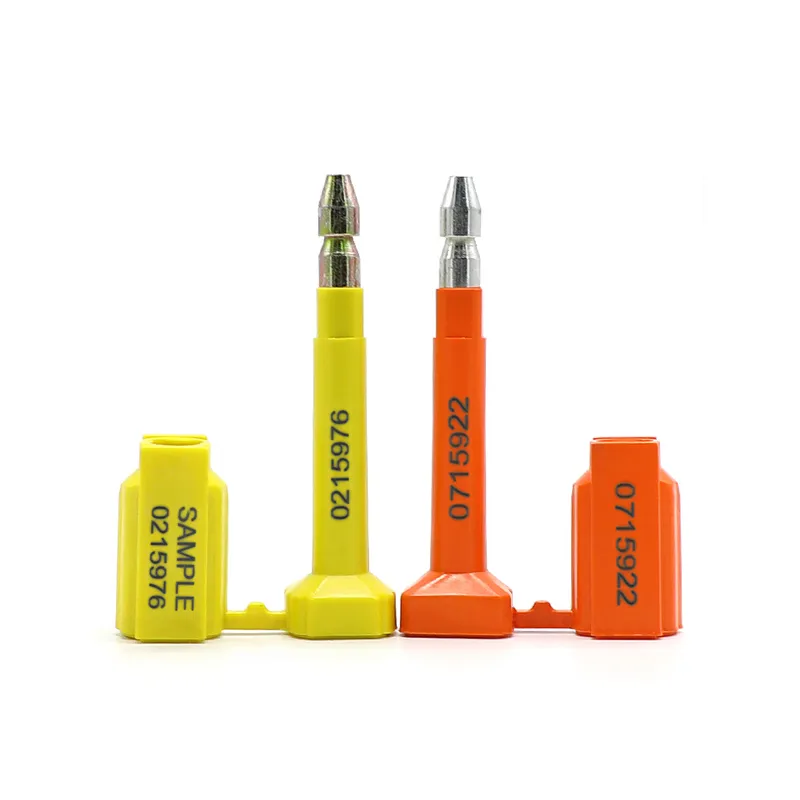
Border programs rarely accept one type of security seal for all cargo. The choice follows the vehicle, the inspection method, and whether removal must leave visible damage.
| Seal type | Common cross-border use | Adjustment | Tamper evidence | Handling at inspection |
|---|---|---|---|---|
| Bolt seal | Shipping containers, semi trailers | Fixed length, one time | Locking barrel fractures, bolt separates | Cut with cable cutter, number recorded from both halves |
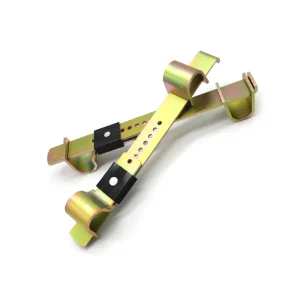
| Cable seal | Trailers, tankers, rail cars | Adjustable length | Cable frays, locking body damages | Cut with cable cutters, flexible routing through small hasps |
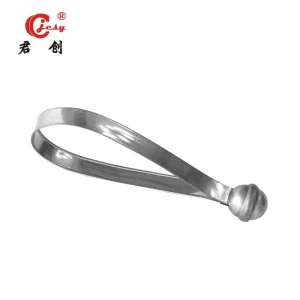
| Metal strap seal | Rail and trailer doors | Fixed, formed loop | Strap kink, tear, or twist marks | Cut with tin snips or pliers, low profile on latches |
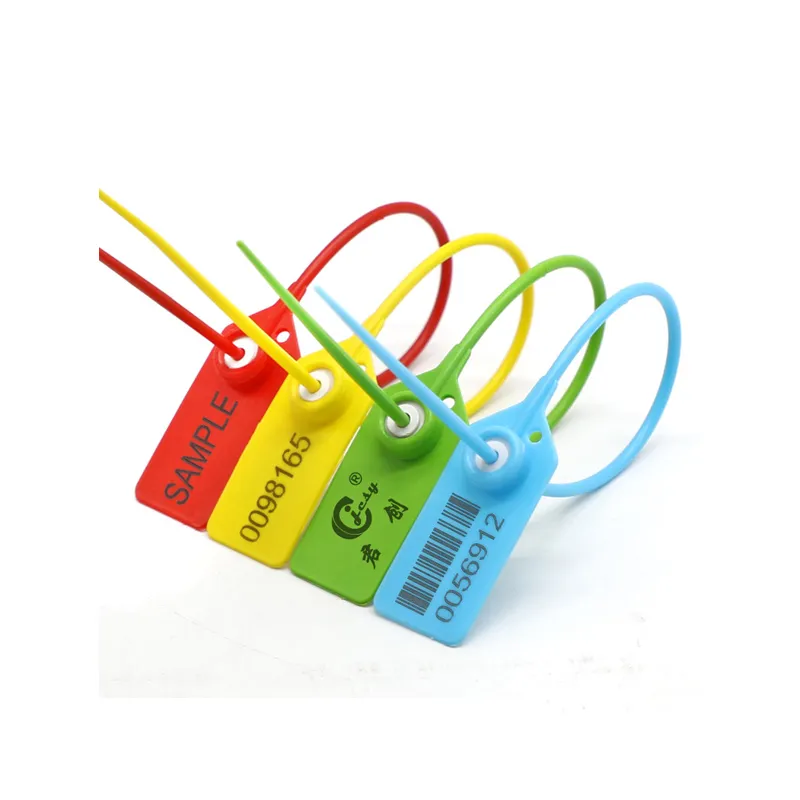
| Plastic pull tight seal | Inland distribution, light security uses | Adjustable, low strength | Tail breaks or locking chamber strips | Pulled off by hand or side cutter |
| Barrier seal | High security container and trailer | Fixed length | Body deforms, cannot recouple | Needs bolt cutter or grinder, visible from distance |
At border control, fixed length security seals are easier to verify because the number appears on both the body and the locking chamber. Adjustable seals create more paperwork if the tail length is not recorded, since the inspector has to compare the visible section against the documentation. We have found that a clear photo of the seal in place, taken at loading, saves more time at the border than a long internal checklist.
How Does Numbering and Documentation Affect Border Cargo Inspection?
Numbering is the part of the seal that does the control work. A border officer matches the seal number to the manifest, then to the security seal on the container. If the font is too small or the surface is too glossy, reading the number takes longer. We recommend moulded or laser marked numbers at least 4 mm high for container security seals. For barcode use, the symbol must stay readable after abrasion, oil, and UV exposure. A number that cannot be read is worse than no number because it forces the inspector to rely on photos and statements. Some buyers choose color coding to separate routes or inspectors, but color cannot replace the number. The record should show who applied the security seal, when, and at which point of transfer. Three handover points are enough for most cross border movements.
If the cargo crosses multiple jurisdictions, confirm whether the receiving authority requires high security seals under the WCO SAFE Framework before you finalize the purchase order. Send the current seal photo or drawing to [email protected] and our team will match it to the right certification file.
What Does ISO 17712 Mean at a Border Cargo Inspection?
ISO 17712:2013 sets mechanical requirements for high security seals. It is not a customs certificate for a shipment. It certifies that a security seal model has passed strength and tamper evidence tests in a laboratory. Border authorities often accept a high security bolt seal or cable seal that meets this standard, but the inspector still checks the physical condition and the number. The standard covers three categories: indicative, security, and high security. For cross border cargo, high security is the category that matters. In our manufacturing process, high security seals are tested not only for breaking strength but also for the way the locking chamber deforms. A seal that meets a high pull force but can be reinserted cleanly after removal is not high security. The failure mode is part of the specification.
The standard does not show an inspector whether the right security seal was used. A certified bolt seal still requires the number to be recorded. Certification reduces doubt about the seal model, not about the handling. Buyers should keep the certificate file, the test report, and the factory identification available for spot checks. If the border authority asks for the certificate, having the model number printed on the seal speeds up the check.
Where Do Security Seals Fail During Border Cargo Inspections?
Most failures are not mechanical. They are documentation or application failures. The first common problem is a reinserted plastic tail after an unauthorized opening. The second is a security seal applied to the wrong hasp, leaving enough slack to open the door a few centimeters. The third is a number written down with a transposed digit. In production reviews, we have seen a batch of plastic seals with laser marking that dissolved after contact with the cleaning fluid used at a warehouse. The seal looked fine in good light, but the number was gone. The consignment had to be resealed and photographed again before inspection. That single mismatch added hours to a crossing that should have taken minutes. The fix is to specify a marking method that survives the actual route, not just the sample room.
Another avoidable failure is mixing seal types across one shipment. When a container uses a bolt seal and a trailer uses a cable seal, the paperwork must state both. Inspectors notice mismatched seal types more often than buyers expect. We recommend running a short internal test: photograph the security seal at loading, wipe it with the solvent used in transport, and read the number at arm’s length. If any of those steps fails, the seal is not ready for a border program.
A recurring delay at border programs comes from security seals that meet the price target but not the document standard. The seal becomes the weakest point in an otherwise careful shipment. If your route involves customs inspection, send the part number, quantity, and the border authority’s seal requirement to [email protected]. Include a photo of the current security seal if you have one. We will confirm the matching ISO 17712 certificate and production lead time. Mobile: +86 13853189290.
What Questions Do Buyers Ask About Security Seals for Border Cargo?
Which seal type do customs authorities accept most often?
Customs authorities do not accept one universal security seal, but a high security bolt seal with a recorded number is the most common baseline for containerized cargo. The acceptance comes from the one time locking action and the visible damage left when it is cut. Cable seals are accepted where the vehicle geometry needs a flexible tail, such as tankers and rail cars. Plastic pull tight seals usually fit only lower security inland moves. The officer still checks the number and the lock body, so the type alone is not enough. The document record matters as much as the security seal.
Can the same seal be reused after a border inspection?
A widely repeated assumption is that reusing a seal saves money without reducing control. That works only in closed loop applications where the same team locks and opens the asset each time. In cross border cargo, a reused seal hides the moment of tampering because it does not show a single definitive locking event. Once a bolt seal or metal strap seal has been cut, it cannot be reapplied without visible repair. A new security seal with a new number makes the custody chain easier to prove. The small unit cost is minor compared with the delay of an unexplained repair mark at the checkpoint.
What happens if the seal number is unreadable at the border?
It depends on the authority and the surrounding evidence. If the seal looks intact and the paperwork has a clear number that can be linked to the load, the inspector may accept a photograph and a correction note. If the seal also shows damage or the number cannot be traced to the manifest, the load usually gets a secondary physical check. That may mean opening the trailer and counting cartons. The cost of an unreadable number is therefore not the printing price. It is the time and labor of a manual inspection. Buyers should specify number height, contrast, and marking depth for the real route conditions.
Do I need an ISO 17712 seal for every cross-border shipment?
In the programs we handle, the answer follows the border authority and the shipping line, not the shipper’s preference. High security seals are common for international container moves under customs trade partnership requirements. For domestic or low value movements, a security or indicative seal may be enough. The practical step is to ask the receiving agent or customs broker for the seal requirement in writing before the load leaves. Email that requirement to [email protected] and we will confirm which ISO 17712 certificate file matches before you order.
If you’re interested, check out these related articles:
Tamper Evident Seals: Safeguarding Assets and Supply Chain Integrity – Junchuang Lock
Cable Seal Manufacturer Selection: Strategic Vetting for Security – Junchuang Lock
Why Security Seals Ensure Unbroken Logistics Integrity – Junchuang Lock
Adjustable Cable Seal Selection: Securing Global Logistics – Junchuang Lock