
Picking the right cable seal manufacturer matters more than most people realize. These aren’t just components you bolt onto a container and forget about—they’re your first line of defense against tampering and the thing auditors look at when compliance questions come up. Getting this decision wrong means security gaps, regulatory headaches, and replacement costs that add up fast. Here’s what actually matters when you’re evaluating manufacturers.
What Makes a Manufacturer Worth Your Trust
Evaluating a cable seal manufacturer’s credibility comes down to three things: how closely they follow industry standards, what their quality control actually looks like in practice, and what their track record tells you. Procurement teams who skip this step end up dealing with seals that fail in the field or don’t hold up during audits. Shandong Junchuang Lock Industrial Co., Ltd. has built its reputation on rigorous adherence to international standards, which shows in their product consistency.
Certifications That Actually Matter for High Security Seals
Not all certifications carry equal weight. ISO 17712 compliance is non-negotiable for high security seals because it sets the bar for strength testing and tamper evidence requirements. If a manufacturer can’t show you this certification, walk away. C-TPAT certification adds another layer of confidence—it signals the manufacturer takes supply chain security seriously beyond just making a decent product. Request documentation for both before signing any purchase orders.
| Certification | Description | Implications for Buyers |
|---|---|---|
| ISO 17712 | International standard for mechanical freight container seals | Validates strength ratings and tamper-evident performance claims |
| C-TPAT | Customs-Trade Partnership Against Terrorism program compliance | Demonstrates commitment to supply chain security protocols |
The verification process shouldn’t stop at asking for certificates. Cross-reference certification numbers with issuing bodies when possible. Manufacturers who hesitate to provide this information or can’t produce current documentation are telling you something about how they operate.
Production Processes and Quality Assurance That Hold Up
What happens on the factory floor determines whether your seals perform as advertised. Material sourcing matters—where does the steel come from, and what grade is it? Manufacturing techniques affect consistency across batches. Testing procedures should include multiple inspection points, starting with raw material intake and continuing through finished product verification.
Ask manufacturers to walk you through their quality assurance program. The good ones will show you inspection protocols, testing equipment, and rejection rate data without hesitation. Transparency here correlates strongly with product reliability. Manufacturers should be able to tell you exactly what specifications their materials meet and how they verify compliance.
Technical Specifications That Determine Real World Performance
Specifications on paper need to translate to performance under actual operating conditions. Cable seal strength, tamper-evident features, material durability, and weather resistance all affect whether a seal does its job or becomes a liability. Skipping this evaluation creates security vulnerabilities that may not surface until something goes wrong.
Quality and Durability Assessment
High-grade materials make the difference between seals that last and seals that fail prematurely. Galvanized steel cables resist cutting and corrosion better than cheaper alternatives. ABS plastic bodies handle impacts and chemical exposure without degrading. Breaking strength, measured in kilonewtons, tells you how much force someone would need to compromise the seal—higher numbers mean better security.
Tamper-evident features deserve close attention. Unique serial numbers enable tracking and accountability. Irreversible locking mechanisms mean any interference attempt leaves visible evidence. These features should be standard, not optional upgrades.
| Material Type | Key Characteristics | Typical Applications | Advantages | Disadvantages |
|---|---|---|---|---|
| Galvanized Steel | High tensile strength, corrosion resistant | Shipping containers, rail cars | Strong, durable | Can be cut with specialized tools |
| ABS Plastic | Impact resistant, chemical resistant | Utility meters, airline cargo | Lightweight, cost-effective | Lower breaking strength than steel |
| Aluminum | Lightweight, corrosion resistant | Chemical drums, sensitive cargo | Good for weight-sensitive applications | Moderate strength |
Customization Options That Fit Your Operations
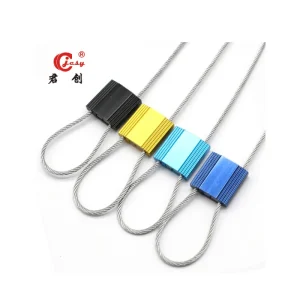
Standard cable seals work for standard applications. But many operations have specific requirements that off-the-shelf products can’t address. A manufacturer’s ability to offer customizable cable seals becomes a real advantage when you need varying cable lengths, specific color coding for different routes or departments, or unique numbering sequences for traceability.
The best manufacturers have design teams that can develop bespoke solutions without requiring massive minimum orders. Color coding might seem minor until you’re managing seals across multiple facilities or tracking shipments through complex logistics networks. Custom branding and sequential numbering create audit trails that generic seals simply can’t provide.
Logistics and Support That Keep Operations Moving
Product quality means little if delivery timelines slip or support disappears after the sale. Evaluate manufacturers on their distribution networks, typical lead times, and how they handle inventory management. Global operations need suppliers who can deliver consistently across regions without extended delays.
Customer support responsiveness matters when problems arise. Ask about after-sales service protocols and typical response times for technical questions or quality concerns. A manufacturer with strong logistics infrastructure minimizes supply chain disruptions and keeps your operations running smoothly.
For related security applications, our article on 《Meter Lead Seals: Essential Security for Utility and Measurement Devices》 covers specialized sealing solutions worth considering.
Cost Analysis Beyond the Purchase Price
The cheapest cable seals rarely deliver the best value. Total cost of ownership includes replacement rates driven by durability, security incident costs when inferior seals fail, and the administrative burden of managing unreliable products. High-quality seals from reputable manufacturers cost more upfront but reduce long-term expenses through lower replacement frequency and fewer security breaches.
Calculate what a single tampering incident would cost your operation—lost inventory, investigation time, regulatory penalties, customer trust damage. That number puts the price difference between adequate and excellent seals into perspective. Investing in superior cable seals pays returns through enhanced security and reduced losses over time.
Partner with Shandong Junchuang Lock Industry for Reliable Cable Seal Security
Shandong Junchuang Lock Industrial Co., Ltd. operates as a professional manufacturer focused on high-security cable seal solutions. Our integrated approach covers design, development, testing, production, and sales—all under one roof. This structure allows us to maintain quality standards throughout the entire process and respond quickly to custom requirements.
Contact us to discuss your specific security needs.
Email: [email protected]
Mobile/Whatsapp: +86 13853189290
Frequently Asked Questions About Cable Seal Manufacturers
What certifications should a cable seal manufacturer possess?
Look for ISO 17712 High Security Seal certification first—this validates that products meet international standards for strength and tamper evidence. C-TPAT compliance adds confidence that the manufacturer follows supply chain security best practices. Shandong Junchuang Lock Industry maintains both certifications. Always request current documentation and verify credentials independently before committing to a supplier relationship.
How do I assess the quality and durability of cable seals?
Start with material specifications and production process documentation. Cable Seals made from high-grade steel with durable plastic components outperform cheaper alternatives consistently. Ask for breaking strength data and environmental resistance test results. Shandong Junchuang Lock Industry provides comprehensive performance metrics for all products and maintains rigorous quality control throughout manufacturing.
What are the key considerations for custom cable seal designs?
Evaluate the manufacturer’s flexibility on lengths, diameters, colors, and numbering options. Ask about minimum order quantities for customization—some manufacturers require large volumes that don’t fit smaller operations. Design team expertise matters for developing tamper-evident solutions that address specific security requirements. Shandong Junchuang Lock Industry specializes in customizable cable seals and works with clients to develop solutions that match their operational needs.