
A metal strap seal is a one-time-use, adjustable tamper-evident device used to secure valves, drums, tote boxes, and cargo doors. While its design appears simple, the reliability of the seal depends heavily on the quality of materials and precision of the locking mechanism. In over fifteen years of seal production, I have seen how small manufacturing shortcuts lead to seals that can be opened without leaving visible evidence. Choosing a seal that is produced under strict quality control is the difference between effective tamper detection and a false sense of security.
What a Metal Strap Seal Is and How It Functions
A metal strap seal consists of a flexible steel band and a locking housing. The band threads through the item to be sealed and inserts into the housing, where an internal locking mechanism grips the strap permanently. Once tightened, the seal cannot be opened without cutting the band or destroying the housing, making any unauthorized entry immediately visible.
The strap can be pulled to size before locking, allowing the same seal to fit different closure dimensions. Each seal carries a unique serial number and often a company logo or barcode, which creates a verifiable link between the seal and shipping documentation. This numbering supports inventory tracking and tamper detection during cargo transfers.
How Metal Strap Seals Are Used in Logistics and Industry
Metal strap seals serve applications where a flexible, tamper-evident closure is needed but extreme bolt-cutter resistance is not the primary requirement. Common uses include securing valve handwheels on tank trucks, sealing drum lids, locking tote box latches, and closing cargo compartment handles on delivery vehicles.
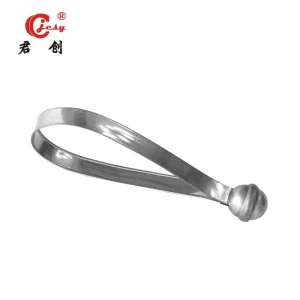
The adjustable length is a practical advantage when sealing irregularly shaped closures. Unlike a fixed-length bolt seal, the metal strap can tighten around small valve stems or large drum rims without requiring a precise pre-measured fit. This reduces seal inventory variety for fleet operators managing multiple equipment types.
Metal Strap Seal vs Other Common Security Seals
Understanding where a metal strap seal fits relative to other seal types helps avoid misapplication. The table below compares key differences.
| Seal Type | Security Level | Adjustability | Typical Application |
|---|---|---|---|
| Metal Strap Seal | Low to Medium | Adjustable | Valves, drums, tote boxes, delivery vehicle doors |
| Bolt Seal | High | Fixed length | Shipping containers, trailer doors |
| Cable Seal | Medium to High | Adjustable | Tanker hatches, rail cars, high-value cargo |
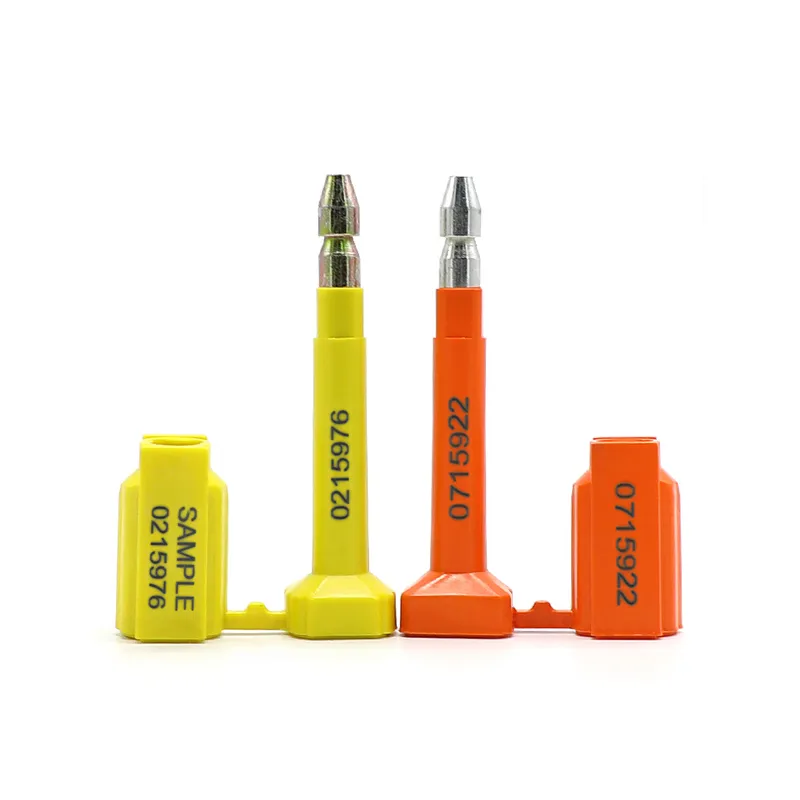
A metal strap seal is not a replacement for an ISO 17712 high-security bolt seal. For international container shipping, bolt seals remain the standard. However, for secondary access points on the same container or for domestic distribution where the primary threat is pilferage rather than organized theft, a metal strap seal provides sufficient tamper evidence at a lower unit cost.
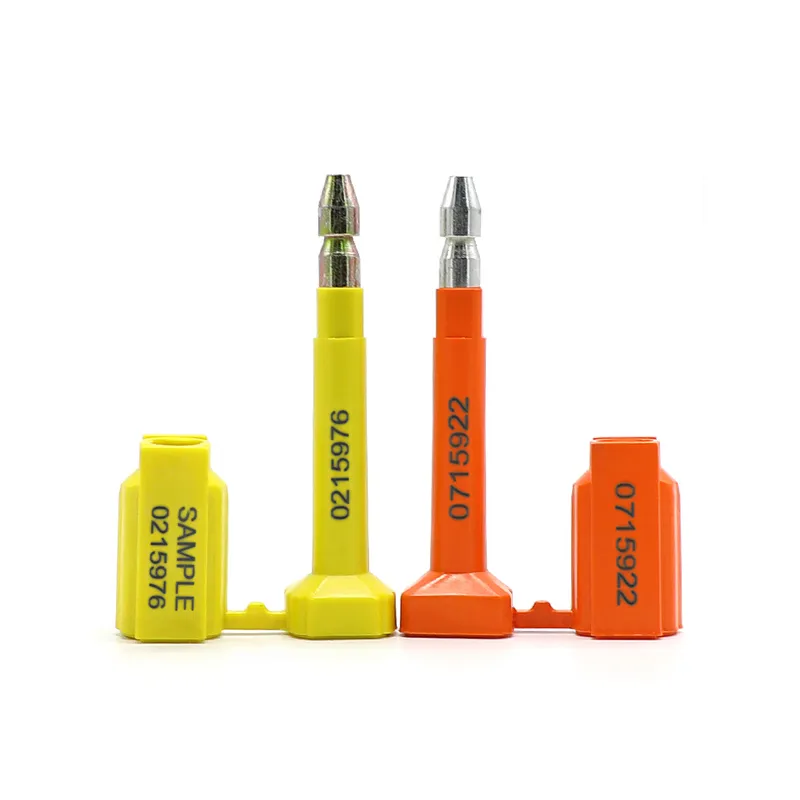
If your operation spans multiple seal types, verifying the correct specification for each access point prevents gaps in your security chain. Reaching out to a manufacturer who produces all three types can simplify procurement and quality consistency. Contact [email protected] to discuss your application.
Manufacturing Quality That Determines Seal Reliability
The visible difference between a reliable metal strap seal and a weak one is not obvious from a product photo. The reliability is built into the material and the locking chamber.
The steel band should be fully galvanized or manufactured from stainless steel to prevent rust during outdoor storage and transit. I have inspected returned seals where surface corrosion had compromised the strap, allowing it to be broken by hand rather than requiring a tool. That kind of failure is entirely preventable with proper base material selection.
Inside the locking housing, a spring-steel gripping mechanism must bite into the strap surface with enough force that any attempt to slide the strap backward tears the metal or permanently deforms the housing. If the internal tooth geometry is imprecise, usually due to worn stamping dies or low-grade steel, the strap can be worked loose without leaving visible marks. In our production, we replace stamping tools on a fixed cycle and verify gripping force on sample seals from every batch.
Serial number printing also matters. Hot-stamped or laser-etched numbers that fade or rub off during handling make seal verification impossible. A durable marking that survives weather and abrasion ensures the seal number recorded at origin matches what the receiver inspects. When a seal number is unreadable, the entire tamper-detection process breaks down.
Selecting a Metal Strap Seal Manufacturer
A dependable metal strap seal starts with the manufacturer’s control over the production process. Facilities that perform stamping, heat treatment, assembly, and marking in-house can catch quality deviations before they leave the factory floor. When production is outsourced across multiple workshops, traceability and consistency become harder to guarantee.
Ask potential suppliers about their raw material sources. Galvanized steel strip should come from certified mills with consistent thickness and coating uniformity. The locking housing stamping dies should be maintained on a documented schedule. A manufacturer who cannot explain their material supply chain and tooling maintenance is likely cutting corners.
Customization capability is another selection criterion. If you need barcodes, sequential numbering ranges, or specific logo placement, confirm the supplier’s printing technology can produce permanent marks on metal surfaces. Request a production sample with your actual artwork before committing to a bulk order. This step alone screens out many under-equipped workshops.
Lead time stability matters as much as unit price. A low price is meaningless if delivery delays leave your cargo sitting unsealed. I recommend asking for a lead time commitment in writing and checking whether the factory maintains buffer stock of common seal sizes.
Reliable Metal Strap Seal Supply for Your Operation
Effective cargo security does not come from the seal alone. It comes from a seal manufactured to consistent standards, matched to the correct application, and supported by a supplier who understands the logistics chain. A weak seal on a valve or an unreadable serial number on a drum closure creates the same exposure as having no seal at all.
Our factory produces metal strap seals with in-house stamping, galvanizing, and marking processes. We supply customized seals with hot-stamped or laser-engraved serial numbers, barcodes, and logos to meet traceability requirements. Whether you need standard sizes or specific dimensions for unique closures, we can manufacture to your specification.
Send your part number, required strap dimensions, and order quantity to [email protected] or call +86 13853189290. We will provide a quotation and, on request, a pre-production sample for your evaluation.
Common Questions About Metal Strap Seals
Can metal strap seals be used on shipping containers?
For container door hasps, no. International shipping regulations and carrier requirements mandate high-security bolt seals meeting ISO 17712. Metal strap seals do not provide the bolt-cutter resistance required for container doors. However, they are suitable for sealing container vent covers, valve access points on tank containers, and auxiliary hatches where a lightweight, adjustable seal is needed.
How do you remove a metal strap seal?
The seal is designed for destructive removal with wire cutters or bolt cutters. The strap cannot be unlocked and reused. This one-time-use characteristic is intentional: any attempt to remove the seal without cutting leaves visible deformation marks on the strap or housing, which serve as evidence of tampering during inspection.
What material are metal strap seals made from?
The strap is typically galvanized steel or stainless steel, selected for outdoor corrosion resistance. The locking housing is often zinc-plated steel or stainless steel. For applications exposed to salt water or chemicals, stainless steel construction is recommended to prevent rust-related weakening that could make the seal easier to defeat.
Are serial numbers mandatory?
Serial numbers are not mandatory but are strongly recommended for any operation that requires traceability. A unique, sequentially numbered seal allows the receiver to verify the seal against shipping documents. Without a readable number, there is no way to confirm that the seal on arrival is the same one applied at origin. Most professional logistics operations require numbered seals for this reason. If your documentation workflow depends on seal numbers, confirm the manufacturer’s printing durability before ordering. Send your numbering format and quantity to [email protected], and we will advise on the best marking method for your operating environment.
If you’re interested, check out these related articles:
Security Seals: Types, Applications, and Tamper Prevention – Junchuang Lock
OEM and ODM Security Seal Manufacturing Explained for Industry Leaders – Junchuang Lock
Optimizing Bolt Seal Storage: A Guide to Secure Handling – Junchuang Lock
Stainless Steel Cable Tie Guide: Selection for Industrial Security – Junchuang Lock