
Stainless steel cable ties solve a problem that plastic fasteners simply cannot handle. When temperatures swing wildly, chemicals attack surfaces, or salt air corrodes everything in sight, these metal ties keep holding. They show up in refineries, on ships, in food plants, and anywhere else that demands fastening solutions built to last years rather than months.
Two Grades, Two Different Jobs
The performance of a stainless steel cable tie comes down to what it’s made of. Two grades dominate industrial applications: 304 and 316 stainless steel. Each handles different challenges, and picking the wrong one means replacing ties far sooner than necessary.
| Feature | 304 Stainless Steel | 316 Stainless Steel |
|---|---|---|
| Composition | Chromium (18%), Nickel (8%) | Chromium (16%), Nickel (10%), Molybdenum (2-3%) |
| Corrosion Resist. | Good, general-purpose | Excellent, especially against chlorides |
| Applications | Indoor, mild outdoor, general industrial | Marine, chemical processing, high-salt environments |
| Cost | Lower | Higher |
| Salt Spray Test | Moderate resistance | High resistance |
| Chemical Resist. | Resistant to many chemicals | Superior resistance to acids and chlorides |
The difference between these grades matters more than most people realize. That 2-3% molybdenum in 316 stainless steel creates a protective barrier against chloride attack. Chlorides eat through metal. They’re everywhere in marine environments and chemical processing facilities. Without molybdenum, the chromium oxide layer that protects stainless steel breaks down when chlorides concentrate on the surface.
304 stainless steel works perfectly well indoors or in mild outdoor conditions. It handles general industrial environments without issue. But put it near salt water or aggressive chemicals, and you’ll watch it pit and corrode within months. The cost difference between grades typically runs 20-30%, which seems significant until you factor in replacement labor and potential equipment damage from failed ties.
Tensile Strength and Locking Mechanisms That Actually Hold
A stainless steel cable tie is only as good as its weakest point. That’s usually the lock. The metal itself can handle tremendous loads, but if the locking mechanism slips or fails, none of that strength matters.
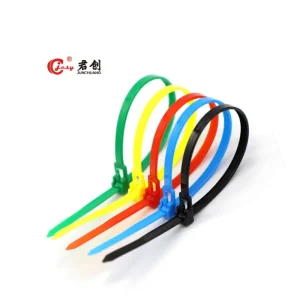
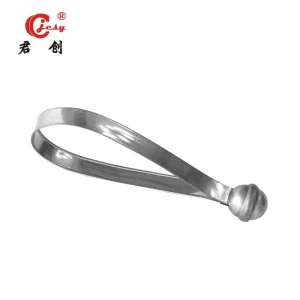
Ball-lock mechanisms work by forcing a small metal ball into a ratcheted channel. Once tensioned, the ball wedges tighter under load. This design handles vibration well because movement only drives the ball deeper into its seat. Heavy-duty cable management applications favor this approach.
Ladder-lock designs use a different principle. The tie tail passes through a head with internal teeth that grip the ladder rungs molded into the strap. This allows adjustment during installation and provides secure bundling across various cable configurations. The teeth dig into the strap material, creating multiple contact points that distribute stress.
Proper tensioning makes or breaks the installation. Under-tension leaves slack that allows movement and eventual wear. Over-tension stresses the lock mechanism and can damage the cables being bundled. Specialized installation tools apply consistent force and cut the tail flush, eliminating sharp edges that create safety hazards.
Where Stainless Steel Cable Ties Prove Their Worth
Some environments destroy ordinary fastening solutions within weeks. Stainless steel cable ties survive where plastic melts, rubber degrades, and coated metals corrode.
Temperature extremes test material limits constantly. These ties maintain structural integrity from cryogenic applications well below freezing to sustained heat that would soften or melt plastic alternatives. The metal structure doesn’t become brittle in cold or lose strength in heat the way polymer-based ties do.
UV radiation breaks down plastic over time. Outdoor installations face constant bombardment from sunlight, and plastic ties become brittle and crack. Stainless steel ignores UV entirely. Marine applications combine salt spray, UV exposure, and constant moisture. Chemical processing plants add aggressive acids and bases to the mix. Food processing facilities require materials that withstand repeated high-pressure washdowns with sanitizing chemicals.
Industries That Depend on Metal Fastening
Oil and gas operations run stainless steel cable ties throughout their facilities. Offshore platforms face the worst combination of salt air, vibration, and temperature swings. Onshore refineries deal with chemical exposure and extreme heat near processing equipment. A failed tie in these environments can mean more than inconvenience. It can mean safety incidents.
Shipbuilding and marine maintenance crews specify 316-grade ties almost exclusively. The constant salt exposure makes anything less a temporary solution at best. Railway infrastructure uses these ties for their vibration resistance. Trains create tremendous mechanical stress on everything attached to rolling stock, and ties that loosen under vibration create maintenance headaches and potential hazards.
Mining operations present abrasive conditions that wear through coatings and softer materials. Dust, grit, and mechanical impact combine with moisture and sometimes chemical exposure. Stainless steel cable ties handle this combination without the degradation that plagues other fastening options.
Installation That Maximizes Performance
Even the best stainless steel cable tie fails if installed incorrectly. Proper technique ensures the tie performs as designed and meets regulatory requirements.
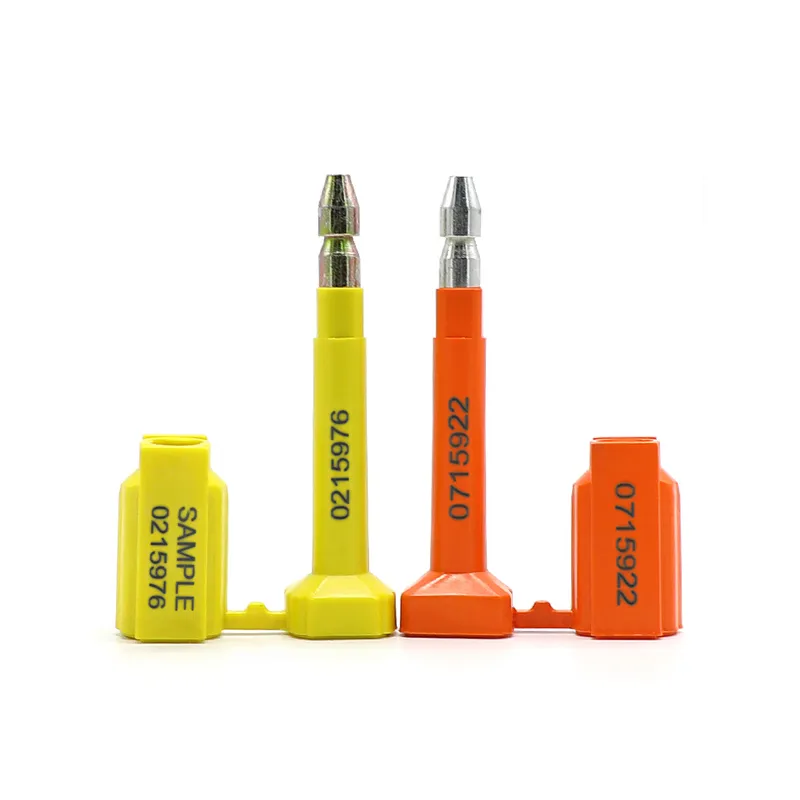
Start by selecting the right tie for the job. Length needs to accommodate the bundle with enough tail to feed through the lock and tension properly. Tensile strength must exceed the expected load with a reasonable safety margin. Environmental conditions dictate the grade.
Position the tie around the bundle before tensioning. It should be snug but not tight at this stage. Feed the tail through the locking mechanism until it catches. Now apply tension using a proper cable tie tool. Hand tensioning works for small ties in non-critical applications, but anything heavy-duty needs mechanical assistance.
The tool applies consistent force that’s difficult to replicate by hand. It also cuts the tail flush with the lock head, eliminating the sharp edge that remains when cutting with side cutters. That sharp edge isn’t just a nuisance. It’s a safety hazard that can slice skin and damage adjacent cables.
After installation, inspect each tie visually. The lock should be fully engaged, the strap should show no kinks or twists, and the cut should be clean. Products meeting UL certification and DNV GL approval have demonstrated compliance with rigorous testing standards, but proper installation remains essential for that performance to translate to real-world conditions.
Specialized Solutions Beyond Standard Ties
Standard stainless steel cable ties handle most applications, but some situations call for enhanced functionality.
Coated ties wrap the metal strap in a polymer layer. This protects sensitive cables from abrasion where the tie contacts the bundle. It also prevents galvanic corrosion when dissimilar metals contact each other. The coating adds a barrier between the stainless steel and aluminum or copper conductors.
Releasable ties allow temporary bundling without waste. Dynamic environments where cable configurations change regularly benefit from ties that can be opened and repositioned. This reduces material consumption and speeds reconfiguration work.
Marker ties incorporate identification tags directly into the tie design. Complex wiring systems need clear labeling, and integrated markers stay attached permanently. They don’t fall off like adhesive labels or slip like separate tag holders.
Fire safety applications may require low smoke zero halogen coatings. Standard plastics release toxic fumes when burned. LSZH materials char without producing the dangerous gases that can incapacitate people trying to escape a fire. Some specialized ties also provide electromagnetic shielding for sensitive electronic applications.
The Real Cost of Cheap Alternatives
Initial purchase price tells only part of the story. Stainless steel cable ties cost more than plastic alternatives. That’s undeniable. But the calculation changes when you factor in replacement frequency, labor costs, and failure consequences.
Plastic ties in harsh environments might last six months. Stainless steel ties in the same conditions often last years. Each replacement cycle means labor time, material cost, and potential production interruption. In difficult-to-access locations, the labor cost of replacement can dwarf the material cost many times over.
Failure consequences vary by application. A failed tie in a cable tray might mean a minor maintenance task. A failed tie securing critical infrastructure could mean equipment damage, safety incidents, or regulatory violations. The cost difference between tie grades becomes trivial compared to these potential consequences.
Lifecycle cost analysis typically favors stainless steel in any application where environmental conditions stress plastic alternatives. The breakeven point arrives faster than most people expect, often within the first year of operation.
Secure Your Industrial Operations with Junchuang Lock Industry
For industrial professionals requiring unparalleled security and longevity in cable management, Shandong Junchuang Lock Industry Co., Ltd. offers a robust range of high-quality stainless steel cable ties engineered for the most demanding environments. With expertise in design, development, and production, we ensure our solutions meet stringent performance standards, providing the reliability your projects demand. Contact our specialists today via +86 13853189290 or [email protected] for a tailored consultation and to explore how our certified products can enhance your operational integrity and security.
Frequently Asked Questions
What makes stainless steel cable ties worth the higher price compared to plastic?
Stainless steel cable ties resist extreme temperatures, UV radiation, corrosion, and fire. Plastic ties fail under these conditions, often within months. The higher tensile strength of metal ties also provides security that plastic cannot match for heavy bundles. When you factor in replacement labor and the cost of potential failures, stainless steel often proves cheaper over the installation’s lifetime.
How do I match the right stainless steel cable tie to my specific application?
Measure the bundle diameter and add enough length for the locking mechanism and tensioning. Check the tensile strength rating against your expected load with a safety margin. For marine or chemical environments, specify 316-grade stainless steel. For general industrial use without aggressive corrosives, 304-grade works well and costs less. If you’re interested, check 《Stainless Steel Cable Tie Selection Guide》. Contact Shandong Junchuang Lock Industry Co., Ltd. for technical guidance on unusual applications.
Do I really need special tools to install stainless steel cable ties?
Small ties in non-critical applications can be installed by hand. But for larger ties or any application where consistent performance matters, tensioning tools are worth the investment. They apply uniform force that prevents both under-tensioning and over-tensioning. They also cut the tail flush, eliminating sharp edges that create safety hazards and can damage adjacent cables. Proper tool usage directly affects how long the installation lasts and how safely it performs.