
Installing a plastic padlock seal correctly is the final and most overlooked step in cargo security. A seal that is not fully locked or misaligned on the hasp can be removed without visible damage, undermining the entire tamper-evident system. With over fifteen years of production experience at Shandong Junchuang Lock Industry, I have seen countless shipments where the seal design was robust but the field installation created a security gap. This guide outlines the proven plastic padlock seal installation process, covering inspection, placement, verification, and documentation, so your operation can avoid the common pitfalls that lead to disputes or rejected shipments.
Tools and Plastic Padlock Seal Inspection
Every installation starts with a visual and tactile check of the seal and the hasp. A seal that arrives with a cracked body, a bent strap, or a serial number that does not match the manifest should never be used. Scrape a thumbnail along the strap edge to feel for nicks or stress whitening in the plastic, signs that the material was overstressed during shipping or previous handling.
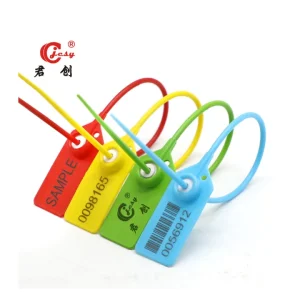
Next, verify the serial number or barcode on the seal against your shipping documentation. In our factory, every plastic padlock seal receives a unique, laser-etched number before it leaves the production line. Mismatched numbering is a red flag for tampering in transit. Check the locking aperture inside the seal body; debris or plastic flash left from molding can prevent full strap engagement. A quick blast of compressed air clears minor dust, but if the channel is malformed, discard the seal.
Correct Seal Placement on the Container Hasp
The padlock seal strap must pass through the hasp in a way that eliminates slack without stressing the plastic. Slide the strap end through the hasp from the back side so the seal body sits flat against the hasp face. Leave no more than a few millimeters of free play before the locking point. Excess slack allows a twist attack where a thief rotates the seal until the strap snaps.
The strap should travel in a straight line into the locking mechanism. If the hasp design forces the strap to enter at an angle, a thin protective sleeve or a custom-molded seal with an angled entry port is worth considering. In high vibration environments, an angled strap entry concentrates stress at the seal throat and leads to micro fractures over time. We have replaced entire shipments for clients who switched from a straight-entry standard seal to an angled-mount plastic padlock seal and saw failures drop to zero.
Locking the Seal and Firm Security Verification
Push the strap through freely until you hear a clean, metallic or sharp plastic click. That click is the locking tab springing into the strap groove. If the sound is muffled or absent, pull the strap back slightly and push again with more even pressure. Never hammer the seal body, because impact can shatter the internal locking clip even when the seal appears closed.
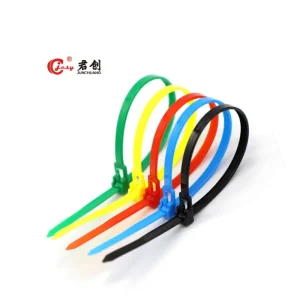
After locking, pull the strap with approximately 15 kilograms of steady force for three seconds. A correctly locked plastic padlock seal will not slip. If the strap backs out even one millimeter, the locking tab did not seat. Our production line performs this pull test on every batch, and we still see occasional field issues caused by operators rushing the lock step. If your current supplier does not include a mill test certificate detailing their pull-test procedure, it is worth verifying their quality control before placing high-volume orders. When your next shipment depends on consistent locking force, reach out to us at [email protected] and we can share test data against your hasp dimensions.
Documentation and Traceability Recording
Record the seal number on the bill of lading or cargo manifest immediately after locking. Many logistics managers photograph the installed seal with a smartphone, capturing both the number and the surrounding hasp area in a single frame. This creates a time-stamped record that proves the seal was intact at the point of departure.
A plastic padlock seal installation guide often stops at the physical lock step, but documentation is where security becomes auditable. If a shipment arrives with a broken seal, you need the recorded number to identify whether the broken seal is a replacement. We recommend a three-point log: seal number, installation date and time, and the installer’s initials. For high-value cargo, integrate the seal number into your GPS tracking platform so the seal becomes a data point in the shipment file rather than an isolated physical barrier.
Installation Mistakes That Weaken Security
Even operators who use seals daily repeat a handful of errors that create false security. The table below distills the most frequent field failures we have documented across thousands of client installations.
| Error | Immediate Consequence | Preventive Measure |
|---|---|---|
| Leaving slack before locking | Seal can be twisted off without breaking | Slide strap until light resistance, then lock |
| Using a seal with a mismatched hasp diameter | Strap jams before full engagement | Verify hasp internal diameter before ordering seal size |
| Skipping serial number verification | Tampered seal replaced with identical model goes unnoticed | Always check manifest number against physical seal |
| Locking a seal that shows stress lines | Seal breaks during transit vibration | Discard any seal with visible material defects |
Beyond these causes, applying side pressure to the seal body while locking twists the internal mechanism and weakens the locking tab’s grip. A correctly installed plastic padlock seal should hang in line with the hasp, not at a forced angle. If your hasp design requires an offset mounting, switching to a flexible adjustable seal may offer more reliable performance than a rigid padlock body.
Reliable Plastic Padlock Seal Supply for Your Operations
A plastic padlock seal installation guide can only be as effective as the seal itself. When the material is brittle, the locking tab is inconsistent, or the serial number wears off after a few weeks, no amount of correct handling restores security. Sourcing directly from a manufacturing facility with in-house molding and laser marking eliminates the quality drift that comes from brokers consolidating mixed batches.
At Shandong Junchuang Lock Industry, we mold, label, and test our plastic padlock seals under a single quality management system. We offer custom numbering sequences, barcodes, holographic tamper strips, and UV-resistant body materials for outdoor long-haul applications. Every order ships with a batch test certificate and installation recommendations matched to your hasp type. For bulk inquiries, free samples for fit testing, or to discuss a custom seal design, contact us at [email protected] or call and WhatsApp +86 13853189290.
Frequently Asked Questions About Plastic Padlock Seal Installation
The seal clicks, but I can still pull the strap out slightly. Is that normal?
No. A properly locked plastic padlock seal should not allow any backward movement. The clicking sound indicates the locking tab has tried to engage, but if the strap moves, the tab either caught on an edge without fully seating or the strap groove is undersized. Remove the seal and try a fresh one. If the same behavior repeats across multiple seals, the hasp thickness may be preventing full strap insertion, and a longer strap length or different seal model is needed.
Is it safe to install plastic padlock seals in freezing temperatures?
Plastic padlock seal materials, usually polypropylene or nylon, become stiffer in subzero conditions but the locking function remains reliable if the seal is handled carefully. The main risk is that a cold, stiff strap can snap if bent sharply during installation. Warm the seals in an indoor staging area before taking them outside and avoid twisting the strap. We have supplied seals to cold-chain operators in northern China and Russia, and the failure rate stays low when the strap is kept straight and inserted smoothly.
In high-vibration trucking operations, which part of the seal is most likely to fail?
The locking tab and the point where the strap meets the seal body are the two highest-stress zones. Constant vibration causes micro-abrasion between the tab and strap groove, especially when the seal body is not flush against the hasp and can rattle. Selecting a seal with a thicker strap cross-section and a nylon body instead of standard polypropylene improves vibration endurance. It is also worth adding a small rubber grommet around the hasp to dampen contact noise and reduce wear on the seal throat.
Should I use a different color plastic padlock seal for different delivery routes?
Color coding seals by route, product type, or inspection status adds an extra visual layer to security that complements the physical lock. For instance, red seals for cross-border shipments and blue seals for domestic hauls enables a quick visual check at transfer points. Our factory offers full-color matching and can embed UV fluorescence for automated scanning. If your operation is evaluating whether color coding would strengthen your chain of custody, share your routing structure with us at [email protected] and we will recommend a color strategy that aligns with your documentation workflow.
If you’re interested, check out these related articles:
China Cable Seal Factory Buying Guide for Secure Industrial Procurement – Junchuang Lock
Lead Seal vs Plastic Meter Seal: Ultimate Security Comparison – Junchuang Lock