
A high security metal seal manufacturer’s catalog can look perfect, but the real difference is on the factory floor. Over years of production management at Shandong Junchuang Lock Industrial, I’ve seen how batch consistency and raw material discipline determine seal integrity far more than glossy marketing. This article covers the practical indicators any procurement professional can use to assess a manufacturer’s true capability, from material inspection to compliance transparency, so you can secure your supply chain with confidence.
What Counts as a High Security Metal Seal?
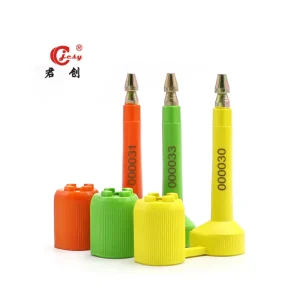
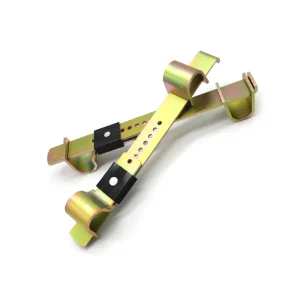
Rather than a single product, high security metal seals cover several distinct mechanisms built to leave clear evidence of tampering. In international freight, the two most common types are metal strap seals and bolt seals. Metal strap seals use a steel body and locking mechanism that must be cut to open. Bolt seals for containers deliver the highest tensile strength and fit onto ocean container door hasps. Barrier seals add an extra locking wedge for high-value shipments. Each type follows the same principle: once locked, any removal attempt permanently deforms or breaks the seal, leaving visible proof. Matching the seal type to the transport method and risk level is the first step, because the manufacturer needs to produce exactly the configuration your operation depends on.
Production Quality Indicators a Buyer Can Actually Verify
During a factory tour, the most revealing signs of quality are not the certificates on the wall but the discipline on the production floor. I look for three things immediately. First, in-process inspection stations operating at every assembly stage, not only at final check. Second, tooling and dies that are clean and well-maintained without visible wear or rough edges. Third, a raw material storage area organized by lot number with clear incoming inspection records. These operational details expose whether the quality system is a living process or just a document.
| Quality Indicator | What to Check | Red Flag |
|---|---|---|
| In-process inspection | Stations at each major assembly step | Only final inspection present |
| Tooling condition | Clean surfaces, consistent stamping | Scratches, die marks, or heavy wear |
| Raw material traceability | Lot labels, inspection records | Unlabeled stock, mixed batches |
A factory that cannot show you how it separates different metal alloys or trace a wire spool to its mill certificate will eventually ship inconsistent product. Production consistency, not catalog claims, determines if every seal in your container meets the strength specification on the datasheet.
Material and Tamper-Evidence Mechanisms: What to Inspect
The reliability of a metal seal sits in the materials and the locking design. Most high-security metal seals use carbon steel or aircraft-grade aluminum alloy, with a break strength ranging from 500 kg to over 1,500 kg depending on the product. During incoming inspection, request a sample to cut open and examine the locking wedge or cam mechanism. In consistent production, the wedge engages fully and smoothly; rough grinding or misalignment points to die wear or poor assembly. The tamper-evidence feature is about what happens after removal. A properly made seal fractures in a predictable, permanent way that cannot be reassembled. I recall one batch where the bolt seal’s plastic cap stayed intact after cutting, an immediate rejection. The cap should shatter or visibly deform so any tampering is obvious at a glance.
ISO 17712 and Beyond: Compliance That Actually Matters
ISO 17712 defines three security levels: indicative, security, and high security. For a metal seal to qualify as high security, it must meet the top level, which requires mechanical strength, tamper evidence, and unique seal markings. The certificate itself is a baseline, not a guarantee. More important is whether the manufacturer’s in-house testing equipment runs destructive tensile tests on every production batch or only occasionally. I have walked facilities where the testing machine sat in a corner under a layer of dust. To avoid that situation, ask for a batch-specific test report that includes lot numbers and dates, not a generic certificate. No legitimate high security metal seal manufacturer ships today without batch-level traceability.
Separating Reliable Manufacturers from Marketing Claims
Distinguishing a factory that builds seals from a broker who subcontracts production is straightforward if you know what to ask. Request a short video call that pans the live production line, not a pre-recorded showroom clip. Inquire about lead times: if a manufacturer promises three-day delivery on custom-printed seals, they are likely skipping necessary curing or testing steps. At Junchuang, we prefer to be honest about realistic schedules because speed without quality hurts everyone. Also, evaluate how the supplier handles samples. A manufacturer willing to produce a few sample seals with your logo and numbering before a bulk order demonstrates actual capability. If they only send off-the-shelf stock, you are dealing with a trading company, not the maker.
Building a Reliable High Security Metal Seal Supply
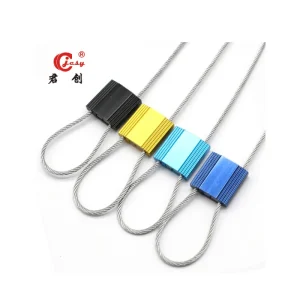
Inconsistent quality from unvetted suppliers creates cargo security gaps and operational delays. The solution is to partner with a manufacturer that welcomes factory audits, provides batch traceability, and discusses production details openly. Once you have qualified a partner, maintain consistency through regular random pull testing and clear feedback loops. A manufacturer that listens when you report a seal that broke in cold weather and then adjusts the material specification adds far more value than one that just repeats the same order month after month. Send your part number and expected annual quantity to [email protected], or call +86 13853189290, and we can arrange a sample batch with your custom markings and a full test report. That single step confirms whether the factory can meet your specifications before you commit to a large order.
Common Questions About High Security Metal Seal Manufacturing
What is the difference between a metal strap seal and a bolt seal?
Metal strap seals use a steel band that loops through a hasp and locks, requiring bolt cutters to remove. They are suitable for truck doors, railcars, and intermediate-security cargo. Bolt seals are a hardened pin that inserts into a steel barrel and locks permanently; they meet the highest tensile strength standards for ocean containers and high-risk cross-border shipments. Choose based on the transport asset and insurance requirements.
How can I tell if a metal seal has been tampered with during transit?
Look for any bending, scratching, or tool marks around the locking mechanism. A high security seal is designed so that any forced removal deforms the metal body or shatters the locking cap. During inspection, compare the seal number against the shipping documentation and check for fresh paint or glue that might conceal a repair. If anything looks irregular, photograph it before cutting.
Do all metal seal manufacturers offer custom printing and numbering?
Most factories can provide laser marking or hot stamping of logos, serial numbers, and barcodes, but the quality of the marking varies. Ask to see samples of their custom work on the actual seal body material, not just on a paper mockup. The marking should remain legible after exposure to weather, UV, and handling during transit.
How often should we batch-test incoming seal shipments?
At a minimum, conduct a destructive pull test on a random sample from each shipment. You can do this with a simple hydraulic pull tester on site or send samples to an independent lab quarterly. The frequency depends on the volume and risk. If your seals secure high-value military or pharma cargo, testing every shipment reduces the chance of a weakness going unnoticed.
Does a higher price always mean a better metal seal?
Not necessarily. Price reflects material cost, manufacturing precision, testing frequency, and the manufacturer’s overhead. A moderately priced seal from a factory with strong batch control and material traceability often outperforms a premium-priced product from a supplier that outsources production. Focus on documentation and consistent quality rather than the price tag alone. If you are unsure whether a supplier’s documentation supports the quoted price, send your requirements to [email protected] and we can share sample test data for comparison.
If you’re interested, check out these related articles:
China Security Seal Manufacturers: Strategic Selection Guide – Junchuang Lock
Choosing a Security Seal Manufacturer: Strategic Vetting for Supply Chain Integrity – Junchuang Lock
UV Resistant Cable Tie Selection: Ensuring Outdoor Durability – Junchuang Lock
Weather Resistant Seal Selection: Mastering Environmental Durability – Junchuang Lock
Anti-Tamper Meter Seal Explained: A Technical Guide to Security – Junchuang Lock