
Choosing the right weather-resistant seals for industrial applications isn’t something you figure out from a spec sheet alone. I’ve seen too many projects where someone picked a seal based on a single property—temperature rating, usually—and then watched it fail within months because nobody accounted for the UV exposure or the ozone levels at the installation site. The reality is that outdoor environments throw multiple stressors at seals simultaneously, and getting the selection wrong means equipment failures, unplanned downtime, and maintenance costs that could have been avoided with better upfront decisions.
Environmental Stressors That Break Down Industrial Seals
Industrial seals in outdoor settings face a relentless combination of environmental attacks. UV radiation, ozone exposure, temperature swings, and moisture infiltration work together to degrade seal materials—sometimes faster than manufacturers’ lab data would suggest. Understanding what actually happens to seals in the field is essential before making any material or design choices.
UV radiation from direct sunlight breaks down polymer chains in many seal materials. The visible result is cracking and hardening, but the structural damage starts well before those signs appear. Ozone, present in higher concentrations in industrial areas and near electrical equipment, initiates surface cracks in rubber compounds that deepen over time. Temperature extremes create their own problems: cold makes seals brittle and prone to fracture, while heat softens them and reduces their ability to maintain compression. Moisture—whether from rain, humidity, or condensation—causes swelling in some materials and promotes corrosion in metal components.
| Environmental Stressor | Impact on Seal Materials |
|---|---|
| UV Radiation | Degradation, cracking, hardening |
| Ozone Exposure | Surface cracking, embrittlement |
| Extreme Temperatures | Brittleness (cold), softening (heat), loss of elasticity |
| Moisture Infiltration | Swelling, corrosion, reduced dielectric strength |
| Chemical Exposure | Dissolution, degradation, swelling |
| Abrasion/Wear | Material loss, reduced sealing effectiveness |
Material Properties That Determine Weather-Resistant Seal Performance
The material you choose for a weather-resistant seal dictates how it will perform under environmental stress. Different compounds offer distinct advantages, and the trade-offs matter more than most people realize.
EPDM (Ethylene Propylene Diene Monomer) has earned its reputation for excellent ozone and UV resistance. It holds up well in outdoor applications where direct sunlight and atmospheric ozone are constant factors. Silicone rubber seals offer something different: exceptional flexibility across a wide temperature range, from well below freezing to temperatures that would destroy most other elastomers. The trade-off is lower tensile strength, which limits silicone’s use in high-pressure applications. Neoprene gaskets sit in the middle ground, providing reasonable weatherability along with moderate oil resistance.
Butyl rubber sealants excel at blocking gas permeation and resist weathering effectively, though their temperature range is narrower than silicone. Fluorosilicone seals combine silicone’s temperature flexibility with better chemical resistance, making them suitable for environments where fuel or solvent exposure is a concern. Material compatibility extends beyond the seal itself—corrosion resistant materials for any metal components prevent rust from compromising the seal assembly. Chemical resistance seals are specifically formulated to withstand industrial chemicals without swelling or degrading.
Comparing Seal Materials for UV, Ozone, and Temperature Resistance
Each seal material responds differently to environmental stressors, and understanding these differences prevents costly mismatches between materials and applications.
EPDM performs exceptionally well against UV and ozone, maintaining its integrity in outdoor installations for years. Silicone rubber handles the widest temperature range of common seal materials, from approximately -60°C to 230°C, with good UV resistance but only moderate ozone protection. Neoprene balances weather, ozone, and UV resistance with some chemical tolerance, making it a versatile choice for less extreme conditions. Butyl rubber resists ozone and weathering effectively but operates within a narrower temperature window. Fluorosilicone delivers the best chemical resistance of this group while maintaining good temperature and weather performance.
| Material Type | UV Resistance | Ozone Resistance | Temperature Range (Approx.) | Key Advantages |
|---|---|---|---|---|
| EPDM | Excellent | Excellent | -50°C to 150°C | Weathering, UV, Ozone |
| Silicone | Good | Moderate | -60°C to 230°C | Flexibility, High Temp |
| Neoprene | Good | Good | -40°C to 120°C | Balanced properties |
| Butyl | Excellent | Excellent | -40°C to 120°C | Gas impermeability |
| Fluorosilicone | Good | Good | -60°C to 200°C | Chemical, Temp |
Application-Specific Demands for Outdoor and Industrial Sealing
Different industries impose unique requirements on weather-resistant seals, and what works in one application may fail completely in another.
Marine grade seals face saltwater, constant UV exposure, and humidity levels that accelerate corrosion in unprotected materials. Automotive weather seals must survive temperature cycles from freezing winters to scorching summers, plus vibration and exposure to fuels, oils, and road chemicals. Construction joint sealants need enough flexibility to accommodate building movement while maintaining a weatherproof barrier for decades. Outdoor enclosure seals protect electronics from dust and water ingress, often requiring specific IP ratings to meet equipment specifications. Aerospace sealing solutions operate under extreme pressure differentials and temperature variations, demanding lightweight materials with exceptional performance characteristics.
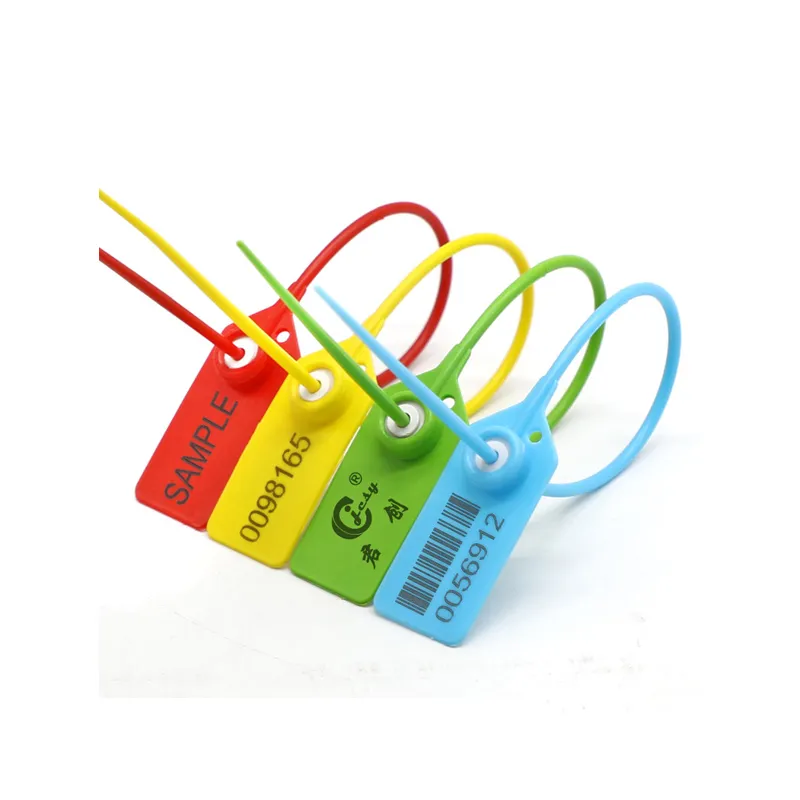
Standard seals don’t always meet these specialized requirements. Custom seal manufacturing becomes necessary when off-the-shelf options fall short. high security bolt seals weather resistant designed for cargo containers must maintain tamper evidence through exposure to salt spray, tropical humidity, and desert heat. cable seal outdoor use products need to resist UV degradation and moisture infiltration over extended periods without losing their security function.
Factors That Matter When Selecting Weather-Resistant Seals for Extreme Environments
Selecting weather-resistant seals for demanding applications requires evaluating multiple factors simultaneously.
Start with a complete picture of environmental conditions: temperature extremes (both high and low), UV exposure duration and intensity, ozone concentration levels, and any chemical exposure. Mechanical stresses matter too—pressure, vibration, and dynamic movement all affect seal performance and longevity. Consider the required service life and how often maintenance access is practical. Determine the appropriate IP rating for protection against dust and water. Finally, verify material compatibility with adjacent components and any fluids the seal will contact. Skipping any of these considerations increases the risk of premature seal failure.
Industry Standards and Testing That Validate Seal Performance
Standards and testing protocols exist because real-world performance can’t be assumed from material data sheets alone.
ASTM (American Society for Testing and Materials) and ISO (International Organization for Standardization) provide frameworks for evaluating material properties and testing methods. IP (Ingress Protection) ratings, defined by IEC standard 60529, classify protection levels against solid objects and liquids. An IP67 rating means complete dust protection and survival of temporary water immersion. An IP68 rating indicates protection during continuous immersion.
Seal durability testing subjects samples to accelerated weathering conditions that simulate years of UV, ozone, temperature, and moisture exposure in compressed timeframes. Long-term exposure trials complement accelerated testing by revealing degradation patterns that don’t appear in shorter tests. Proper weather stripping selection depends on these validated performance characteristics. Compliance with ISO sealing requirements and ASTM seal standards provides confidence that products will perform as specified. Our high security bolt seals and Cable Seals undergo testing to meet these requirements.
Standards and Certifications Worth Looking For
When sourcing weather-resistant sealing products, certifications provide objective evidence of performance.
ASTM International certifications validate material properties through standardized testing. ISO certifications address both quality management systems and specific product performance criteria. IP ratings quantify protection levels against environmental ingress. UL (Underwriters Laboratories) certifications address safety requirements. Industry-specific standards for automotive, aerospace, or marine applications may also apply depending on your use case. These certifications establish seal quality standards and help identify reliable sealing products.
Maximizing Weather Seal Lifespan Through Proper Installation and Maintenance
Even the best weather-resistant seal will fail prematurely if installed incorrectly or neglected after installation.
Installation errors cause more seal failures than material defects. Surfaces must be clean, dry, and properly prepared before seal application. Contamination, moisture, or surface irregularities create leak paths that worsen over time. Follow manufacturer specifications for torque values and compression limits—over-compression damages seals just as surely as under-compression allows leakage.
Regular inspection catches degradation before it causes operational problems. Look for visual indicators: discoloration, surface cracking, hardening, or loss of elasticity. Establish a maintenance schedule that includes cleaning to remove accumulated dirt and chemical residues, lubrication where specified, and fastener re-torquing where applicable. Replace seals showing significant wear before they fail completely. This approach delivers long-term seal performance and cost-effective weather seals. Shandong Junchuang Lock Industrial Co., Ltd emphasizes proper installation and maintenance for all sealing solutions, including Plastic Seals and Meter Seals.
| Maintenance Task | Frequency | Description |
|---|---|---|
| Visual Inspection | Quarterly/Annually | Check for cracks, discoloration, deformation. |
| Cleaning | As needed | Remove dirt, debris, and chemical residues. |
| Lubrication | Annually | Apply compatible lubricants if specified. |
| Re-tightening | Annually | Check and re-torque fasteners if applicable. |
| Replacement | As needed | Replace seals showing significant wear. |
Procurement Strategy and Custom Solutions for Challenging Environments
Getting the right weather-resistant seals requires more than browsing catalogs.
Specialized applications often demand custom seal manufacturing when standard products don’t meet performance requirements. Shandong Junchuang Lock Industrial Co., Ltd provides integrated design, development, and production capabilities that allow sealing solutions to be tailored precisely to project specifications—including dimensions, material compounds, and performance characteristics that standard products can’t match.
When evaluating seal suppliers, look for experience with specialized sealing solutions and the technical support capability to help solve problems before they become failures. We provide guidance on weather seal procurement strategies that balance performance requirements against budget constraints. Our commitment to quality means we deliver high security bolt seals weather resistant and cable seal outdoor use products that perform reliably in challenging environments.
Partner with Shandong Junchuang Lock Industrial Co., Ltd for Robust Sealing Solutions
For unparalleled expertise in weather-resistant sealing solutions, trust Shandong Junchuang Lock Industrial Co., Ltd. Our integrated design, development, and manufacturing capabilities ensure high-security bolt seals, plastic seals, cable seals, and meter seals that meet the most demanding environmental challenges. Contact us today for a consultation or to discuss your custom sealing requirements. Email: [email protected] | Mobile: +86 13853189290
Which Material Offers the Best Durability for Weather-Resistant Seals in Industrial Applications?
The most durable material depends entirely on your specific conditions. EPDM and silicone rubber both offer excellent weather resistance, but they excel in different areas. EPDM handles UV and ozone exposure better, while silicone tolerates a wider temperature range. Fluorosilicone adds superior chemical resistance to the mix. The right choice requires evaluating your actual operating environment—temperature extremes, chemical exposure, abrasion potential—rather than picking based on a single property. Consulting with Shandong Junchuang Lock Industrial Co., Ltd can help match materials to your specific requirements.
How Do IP Ratings Relate to Weather Resistance in Seals?
IP ratings directly measure a seal’s ability to block environmental intrusion. The first digit indicates protection against solid particles like dust, while the second digit indicates liquid protection. An IP67 rating means complete dust protection plus survival of temporary water immersion. An IP68 rating indicates protection during continuous immersion. Higher IP ratings correlate with better weather resistance, though the specific rating needed depends on your application’s exposure conditions.
Can Weather-Resistant Seals Be Customized for Unique Project Requirements?
Yes, and customization is often necessary for applications where standard seals don’t fit or perform adequately. Shandong Junchuang Lock Industrial Co., Ltd specializes in integrating design, development, and production to create sealing solutions tailored to specific dimensions, material requirements, and performance specifications. Custom high security bolt seals weather resistant or specialized cable seal outdoor use products can be engineered to meet requirements that off-the-shelf options simply can’t address.