
The first time I handled a compromised meter seal, the damage pattern told me everything I needed to know before anyone said a word. That small piece of plastic had done exactly what it was supposed to do: leave behind evidence that couldn’t be argued with. Anti-tamper meter seals work on a simple principle that makes them remarkably effective. They’re designed to show clear, irreversible signs of interference the moment someone tries to remove or bypass them. For utility companies tracking electricity, gas, or water consumption, these seals represent the difference between accurate billing and undetected theft.
How Anti-Tamper Meter Seals Actually Work
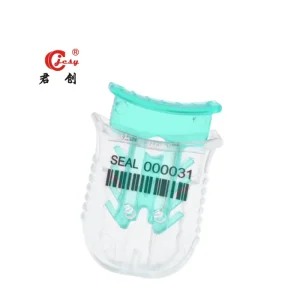
The mechanics behind anti-tamper meter seals center on one idea: make tampering impossible to hide. Once you apply one of these seals, any attempt to open the meter or remove the seal creates permanent damage. The seal might crack, a color indicator might shift, or the locking mechanism might deform in ways that can’t be reversed.
This irreversibility matters because it removes ambiguity. During routine inspections, a technician can spot compromised seals quickly without specialized equipment. The damage speaks for itself. A broken seal body, a discolored indicator strip, or a distorted lock all point to the same conclusion: someone accessed this meter without authorization.
What makes these seals particularly effective as deterrents is that they can’t be resealed without detection. Even if someone manages to remove a seal carefully, they can’t put it back in a way that passes inspection. The original seal’s unique serial number won’t match any replacement, and the physical characteristics of a tampered seal differ noticeably from an intact one.
For utility providers, this translates directly to revenue protection. Meter fraud costs the industry billions annually, and anti-tamper meter seals catch interference early, before losses accumulate over months or years of falsified readings.
Types of Anti-Tamper Meter Seals and Where They Fit
Different sealing situations call for different solutions. The security level you need, the environment where the seal will live, and your budget all influence which type makes sense.
| Seal Type | Material | Security Level | Typical Application | Advantages | Disadvantages |
|---|---|---|---|---|---|
| Plastic Seal | Polypropylene/Nylon | Low to Medium | Electricity, water meters, drums | Cost-effective, easy to apply, customizable | Lower breaking strength, susceptible to heat |
| Lead Seal | Lead | Low | Traditional meter sealing | Simple, low cost | Environmental concerns, lower security |
| Cable Seal | Steel cable, Aluminum body | Medium to High | Utility meters, containers, valves | Strong, versatile, tamper-evident | Requires cutting tool for removal |
| Bolt Seal | Steel, ABS Plastic | High | High-value cargo, shipping containers, heavy meters | Extremely strong, ISO 17712 compliant | Higher cost, requires bolt cutter |
| Metal Strap Seal | Tinplate/Steel | Medium | Drums, utility meters, industrial equipment | Durable, visible tampering evidence | Can be cut with strong shears |
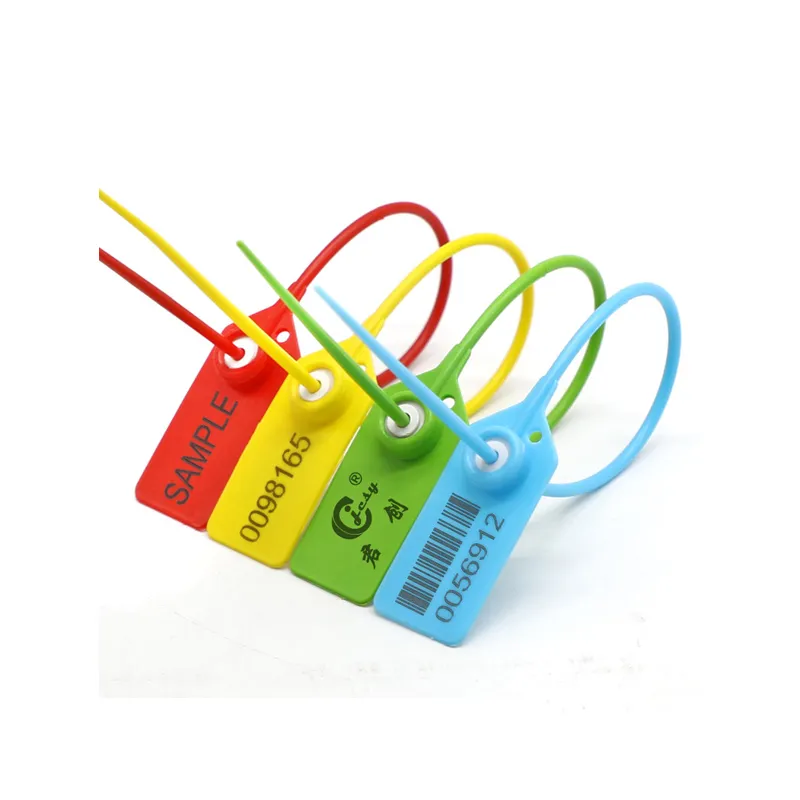
Plastic security seals handle the bulk of residential and light commercial applications. They’re affordable enough for large-scale deployment, accept custom printing well, and provide adequate security for standard electricity, water meter seal, and gas meter seal installations. The polypropylene or nylon construction resists normal weathering, though extreme heat can be a concern in some climates.
Cable seals step up the security level considerably. The steel cable running through the seal body requires tools to cut, which raises the barrier for casual tampering. These work well for larger utility meters, industrial valves, and situations where the sealing point varies in size. The adjustable cable length adds flexibility that fixed-length seals can’t match.
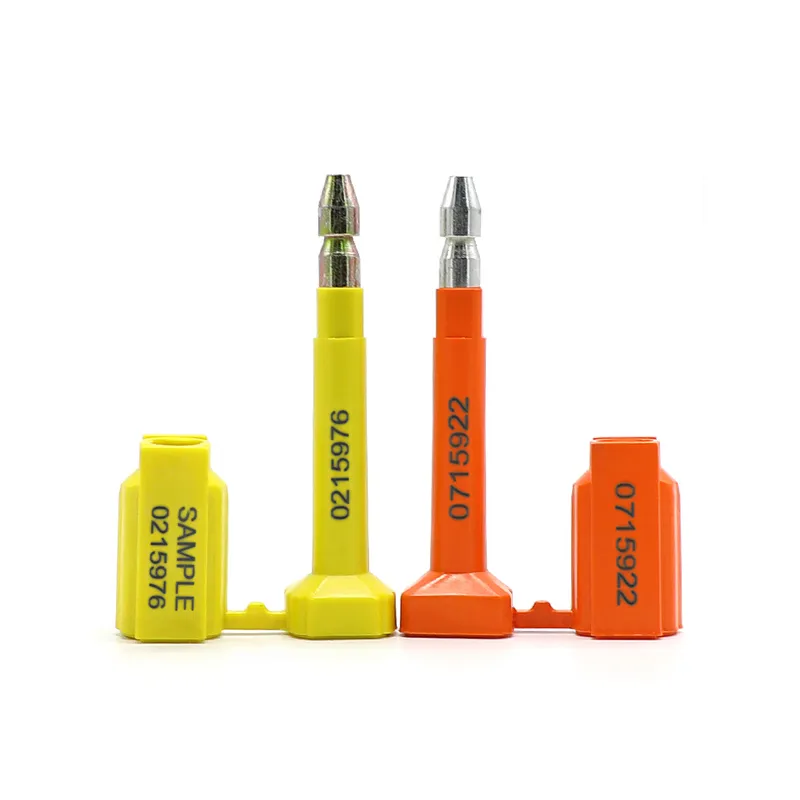
Bolt seals represent the high-security tier. When you’re protecting high-value metering equipment or need ISO 17712 compliance, these deliver the physical strength to back up that requirement. The trade-off is cost and the need for bolt cutters during legitimate removal.
Metal strap seals occupy a middle ground, offering more durability than plastic while remaining easier to remove than bolt seals. They show tampering clearly through visible cuts or deformation.
Detection Mechanisms That Make Tampering Visible
Several design features work together to ensure anti-tamper meter seals reveal interference attempts.
Unique serial numbering creates a paper trail that’s hard to fake. Every seal gets its own identifier, recorded when applied and checked during inspections. If the number doesn’t match records, something’s wrong. If the seal is missing entirely, that’s equally telling.
The locking mechanisms inside these seals are engineered to fail in specific ways when forced. Rather than simply releasing, they deform or break in patterns that can’t be undone. This seal breaking detection happens automatically, requiring no special training to recognize.
Some anti-tamper meter seals incorporate materials that react to chemical tampering or temperature extremes. Certain solvents that might dissolve adhesives or weaken plastics trigger color changes in indicator strips. Heat exposure beyond normal operating ranges can cause similar visible reactions. These features catch more sophisticated tampering attempts that might otherwise leave no obvious physical damage.
The combination of these mechanisms means that even skilled attempts at meter fraud leave evidence. The seal doesn’t need to be indestructible; it just needs to make tampering detectable.
Getting Installation, Verification, and Removal Right
The effectiveness of any anti-tamper meter seal depends heavily on how it’s handled throughout its lifecycle.
Installation starts with preparation. The sealing points on the meter need to be clean and clear of obstructions. Dirt, corrosion, or debris can prevent proper engagement of the locking mechanism, potentially creating a false positive for tampering later or simply allowing the seal to fail prematurely.
Selecting the correct seal type for the specific application matters more than it might seem. A seal rated for indoor use won’t hold up to years of outdoor exposure. A plastic seal on a high-value industrial meter might not provide adequate security. Matching the seal to the situation prevents both security gaps and unnecessary expense.
When applying the seal, the locking mechanism needs to engage completely. A partially engaged lock might release without showing obvious tampering, defeating the purpose entirely. After application, recording the serial number creates the documentation trail that makes verification meaningful.
Verification procedures should happen on a regular schedule. Inspectors check for physical damage, alterations to the seal body, and consistency between the seal’s serial number and records. Any discrepancy triggers investigation. Documenting each inspection, including who performed it and what they found, builds the evidence base needed if tampering is discovered.
Removal follows equally strict protocols. Only authorized personnel should remove seals, typically during scheduled maintenance or meter replacement. The removed seal’s number gets recorded, and the seal itself often stays in evidence storage until a new seal is applied and documented. This systematic approach closes potential gaps where tampering might go unnoticed.
Standards and Regulations That Shape Meter Sealing
Anti-tamper meter seals don’t exist in a regulatory vacuum. Various standards define what these seals must do and how well they must do it.
ISO 17712 sets requirements for high-security seals, specifying minimum breaking strengths and tamper-evident characteristics. Seals meeting this standard have passed testing that verifies their physical resistance to attack and their ability to show evidence of tampering attempts. For applications requiring documented security levels, ISO 17712 high security seal compliance provides that verification.
Utility regulations often mandate specific seal types or security levels for different meter categories. These requirements vary by jurisdiction but generally aim to ensure that seals provide meaningful protection against the most common tampering methods. Compliance with these regulations isn’t optional for utility providers, making seal selection a matter of regulatory necessity as well as security preference.
| Regulatory Body/Standard | Focus Area | Key Requirements |
|---|---|---|
| ISO 17712 | High-security seals | Minimum breaking strength, tamper-evident features, testing protocols |
| Regional utility regulations | Meter security | Seal type specifications, inspection intervals, documentation requirements |
| Environmental standards | Material safety | Restrictions on lead content, disposal requirements |
Material standards also apply, particularly regarding environmental concerns. Lead seals, while still used in some contexts, face increasing restrictions due to environmental and health considerations. Newer seal materials must meet durability requirements without creating disposal problems.
Matching Seals to Specific Security Needs
The selection process for anti-tamper meter seals should start with an honest assessment of what you’re protecting and what you’re protecting it from.
High-security applications, such as industrial gas meters or primary electricity connections serving large facilities, justify the cost of bolt seals or ISO 17712 cable seals. The potential losses from successful tampering at these points far exceed the additional seal cost. The physical strength of these seals also matches the more robust construction of the meters themselves.
Standard residential meters present a different calculation. The volume of seals needed makes cost a significant factor, and the security level required is generally lower. Plastic security seals or plastic padlock seals provide adequate tamper evidence for these applications while keeping per-unit costs manageable. The ease of application also matters when technicians are sealing hundreds of meters.
Environmental exposure influences material selection significantly. Seals installed outdoors need UV resistance to prevent degradation from sunlight. Coastal installations might require enhanced corrosion resistance. Extreme temperature ranges, whether hot or cold, affect both plastic and metal seals differently. Matching the seal material to the expected conditions prevents premature failures that could be mistaken for tampering or simply leave meters unprotected.
Budget constraints are real, but the calculation should include the cost of fraud, not just the cost of seals. A slightly more expensive seal that catches tampering earlier can pay for itself many times over in prevented losses.
Working with Shandong Junchuang Lock Industrial Co., Ltd.
Shandong Junchuang Lock Industrial Co., Ltd. manufactures the full range of anti-tamper meter seals discussed here, from cost-effective plastic seals to high-security bolt seals meeting international standards. The company’s production capabilities include extensive customization options: company logos, unique serial numbering, barcodes, and specific color coding can all be incorporated into seal designs.
This customization serves practical purposes beyond branding. Custom serial number sequences simplify inventory management. Logo printing makes unauthorized seal substitution more difficult. Color coding can indicate installation dates, meter types, or service territories at a glance.
For consultation on matching seal types to specific applications, contact the company at +86 13853189290 or [email protected].
Frequently Asked Questions About Anti-Tamper Meter Seals
How do I choose the most effective anti-tamper meter seal for my specific utility application?
Start with the security level your application actually requires. Industrial meters handling high-value commodities justify cable seals or bolt seals with unique serial numbering. Residential electricity or water meters typically work well with plastic seals that balance cost against adequate tamper evidence. Environmental factors matter too: outdoor installations need weather-resistant materials, and extreme temperatures affect different seal types differently. The honest answer is that there’s no universal best choice. The right seal depends on what you’re protecting, where it’s located, and what your inspection capabilities are.
What are the key benefits of implementing a robust anti-tamper meter sealing program?
The primary benefit is catching meter tampering before losses accumulate. A single compromised meter might go undetected for months or years without proper sealing, with consumption data falsified the entire time. Anti-tamper meter seals create a visible checkpoint that reveals interference during routine inspections. Beyond loss prevention, proper sealing supports regulatory compliance, simplifies fraud investigations by providing physical evidence, and maintains the data integrity that accurate billing depends on. The program also serves as a deterrent. Potential tamperers know that interference will leave evidence.
Can anti-tamper meter seals be customized with company logos or specific numbering?
Yes, and this customization serves security purposes beyond simple branding. Custom serial number sequences create a controlled inventory where every seal is traceable from manufacture through installation to removal. Logo printing makes it harder for someone to substitute a generic seal for a legitimate one. Barcode integration enables faster verification during inspections. Color coding can indicate installation dates, service territories, or meter categories. These customization options are standard offerings from manufacturers like Shandong Junchuang Lock Industrial Co., Ltd., and they add meaningful security value rather than just aesthetic appeal.