
When a shipping container loaded with electronics arrives at port, the integrity of its journey often rests on a device no larger than a hand: the barrier seal. Unlike conventional bolt seals that can be defeated with simple cutting tools, barrier seals incorporate a key-retained locking mechanism that resists tampering far more effectively. Procurement managers and logistics security officers need to understand this distinction, because the seal type directly affects cargo insurance terms and supply chain liability. This article explains the barrier seal mechanism, compares it with bolt seals, and outlines what to check in a manufacturer’s quality system before placing an order.
How Does a Barrier Seal Work?
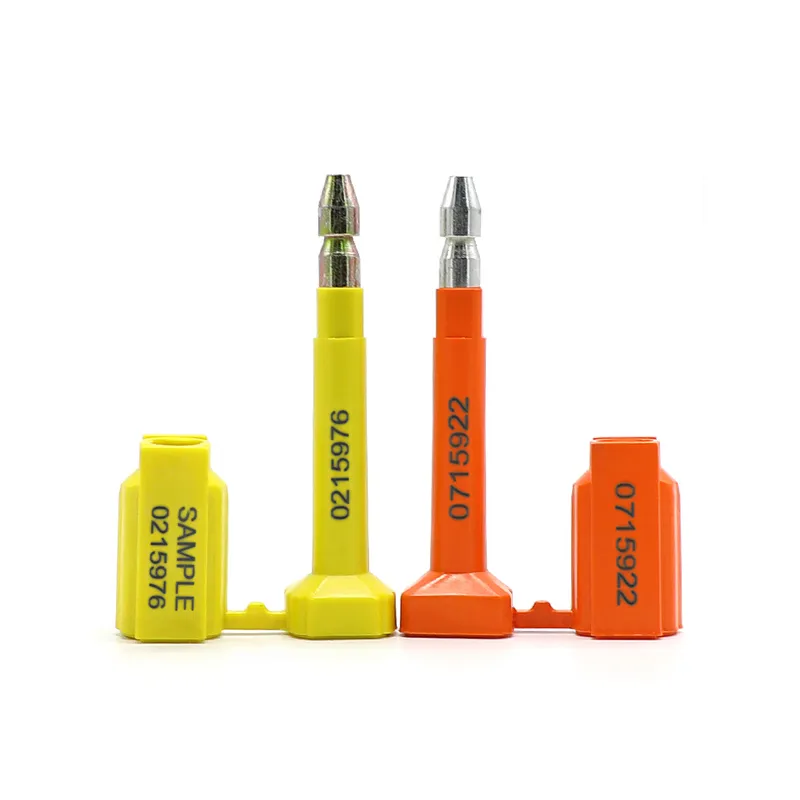
A barrier seal consists of a steel locking pin and a heavy-duty metal body. The pin inserts into the body and snaps into a spring-loaded retention ring, creating a permanent lock. Removal requires a proprietary key that aligns internal release tabs. No amount of twisting or pulling will disengage a properly applied barrier seal without leaving visible destruction.
This design is the core security advantage. A bolt seal typically has an exposed locking ball that can be drilled out or pried apart with relative silence. Barrier seals house the locking components inside a hardened steel shell, forcing any removal attempt into outright destruction of the seal. That destruction is immediate physical evidence of tampering. We have tested numerous seal types in our factory, and the consistent finding is that barrier seals demand a separate, controlled removal step that simple bolt seals lack.
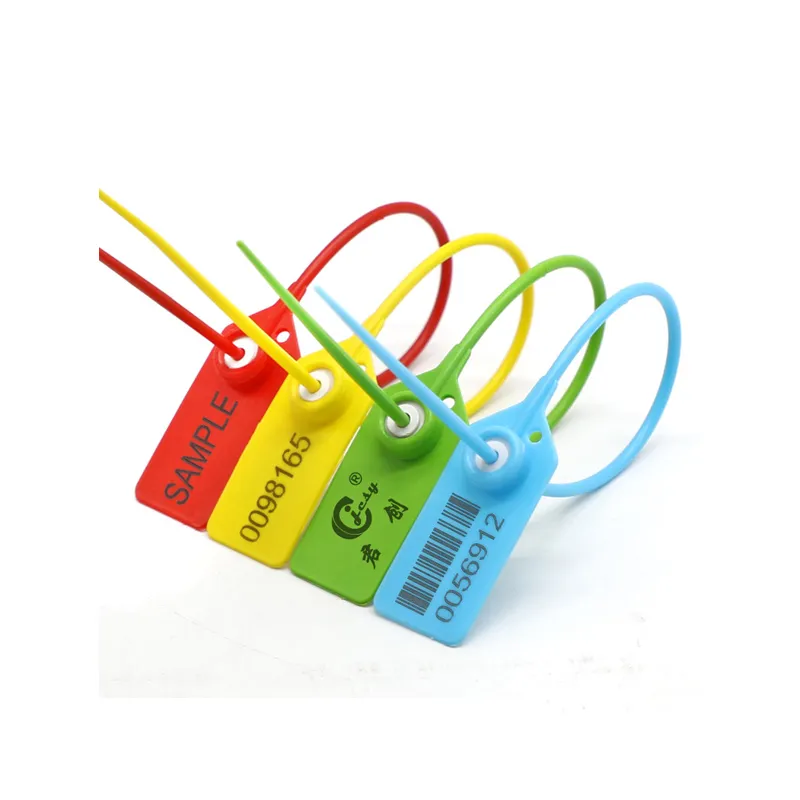
The serial number stamped on the pin and body provides chain-of-custody traceability. When a container arrives, the receiver verifies the number against the shipping documents. A mismatched or missing number signals that the seal may have been replaced. Combined with the keyed removal, this gives logistics managers a two-factor verification system: the right number and the right key.
Barrier Seal vs. Bolt Seal: Which Offers Better Security?
Both seal types are classified under ISO 17712 as high-security seals, but their resistance levels differ in practice. The table below breaks down the critical distinctions.
| Feature | Barrier Seal | Bolt Seal |
|---|---|---|
| Removal method | Requires proprietary key | Can be removed with bolt cutters or drill |
| Tamper evidence | Full-body destruction if forced | Often reusable after picking the locking ball |
| Resistance to quiet attack | High — internal mechanism not accessible | Lower — external locking ball is vulnerable |
| Cost per unit | Higher | Lower |
| Typical application | Cash-in-transit, high-value exports | General containerized cargo |
In numerous port-side inspections we have observed, bolt seals are routinely cut off by customs without a second thought. A barrier seal forces a deliberate removal action that is extremely difficult to hide, and that makes it the superior choice for cargo where the value per shipment justifies a slightly higher seal cost.
The cost difference is real. Barrier seals can run two to three times the price of a basic bolt seal. For low-risk routes, that extra cost may not be justified. For cross-border pharmaceutical shipments, electronics, or valuable raw materials, the price premium is negligible compared to what a single theft event costs in cargo loss and insurance fallout. The decision rests on a straightforward risk question: can your supply chain absorb a container breach on this lane, or not?
High-Security Applications Where Barrier Seals Work Best
Barrier seals see concentrated use in several applications where bolt seals are simply not trusted enough.
Cash-in-transit vaults and ATM cassettes. The seal must survive tampering attempts in transit and in storage, and any breach must be obvious immediately. A bolt seal that can be drilled and reinserted is unacceptable. We have supplied barrier seals for this exact use case, where the removal key is held only by the central cash management office.
Long-haul cross-border trucking of high-value consumer goods. On routes crossing multiple customs points, each inspection stop presents a potential tampering window. A barrier seal resists hasty manipulation at these stops. The numbered pin remains consistent from origin to final distribution, and the receiver knows the original number before the truck arrives.
Pharmaceutical logistics where cold chain integrity and anti-counterfeiting are both in play. A barrier seal’s serialized identity can integrate into track-and-trace systems, and the keyed removal prevents swaps without breaking the seal. Combined with temperature loggers, this layer provides a full custody record.
Oil and gas equipment shipments also benefit. The heavy steel body withstands rough handling that might deform or shear off lighter seals. This is not a theoretical advantage. We have seen bolt seals fail purely from the vibration and impact of flatbed transport on unpaved access roads. Barrier seals are built to tolerate that.
How to Select a Reliable Barrier Seal Manufacturer
Not all barrier seals deliver the security their design promises. The difference is in manufacturing precision and material quality. As a security seal manufacturer with over 15 years in production, I can outline the checks that separate a dependable supplier from a transactional one.
First, confirm that the factory holds current ISO 17712 certification with an independent testing lab report. Certification is not a one-time event. The standard requires ongoing compliance testing, and a manufacturer that cannot produce audit records for the last two years should be approached with caution. At our facility, we submit seals for third-party tensile and tamper testing annually, and we share those reports directly with procurement teams that request them.
Second, examine the steel grade. Barrier seals must resist cutting and drilling. Low-grade steel can be defeated quietly with a cordless drill. A reliable manufacturer will specify the steel alloy and hardness on the data sheet, not just the seal dimensions. Ask for the metal specification, not just the product photo.
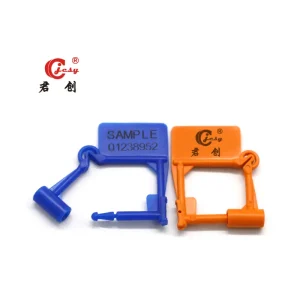
Third, customization support separates a production partner from a catalog seller. Laser-engraved serial numbers, company logos, and barcode sequences need to be applied with accurate alignment and clean readability. A factory that does not show you its engraving and marking equipment during an audit likely outsources this step, which introduces quality variance. Our range of [customized barrier seal](https://jcsealsfactory.com/product/barrier-seals-customized/)s includes multi-line engraving and sequential numbering verified by camera inspection before packing.
Fourth, audit the production floor if possible. Look for in-process inspections on the locking mechanism assembly. A properly built barrier seal should lock and unlock smoothly with the key a thousand times in testing. If the factory cannot demonstrate this testing, the seal may jam in the field, and a jammed seal on a container creates a difficult removal situation for the receiver.
Building a Cargo Security Layer with Barrier Seals
No single seal eliminates every risk. The real value of a barrier seal emerges when it is embedded in a broader security protocol. That protocol includes random pre-departure seal inspections, documented chain-of-custody handoffs, and a clear process for what to do when a seal number does not match the manifest.
Too many logistics teams rely on the seal alone without the verification step. A barrier seal with a serial number that is never checked at arrival is just a more expensive bolt seal. The protocol requires that the receiver physically reads the number and compares it to the original shipping documentation, with an escalation path for any discrepancy. In our work with importers, we consistently see that the companies with the fewest theft incidents are those that enforce this check rigorously, not those that buy the most expensive seal.
The keyed removal also means that the keys must be controlled. Losing a barrier seal key can create significant delays. We recommend a key management system where each shipment’s key is tagged with the seal number and stored with the shipping documents. The receiver gets the key only after confirming the seal number matches. This prevents casual removal by handlers who might not understand the security purpose.
Common Questions About Barrier Seals
Can barrier seals be used more than once?
No. Barrier seals are single-use devices. Once the locking pin is inserted into the body, removal requires the key, and the internal spring-loaded retention ring deforms permanently. Reusing a barrier seal after keyed removal is not possible because the locking mechanism will not engage with the required reliability again. Every new shipment needs a new seal.
In our experience inspecting returned seals, the internal ring always shows visible stress after a single use, so there is no safe way to deploy a barrier seal twice.
How do I verify an ISO 17712 barrier seal is genuine?
Request the manufacturer’s test certificate from an accredited independent lab. The ISO 17712 standard requires that high-security seals are tested for tensile strength, shear strength, bending, and tamper resistance, with results documented. A genuine compliance certificate will name the test lab, the standard tested against, the date, and the specific seal model. If the supplier offers only a self-declaration letter without lab documentation, the certification is not reliable.
Are barrier seals compliant with C-TPAT requirements?
Yes. Barrier seals that meet ISO 17712 high-security classification satisfy the U.S. Customs-Trade Partnership Against Terrorism (C-TPAT) minimum security criteria for container seals. C-TPAT does not specify a seal type; it requires that the seal meets or exceeds ISO 17712 high-security classification. Any ISO 17712 compliant barrier seal qualifies. For imports into the EU, the same standard applies under the Authorized Economic Operator (AEO) program.
What should I do if a barrier seal arrives broken or missing?
Do not accept the container until the situation is documented. Take photographs of the seal area, note the seal number if visible, and contact the shipping line and your insurance provider immediately. If you have a clear seal number record from the origin, compare it; a mismatch is a strong indicator of tampering. In our experience, the most valuable step is having a pre-agreed protocol with your manufacturer for rapid replacement and investigation, because container demurrage starts immediately while you wait for resolution.
If your cargo program involves cross-border routes with multiple handling points, it is worth confirming barrier seal specifications and lead times with a manufacturer that can provide batch-level test data. Share your seal requirements at [email protected] or call +86 13853189290 to discuss a sample order and receive current certification documents.
If you’re interested, check out these related articles:
Selecting Security Seals: A Strategic Guide for Asset Protection – Junchuang Lock
UV Resistant Cable Tie Selection: Ensuring Outdoor Durability – Junchuang Lock
Bolt Seal Quality Inspection: Safeguarding Cargo & Compliance – Junchuang Lock
Security Seal Tensile Strength Testing: Ensuring Supply Chain Integrity – Junchuang Lock