
Security seal supplier payment terms are not a trivial line item; they determine how financial risk is distributed between you and the manufacturer. I have worked with procurement teams across multiple continents, and payment misunderstandings are one of the top reasons orders stall or partnerships fail. Getting the terms right, from the initial deposit to the final balance, shapes the entire transaction. This guide explains the payment structures Chinese security seal factories commonly use, how to evaluate a supplier’s willingness to offer fair terms, and what you can negotiate to protect your cash flow while building a reliable supply relationship.
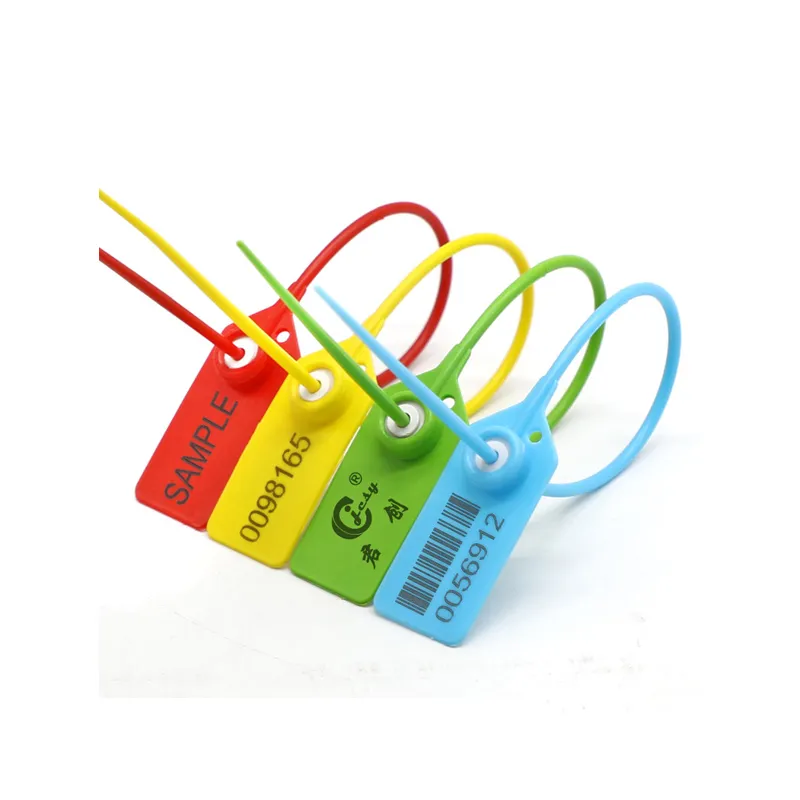
Typical Payment Terms for Security Seal Suppliers
Most security seal manufacturers in China operate on similar payment foundations, though the exact split depends on order size, customization level, and your existing relationship. I will break down the most common structures.
| Payment Method | Typical Terms | Buyer Risk | When to Use |
|---|---|---|---|
| T/T (Telegraphic Transfer) | 30% advance, 70% before shipment | Medium — you fund production before seeing finished goods | Standard for most orders over $5,000 |
| Letter of Credit (L/C) at sight | Bank guarantees payment upon document presentation | Low — bank handles verification | Large orders or first-time transactions with unfamiliar suppliers |
| T/T balance after B/L copy | 30% advance, 70% after receiving copy of bill of lading | Lower — you confirm shipment before releasing final payment | Established relationships or smaller repeat orders |
| Full advance T/T | 100% prepayment | High — avoid for new suppliers | Small sample orders under $500 |
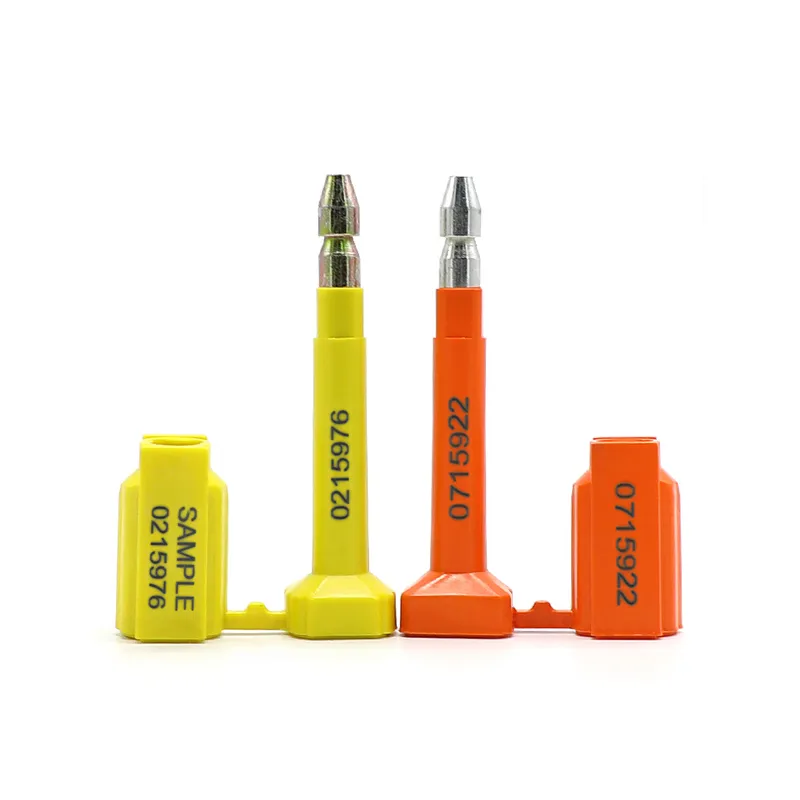
TT with a 30% deposit and 70% balance before dispatch is the industry baseline for bulk security seals. In our factory, we apply this to most container bolt seal and cable seal orders. The deposit covers raw material procurement, which a manufacturer cannot absorb on a first-time order without working capital risk.
L/C is less common for orders below $20,000 because of banking fees, but it offers solid protection when you are importing a full container of barrier seals or high-security bolt seals. I recommend it for initial transactions where you have not yet verified the supplier’s physical factory.
Evaluating a Supplier’s Financial and Operational Reliability
Before you negotiate a single percentage point on the advance payment, verify the supplier’s fundamentals. Over the years, I have seen buyers lose deposits to trading companies that presented themselves as factories, then failed to deliver. Three checks matter most:
- Factory registration and scope: Confirm the business license lists manufacturing as the primary activity, not just trading. A genuine seal factory will hold relevant production permits and, ideally, certifications like ISO 9001.
- Production capability: Request a video tour of the molding workshop, injection machines, and quality inspection area. A supplier that refuses a live video call is a red flag, regardless of the payment terms offered.
- Payment references: Ask for at least two existing clients who can confirm that the supplier honored the agreed payment schedule and delivered on time. I cannot overstate how often this simple step prevents losses.
If you are evaluating a new supplier and the terms seem too generous, pause. A manufacturer offering unusually low deposit requirements without a previous business history may be prioritizing short-term cash collection over long-term order fulfillment. Share your company profile and target order quantity with us at [email protected], and we can walk you through what standard payment terms should look like for your type of order.
Negotiation Strategies for Payment Terms
Negotiation succeeds when you approach it from the manufacturer’s cost structure, not just your own budget calendar. Here is what I have found effective in actual discussions:
The deposit negotiation. The standard 30% deposit can sometimes be reduced to 20% on orders above $50,000, but only if you can show a clear history of on-time payments. If this is your first order with a factory, expect to pay the full 30%. Trying to force a lower deposit on a first order signals transactional, short-term thinking, and many manufacturers will simply prioritize other clients.
Balance payment timing. Instead of paying the remaining 70% before the goods leave the factory, ask for “70% against copy of documents” — this means you release the final payment when you receive scanned copies of the bill of lading, packing list, and commercial invoice. This delays your payment by only a few days while giving you concrete proof of shipment. Factories that have shipped several orders with you typically accept this without complaint.
Tooling and customization costs. When you require custom molds for a new plastic seal design, the tooling cost is usually a separate upfront charge. That charge should be clearly documented, and ownership of the mold should transfer to you after full payment. Do not allow tooling costs to be folded into unit pricing, because that clouds your per-unit cost analysis and makes future price renegotiation harder.
Mitigating Payment Risks and Securing Long-Term Cooperation
The most valuable outcome of any payment negotiation is not the best possible terms for a single order. It is a framework both parties trust enough to repeat across years of business.
Use a structured escalation path. Start with a small trial order using T/T terms. Once the supplier proves reliable, move to a mix of T/T and L/C for medium orders. After four or five problem-free shipments, discuss open account terms for regular monthly orders if your credit profile supports it. This progression rewards performance with flexibility, which incentivizes the manufacturer to maintain quality.
Keep documentation clean. Every payment should be matched to a proforma invoice that details the product specifications, quantity, unit price, total value, estimated shipment date, and payment terms. I have resolved disputes faster when both sides could point to the exact proforma invoice number and clause. Wire transfer records should be saved and cross-referenced against the invoice.
Acknowledge that terms go both ways. A payment term discussion is not a competition. The manufacturer is financing raw material, labor, and overhead for weeks before collecting full payment. Recognizing that reality at the negotiation table, rather than treating the supplier as a counterparty to be squeezed, is what separates buyers who build stable supply chains from those who constantly chase new vendors.
Partner with a Trusted Security Seal Manufacturer
Aligning your payment terms with a manufacturer that values long-term cooperation reduces your sourcing risk from the first order. At Shandong Junchuang Lock Industry Co., Ltd, we maintain transparent payment structures for bolt seals, cable seals, plastic seals, and barrier seals. From sample orders to container loads, the terms are clear and documented upfront.
Start a conversation about your security seal requirements today. Send your product specifications, target quantity, and preferred delivery timeline to [email protected], or reach us by phone at +86 13853189290.
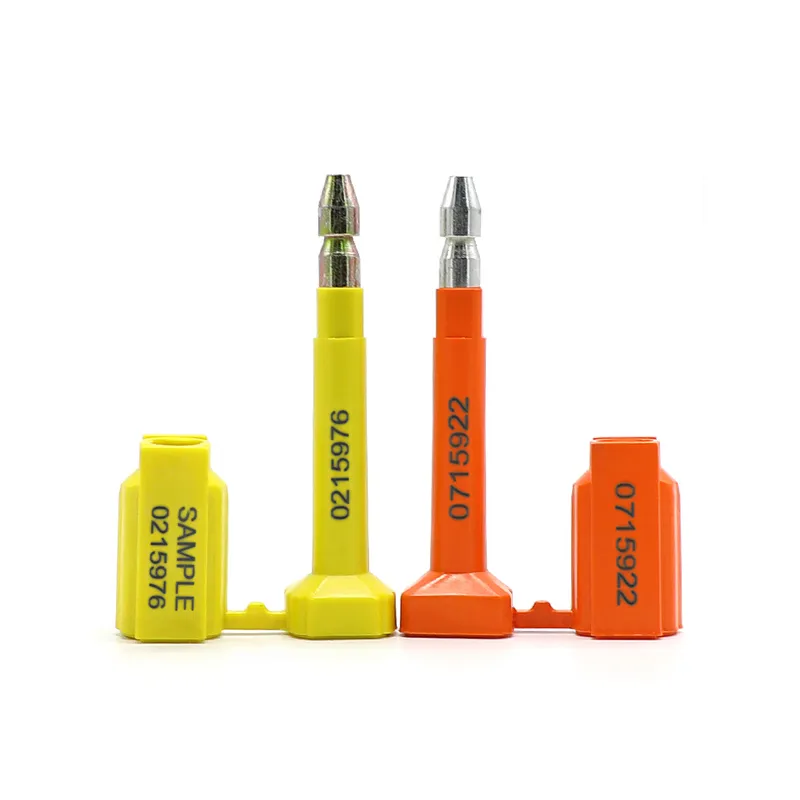
Questions Procurement Teams Ask About Security Seal Payment Terms
What is the safest payment method for a first-time security seal order from China?
A letter of credit at sight is the safest, because the bank verifies shipping documents before releasing funds to the supplier. If the order value is under $5,000, a LC may be impractical due to bank charges. In that case, use T/T with a 30% deposit and request the balance against a copy of the bill of lading. Avoid 100% advance T/T unless the order is a small sample under a few hundred dollars and you have verified the company registration.
Can I negotiate zero deposit?
In 15 years of manufacturing security seals, I have never seen a factory accept zero deposit on a first order. The raw material cost alone, especially for metal components in bolt and barrier seals, is significant. Pushing for zero deposit damages your credibility. A more productive approach is to request a lower deposit after you have completed several orders, which opens the door to more flexible terms.
Do I need trade assurance if I am already using a letter of credit?
Trade assurance through platforms like Alibaba adds an extra layer of protection for order quality and on-time delivery, not just payment safety. An LC protects your money. Trade assurance protects the goods themselves. For high-value orders where a quality failure would disrupt your supply chain, I recommend both.
How do payment terms differ between bolt seals and plastic seals?
The payment structure does not change much by product type. A bolt seal order and a plastic seal order of similar value will carry comparable deposit requirements. What changes is the tooling cost: custom bolt seal printing involves laser engraving dies, while plastic seals may require injection molds. Tooling costs are typically charged separately and paid 100% upfront regardless of the product.
What red flags should I look for in a supplier’s payment proposal?
A supplier who refuses to share a business license, cannot provide a factory address matching their license, or asks for a large deposit to a personal bank account rather than a corporate account is a clear risk. Also, be cautious if the payment terms are far below industry norms without a logical explanation. A 10% deposit on a first order is generous; it is more likely a tactic to secure cash than a sign of a well-run operation. If you are unsure about a term you have been offered, send the details to [email protected], and I will give you an honest assessment based on standard manufacturing practice.
If you’re interested, check out these related articles:
Custom Livestock Ear Tags: A Strategic Guide for Farm Efficiency – Junchuang Lock
Selecting a Security Seal Manufacturer: Strategic Vetting for Supply Chain Integrity – Junchuang Lock
High Security Bolt Seals: Critical Applications for Supply Chain Integrity – Junchuang Lock
ISO 17712 Certified Seal Manufacturers: Your Guide to Selection – Junchuang Lock