
Security seal dropshipping appeals to importers seeking low upfront investment and flexibility, but the model introduces hidden costs that surface once volume climbs. Bulk orders, purchased directly from a manufacturer, deliver lower per-unit pricing and batch-level quality consistency, yet demand storage, capital, and trust in your supplier. After fifteen years on the production floor, I’ve seen both approaches reshape a buyer’s supply chain in ways no pricing sheet captures. This comparison examines the real-world operational and financial trade-offs between dropshipping and bulk purchasing of security seals, from a factory’s perspective, to help you select the procurement path that aligns with your growth stage and cash flow realities.
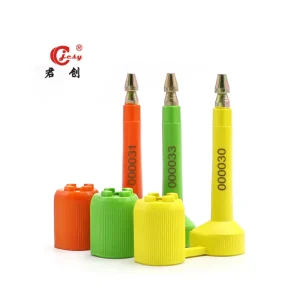
What Does Dropshipping and Bulk Ordering Mean for Security Seals?
Dropshipping for security seals works like this: the importer forwards a customer order to the manufacturer, who then packs and ships directly to the end user. The buyer never holds inventory. Bulk ordering is the traditional route—purchasing a large quantity upfront, warehousing it, and fulfilling orders from your own stock.
In our factory, dropshipping means we process orders as they arrive, label them per customer instruction, and dispatch single-piece or small lots. Bulk orders involve scheduled production runs: a specific mold setup, material batch, and inspection cycle dedicated to one lot. The fundamental difference is in planning depth. Bulk orders let us reserve production capacity weeks ahead, while dropshipping slots into available machinery windows. That scheduling reality directly shapes the costs and consistency we’ll examine next.
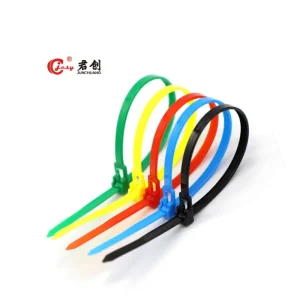
How Do Unit Costs and Pricing Structures Compare?
A security seal factory’s cost to produce one piece drops sharply as volume rises because setup, material procurement, and inspection are amortized over many units. We pass that efficiency to bulk buyers through tiered pricing. A sample structure looks like this:
| Volume (pieces) | Unit Price (indicative) | Typical MOQ |
|---|---|---|
| 1,000–5,000 | $0.12–$0.18 | Yes |
| 5,000–20,000 | $0.09–$0.12 | Yes |
| 20,000+ | $0.07–$0.09 | Negotiable |
Dropshipping pricing, by contrast, is flat. We charge a per-piece rate that covers material, labor, single-order handling, and outbound shipping. There is no volume break. For an importer moving 500 pieces a month, the per-unit savings from bulk would typically exceed 20% after factoring out shipping—a gap that widens as volume grows. I’ve seen buyers start with dropshipping because the unit cost looks acceptable, then realize after six months that the cumulative overpayment could have funded a bulk shipment’s freight and stocking.
What Operational Impacts Should You Expect?
Lead Time and Production Scheduling
Bulk orders with a confirmed purchase order receive a production slot. We commit to a ship date. Dropshipping lead times are variable; the factory processes them when capacity allows. During peak season—before holiday cargo rushes—bulk orders get priority, while dropshipping orders may wait an extra five to ten working days. If your business relies on guaranteed delivery windows, that variability matters.
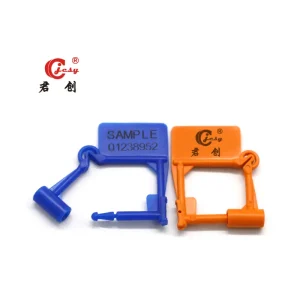
Inventory Management and Warehousing
Bulk purchases shift inventory holding cost and risk to you. You need shelf space, insurance, and working capital. Dropshipping eliminates that, but the factory then bears the inventory burden, which is priced into the unit cost. In practice, we keep buffer stock for regular dropshipping clients, but that stock is not dedicated to a single buyer. If a large bulk order depletes inventory, the next dropshipping request may face a stock-out and additional lead time.
Quality Control and Batch Consistency
For a bulk production lot, we conduct statistical sampling per AQL standards across the entire batch. We check dimensional accuracy, marking clarity, locking mechanism integrity, and, for high-security items, tensile test a sample. The entire batch shares the same material heat and mold condition, so consistency is high. With dropshipping, each order pulls from whatever finished stock is available, potentially from different production lots. While we inspect every piece visually before shipping, that single-unit check cannot match the depth of batch-level testing. If your end users demand lot traceability or uniform appearance, bulk ordering provides control that dropshipping cannot.
How Does the Supplier Partnership and Scalability Differ?
Reliability and Commitment
When you place a quarterly bulk order, you become part of our production schedule. We prepare raw materials in advance, allocate machine time, and assign a quality supervisor to your run. Dropshipping clients, even long-term ones, are processed on a transactional basis. The relationship is thinner. I’ve seen distributors grow frustrated when a dropshipping arrangement failed to deliver during a demand spike, while bulk buyers with reserved capacity sailed through. That reliability difference is not a service failure; it is a structural feature of the two models.
Scaling Your Operation
Growing from 2,000 to 10,000 pieces a month is straightforward with bulk purchasing: you increase the purchase order size and negotiate the next tier. With dropshipping, you multiply order frequency, which strains the factory’s scheduling, increases per-order handling costs, and can inadvertently lead to longer lead times as the factory juggles competing small orders. At some volume, dropshipping becomes the bottleneck, not the enabler.
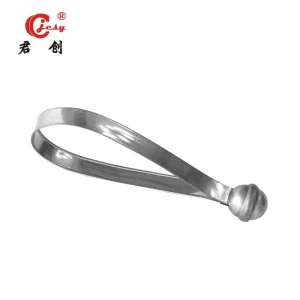
Which Procurement Model Fits Your Business Type?
There is no universal answer, but a clear decision framework emerges from the operational realities above. If you are testing a new market with uncertain demand, dropshipping lets you enter without capital risk. Once monthly sales exceed roughly 500 pieces, the cost advantage of bulk purchasing typically outweighs inventory carrying costs. For importers distributing a stable product line with predictable turnover, bulk orders from the start build a cost structure that supports better margins and more reliable fulfillment. A hybrid approach—purchasing a core inventory bulk lot while using dropshipping for low-volume variants—often works for businesses managing diverse seal types.
If you’re unsure which path suits your current volume, reach out with your required seal type, specifications, and target monthly quantity. We’ll provide a tailored pricing comparison and help you plan a sourcing model that matches your growth stage. Contact us at [email protected] or call +86 13853189290.
Common Questions About Security Seal Procurement
Can I start with dropshipping and later switch to bulk orders with the same factory?
Yes, we’ve supported many importers through that transition. Once your monthly volume justifies bulk, we convert your account: we set up a dedicated production order, agree on an MOQ, and begin scheduling bulk runs. The key is communication—we need a forecast so we can prepare material and capacity, preventing supply gaps during the switch.
How does dropshipping handle custom branding and seal numbering?
Custom printing, sequential numbering, and logo marking require mold or printing setup, which is done at the production batch level. Even for dropshipping, we can incorporate custom markings if you place a bulk order for pre-printed stock that we then draw from for dropship fulfillment. Without that bulk order, per-order setup fees may apply, making customization uneconomical for single pieces.
What is the typical MOQ for bulk security seal orders?
It depends on the seal type. Simple plastic seals may have an MOQ of 1,000–3,000 pieces. High-security bolt seals or cable seals often require 500–2,000 pieces because of more complex assembly and testing. Provide your exact specifications, and we’ll give you an accurate MOQ and lead time for your specific product.
How can I be sure of quality with dropshipping orders?
Request pre-shipment photos of the actual pieces before dispatch, and ask for the factory’s incoming or final QC records. We can include a basic inspection sheet with each dropship lot showing visual, dimensional, and functional checks. While not as thorough as batch-level sampling, this adds a layer of verification that many of our dropshipping clients rely on.
Is dropshipping more cost-effective for very low volumes?
For monthly volumes under 500 pieces, dropshipping typically saves money because you avoid warehousing, freight consolidation, and inventory carrying costs. However, watch the per-order shipping expense; if your end customers are spread across multiple countries, shipping costs can erode the savings. Share your expected volume and destination markets, and we’ll confirm the most cost-effective sourcing path.
If you’re interested, check out these related articles:
Bolt Seal Locking Mechanism: Security & Tamper Evidence – Junchuang Lock
ISO 17712 Certified Seal Manufacturers: Your Guide to Selection – Junchuang Lock
China Bolt Seal Factory Direct Purchase Maximizing Supply Chain Security – Junchuang Lock
ISO 17712 Bolt Seals: Essential Buying Guide for Security – Junchuang Lock