
Many importers find that the hardest part of sourcing security seals isn’t finding a supplier — it’s keeping quality consistent across repeat orders. Price-driven selection often leads to disappointing batch variance and late deliveries. A durable long-term seal manufacturer partnership is built on something deeper: a factory’s systematic quality control, transparent communication, and demonstrated willingness to invest in production capabilities. I’ll walk through five practical steps, drawn from over fifteen years on the manufacturing floor, that separate a reliable long-term partner from a transactional supplier. These are not theoretical checklists; they reflect what our factory does every day to sustain partnerships that span years, not just shipments.
Assessing a Seal Manufacturer’s Production Capability
Before you commit to a long-term arrangement, verify the factory’s technical backbone. Certification matters, but it’s only the starting point. ISO 17712 compliance confirms the seal meets basic tamper-evidence and tensile strength thresholds. You should also ask whether the certification is current and backed by an accredited third-party auditor — I’ve encountered factories that let certificates lapse without updating.
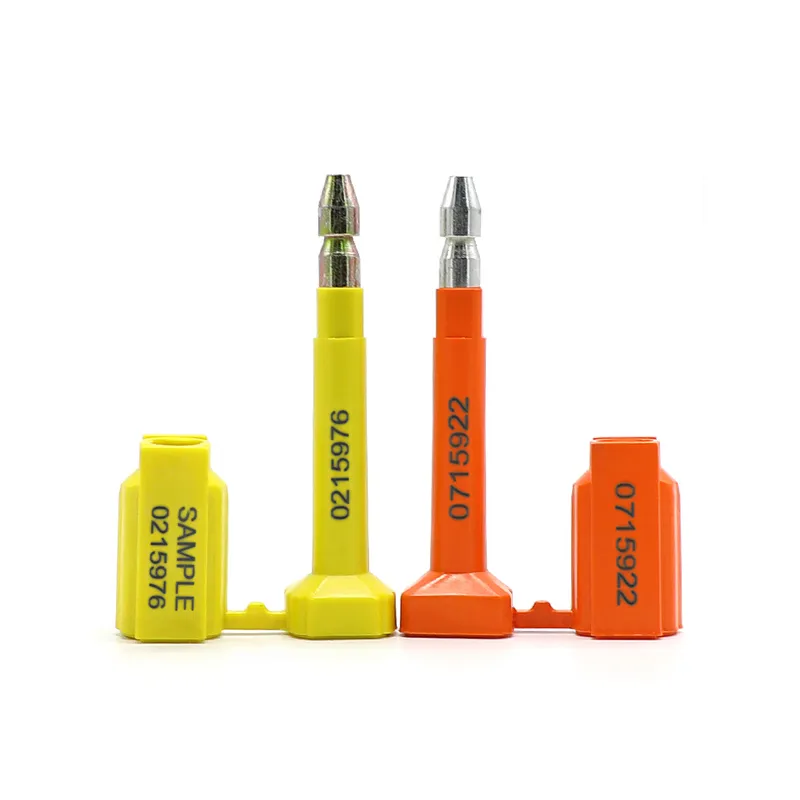
More telling is the production floor itself. A partnership-ready manufacturer will show you more than a finished product sample. Look for evidence of in-house mold making and tool maintenance. When a supplier relies entirely on outsourced molds, lead times stretch and design adjustments become expensive. Our injection molding workshop integrates mold design, so when a logistics client needed a modified bolt seal barrel length for irregular container latch sizes, we turned the revision around in ten working days.
Material traceability separates consistent batches from guesswork. Ask whether the factory maintains lot-level records from raw plastic resin or zinc alloy ingots to each shipment. This chain of custody documentation becomes critical if a batch ever fails inspection at the destination port — you need to know exactly which production run to quarantine, not just which container.
A quick production capability checklist helps structure your evaluation:
| Production Factor | What to Examine |
|---|---|
| ISO 17712 certification | Current certificate, testing lab name, re-certification cycle |
| Mold and tooling | In-house tool shop, CAD design turnaround time |
| Material sourcing | Supplier approvals, raw material test certificates per batch |
| In-line quality control | Sampling plan, tensile strength test frequency, defect recording |
| Scalable capacity | Number of injection lines, shift structure, peak-season backlog |
When visiting a factory, don’t just look at the finished goods. Spend time at the quality station. A factory that applies 100% inspection on critical security features like the bolt seal locking ring or cable seal crimp integrity signals that they care about your downstream compliance, not just shipping boxes.
Key Operational Signs of a Partnership-Ready Manufacturer
A factory’s operational habits tell you more about long-term reliability than its price list. Over fifteen years, I’ve learned that the strongest predictor of a successful long-term seal manufacturer partnership is communication style, not brochure polish.
First, watch how the manufacturer handles a quality deviation. Every factory occasionally ships a non-conforming product. The test isn’t whether it happens — it’s what happens next. Does the supplier notify you proactively when they detect an in-process anomaly, or do they hope you won’t notice? Our operations team calls clients the same day if a production batch shows a marginal result on a pull-test, even if the result falls within specification. We share the data, explain the root cause, and confirm corrective action. That transparency builds trust stackable enough to hold a multi-year contract.
Second, flexibility with order quantities matters more than initial MOQ. Some factories push for high minimum orders but then struggle with urgent partial shipments. A partner-oriented manufacturer demonstrates the ability to adjust. If a port clearance delay suddenly requires 2,000 additional bolt seals shipped in three days, a factory with raw material stock and flexible shift scheduling can respond. We keep safety stock of common seal components specifically for long-term clients because their supply chain continuity is our priority.
Third, evaluate whether the manufacturer offers proactive suggestions — not just price concessions during negotiation, but ideas that improve your sealing program. When a cold chain logistics customer mentioned frequent seal breakage in sub-zero handling, our engineering team proposed a polypropylene blend with better low-temperature impact resistance. They didn’t just sell a seal; they improved the specification. That’s the difference between a supplier and a partner.
Structuring a Long-Term Cooperation Agreement
Moving from occasional orders to a sustained partnership requires an agreement that addresses more than unit price. I’ve seen too many relationships sour because both sides assumed the other understood the unwritten expectations. Put the following elements on paper.
Define the quality acceptance standard explicitly. Instead of “ISO 17712 compliant,” specify the exact test parameters: minimum tensile strength, elongation percentage, and environmental conditioning if the seals will be used in extreme climates. Attach a signed type sample and reference it in the contract. This prevents disputes when a later batch “looks different.”
Agree on a pricing review mechanism tied to raw material indices. Security seals containing zinc alloy or engineering-grade polycarbonate are subject to commodity price shifts. A fixed annual price without a material adjustment clause leaves one side absorbing all the risk. We typically structure contracts with a quarterly review against published resin and metal indexes, with a cap on any single adjustment.
Lead time commitments need cushion for reality. If the factory promises 14-day turnaround but historically needed 21 days during peak shipping season, the contract should reflect actual performance, not aspiration. Include penalty clauses for chronic late delivery, but also build in a volume forecast — the more predictable your order cadence, the more the factory can reserve production slots.
Communication protocols matter. Designate a single point of contact on each side for day-to-day order management and a separate escalation path for quality or contractual issues. We assign a dedicated account manager to each long-term partner, not a rotating pool of sales staff.
If your program involves high-volume shipments and you’re managing a multi-region supply chain, confirming these contractual details with a manufacturer before finalizing your BOM is worth the time. Reach out to discuss your specific terms: [email protected].
Measuring the ROI of a Sustained Supplier Partnership
Procurement managers sometimes hesitate to commit to a single seal manufacturer, fearing they’ll lose competitive pricing leverage. In practice, a stable partnership frequently reduces total cost of ownership in ways a spot-buy spreadsheet misses.
The table below illustrates the typical cost difference over a twelve-month cycle of 100,000 mixed seals:
| Cost Category | Transactional Buying | Long-Term Partnership |
|---|---|---|
| Unit price | $0.12–$0.15 per seal | $0.11–$0.13 per seal (volume-stabilized) |
| Incoming inspection | 2% sample test per shipment; 1–2 failures per year requiring 100% sort | Reduced sampling based on trusted history; fewer no-notification batch issues |
| Re-sourcing cost | Average 60 hours annually to re-qualify new suppliers | Near zero; existing qualification maintained |
| Downtime from late delivery | Occasional stockouts causing operational delays | Buffer stock maintained; lead time reliability avoids gaps |
| Compliance risk | Higher likelihood of rejected shipments at customs for inconsistent seal strength | Consistent compliance documentation, fewer holds |
Beyond numbers, a long-term partner absorbs institutional knowledge about your sealing program. They know which container types you ship, the typical route stress, and your labeling preferences. This context disappears each time you switch suppliers. Our regular clients send a part number and delivery date; new ones spend weeks on specification alignment.
Moving from Sampling to Stable Long-Term Partnership
The transition from evaluating samples to placing regular production orders is where many promising relationships stall. Here’s a straightforward path.
Start with a small but real trial. Order 500–1,000 seals of the exact specification you intend to scale. Do not test with one design and then switch to a cheaper material for production. The sample must mirror the production reality, including laser marking, serialization format, and packaging.
Establish a structured feedback loop. After receiving the trial shipment, send photographs of any seal applied to your asset, note whether the locking mechanism engages smoothly, and record pull-test results if you have access to a tensile tester. We encourage new partners to send this feedback within the first week so we can adjust machine settings before the next production run.
Agree on quality benchmarks before scaling. If your program requires tamper-evident features that survive salt-spray exposure, specify the test standard and minimum hours. Jointly sign off on a retained sample. This becomes the reference standard for all future batches, not a fresh negotiation each time.
Schedule quarterly business reviews, even if they’re a thirty-minute call. Topics should include upcoming volume changes, any new seal requirements from your downstream customers, and feedback on documentation quality. In our experience, the partnerships that last the longest are the ones where communication cadences don’t fade after the first container ships.
Building a multi-year supply relationship isn’t complicated, but it does demand deliberate investment on both sides. The payoff is a supply chain where seals are never the bottleneck.
Turning Insight into Action: Your Partnership Roadmap
The difference between a source of ongoing headaches and a reliable security seal supply can often be traced back to the evaluation steps taken before the first bulk order. When buyers focus solely on unit cost, they overlook production capability, transparent communication, and operational flexibility — the very qualities that prevent cargo delays and compliance failures over time.
A genuine long-term seal manufacturer partnership is not a discount agreement. It’s a shared commitment to consistent quality, predictable lead times, and continuous improvement. The manufacturer should prove their process, not just their price.
If you’re ready to move beyond transactional sourcing, we’re prepared to demonstrate our production systems in detail. Send your part numbers, quantity projections, and any special performance requirements to [email protected] or reach us at +86 13853189290 (WhatsApp available). We’ll return a sample and a partnership proposal tailored to your logistics program.
Common Questions About Seal Manufacturer Partnerships
What separates a true long-term partner from a standard supplier?
A standard supplier fills purchase orders. A partner invests in understanding your operation and improves the product accordingly. In our factory, partnership means we track your order history, anticipate seasonal volume spikes, and recommend material alternatives when a specific seal grade is discontinued — actions that go beyond a simple invoice. The key signal is whether the manufacturer proposes improvements without being asked.
How do I verify a manufacturer’s quality consistency beyond the initial order?
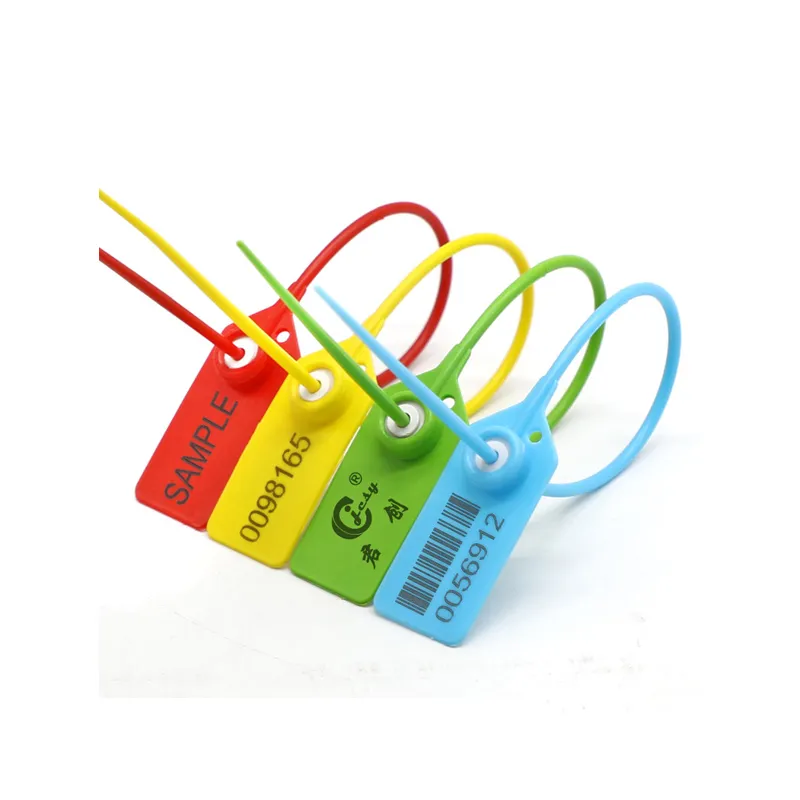
Request batch-level test certificates with every shipment. For bolt seals, ask for the tensile test report against ISO 17712 clause 6.1; for plastic seals, ask for tamper-evidence breakage force data. Compare these reports over three shipments. Consistent values with minor variation indicate a stable process. Rising scatter suggests production drift. Additionally, request an unannounced video call showing in-line quality checks — many factories that claim 100% inspection cannot demonstrate it on short notice.
What is the typical MOQ for a long-term partnership order?
There is no universal number. MOQ depends on raw material procurement, mold setup time, and production efficiency. Partnerships often lead to more flexible MOQ because the factory can aggregate your orders with other steady-volume clients. We have long-term partners who order as few as 2,000 pieces per line item while still receiving preferential pricing, because the predictability of their quarterly schedule allows us to plan production efficiently.
Can a seal manufacturer adapt designs as my needs change?
Most can, but the speed depends on whether they control their own mold making and material blending. A factory that outsources tooling may take weeks for a simple dimensional change. When we receive a modification request from an existing partner, we typically produce a revised sample in five to ten working days because mold design and production are under the same roof. The real test is not whether they say yes, but how few external suppliers they rely on to execute the change. If your sealing requirements are likely to evolve, discuss their in-house engineering capacity before committing. Share your expected design change frequency and we’ll outline how our process supports product iterations.
If you’re interested, check out these related articles:
Lead Seal vs Plastic Meter Seal: Ultimate Security Comparison – Junchuang Lock
Wholesale Bolt Seals for Shipping: Enhancing Global Logistics Security – Junchuang Lock
Nylon Cable Tie Selection: A Strategic Guide for Industrial Procurement – Junchuang Lock