
Cargo theft rarely starts with a broken container. It starts when someone can open a door, take a portion of goods, and reseal the entry point before anyone checks. Security seals prevent cargo theft only when the seal type, tensile strength, marking, and handling controls match the load and route. After fifteen years in seal manufacturing, I have seen too many shipments protected by a seal that could be removed and replaced without leaving evidence. The sections below map the seal decisions that close off theft opportunities, from high security bolt seals to simple plastic seals, and the procurement checks that stop a weak seal becoming a false guarantee.
How Do Security Seals Prevent Cargo Theft?
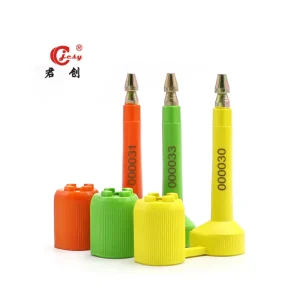
A security seal does not stop a determined thief with time and heavy tools. It changes the risk calculation and creates a chain of proof. A numbered bolt seal on a container door is visible from the ground. If someone cuts it and replaces it with a new seal, the serial number no longer matches the shipping document. That mismatch is the theft signal. Without the seal, an opened door can be closed and no one knows. With a properly recorded high security seal, the opening becomes a specific event with a specific location and a specific handler.
On cross border routes, the seal gives customs officers a second reference point. Officers compare the number on the cargo manifest with the seal on the door. A missing or substituted seal invites inspection and delays. In our factory, we print each bolt seal with clear serial numbers and lot marks so field teams can read them without tools. This is where basic plastic seals differ. They mark access and show tamper evidence on light duty closures, but they do not carry the same mechanical resistance as an ISO 17712 high security bolt seal.
Which Seal Types Match Different Cargo Theft Risks?
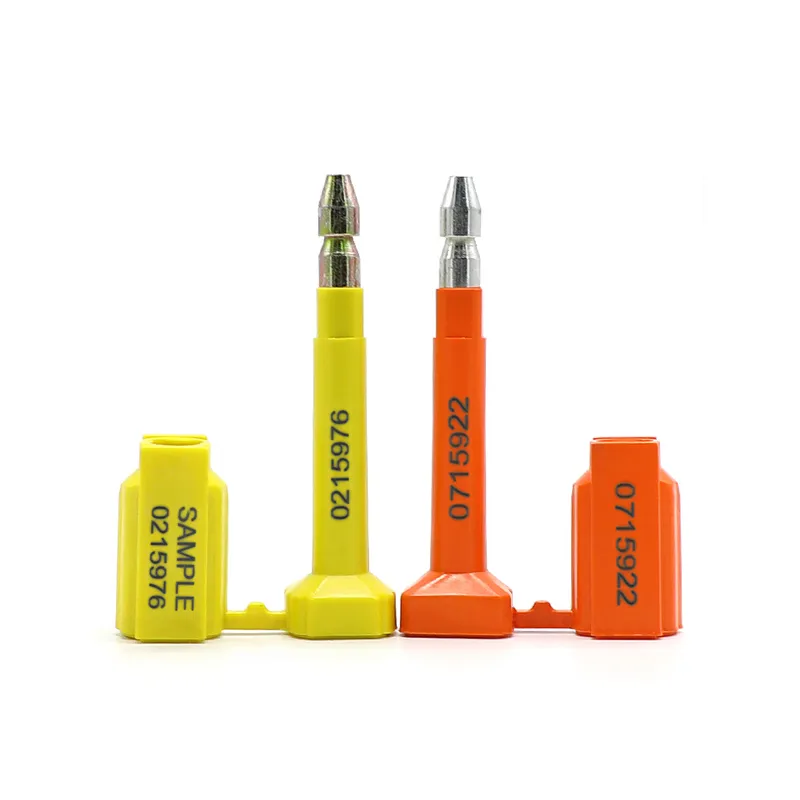
The right seal is not the strongest one on the shelf. It is the one that fits the closure and the level of theft risk. A full container door with high value export cargo needs a high security bolt seal. A tanker hatch or rail hasp that cannot accept a fixed bolt often works better with an adjustable cable seal. A trailer latch or inner door may only need a heavy duty plastic seal or metal strap seal that shows entry but is not expected to resist sustained attack.
| Seal type | Best use in cargo theft prevention | Key limitation |
|---|---|---|
| Bolt seal | Container doors, high value export cargo, high security routes | Fixed length, cannot adjust to irregular hasps |
| Cable seal | Tanker hatches, rail cars, trailer doors with variable gaps | Higher unit cost than basic plastic seals |
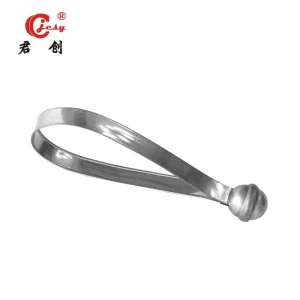
| Metal strap seal | Inner doors, tote boxes, short distance hauls | Lower tensile strength than bolt seals |
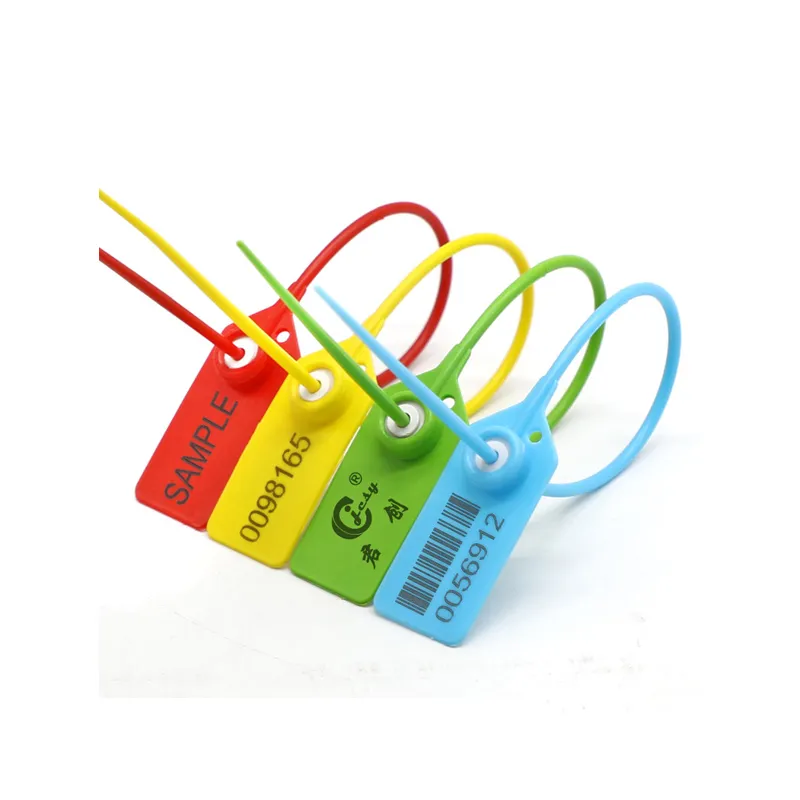
| Plastic seal | Cartons, light closures, utility access points | Breaks under moderate force, not a high security barrier |
Serial numbers and barcodes matter at the receiving dock. The seal type only protects cargo if the number on the door matches the number on the delivery note and the number on the purchase order.
If your loads mix container doors, rail hasps, and truck trailers, a single seal spec rarely covers all three. Confirm the correct seal type, tensile rating, and marking format against your actual route before you finalize the purchase order. Send your seal type and quantity to [email protected] and we will match the production specification to the closure.
Why Do High Security Seals Still Fail Without Handling Controls?
High security seals create security only if people handle them with discipline. Reviewing inspection reports, I have seen repeated cases where the seal was intact, but the serial number on the door did not match the shipping document. The trailer had been opened and closed again somewhere between loading and delivery. The seal worked; the process failed.
Common handling failures include:
- Seal serial not written on the bill of lading or delivery note
- Gate staff comparing color instead of the full serial number
- Drivers carrying spare seals in the cab, which creates a substitution risk
- Damaged seals replaced without recording the replacement number
In our production planning, we print serials in blocks and pack them in cartons with matching labels. The warehouse can then issue seals against a loading list and record each number before the door closes. The physical seal is only half the system. The recorded number is the other half.
How Should Procurement Compare Cargo Seal Suppliers?
Procurement should look past the sample price and check the documentation and batch consistency. I ask buyers to treat a seal supplier the same way they treat any precision component supplier. A cheap seal with no traceable test report shifts the risk back onto the buyer.
- ISO 17712 certificate: request the test report, not just a logo on a quotation
- Marking permanence: laser or hot stamp marking must survive weather and handling
- Batch records: each lot should have traceable raw material and production data
- In house tooling: a factory that controls molding and assembly holds tolerances better than one that outsources steps
At our factory, every high security bolt seal is checked for dimension and tensile sampling before packing. The serial range, lot number, and production date stay on record. A buyer who cannot get that record from a supplier is buying an unknown product, no matter how polished the quotation looks.
What Should You Confirm Before the Next Loading?
A cargo theft claim usually costs far more than the seal. The seal is cheap insurance, but only if it matches the door, the route, and the way your team records numbers. Shandong Qingyun Junchuang Lock Industrial Co., Ltd. produces bolt seals, cable seals, plastic seals, metal strap seals, and padlock seals at our Shandong factory. Send your part number, quantity, seal type, and destination route to [email protected] or call or message WhatsApp at +86 13853189290. We will confirm stock, compliance documentation, and the right specification before you commit the order.
What Else Do Shipping and Procurement Teams Ask?
Is a plastic seal enough for domestic truck loads?
It depends on the cargo value and the route profile. For low value goods moving short distances with regular gate checks, a numbered plastic seal is often enough. It records access and shows tamper evidence quickly. For high value goods, a plastic seal alone is not a barrier. A thief can break one by hand and replace it if a replacement is available. Match the seal to the loss value and the time the load sits unattended. A truck loaded with electronics and parked overnight at an unlit yard needs more than a plastic seal.
Do all high security bolt seals meet the same ISO 17712 level?
No, ISO 17712 does not mean every marked seal performs the same. The standard defines indicative, security, and high security classes. High security seals must pass defined tensile and shear tests and be certified by a third party. A supplier may print the phrase high security on a seal without a test report. Request the test certificate, not just the marking, and check whether the certificate covers the exact model and lot you are buying. Two seals can look identical and behave very differently in the field.
Can a cable seal replace a bolt seal on a container?
Cable seals can secure container doors, but bolt seals remain the default for full door hasps. A cable seal adjusts to irregular hasps and works well on tankers and rail cars. The tradeoff is cost and handling. On a standard container, a bolt seal gives a harder proof point and a cleaner removal inspection. Use a cable seal when the closure cannot take a fixed bolt or when the load needs a variable length. If the route requires the highest mechanical resistance, stay with a certified high security bolt seal.
How do we store seals before loading to keep tamper evidence reliable?
In shipping operations we work with, we ask warehouse teams to keep seals in a locked cabinet and issue them against loading records. The seal serial number is recorded before it leaves the store. Loose seals left in a driver’s cab or open dock area invite substitution. Damaged seals should be logged and destroyed, not returned to the box. If you are not sure how to store or inspect your seal type, share your loading workflow at [email protected] and we will recommend a handling procedure matched to the seal and route.
If you’re interested, check out these related articles:
ISO 17712 Bolt Seal Manufacturer Comparison Guide – Junchuang Lock
Weather Resistant Seal Selection: Mastering Environmental Durability – Junchuang Lock