
Container seal tracking works only when the seal number is recorded before the container doors close and checked against the shipping paperwork at every handoff. In fifteen years of manufacturing bolt seals, cable seals, and plastic security seals, I have seen cargo disputes become unmanageable because the seal record was incomplete, not because the seal itself failed. A reliable system records the unique number, photographs the fitted seal, logs the date and location, and requires the next handler to confirm the same number before unloading. The steps below cover the checkpoints that matter at receiving.
Container Seal Tracking Starts Before the Seal Is Fitted
Before any tracking record exists, the seal choice has to match the cargo and the locking point. A high-security bolt seal is the standard for container doors on international routes because it is single-use and carries a unique number on both the bolt and the barrel. A cable seal fits irregular latch points, tanker valves, and rail doors. A plastic security seal works for lighter domestic loads and short-haul cartage where a lower-cost visual indicator is enough. A metal strap seal is common for railcars and truck latches that need a stamped number on a flat strap.
The table below shows how the main seal types differ for tracking purposes.
| Seal Type | Typical Use | Tracking Characteristic |
| Bolt Seal | Container doors, ISO 17712 high security | Unique number on bolt and barrel, single-use |
| Cable Seal | Tanker valves, irregular latch points | Adjustable cable, number printed on locking body |
| Plastic Security Seal | Light duty doors, tote boxes | Pull-tight, low cost, sequential numbering |
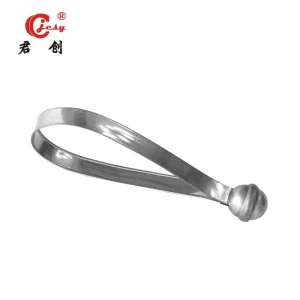
| Metal Strap Seal | Railcars, truck latches | Stamped number on metal strap |
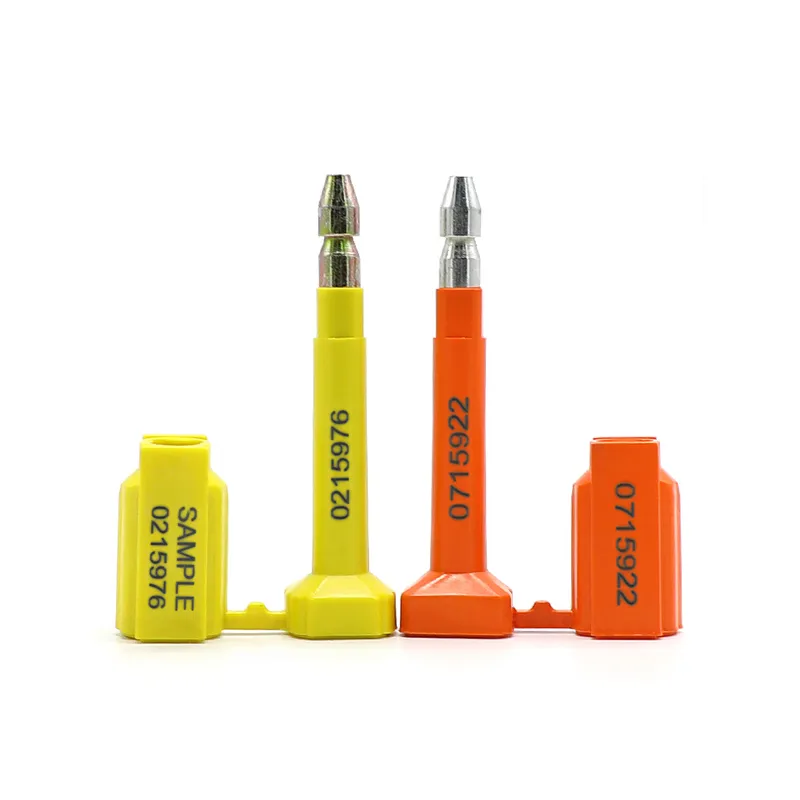
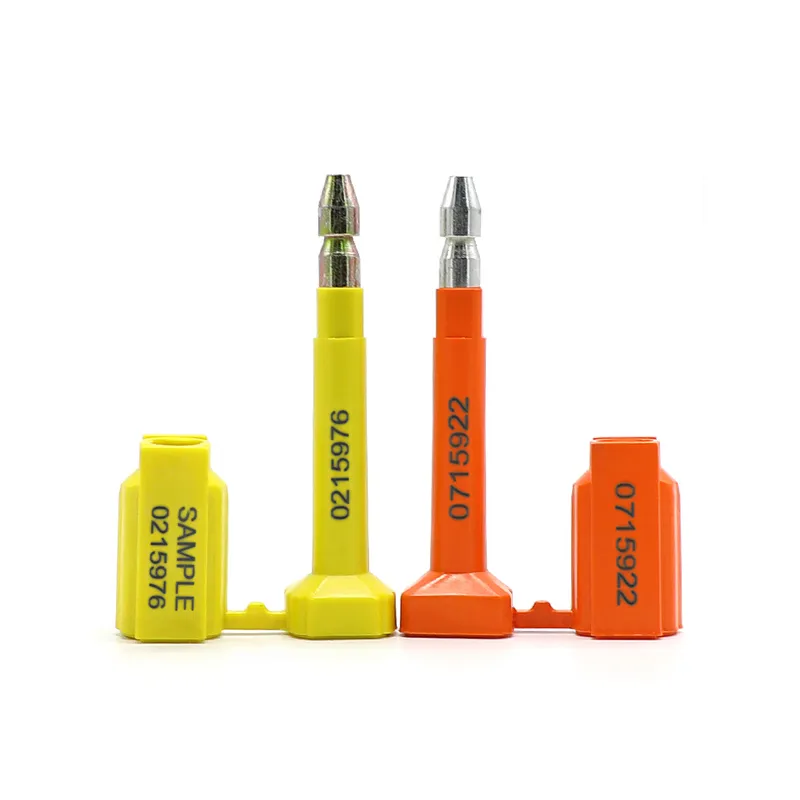
I treat the seal as part of the loading paperwork, not as an afterthought. We print serial numbers on both bolt and barrel because one surface can get scratched or covered before the receiving inspection. If the number is missing from the seal surface, the tracking record still has the second location to reference. But that only works when someone records both numbers before fitting.
A Tracking Record Turns a Seal Number Into Proof
A seal number without a matching document is not a tracking record. The record has to show who fitted the seal, when, where, and what condition it was in at that moment. I have seen a carrier claim that a seal was already broken at pickup because the shipper never photographed the fitted seal. When the only record is a number typed into a delivery note, the dispute comes down to word against word.
The record should include the seal number, the date and time, the loading location, the person who fitted the seal, and the condition of the seal after fitting. A photograph of the installed seal is the strongest single piece of evidence, but it has to show the number clearly enough to read. For high-value loads, we recommend sending the seal number to the consignee through a separate message from the shipping documents. That separation means a driver or intermediary cannot change the number later without leaving a mismatch.
The Container Seal Tracking Process Runs From Loading to Delivery
The process itself is straightforward, but every step depends on the person at that point doing one small check. These six steps apply to container loads, truck loads, and any shipment where the receiver must verify that the seal has not been replaced.
- Record the seal number on the loading checklist before fitting the seal.
- Fit the seal through the locking point and tighten it fully so the number faces outward.
- Photograph the fitted seal so the number and the locking position are visible.
- Record the date, time, location, and name of the person who fitted the seal.
- Send the seal number to the consignee or freight forwarder separately from the standard shipping documents.
- At receiving, compare the seal number and physical condition against the record before opening the doors.
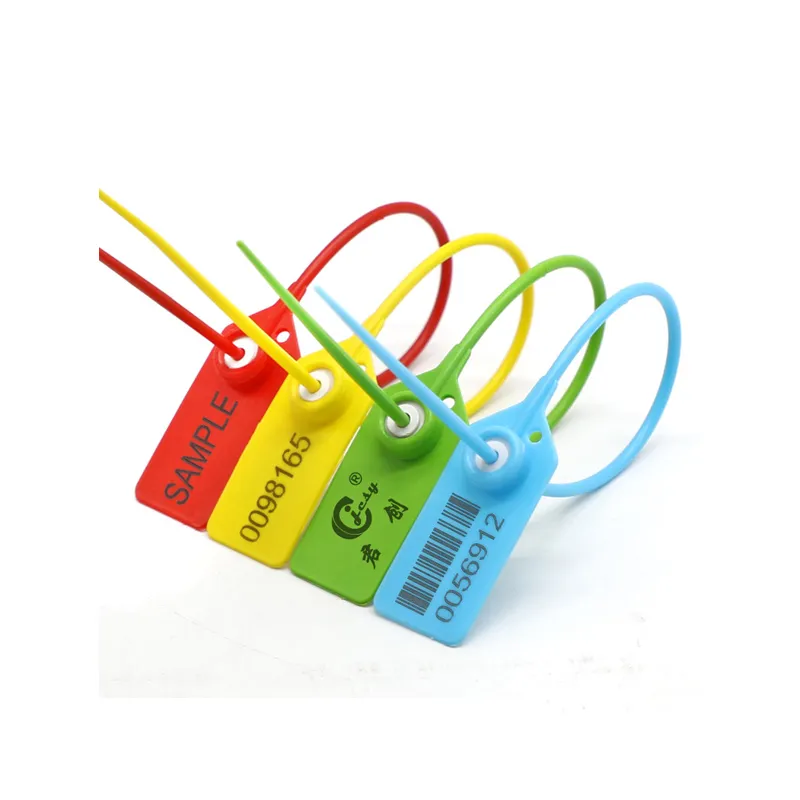
The fifth step is the one that gets skipped most often. When the seal number travels only inside the same document packet as the cargo, replacing the seal and changing the paperwork becomes much easier. An independent message creates a second path for the number, so any mismatch at destination has to be explained. In our factory, we also maintain sequential numbering control on production batches, which makes it easier to identify when a seal came from a different lot than the order record.
For programs with multiple handlers or mixed domestic and export lanes, confirm that the seal supplier can keep the same number sequence across different seal types. That detail is easy to miss until a receiving team compares two seals with different formats and flags a false mismatch. Send your lane list and seal types to [email protected] for a specification check.
Seal Number Mismatches Stop Container Seal Tracking Until Verification
No seal can stop a determined thief with time and tools. The point of container seal tracking is to make interference visible, not to make the container impossible to open. A broken seal, a scratched number, a replacement seal, or a number that does not match the document all carry the same instruction: stop and verify before unloading.
I have seen a cut plastic seal replaced at a yard because the gate clerk only checked that a seal was present, not whether the number matched. The replacement looked similar enough to pass a glance. The consignee noticed the different color at the final inspection and rejected the load until the matter was resolved. If the gate clerk had checked the seal number against the delivery note, the issue would have been caught at the first handoff.
When a mismatch appears, the receiving team should photograph the seal from multiple angles, note the condition on the delivery receipt, and contact the shipper before breaking the seal. In international lanes, customs or the carrier may also need to be called in for a formal inspection. The exact procedure depends on the country and the value of the cargo, but the first action is always the same: keep the seal in place and document the mismatch.
Supplier Verification Strengthens Container Seal Tracking
Most tracking failures start at the seal specification stage, not at the warehouse. A buyer who orders a seal without confirming the numbering format, the locking length, or the strength rating for the route cannot fix that mismatch later with tighter receiving discipline. For programs with cross-border container moves or multiple handling points, it is worth confirming those details with the manufacturer before the seal enters the supply chain.
At Shandong Junchuang Lock Industry Co., Ltd., we check these details on every order because the seal record is only as useful as the seal specification behind it. Send your seal type, monthly volume, and destination requirements to [email protected] or call us at +86 13853189290. We will confirm the correct seal specification, numbering format, and strength rating for your routes, and we will recommend the tracking record format that fits your receiving process.
Buyers Ask These Container Seal Tracking Questions
What is the most reliable container seal for tracking?
For international container doors, an ISO 17712 bolt seal is the most reliable choice because it is single-use and carries a unique number on both the bolt and the barrel. Cable seals and metal strap seals can also be tracked, but their strength and tamper evidence levels vary. The right seal depends on the locking point and the cargo value. A high-value cross-border load normally calls for a high-security bolt seal, while a short domestic run may only need a numbered plastic pull-tight seal.
Can a container seal be reused if the number is still readable?
A readable number does not make a seal reusable. Bolt seals and pull-tight plastic seals are designed for single use because the locking mechanism cannot be released without cutting or damaging the component. Cable seals are also single-use once the cable is cinched and locked. Reusing a seal creates a false record: the number still matches the paperwork, but the seal has been off the cargo at least once. That gap defeats the entire purpose of tracking.
What should a warehouse do if the seal number does not match the delivery document?
The action depends on whether the goods have already been unloaded. If the container is still sealed, the receiving team should photograph the seal, note the mismatch on the delivery receipt, and contact the shipper before breaking the seal. If the seal was already removed, the team should stop the goods from moving further, photograph the removed seal and its number, and record which employee broke the seal and when. In both cases, do not sign a clean delivery receipt until the mismatch is resolved.
Do customs authorities require a specific container seal for international shipments?
In export programs we supply, the standard requirement is usually an ISO 17712 high-security bolt seal, but each destination country can apply its own rules. Some customs programs require the seal number to appear on the manifest or the transit document, and a few require a photograph of the fitted seal for certain cargo categories. The safest path is to confirm the requirement for the specific lane before ordering. Share your destination country and cargo type with us at [email protected] or +86 13853189290, and we will confirm which seal standard fits your route.
If you’re interested, check out these related articles:
Wire Seal Use in Utility Meters: Securing Revenue & Integrity – Junchuang Lock
What is an Animal Ear Tag: Essential Livestock Identification Systems – Junchuang Lock