
Utility meters sit at the heart of revenue collection for energy, water, and gas providers. When someone tampers with one, the losses add up fast, and the data you rely on for billing becomes unreliable. Wire seals offer a straightforward fix: a physical barrier that makes unauthorized access obvious. They do not stop every attempt, but they make tampering visible, which changes the calculus for anyone considering fraud. For utility networks trying to maintain accurate billing and customer trust, that visibility matters.
Wire Seals Create a Visible Barrier Against Meter Fraud
Wire seals work by making tampering hard to hide. Thread one through a meter’s locking points, and any attempt to open, bypass, or manipulate that meter leaves evidence behind. A broken wire. A cracked seal body. Something that was not there before. This visual deterrent discourages energy theft, water diversion, and gas siphoning because the risk of detection goes up significantly.
The design details matter here. Effective wire seals carry unique serial numbers and company logos, features that make replication difficult. Specialized locking mechanisms resist defeat without leaving damage. When a seal shows signs of interference, utility crews know immediately that something happened. They can investigate, document, and take corrective action before losses compound.
Beyond the physical barrier, wire seals establish a verifiable chain of custody for meter readings. Each seal application gets recorded. Each inspection gets logged. This documentation creates accountability that extends from the field technician to the billing department. For utility providers, that accountability translates directly into protected revenue streams and more accurate billing.
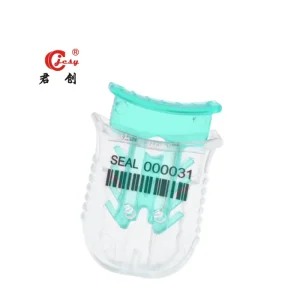
Matching Seal Types to Specific Meter Applications
Different meters face different threats, and the utility sector has developed several wire seal types to address them. Plastic wire seals handle most standard applications for electricity meter seals, water meter seals, and gas meter seals. A plastic body with a thin wire threads through the meter’s locking points, and customization options allow for serial numbers and logos. These seals balance cost with adequate security for typical residential and commercial installations.
Metal wire seals step up the protection level. Steel wire and metal locking mechanisms provide superior strength for environments where tampering attempts might be more aggressive or where harsh conditions would degrade plastic. Industrial gas meters and high-value commercial installations often warrant this upgrade.
Transparent seal bodies reveal internal locking components, adding another layer of tamper evidence. Some designs incorporate intricate internal structures that fracture visibly when manipulated. Customizable meter seals let utility providers add specific branding, unique numbering sequences, and barcodes for improved traceability. This customization also makes counterfeiting more difficult since fraudsters would need to replicate company-specific features.
| Seal Type | Material | Typical Application | Security Level | Durability |
|---|---|---|---|---|
| Plastic Wire Seal | Plastic | Electricity, Water, Gas | Medium | Moderate |
| Metal Wire Seal | Metal | High-Security Gas, Industrial | High | High |
| Transparent Seal | PC/PP | Electricity, Water | Medium | Moderate |
| Lead Meter Seal | Lead | Traditional Metering | Medium | Moderate |
Factors That Drive Seal Selection Decisions
Picking the right wire seal requires evaluating several variables. Start with the meter type. Electricity, water, and gas meters have different sealing points and face different environmental exposures. A water meter in a below-grade pit encounters moisture and temperature swings that an indoor electric meter never sees.
Environmental conditions drive material choices. Outdoor installations need seal material durability and environmental resistance against UV radiation, temperature extremes, and moisture. A seal that becomes brittle in cold weather or degrades in sunlight loses its tamper-evident properties.
Security level requirements vary by location and meter value. High-value commercial meters or those in areas with documented fraud problems warrant seals with advanced anti-tamper features. Lower-risk residential installations might not need the same level of protection.
Regulatory requirements often dictate minimum specifications. Application-specific seals designed for particular meter models ensure proper fit and function. Shandong Junchuang Lock Industrial Co., Ltd. offers a range of durable and resistant wire seals tailored to diverse utility needs.
If you’re interested, check 《Meter Lead Seals: Essential Security for Utility and Measurement Devices》.
Regulatory Standards Shape Sealing Requirements
Utility companies do not get to choose whether they implement robust meter sealing. Regulatory bodies mandate it. Governments and industry organizations establish standards to ensure fair trade, prevent fraud, and maintain service integrity. Falling short of these requirements brings penalties, legal exposure, and reputational damage that can take years to repair.
International and national standards like ISO 17712 compliance for high-security seals specify materials, locking mechanisms, and tamper-evident features. These are not suggestions. Auditors verify that seals meet specifications and that deployment processes follow documented procedures.
Regular auditing meter seals demonstrates ongoing compliance. These audits check that seals are correctly installed, properly recorded, and systematically inspected. The documentation provides a transparent account of security measures that satisfies regulators and reassures customers. Regulatory compliance seals serve as proof that a utility company takes its responsibilities seriously. This commitment protects revenue while upholding the ethical standards that customers and regulators expect.
Installation and Inspection Protocols That Actually Work
A high-quality wire seal provides no protection if it is installed incorrectly or never inspected. The seal installation guide exists for a reason. Each seal must be applied correctly to the designated locking points, with the wire threaded through the meter’s apertures and the seal securely locked. No slack. No shortcuts. Slack in the wire creates opportunities for manipulation that defeat the seal’s purpose.
Field service best practices require documentation of every seal application. The unique serial number, installation date, meter location, and technician identification all get recorded. This documentation creates the traceability that makes the entire system work.
Seal inspection protocols need to be systematic rather than occasional. Visual checks look for physical damage, alteration, or unauthorized removal. Utility personnel receive training to identify common signs of tampering: cut wires, replaced seals, evidence of forced entry. Seal traceability systems using unique numbering or barcoding allow comprehensive tracking from manufacturing through disposal. This tracking helps identify patterns of fraud and analyze seal failure modes.
When seals require removal for maintenance or replacement, strict seal removal procedures apply. Cut the seal, record its details, document the reason for removal, then install and record the replacement. Every step matters.
Recognizing Tampering Before Losses Accumulate
Knowing what to look for separates effective fraud detection from reactive damage control. Physical damage provides the most obvious indicators. Broken or cut wires indicate someone tried to bypass the seal. Altered seal numbers or mismatched seal types suggest unauthorized interference. Scratches, pry marks, or damaged meter covers point directly to tampering attempts.
Unusual meter readings deserve investigation even when physical evidence is absent. A sudden drop in consumption without a corresponding change in usage patterns warrants a closer look. Sometimes the meter itself has been manipulated in ways that leave the seal intact.
Wire seals contribute to preventing tampering by making consequences visible. Tamper evidence features ensure that interference leaves proof. A Plastic Seal Security Lock designed with a brittle casing cracks visibly if forced. Advanced wire seals incorporate internal locking mechanisms that jam when tampered with. Unique identifiers resist replication. These features make undetected fraud difficult, protecting billing data integrity and revenue.
Smart Meter Integration Drives Seal Technology Forward
Smart meters have changed the security landscape. They offer remote monitoring capabilities but also present new attack surfaces. Wire seal technology has evolved to address these challenges while taking advantage of digital management systems.
RFID seals represent one significant advancement. Embedded RFID chips allow electronic verification of seal authenticity and status. Field technicians can confirm a seal’s identity without relying solely on visual inspection. Auditing becomes faster and more accurate.
Barcode seals facilitate quick data capture and integration into digital seal management systems. Scanning a barcode records seal installation, inspection, and removal events automatically, reducing manual data entry errors and improving traceability.
Digital seal management platforms allow utility companies to monitor seal status in real-time, track seal lifecycles, and generate reports on security incidents. These systems enhance advanced tamper detection capabilities by cross-referencing physical seal data with meter readings and operational information. When a seal status change does not match expected maintenance activities, the system flags it for investigation. This integration creates a more robust security infrastructure for modern utility networks.
The Financial Case for High-Security Seals
High-security wire seals cost more than basic alternatives. Whether that additional cost makes sense depends on what you are protecting and what you stand to lose. For most utility providers, the math works out clearly in favor of better seals.
Revenue protection provides the primary justification. Meter tampering results in unbilled consumption. For large utility networks, those losses can reach millions annually. High-security seals deter tampering and detect it when it occurs, directly protecting the bottom line. The ROI on security seals becomes apparent when fraud losses drop.
Operational efficiency seals contribute additional savings. Fewer fraud incidents mean less time spent on investigations, legal proceedings, and meter replacements. Improved data integrity leads to more accurate billing, which reduces customer disputes and the staff time required to resolve them.
Regulatory compliance often requires specific seal specifications. Meeting those requirements with appropriate seals avoids fines and the reputational damage that comes with compliance failures. While upfront costs exist for purchasing and implementing high-security seals, the long-term cost savings from fraud prevention, increased efficiency, and regulatory adherence make them an indispensable component of utility asset management.
Partner with Shandong Junchuang for Superior Meter Security
As a leading manufacturer of high-quality sealing solutions, Shandong Junchuang Lock Industry Co., Ltd. is dedicated to safeguarding your utility assets. Our expertise in designing and producing robust wire seals ensures unparalleled security and compliance for your meters. Contact us today to discuss your specific requirements and discover how our innovative solutions can protect your revenue and enhance operational integrity. Reach out via Mobile: +86 13853189290, Email: [email protected], or Whatsapp: +86 13853189290 for a personalized consultation.
Frequently Asked Questions About Utility Meter Wire Seals
What is the primary function of a wire seal on a utility meter?
A wire seal creates a tamper-evident barrier that reveals unauthorized access attempts. When someone tries to open or manipulate a sealed meter, the seal shows visible damage. This evidence allows utility companies to identify compromised meters quickly and investigate before losses accumulate. The seal also acts as a deterrent since potential fraudsters know their interference will leave proof.
How do I choose the right wire seal for different utility meter types?
Start with the installation environment. Outdoor meters need seals with UV resistance and temperature tolerance. High-value commercial meters warrant metal seals with stronger locking mechanisms. Check regulatory requirements for your jurisdiction since some mandate specific seal specifications. Consider whether barcode or RFID integration would improve your tracking processes. Match wire length to the meter’s sealing points, leaving no slack that could be exploited.
What are the common signs of meter tampering and how do wire seals prevent them?
Look for broken or cut wires, which indicate bypass attempts. Altered serial numbers or seals that do not match your records suggest replacement with counterfeit seals. Scratches and pry marks around meter covers point to forced entry. Unexplained drops in consumption readings warrant investigation even without visible damage. High-quality wire seals prevent undetected tampering by incorporating features that show visible damage when manipulated, unique identifiers that resist counterfeiting, and locking mechanisms that jam rather than release when forced.