
Container seal applications follow one rule: the point where cargo changes hands determines the seal type. Ocean containers, cross-border rail cars, tanker trailers, and distribution center trailers each expose a seal to different tamper scenarios, handling methods, and inspection routines. In fifteen years of manufacturing security seals, I have watched buyers move from generic bolt seals to route matched plastic, cable, and barrier seals once they understand these differences. Container seals appear in ocean freight, trucking, border crossings, and storage, and the right specification follows route risk rather than seal price.
Where Do Container Seals Work in Ocean Freight?
An ocean container door is the most common application. The right and left locking rods meet at the latch, and a bolt seal passes through the hasp and locks into a steel pin. ISO 17712 high security bolt seals are built for this point because the seal has to survive lifting, stacking, and weather while still being quick to inspect. I have seen container doors fitted with plastic pulls that belong on lighter domestic routes. The problem appears quickly in port handling, where a weak seal can be cut and replaced without slowing the closing process.
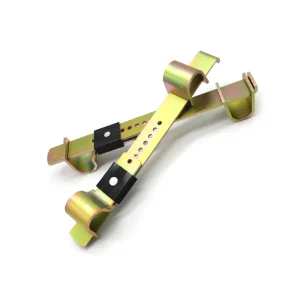
Port terminals and intermodal exchanges are transfer points where seal numbers are checked against the bill of lading. A numbered bolt seal gives every inspection event a clear record. We run batch serialization at our plant so that no two container seals in one shipment carry the same marking. This matters when a terminal clerk compares the seal number on a gate in with the number on the manifest, because a missing digit is enough to hold the box for a full inspection.
What Happens When Container Seals Move by Truck and Rail?
Once a container leaves the port, the seal has to handle ground conditions. Truckload and intermodal transfers expose the seal to repeated pull and twist forces at rail ramps and trailer hitches. A fixed length bolt seal does not always fit a trailer latch with a larger gap, which is why adjustable cable seals are standard for cross-border truck moves. The choice follows the latch geometry before it follows route distance.
| Transport Condition | Seal Type | Why It Fits |
|---|---|---|
| Ocean container door | High security bolt seal | Fixed length resists cut and replacement at locking rods |
| Cross-border trailer with latch gap | Adjustable cable seal | Cable loop adjusts and shows cut evidence |
| Tanker hatch and valve runs | Numbered cable seal | Vibration resistance and sequential marking |
| Distribution trailer route | Plastic padlock seal | Single-use control with low unit cost |
| Warehouse storage container | Barrier seal | Multi-point locking with severe tamper indication |
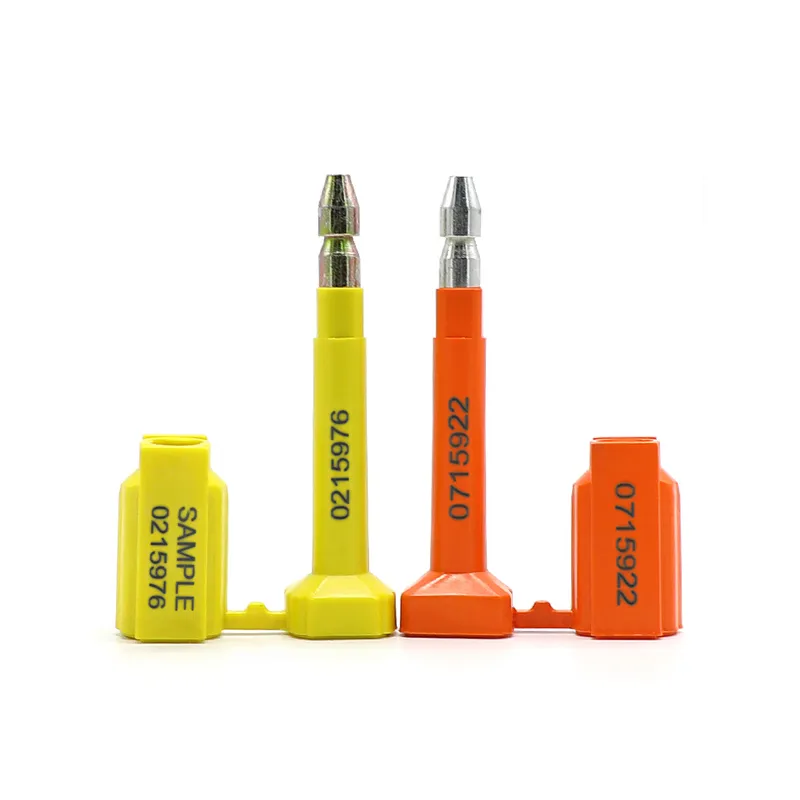
Truckload and Intermodal Transfers
At a rail ramp, a container can be lifted and set down several times before final dispatch. Each movement risks catching the seal on guide rails or crane spreaders. Fixed seals handle this poorly if the latch points do not align. An adjustable cable seal gives enough loop length to thread through two lock points without leaving slack that can be twisted to defeat the lock. I have seen shipment audits reject a trailer because the seal was installed through only one latch point, which left the second door free to open a few centimeters.
Tanker and Hazardous Cargo
Tanker containers and hazardous cargo tanks use cable seals on valve and hatch points more often than bolt seals. The reason is practical: valve handles and manhole covers rarely offer the single fixed hasp that a bolt seal needs. A numbered cable seal can be drawn tight around the closure point, and the sequential marking ties each seal to the manifest. For hazardous routes, the seal is as much a process control as a theft control. We have produced cable seals for tanker operators whose primary requirement was visible evidence at every transfer point, not just the final destination.
How Do Customs and Border Agencies Use Container Seals?
Customs and border agencies read the seal as a chain-of-custody marker, not a lock. An intact seal number matching the manifest tells an inspector that the container has not passed through an unauthorized stop. A discrepancy triggers a deeper inspection. The seal type matters because ISO 17712 defines high security seals as those that show visible evidence of removal and require special tools to break. We apply this in our production checks: the lock barrel has to engage with a clear click, and the marking has to remain legible after sustained handling. If the barrel can be pulled back without destroying the seal body, the unit does not ship.
For buyers running routes through multiple customs regimes, confirming the expected seal category at each border is a specification task. A seal that passes one inspection station can still be challenged at the next if the marking format or strength class differs from the local requirement. If your route list includes more than one customs clearance point, send the route list and current seal specification to [email protected] and we can confirm the right seal category before you commit to a bulk order.
Where Else Do Container Seals Protect Cargo in Storage?
Container seals also appear at rest. Warehouses, distribution centers, and storage yards use seals on containers that sit parked for days or weeks between transport legs. A seal placed at dispatch gives the receiving crew a quick visual check before unpacking begins. If the seal is missing, the shipment is set aside for inspection before the doors open.
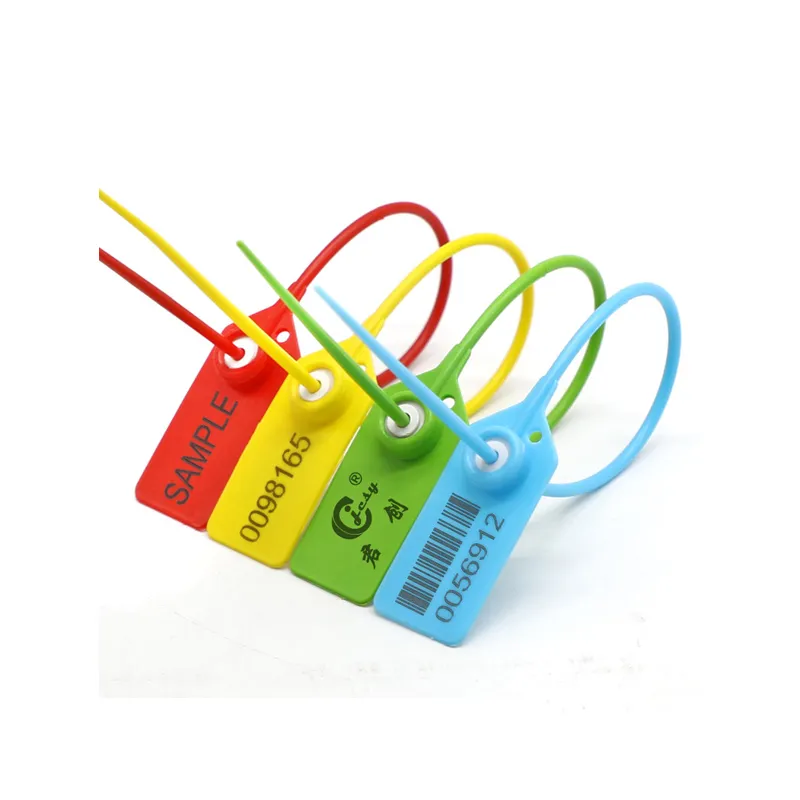
Warehouse Receiving and Dispatch
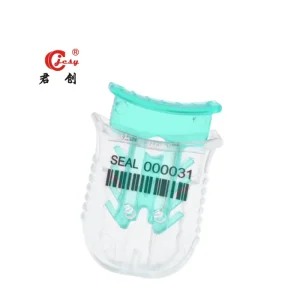
High volume receiving docks often use pull tight plastic seals or padlock seals for shorter domestic moves. The cost per unit matters here because one trailer can be sealed and resealed several times across a week. We make these in numbered sequences so a lost or broken seal is easy to trace in the receiving log. I have worked with distribution teams that keep two colors on hand, one for outbound sealed trailers and one for trailers held for inspection, which removes the delay of reading numbers from ten meters away.
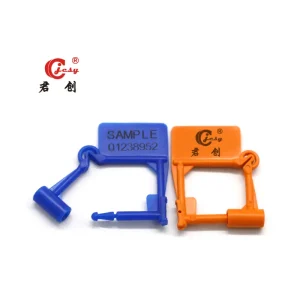
Utility and Metered Container Applications
Some container adjacent assets like meter cabinets, utility enclosures, and service carts take smaller meter seals with wire or plastic tails. These are not cargo container applications in the same way, but they follow the same logic: the closure point is fixed, the seal has to be single use, and the marking has to match the service record. A meter seal with a short wire tail works where a large barrier seal would block cabinet access.
How Should You Match Container Seals to Your Route Risk?
The most common mistake I see is ordering one seal type for every route. That works until a trailer latch gap refuses a fixed bolt seal or a border inspector rejects a marking format that was never confirmed against local practice. At Junchuang, we start from a route assessment: ocean leg, inland leg, customs clearance points, storage location, and the closure style at each point. From there, seal type and marking become straightforward. If you are preparing a bulk order, send your route list, closure photos, and target quantities to [email protected] or call or WhatsApp +86 13853189290. We will match the seal type and marking to each application and confirm lead time before you place the order.
What Questions Should Buyers Ask About Container Seal Applications?
Can one bolt seal cover all container shipments?
No. A bolt seal fits a fixed hasp on a standard container door, but it will not solve every route condition. Truck latches with larger gaps, tanker valve points, and storage containers with multiple lock points may need an adjustable cable seal or a barrier seal. The seal has to match the closure geometry before strength matters. I have seen buyers buy a full year of ISO 17712 bolt seals and then find that their rail transfer trailers require a cable loop for two-point locking. That creates a second order and a temporary security gap.
Do customs agencies require a specific seal type on import containers?
Many buyers assume customs requires one universal seal type. In practice, the requirement is usually that the seal meets the security level defined for the shipment program and that the number matches the manifest. ISO 17712 high security seals are accepted in most international container movements, but a local inspection point may expect a particular marking format or strength class. Confirming the entry port’s expectation before shipment is cheaper than a rejection at the border. A quick check with the freight forwarder or the receiving broker settles most of this.
What seal feature matters most for high theft lanes?
It depends on how the route fails. On long inland legs, a cut and replace attack matters more, so a cable seal with visible cut evidence and sequential numbering is harder to bypass silently. In port storage, a fixed bolt seal with a strong barrel withstands repeated handling. For warehouse goods, a single-use plastic padlock seal gives enough evidence at low cost. The priority shifts from strength to traceability as soon as the route includes transfers outside your own control. Buyers who rank traceability first tend to avoid the worst disputes.
When should a reusable seal be avoided?
The better question is what the seal needs to prove. If the point is to show that no one opened a container between dispatch and delivery, a reusable seal is the wrong tool. It can be opened and closed without leaving a record, so the evidence disappears. Disposable bolt, cable, and plastic seals remain the norm for cargo custody because the destroyed seal is the proof. Use reusable locks inside a facility, but never as the external container seal on a shipment. Share your route and current seal specification, and we will confirm the seal matches the inspection regime.
If you’re interested, check out these related articles:
Security Seal Pricing Guide: Unveiling Factors Affecting Your Investment – Junchuang Lock
Mastering Seal Strength: Metrics for Industrial Security – Junchuang Lock