
When sourcing bulk metal seal orders, the sticker price is only the beginning. Having managed production lines and quality control for over a decade, I’ve seen too many buyers chase the lowest quote only to face inconsistent thickness, poor plating, or delivery delays that cost far more than the price difference. A reliable metal seal order starts with understanding how the factory’s material choices, process discipline, and quality checks shape the final cost.
How Metal Seal Specifications Affect Bulk Pricing
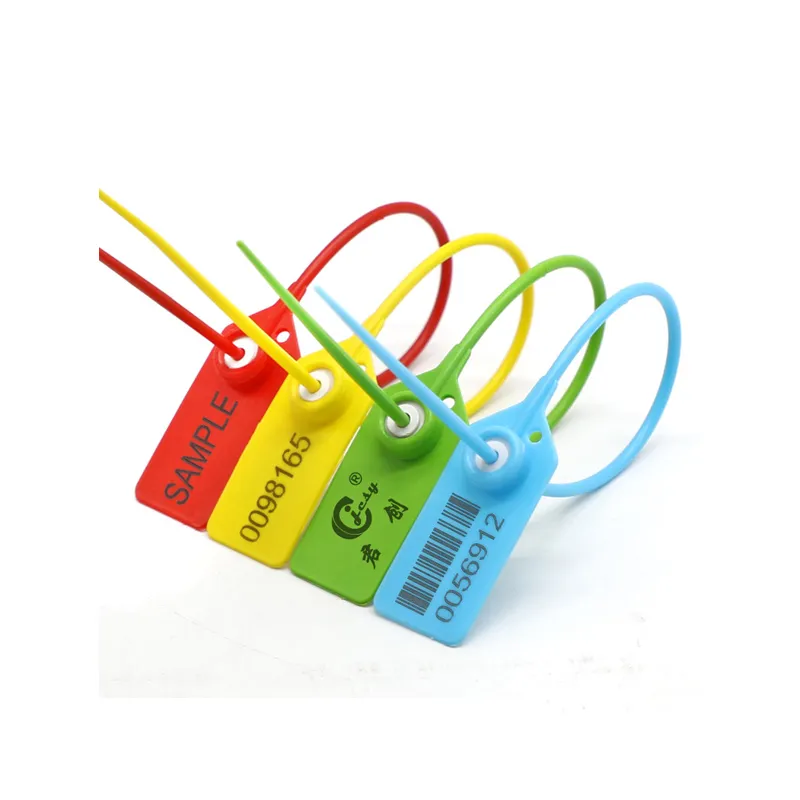
Metal strap seals differ far more than photos suggest. Thickness, width, length, and locking mechanism all determine manufacturing cost and, ultimately, the price you pay per piece. A seal that meets your tamper evidence requirements but uses an unnecessarily thick steel band will inflate costs without adding value. Conversely, thinning the strip too much can compromise security, creating a weak point that snaps during handling.
| Specification | Impact on Pricing |
|---|---|
| Steel thickness (0.5‑1.2mm) | Thicker stock raises raw material cost and accelerates tooling wear. |
| Width and length | Larger blanks consume more coil; stamping complexity grows with size. |
| Locking mechanism | Spring‑loaded or deadbolt designs add components, assembly labor, and per‑seal cost. |
| Surface plating | Basic zinc is the most economical; heavy galvanizing or custom coatings increase cost per kilolot. |
Why thickness tolerances matter
Factories that hold tighter tolerances on steel thickness and stamping dimensions usually produce more consistent locking performance. That precision comes at a price: higher scrap rates, more frequent die maintenance, and additional inline checks. Still, for cargo containers or export shipments where a broken seal triggers a customs hold, the added consistency is worth the investment. I’ve tested batches from several runs, and even a 0.05 mm variation in strip thickness changed the pull‑out force enough to flag a failure.
Raw Material Choices and Factory Cost Structures
The grade and finish of the steel coil drive a big share of bulk metal seal costs. Most industrial metal seals use cold‑rolled steel, often with a zinc coating for corrosion resistance. Hot‑dipped options are heavier and pricier but necessary for maritime or chemical environments. Over the last few years, steel price volatility has become a major factor. Factories that stock common gauges in‑house can lock orders more predictably, while those ordering coil only after PO receipt will pass spot‑market risk directly to the buyer.
Beyond the base metal, the locking insert matters. A sprung‑steel retainer or a hardened pin adds a few cents per unit but dramatically improves tamper resistance. If your seals will be exposed to rain, salt spray, or frequent handling, investing a little more in materials upfront avoids field issues later. Reach out at [email protected] if your program involves unusual corrosion conditions or specific surface treatments; confirming the factory’s material certifications early can prevent rework and shipping delays.
Verifying Quality Before Placing a Large Order
Batch consistency is the hardest thing to get right when moving from samples to production. A pre‑production sample might pass tensile, shear, and tamper‑evidence tests, but the real question is whether 50,000 pieces from the same line will perform identically. I’ve rejected entire batches because the locking insert alignment shifted between shifts—visible only when you pulled the seals to failure in a controlled test.
A thorough quality review for metal seals should include destructive pull‑testing on random samples from mid‑production, cross‑section cuts to check plating thickness and continuity, and an audit of the factory’s own inspection records. Many importers skip the cross‑section check, yet it reveals uneven coating that corrodes within months. Requiring the factory to supply test data from each production lot—not just initial samples—is one of the most effective steps you can take. It forces discipline on the line and gives you a paper trail for your own compliance file.
Managing Lead Times, Packaging, and Shipping for Heavy Shipments
Metal seals are heavy. A pallet of 20,000 standard metal strap seals can weigh several hundred kilograms, so packaging design matters as much as the seal itself. Loose‑packed seals lead to tangled straps and scratched surfaces; banded or boxed units survive container transit far better. Cardboard with a moisture barrier is the minimum. For ocean freight, we often recommend shrink‑wrapped pallets with reinforcing corners.
Lead time splits into two parts: raw material procurement and actual stamping plus finishing. If the factory carries the required steel gauge in inventory, production can start within days. Without stock, coil sourcing adds two to three weeks, longer if the specification is unusual. I’ve seen buyers lose a shipping window because they assumed a lead time the factory could not deliver. Always confirm not only the manufacturing lead time but also whether all materials are on hand before the order is confirmed. Then add realistic buffer days for sea freight consolidation.
Pricing Strategies for Long‑Term Metal Seal Partnerships
The lowest piece price often comes from high‑volume, repeat orders on a single specification. When you order 50,000 seals instead of 10,000, the factory can run a full coil without stopping, which cuts set‑up labor and material waste. But even for smaller regular orders, a defined schedule can unlock better pricing. If the factory knows you’ll take 15,000 seals every quarter, it can plan procurement and optimise machine loading. That predictability is worth something, and most manufacturers will reflect it in the unit price.
Long‑term partnerships also open the door to value‑engineering. Our team has worked with buyers to redesign seal profiles that reduced steel usage by 8 percent while maintaining the same pull strength. Those gains never come from one‑off transactions. They grow out of trust, shared test data, and a factory that sees its role as more than a parts supplier.
Your Next Metal Seal Order: A Straightforward Approach
Buyers sometimes assume all metal seals are basically the same, leading to decisions based on unit price alone. The real cost is felt later: cargo holds, rejected shipments, or inventory that fails a random audit. Working with a manufacturer that controls its own stamping, plating, and inspection means you’re not hoping someone else caught the problem before it left the factory.
If you need bulk metal seals that hold up in the field and meet your documentation requirements, send your part number, quantity, and target delivery date to [email protected] or call +86 13853189290. I’ll review the specifications with our production team and provide a workable schedule and a firm price based on current material costs. No marketing fluff, just a realistic plan for getting the seals you need.
Common Questions About Bulk Metal Seal Orders
What is the minimum order quantity for bulk metal seals?
Most factories set the MOQ around 10,000 pieces for standard steel strap seals, simply because stamping set‑up time makes smaller runs uneconomical. For custom printing, laser marking, or special plating, the MOQ may rise to 20,000 or 30,000. We can accommodate smaller trial orders, but the unit cost will be higher since the fixed costs still apply.
How long does it take to produce a large metal seal order?
From final artwork approval and steel receipt, a typical batch of 30,000 seals can be stamped, plated, printed, packed, and ready for shipment in about three weeks. If the steel gauge needs to be sourced after the order, add roughly two weeks. Rush orders are possible but demand clear communication about which steps can be shortened without risking quality.
Can I get a sample before committing to a bulk purchase?
Yes, we encourage it. Existing stock samples ship quickly so you can verify dimensions, feel the locking mechanism, and test basic tamper evidence. For custom seals with specific thickness or plating, a pre‑production sample takes around one week after artwork confirmation, at which point you can run your own destructive tests before releasing the production batch.
How are shipping costs calculated for heavy metal seal orders?
Weight and volume drive freight cost, so compact packing is key. We typically quote FOB Qingdao. You can arrange your own forwarder, or we can coordinate CIF delivery to your port. For air freight, the weight surcharge often makes it impractical except for very urgent trials. Sea freight is the standard for bulk orders, and we recommend consolidating with other shipments when possible.
Why do prices vary so much between metal seal factories?
Differences usually trace back to raw material selection, tooling quality, and inspection rigor. A factory using thinner steel, skipping inter‑process checks, or sourcing coil from uncertified mills will quote lower but risks delivering seals that fail in service. The gap between a $0.12 seal and a $0.20 seal often disappears the first time a cargo container is opened for re‑inspection. If your next order has specific size, material, or certification requirements, share the details with us at [email protected] and we will provide a transparent costing breakdown.
If you’re interested, check out these related articles:
Custom Bolt Seal Printing Options: Secure Your Global Logistics – Junchuang Lock
Finding Trusted Cable Seal Exporters: A Strategic Procurement Guide – Junchuang Lock
Supply Chain Security: The Critical Role of Industrial Seals – Junchuang Lock
Bulk Plastic Seal Orders: Strategic Pricing & Supply Chain Security – Junchuang Lock