
Industrial seals don’t get much attention until something goes wrong. A broken seal on a shipping container, a missing tamper indicator on a truck door—these small failures can cascade into significant losses. Having worked with logistics operations across multiple industries, I’ve seen how the right sealing strategy quietly prevents problems that never make it into incident reports. The real value of these devices lies not in their complexity but in their reliability: a physical checkpoint that tells you whether your cargo arrived the way it left.
The Role of Industrial Seals in Protecting Global Cargo Movement
Global freight faces persistent threats that make supply chain integrity a constant concern. Cargo theft accounts for billions of dollars in annual losses worldwide, and that figure only captures reported incidents. Industrial seals function as a first line of defense in logistics risk management, providing visible tamper evidence that deters criminal activity before it happens.
These devices work as physical barriers that signal unauthorized interference with containers, trucks, rail cars, or other secure enclosures. When a seal remains intact at the destination, it confirms that contents have not been compromised since the last inspection point. This simple verification supports theft prevention efforts and helps companies maintain operational continuity across complex distribution networks.
The deterrent effect matters as much as the detection capability. Opportunistic tampering becomes less attractive when evidence of interference will be immediately obvious.
How High-Security Seals Protect Shipments Across International Routes
High-security seals are engineered to resist unauthorized entry while providing clear evidence of any compromise attempt. Their design incorporates features that make defeat difficult without leaving obvious signs of tampering.
High-security bolt seals that comply with ISO 17712 standards have demonstrated measurable reductions in container tampering incidents compared to standard seals. The difference comes down to construction quality and locking mechanism complexity.
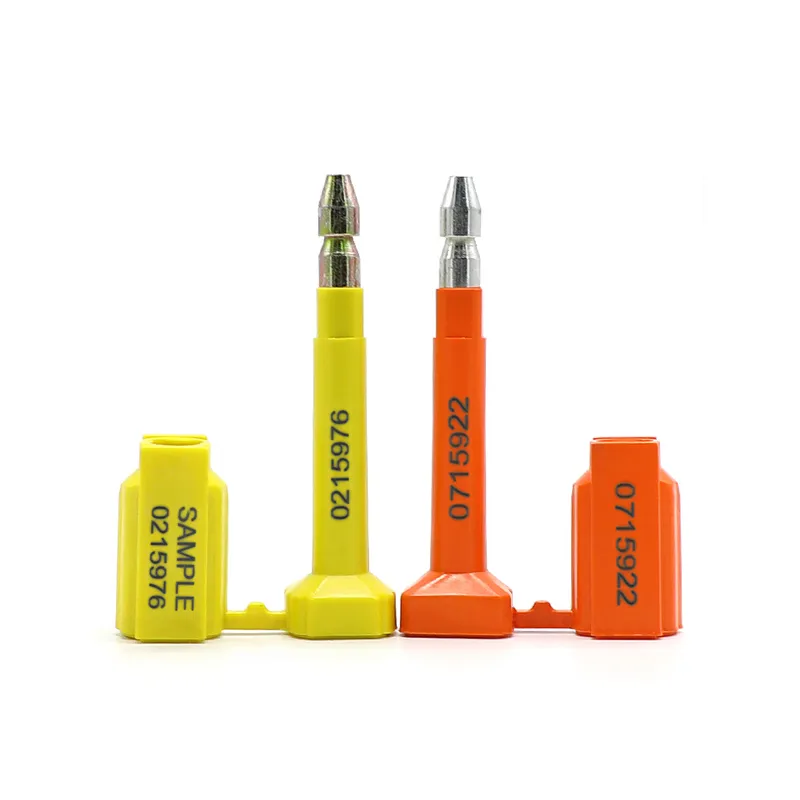
Different seal types serve distinct applications. High-security bolt seals work well for shipping containers and rail cars. Cable seals offer flexibility for trucks, tankers, and irregularly shaped cargo. Plastic seals handle internal logistics, utility meters, and drum closures effectively. Each category addresses specific security requirements while preventing product diversion and protecting brand integrity.
Seal Types That Deliver Maximum Security for International Shipping
International shipping demands seals that meet or exceed ISO 17712 compliance standards. High-security bolt seals and heavy-duty cable seals represent the strongest options available for this purpose.
These seals use robust materials and complex locking mechanisms that require specialized tools for removal. Any tampering attempt leaves obvious marks that inspection personnel can identify quickly. This combination of physical deterrence and clear tamper evidence proves critical for container security and smooth customs clearance.
Comparison Chart: Types of Seals and Their Security Levels
| Seal Type | Security Level | Primary Use Case | Tamper Evidence |
|---|---|---|---|
| Bolt Seals | High | Shipping Containers, Rail Cars | Excellent |
| Cable Seals | High | Trucks, Tankers, High-Value Cargo | Excellent |
| Plastic Seals | Medium | Internal Logistics, Utility Meters, Drums | Good |
| Metal Strap Seals | Medium | Trailer Doors, Retail Carts | Good |
| Meter Seals | Low-Medium | Utility Meters, Small Enclosures | Visible |
If you are looking for robust security solutions for your utility and measurement devices, you might find our article on Meter Lead Seals particularly insightful. 《Meter Lead Seals: Essential Security for Utility and Measurement Devices》
Regulatory Requirements That Shape Seal Selection in Logistics
Regulatory compliance drives much of the industrial seal adoption in modern logistics. International standards and national security programs mandate specific seal types to strengthen supply chain protection.
Non-compliance with programs like C-TPAT (Customs-Trade Partnership Against Terrorism) or AEO (Authorized Economic Operator) creates real operational problems. Shipments face significant delays, increased inspection rates, and substantial financial penalties at customs checkpoints. These programs exist to secure global supply chains against terrorism and illicit trade.
Seals demonstrate adherence to these standards in a tangible way. Proper sealing facilitates smoother customs processes and improves overall traceability solutions. Meeting these requirements also supports auditing processes, giving companies documented evidence of their security practices.
Technology Integration Expands Seal Capabilities for Real-Time Monitoring
Technological advancement has expanded what industrial seals can accomplish beyond simple physical barriers. Electronic seals and smart seals equipped with RFID technology now provide real-time tracking and instant tamper alerts.
This capability transforms supply chain visibility. Businesses can monitor cargo integrity throughout transit rather than discovering problems only at delivery. Digital tamper evidence means any breach gets recorded and communicated immediately, enabling rapid response before losses compound.
Forensic analysis of compromised seals provides detailed insights into tampering methods, which helps improve future security protocols. These innovations integrate seals into comprehensive seal management systems that support proactive rather than reactive security approaches.
Verification Methods That Confirm Seal Authenticity Throughout Transit
Verifying seal authenticity and integrity requires systematic processes at multiple checkpoints. Standardized inspection protocols should include careful examination for signs of tampering or unauthorized replacement.
Digital verification tools add another layer of confirmation. Mobile apps that scan unique serial numbers or QR codes on seals can confirm authenticity and current status against a central database. Regular seal integrity checks combined with robust auditing procedures ensure that all seals are correctly applied, recorded, and accounted for throughout the chain of custody.
Implementation Practices That Maximize Seal Effectiveness
Getting full value from industrial seals requires attention to how they’re deployed, not just which types you select. Proper seal application techniques matter fundamentally—seals must be affixed correctly to prevent easy removal or bypass.
Seal removal protocols deserve equal attention. Only authorized personnel should remove seals, and every removal should be documented with time, location, and personnel identification. Comprehensive employee training on security best practices, including correct seal handling and inspection procedures, reduces security breaches significantly. Organizations that invest in this training see improved ROI on their overall security investments.
Regular risk assessment identifies vulnerabilities that might otherwise go unnoticed. This allows targeted deployment of appropriate sealing solutions where they’ll have the greatest impact. Understanding the true cost of supply chain breaches—including lost goods, reputational damage, and operational delays—clarifies why robust sealing strategies justify their investment.
Emerging Technologies Will Reshape Cargo Security Practices
Cargo security continues to evolve as new technologies mature. Blockchain integration with smart seals promises to enhance supply chain transparency by creating immutable records of seal status and cargo movements. This approach strengthens accountability across multiple parties who may not otherwise share information readily.
Artificial intelligence is beginning to contribute through predictive analytics that identify potential vulnerabilities or unusual patterns in seal data. These systems can flag anomalies before they become incidents.
Sustainable seals are gaining traction as companies balance environmental responsibility with security requirements. Materials and designs that reduce environmental impact while maintaining protective capability address growing stakeholder expectations.
Long-Term Returns from Advanced Sealing Investments
Advanced sealing solutions deliver benefits that compound over time. Insurance premiums often decrease as risk profiles improve. Brand reputation strengthens when customers trust that products arrive intact and uncompromised.
Streamlined customs processes result from demonstrated compliance, reducing delays and improving operational efficiency. The strongest case for these investments comes from minimized losses—both the direct costs of theft and tampering and the indirect costs of disrupted operations and damaged relationships.
Partner with Shandong Junchuang Lock Industry Co., Ltd. for Supply Chain Protection
Shandong Junchuang Lock Industry Co., Ltd. specializes in industrial sealing solutions that protect global supply chains. Our manufacturing capabilities cover high-security bolt seals, plastic seals, cable seals, meter seals, and metal strap seals designed to meet international standards.
Contact our specialists to discuss security requirements specific to your logistics operations. We can help develop sealing strategies that address your particular risk profile and compliance obligations.
Reach us by email at [email protected] or call +86 13853189290 for a consultation.
Frequently Asked Questions About Supply Chain Security Seals
How do high-security bolt seals comply with ISO 17712 standards?
High-security bolt seals from Shandong Junchuang Lock Industry Co., Ltd. are engineered to meet or exceed ISO 17712:2013 requirements. This standard specifies mechanical seal requirements for freight container security, including resistance to specific tensile, shear, and bending forces. Seals that pass these tests provide the tamper evidence needed for international shipping and customs clearance.
What distinguishes plastic seals from cable seals in security applications?
Plastic seals provide tamper-evident security suited for less critical applications or internal tracking purposes. They indicate unauthorized access effectively but offer less physical resistance. Cable seals, particularly those with adjustable lengths and robust locking mechanisms, deliver higher security levels. Their construction makes them appropriate for trucks, rail cars, and containers where stronger barriers and more visible tamper evidence are necessary.
Can implementing security seals support C-TPAT certification efforts?
C-TPAT certification requires demonstrable supply chain security measures, and compliant security seals represent a fundamental component. High-security bolt seals and robust cable seals show commitment to preventing unauthorized cargo access. This commitment helps expedite customs processing and satisfies certification requirements. Shandong Junchuang’s seals are designed with these compliance needs in mind.
What practices ensure security seals maintain their protective effectiveness?
Effective seal use depends on proper application and removal procedures. Personnel need training on correct sealing techniques and verification methods. Serial numbers should be documented at application, and seals should be inspected at each transfer point. Removal requires following established protocols, often using specialized tools, with documentation of who removed the seal and when. These practices apply across seal types, from plastic seals to metal strap seals.